Switching to natural cleaners is one of the easiest ways to reduce toxins in your home while cutting down on waste.
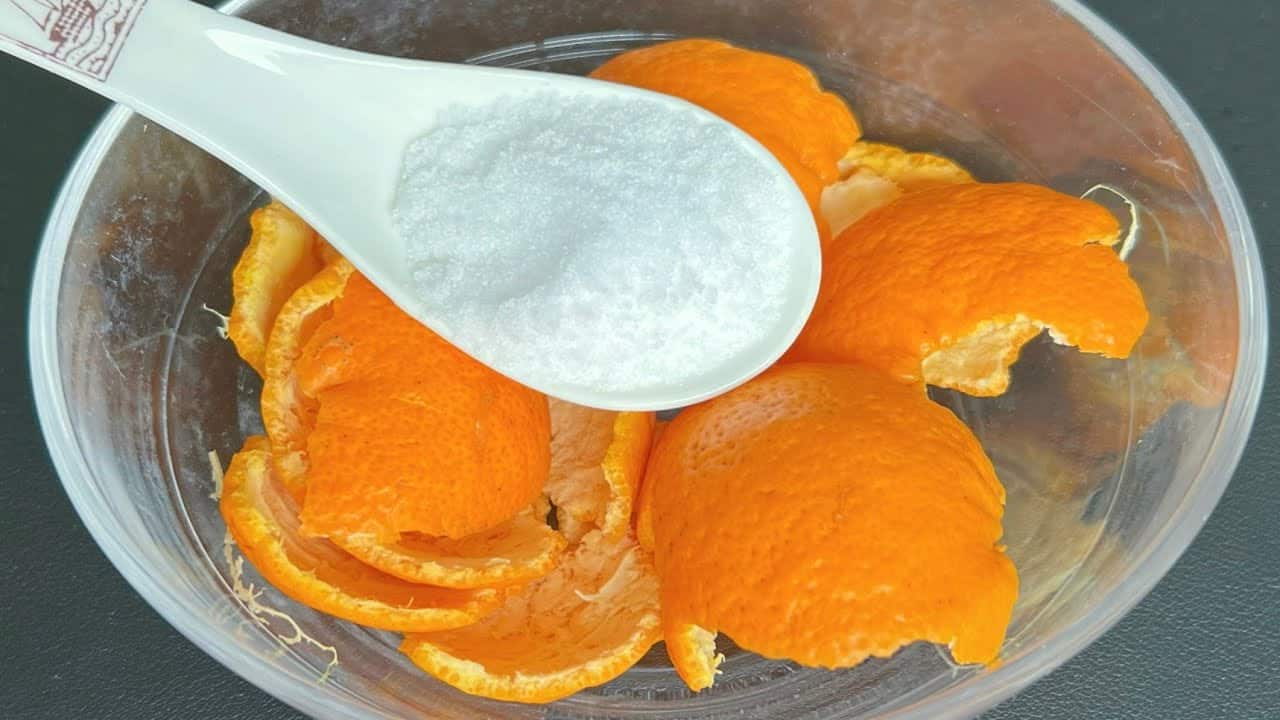
A great place to start is with orange peels, salt, and baking soda – ingredients that not only clean effectively but also make use of scraps that would otherwise end up in the trash.
This eco-friendly recipe harnesses the power of citrus oils, natural abrasives, and disinfectants to tackle grease, grime, and odors. Plus, it leaves your home smelling wonderfully fresh without synthetic fragrances.
Why Switch to DIY Natural Cleaners?
Household cleaning products are some of the most chemical-laden items in our homes.
While effective, many store-bought sprays and scrubs contain harsh substances like chlorine bleach, ammonia, phthalates, and synthetic fragrances.
These can irritate skin, trigger allergies, pollute indoor air, and contribute to environmental harm once rinsed down the drain.
Making your own cleaner puts you in control. With simple kitchen ingredients – orange peels, salt, baking soda, and vinegar – you can create a cleaner that:
- Cleans effectively (cuts grease, dissolves grime, neutralizes odors).
- Costs less (uses food scraps and pantry staples).
- Smells amazing (citrusy and fresh, without artificial fragrances).
- Supports sustainability (reuses orange peels instead of discarding them).
The Science Behind the Ingredients
Orange Peels: Nature’s Grease Cutter
Orange peels are rich in d-limonene, a natural solvent found in citrus oils. D-limonene breaks down oily residues and sticky messes.
It’s also naturally antibacterial, helping reduce microbes on surfaces. Plus, its fragrance has mood-boosting qualities – so cleaning doesn’t feel like a chore.
Baking Soda: The Gentle Abrasive
Baking soda (sodium bicarbonate) has been used in households for over a century.
It’s mildly abrasive, so it helps scrub without scratching most surfaces. It also neutralizes acidic and alkaline odors, making it a top deodorizer.
Salt: Natural Scrubber and Preservative
Salt adds extra grit, useful for stubborn stains, soap scum, and mildew. Salt also draws out moisture, which makes it harder for bacteria to thrive.
White Vinegar: Acid Power
Vinegar (acetic acid) dissolves mineral deposits, cuts through soap scum, and naturally disinfects. It also extracts essential oils from orange peels during infusion, boosting cleaning power.
Together, these ingredients form a cleaner that’s both mechanically effective (scrubbing action) and chemically effective (grease-cutting, disinfecting, deodorizing).
Ingredients You’ll Need
- Orange peels (from 2–3 oranges)
- 1 cup baking soda
- ½ cup salt (sea salt or table salt)
- White vinegar (enough to cover ingredients in jar)
- 1 airtight glass jar (mason jar preferred)
- Spray bottle for application
- Water (for dilution if needed)
Step-by-Step: How to Make DIY Orange Peel Cleaner
Step 1: Prepare the Orange Peels
Peel 2–3 fresh oranges. Chop the peels into small pieces to maximize surface area. The more exposed surface, the more oils that will be released during infusion.
Pro Tip: Freeze peels over time until you have enough for recipes like this.
Step 2: Dry the Peels (Optional but Recommended)
Drying intensifies the citrus oils and prevents mold during infusion.
- Oven Method: Spread peels on a baking sheet, bake on the lowest setting for 2–3 hours with the door cracked open.
- Air-Dry Method: Leave peels in a sunny, ventilated spot for 2–4 days.
Drying is optional – you can also use fresh peels, but they may ferment slightly if not fully submerged.
Step 3: Mix the Dry Ingredients
Combine 1 cup baking soda and ½ cup salt in a bowl. Stir thoroughly to create your scrubbing base.
Step 4: Combine in Jar
- Add the orange peels to your glass jar.
- Pour in the baking soda–salt mix.
- Cover everything with white vinegar.
- Expect fizzing – that’s baking soda reacting with vinegar.
Seal the jar and shake gently.
Step 5: Let It Infuse
Store in a cool, dark place for 1–2 weeks. Shake occasionally. During this time, vinegar extracts citrus oils from the peels while combining with baking soda and salt to create a powerful cleaning solution.
Step 6: Strain the Mixture
After infusion:
- Strain out solids using cheesecloth or a fine sieve.
- Store the liquid in a clean jar or transfer to a spray bottle.
Label your cleaner with the date.
Step 7: Use Your Cleaner
- Shake before each use.
- Spray directly onto surfaces, let sit for 2–3 minutes, then scrub or wipe clean.
- For extra scrubbing power, sprinkle dry baking soda on the surface first, then spray with your cleaner.
Where to Use This Cleaner
This DIY cleaner is highly versatile:
- Kitchen: Degrease stovetops, ovens, counters, sinks, cutting boards.
- Bathroom: Remove soap scum, clean tiles, shine faucets, deodorize drains.
- Glass & Mirrors: Spray lightly, then buff with microfiber for streak-free shine.
- Floors: Dilute with water for mopping (safe on ceramic tile, vinyl, and laminate).
- Trash Cans: Neutralize odors with a quick spray.
- Laundry Boost: Add ½ cup of strained liquid to laundry as a deodorizing rinse.
Surfaces to Avoid
- Marble, granite, or natural stone: Vinegar can etch stone.
- Unfinished wood: Acids and moisture may damage the surface.
- Electronics: Never spray directly – wipe with a barely damp cloth.
Variations on the Recipe
- Citrus Mix: Add lemon, lime, or grapefruit peels for a multi-citrus fragrance.
- Herbal Boost: Add sprigs of rosemary, thyme, or lavender for added antimicrobial properties.
- Essential Oil Kick: Enhance cleaning with a few drops of tea tree, eucalyptus, or peppermint oil.
- Heavy-Duty Scrub Paste: Mix strained pulp with extra baking soda for a paste that works on grout, sinks, and stovetops.
Eco-Friendly Benefits
- Zero-Waste: Turns orange peels into a valuable cleaning ingredient.
- Plastic-Free: Stored in reusable glass jars and spray bottles.
- Biodegradable: Unlike synthetic cleaners, this breaks down naturally.
- Cost-Saving: Uses items already in your kitchen.
Troubleshooting and FAQs
My cleaner smells odd after a week – what happened?
Likely the peels weren’t fully submerged or dried. Always keep ingredients covered in vinegar.
Can I use apple cider vinegar instead?
Yes, though it has a stronger scent that may linger. White vinegar is best for neutral cleaning.
How long does it last?
About 2–3 months if stored in a cool, dark place. Refrigeration extends shelf life.
Can I use other citrus peels?
Absolutely – lemons, limes, and grapefruits work just as well.
Creating a DIY orange peel cleaner with salt and baking soda is more than just a natural cleaning hack – it’s a way to make your home healthier, cut down on waste, and save money.
With its grease-cutting citrus oils, scrubbing abrasives, and vinegar’s disinfecting power, this homemade cleaner handles everything from stovetops to bathroom tiles.