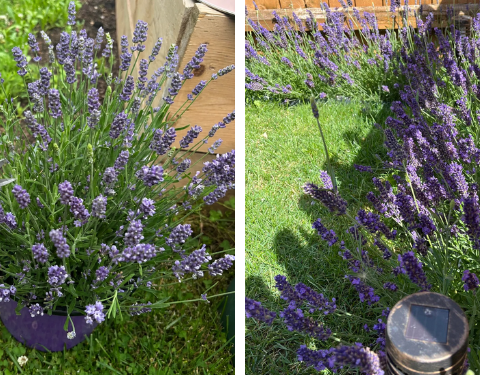
In the world of herbal medicine, some plants stay under the radar, quietly offering significant health benefits while remaining overlooked by most modern wellness enthusiasts.
One such unsung hero is the common mallow (Malva sylvestris) – a humble yet powerful plant that has been valued for centuries across various cultures.
While many know mallow for its delicate purple flowers and use as a garden ornamental, few realize that it’s a powerhouse of natural remedies.
From soothing sore throats to healing wounds, common mallow offers a range of potent health and medicinal advantages that make it worth discovering – and using.
What Is Common Mallow?
Common mallow (Malva sylvestris) is a flowering perennial herb native to Europe, North Africa, and parts of Asia, though it has spread globally as a naturalized plant.
It belongs to the Malvaceae family, which includes other beneficial plants like hibiscus and okra.
Mallow typically grows:
- 2–4 feet tall
- Produces distinctive five-petaled purple or pink flowers
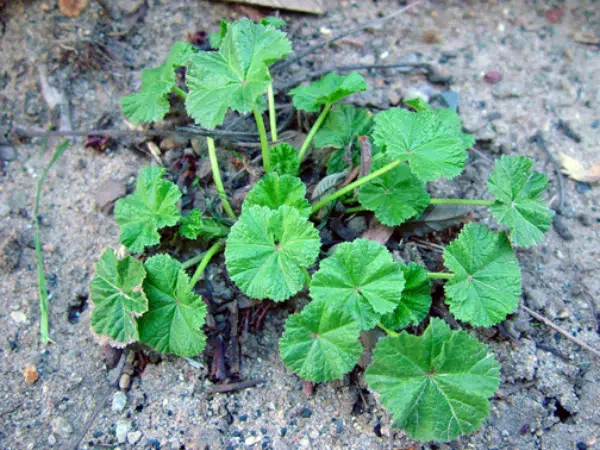
- Features soft, round, serrated leaves
- Thrives in roadsides, fields, gardens, and waste areas
While often seen as a weed, this plant has been used for food, medicine, and even textile purposes for thousands of years.
Nutritional Profile of Common Mallow
Before exploring its health benefits, it’s important to understand that mallow is nutrient-rich.
Both leaves and flowers are edible and contain:
- Vitamins A, B, C, and E: Vital for immunity, skin health, and vision.
- Minerals: Calcium, magnesium, potassium, and iron.
- Mucilage: A gel-like fiber that soothes mucous membranes.
- Antioxidants: Flavonoids, polyphenols, and anthocyanins that protect cells.
- Protein and fiber: Particularly significant for a wild green.
These nutrients contribute to mallow’s therapeutic potential.
1. Soothes Sore Throats and Coughs
One of mallow’s most well-known traditional uses is as a remedy for sore throats and dry coughs.
Why It Works
Mallow is high in mucilage – a slippery, gel-like substance that coats and protects mucous membranes.
When brewed into tea or syrup, it can:
- Reduce throat irritation
- Calm dry, hacking coughs
- Ease hoarseness
- Provide relief for mild bronchitis symptoms
Modern herbalists often recommend mallow tea for gentle relief without the side effects of over-the-counter medications.
2. Promotes Digestive Comfort
Thanks to its soothing mucilage and mild fiber content, mallow supports digestive health in several ways:
- Calms inflammation in the stomach and intestines
- Eases discomfort from gastritis or ulcers
- Helps alleviate constipation by softening stools
- Reduces bloating and indigestion
Historically, mallow leaves were consumed in salads or soups for these gastrointestinal benefits.
3. Supports Skin Healing
Mallow has a long-standing reputation as a skin-healing herb.
How It Helps
The mucilage, along with antioxidants and anti-inflammatory compounds, makes mallow useful for:
- Soothing rashes and irritation
- Easing insect bites and stings
- Helping heal minor wounds and abrasions
- Moisturizing dry, flaky skin
- Calming eczema and dermatitis symptoms
Applying a poultice or using infused oil on affected areas can bring relief.
4. Acts as a Natural Anti-Inflammatory
Scientific studies confirm mallow’s anti-inflammatory properties. Its bioactive compounds – particularly flavonoids and phenolic acids – help reduce inflammation in the body.
Potential benefits include:
- Easing joint pain in arthritis
- Reducing swelling from injuries
- Calming respiratory inflammation
- Supporting heart health by reducing chronic inflammation
These qualities make mallow a gentle herbal ally for chronic inflammatory conditions.
5. Provides Antioxidant Protection
Like many plants rich in vivid pigments, mallow flowers are packed with antioxidants such as anthocyanins and polyphenols.
Antioxidants help:
- Neutralize free radicals that cause cellular damage
- Slow aging processes
- Protect skin from environmental stress
- Lower risk of chronic diseases like cancer and cardiovascular disease
Drinking mallow tea or consuming fresh leaves can help increase your daily intake of these protective compounds.
6. Acts as a Mild Diuretic
Traditional herbal medicine has used mallow as a mild diuretic, promoting increased urine flow and helping flush toxins from the body.
This can be beneficial for:
- Reducing water retention
- Supporting urinary tract health
- Easing mild cases of cystitis
However, mallow is gentle compared to stronger diuretics and unlikely to cause dehydration when consumed in normal dietary amounts.
7. Eases Oral Health Issues
Due to its soothing nature, mallow has been used as a mouthwash or gargle to relieve:
- Swollen gums
- Mouth ulcers
- Sore throats
- Dental irritation
Its mucilage coats tissues, reducing pain and aiding healing. Some studies even indicate antibacterial effects that may help protect oral health.
8. Boosts Immunity
Mallow’s combination of vitamins (especially vitamin C), minerals, and antioxidants supports a healthy immune system.
Regular consumption may help:
- Shorten the duration of colds
- Strengthen overall immune defenses
- Reduce inflammation associated with infections
9. Gentle Laxative Effect
While not a strong laxative, mallow’s mucilage and fiber can gently encourage bowel movements, making it helpful for those with mild constipation.
This gentle action avoids harsh effects typical of chemical laxatives.
10. May Help Control Blood Sugar
Emerging research suggests compounds in mallow may have mild blood-sugar-regulating effects.
While more human studies are needed, early evidence indicates:
- Possible inhibition of carbohydrate-digesting enzymes
- Slower release of sugars into the bloodstream
People with diabetes should discuss using mallow therapeutically with a healthcare provider.
How to Use Common Mallow
Mallow is versatile and can be used in various forms:
Fresh Leaves
- Add raw to salads for a mild, slightly sweet flavor.
- Sauté with garlic as you would spinach.
- Stir into soups and stews.
Mallow Tea
- Steep 1–2 teaspoons of dried leaves or flowers in hot water for 10 minutes.
- Drink warm for throat relief or digestive support.
Mallow Syrup
Traditional in herbal medicine for coughs. Often combined with honey for extra soothing properties.
Poultice or Compress
- Crush fresh leaves and apply to the skin to ease irritation.
- Alternatively, soak a cloth in cooled mallow tea and place it on the affected area.
Mallow Oil
Infuse flowers or leaves in oil for use in skincare products, helping soothe dry, inflamed skin.
Precautions and Considerations
Generally, mallow is safe for most people when used in moderate, food-like amounts.
However:
- High mucilage content may slow absorption of certain medications; take mallow separately from prescription drugs.
- Always harvest from clean, pesticide-free areas.
- Pregnant and breastfeeding women should consult a healthcare professional before using mallow medicinally.
Common Mallow in Traditional Medicine
Mallow’s medicinal use stretches back thousands of years:
- Ancient Greeks and Romans used mallow for gastrointestinal relief and wound healing.
- Traditional European herbalists prized mallow as a soothing remedy for coughs and skin issues.
- In Middle Eastern herbal practices, mallow remains popular in culinary and medicinal preparations.
Its enduring role in diverse medical traditions underscores mallow’s value as a time-tested natural remedy.
Sustainability and Growing Your Own
One reason to embrace common mallow is its sustainability:
- Grows abundantly in wild or cultivated settings.
- Easy to grow from seed in gardens or containers.
- Requires minimal water once established.
- Attracts pollinators with its colorful flowers.
If foraging, only harvest where you’re certain plants are uncontaminated and not endangered.
Culinary Delight: Eating Mallow
Beyond its medicinal value, mallow is a delicious wild green:
- Young leaves are tender and mild.
- Flowers are edible and make a lovely garnish.
- High mucilage gives soups and stews a natural thickening quality.
Try recipes like:
- Mallow leaf soup
- Mallow-infused olive oil for drizzling
- Fresh mallow leaf salads
Modern wellness trends often overlook ancient herbs like common mallow, yet this plant offers remarkable benefits for the body, inside and out.
From soothing inflammation and supporting digestion to nourishing the skin and boosting immunity, mallow deserves a place in both the kitchen and the herbal medicine cabinet.
Whether you’re foraging wild greens, brewing herbal teas, or exploring natural skincare, common mallow is a versatile, nutrient-rich plant that can elevate your health naturally.