Aloe Vera is a versatile succulent with numerous health benefits, including skin healing, anti-inflammatory properties, and digestive support.
It’s easy to propagate, allowing you to create more plants from a single one.
In this guide, we’ll explore how to successfully propagate Aloe Vera by transplanting its pups, common problems you might encounter, and helpful tips for thriving plants.
What is Aloe Vera?
Aloe Vera (Aloe barbadensis miller) is a perennial succulent native to North Africa, India, Mexico, and parts of the United States.
It thrives in warm climates and requires minimal water, making it a great choice for low-maintenance gardening.
Key Benefits of Aloe Vera:
- Skin Healing: Soothes burns, wounds, and irritations.
- Anti-Inflammatory Effects: Reduces redness and swelling.
- Digestive Support: Aids in nutrient absorption and detoxification.
- Rich in Nutrients: Contains vitamins A, C, calcium, and magnesium.
Different Types of Aloe Vera:
While there are hundreds of varieties within the species known as “aloes”, only two types are commonly used medicinally – Barbadensis Miller (true aloes) and Curacao (Indian aloes).
Both these varieties have similar properties but differ slightly in terms of their active ingredients; Barbadensis Miller contains higher levels of glycoproteins which helps reduce inflammation, while Curacao contains higher amounts of polysaccharides which aids digestion better than other forms do.
Aloe Vera is a versatile and hardy succulent that can be propagated to create new plants. With the right technique, you’ll soon have your own aloe vera garden. Let’s learn how to propagate aloe vera in the next section.
How to Propagate Aloe Vera
Step 1: Prepare the Parent Plant
Before propagation, remove dead or damaged leaves and roots. This ensures that new plants start in a healthy environment.
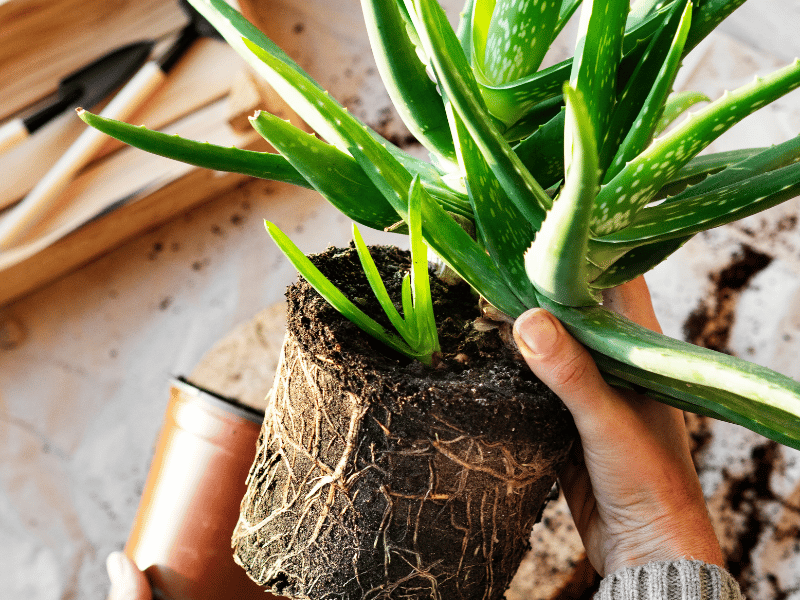
- Loosen the soil around the Aloe Vera to make pup removal easier.
- Ensure the soil is dry, as excess moisture can lead to root rot.

Step 2: Separate the Pups
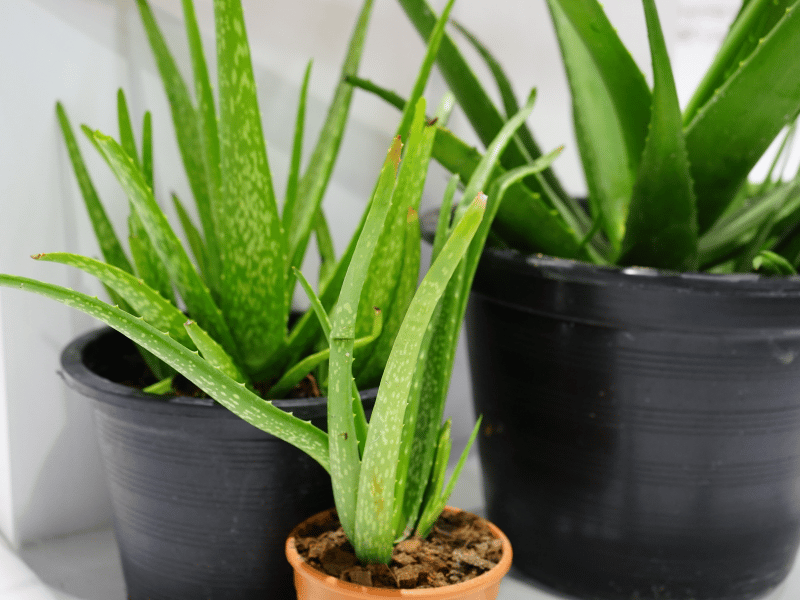
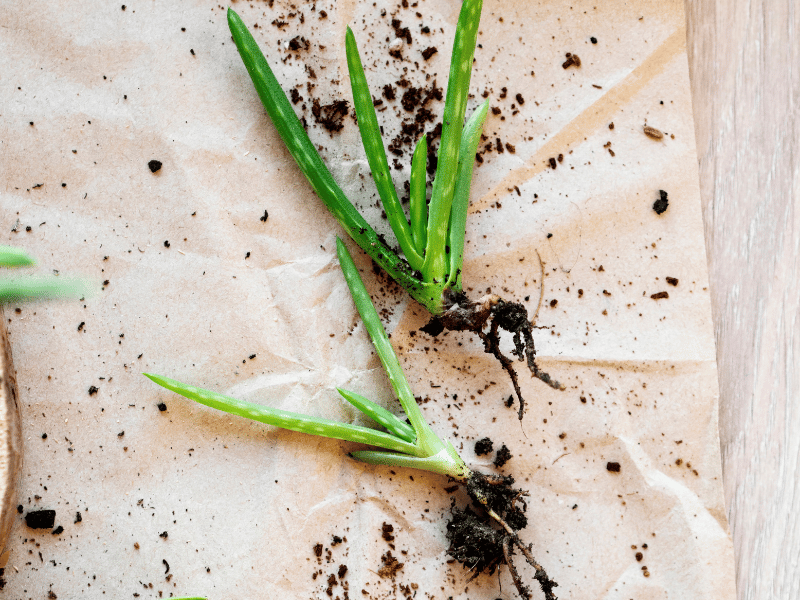
Aloe Vera naturally produces offsets or “pups”—small clones growing at its base. To separate them:
- Carefully grasp each pup and pull it away from the parent plant.
- If needed, use clean gardening shears to cut the pup off.
- Trim any excess roots that appear damaged or weak.
Step 3: Replant the Pups
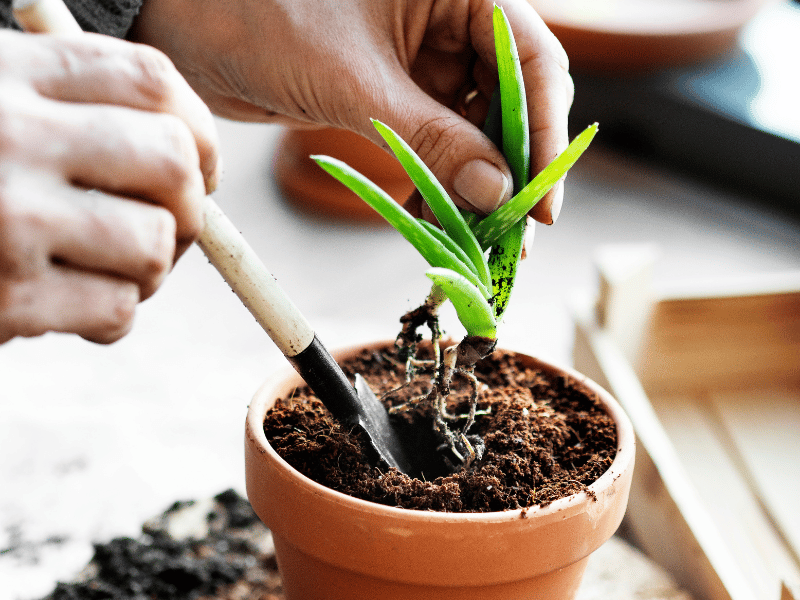
Transplant pups into well-draining soil such as cactus mix or succulent soil. Avoid crowding the plants, as they need air circulation.
- Use small containers with drainage holes.
- Lightly water after planting but avoid overwatering.
Step 4: Care for Newly Planted Aloe Vera Pups
New Aloe Vera plants need proper care to establish strong roots.
Watering Tips:
- Water sparingly (every 2-3 weeks).
- Allow soil to dry out between waterings.
- Avoid excess moisture, which causes root rot.
Sunlight Requirements:
- Keep in bright, indirect sunlight.
- Avoid placing in direct sun immediately after transplanting.
Fertilization:
- Wait until pups are well-established before adding fertilizer.
- Use a diluted succulent fertilizer once a month during the growing season.
Common Problems in Aloe Vera Propagation
1. Root Rot & Overwatering
- Caused by excessive moisture.
- Use well-draining soil and water only when needed.
2. Wilting or Yellowing Leaves
- May indicate too much water or poor soil.
- Adjust watering schedule and ensure good drainage.
3. Pest Infestations (Aphids, Mealybugs, Spider Mites)
- Inspect plants regularly.
- Treat with neem oil or insecticidal soap.
4. Poor Growth
- Aloe Vera grows slowly in the first few weeks.
- Ensure the plant receives adequate sunlight and nutrients.
Tips for Successful Aloe Vera Propagation
- Choose Healthy Parent Plants: Look for strong, established Aloe Vera plants with multiple pups.
- Use the Right Soil: A well-draining, sandy mix prevents root rot.
- Allow Pups to Dry Before Planting: Let pups sit in a dry location for a day to reduce transplant shock.
- Prune Dead Leaves Regularly: This encourages healthy growth and prevents disease.
FAQs About Aloe Vera Propagation
Can you root Aloe Vera cuttings in water?
Yes, but soil propagation is more effective. Water propagation can lead to weaker root systems.
How long does it take for Aloe Vera pups to root?
Newly planted pups develop roots within 2-4 weeks under ideal conditions.
Can Aloe Vera grow without soil?
No, Aloe Vera requires well-draining soil to thrive.
Should you fertilize Aloe Vera pups?
Yes, but wait at least a month before applying a diluted succulent fertilizer.
Propagating Aloe Vera is an easy and rewarding process. By following the right steps—preparing the plant, separating pups, and providing proper care—you can successfully grow new Aloe Vera plants at home.
With minimal maintenance and the right soil conditions, your Aloe Vera garden will thrive, providing medicinal and decorative benefits for years to come!