When you think of sage, you might picture a savory roast or holiday stuffing – but this hardy herb offers so much more.
Sage (Salvia officinalis) is a true multi-tasker in the kitchen, garden, and even your natural cleaning routine.
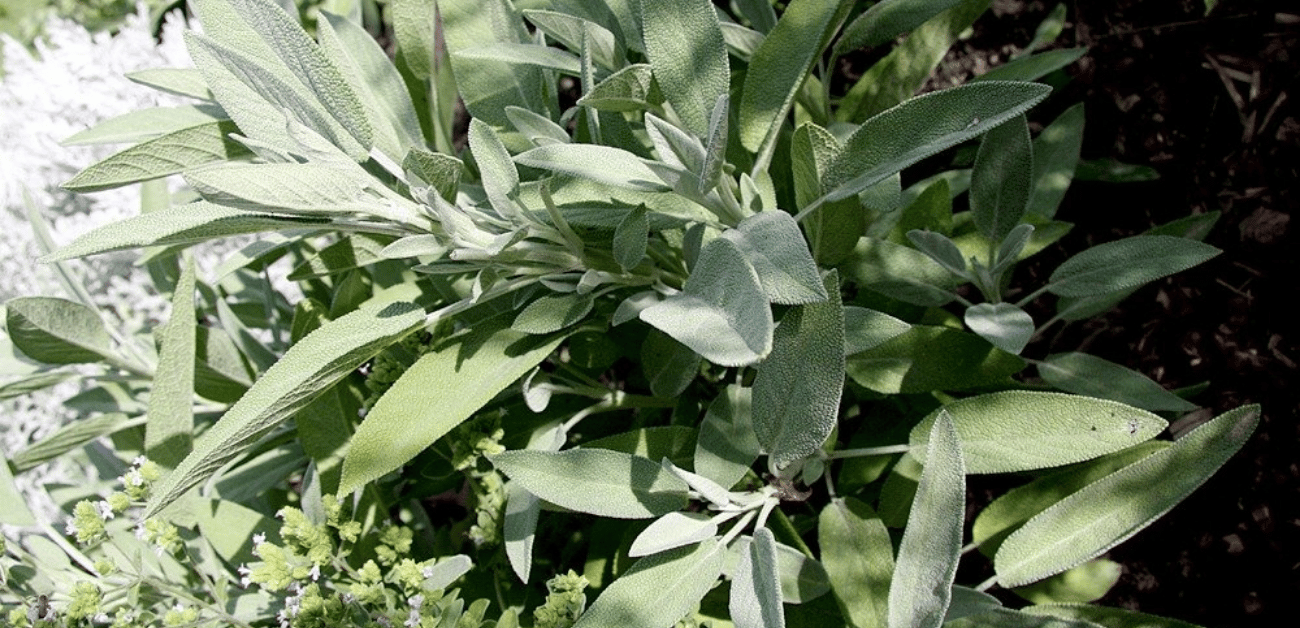
Originally from the Mediterranean, sage thrives in hot, dry conditions where other plants might wither. Its silvery-green leaves and earthy aroma make it a staple not only in culinary dishes but also in home remedies, crafts, and natural household products.
If you’re looking for an herb that’s flavorful, low-maintenance, and incredibly useful, sage belongs in your garden and your life. Let’s explore the many ways to use sage – from delicious recipes to natural wellness tips!
Why Grow Sage in Your Garden?
Sage is one of those plants that practically grows itself. Once established, it requires little care, tolerates drought, and repels pests.
Here’s why gardeners love it:
- Drought Tolerant: Thrives in dry, rocky soils.
- Attracts Pollinators: Bees and beneficial insects love sage flowers.
- Repels Pests: Keeps cabbage moths, carrot flies, and other pests away.
- Perennial Herb: Lives for years in the right climate (Zones 5-9).
- Versatile Uses: From cooking to crafting to natural remedies.
Delicious Culinary Uses for Sage
Sage’s robust, slightly peppery flavor pairs beautifully with savory and even sweet dishes. Let’s dive into how you can incorporate this herb into your kitchen.
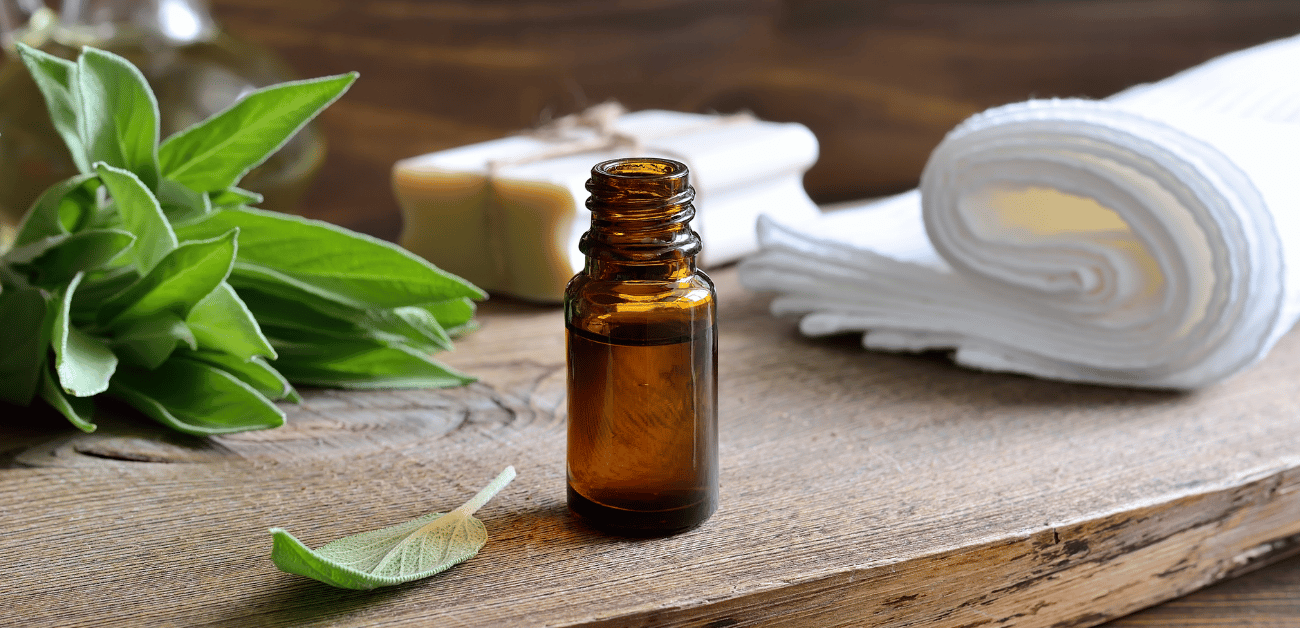
1. Sage-Infused Oil
Sage oil adds a burst of flavor to any dish – without overpowering other ingredients. Drizzle it over pasta, roasted vegetables, or grilled meats for an instant gourmet touch.
How to Make Sage-Infused Oil:
- Use fresh or dried sage leaves.
- Heat olive oil gently with sage leaves for 5-10 minutes.
- Let cool, then strain out leaves.
- Store in an airtight glass bottle away from sunlight.
This fragrant oil elevates poultry dishes, roasted potatoes, or even simple bread dipping oil.
2. Sage Butter
Homemade sage butter is incredibly versatile. Melt it over:
- Roasted chicken
- Steamed vegetables
- Grilled fish
- Fresh pasta
Simply mix softened butter with finely chopped sage, a pinch of salt, and lemon zest for brightness.
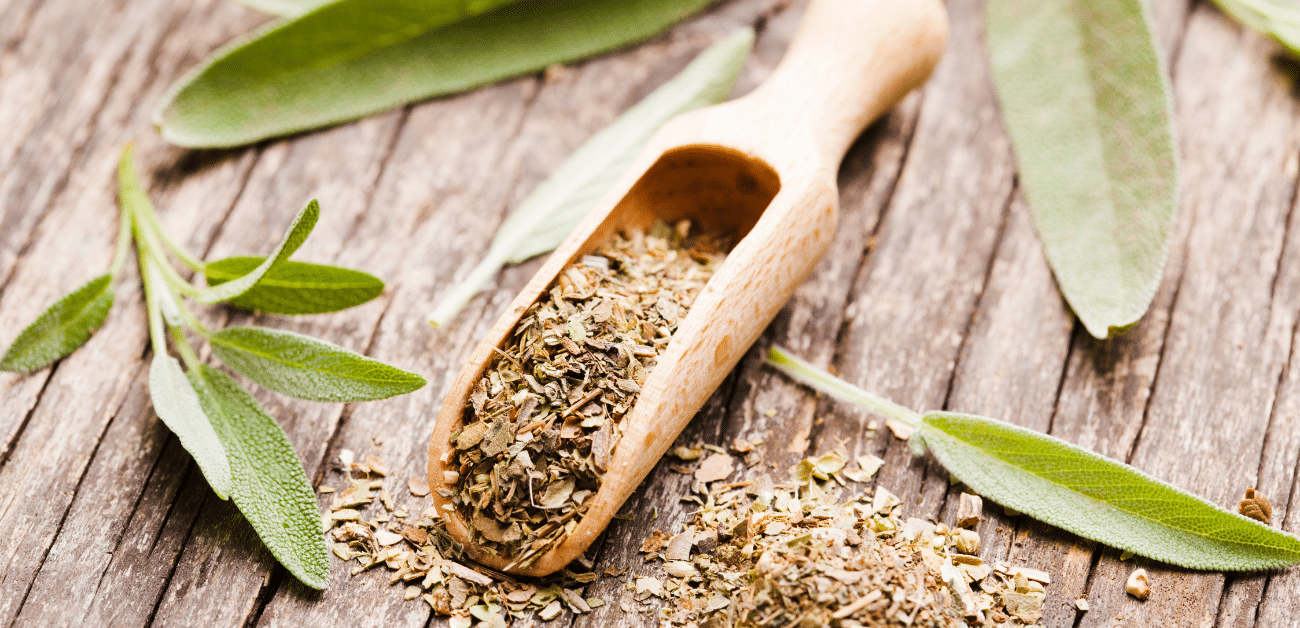
3. Sage Seasoning Salt
Create your own flavorful salt blend for sprinkling over roasted veggies, meats, or homemade breadsticks.
Recipe:
- 1 cup coarse sea salt
- ½ cup dried sage leaves
- ½ cup dried rosemary leaves
- 2 tbsp black peppercorns
Pulse in a food processor until the texture resembles fine sand. Bake at 250°F for 15 minutes to remove moisture. Store in an airtight jar for up to six months.
4. Sage in Salads
Though not common in most salads, sage pairs beautifully with certain ingredients. Try it chopped finely and tossed with:
- Pear slices
- Toasted walnuts
- Soft goat cheese
- A light honey vinaigrette
This creates a salad that’s earthy, sweet, and full of texture.
5. Sage in Soups
Sage adds a rich, earthy dimension to soups and stews, especially during colder months. It pairs wonderfully with:
- Butternut squash soup
- Creamy mushroom soup
- Chicken noodle soup
Simmer a couple of sage sprigs in your broth for a savory depth of flavor.
6. Sage in Sauces
Use sage in creamy sauces like:
- Bechamel sauce for pasta
- Brown butter sage sauce for gnocchi
- Sage cream sauce over pork chops
Its aromatic oils elevate simple sauces into gourmet fare.
7. Sage Bread
Add chopped fresh sage (and maybe rosemary) to your bread dough. The result?
- Fragrant loaves
- Wonderful with soups
- Excellent toasted with butter
8. Sage in Desserts
Believe it or not, sage pairs well with sweet flavors:
- Apple crumble
- Lemon sage shortbread cookies
- Sage-infused honey over ice cream
Sage’s subtle earthiness complements fruits, nuts, and sweet pastry doughs.
9. Sage Drinks
Sage makes a fantastic addition to drinks, both hot and cold.
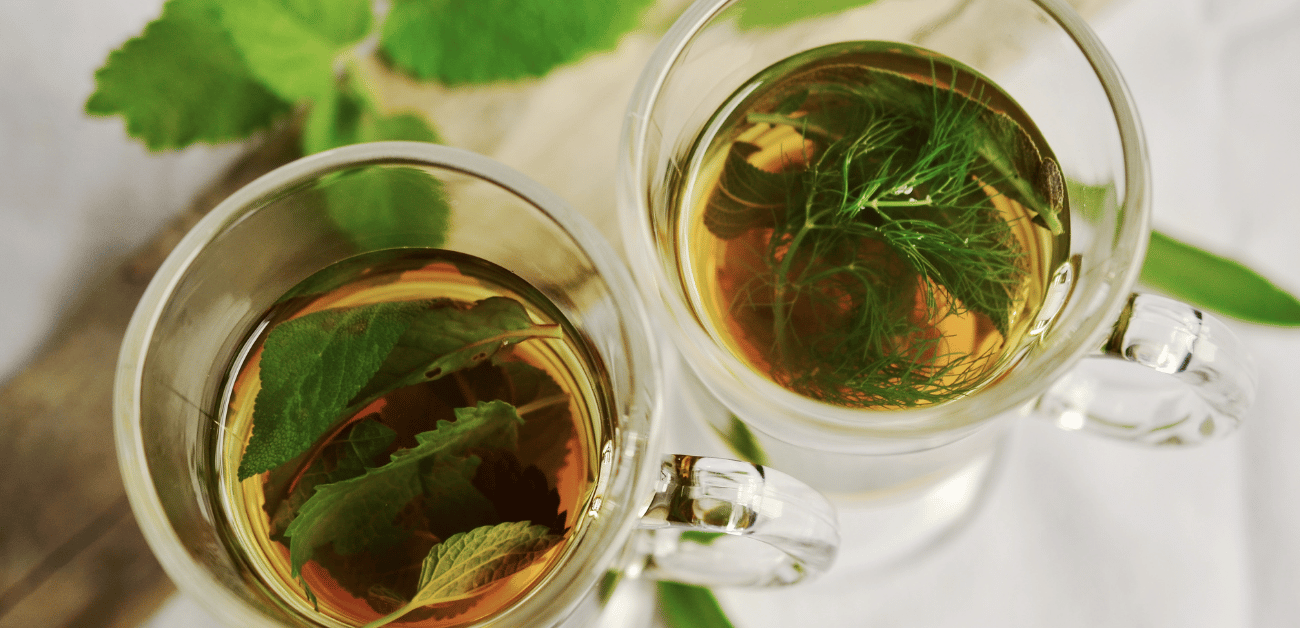
- Herbal Tea: Soothes sore throats and calms digestion.
- Infused Water: Fresh sage and citrus slices make refreshing summer water.
- Cocktails: Try a Tequila Sage Smash or sage-infused gin cocktails.
Natural and Home Uses for Sage
Sage isn’t just for the kitchen – it’s also a powerful natural remedy and crafting herb. Here are some brilliant ways to use sage around your home.
10. Smudging for Cleansing Spaces
Smudging – burning sage to cleanse negative energy – is a practice rooted in Indigenous traditions. Many people use it to:
- Purify their homes
- Promote relaxation
- Cleanse crystals or sacred spaces
How to Make Your Own Smudge Stick:
- Bundle fresh sage tightly with cotton twine.
- Hang to dry in a cool, dark place for 1-2 weeks.
- Once dry, light the tip and gently wave the smoke around your space.

11. Natural All-Purpose Cleaner
Sage’s antibacterial properties make it excellent for natural cleaning.
DIY Sage All-Purpose Cleaner:
- 2 cups white vinegar
- ½ cup isopropyl alcohol
- 1 cup water
- Handful of fresh sage leaves
- 1 drop dish soap
Combine vinegar and sage leaves in a jar. Let sit for two weeks to infuse. Strain out leaves, then mix with water, alcohol, and dish soap. Pour into a spray bottle for a fresh, herb-scented cleaner.
12. Sage Candles
If burning sage sticks isn’t ideal for you, try making sage candles for a gentle, woodsy fragrance.
How to Make Sage Candles:
- Melt soy wax or beeswax over a double boiler.
- Stir in dried sage leaves and essential oil if desired.
- Pour into containers with pre-set wicks.
- Let cool and trim wick.
These make wonderful gifts and add a cozy scent to your home.

13. Sage Wreath
Create a fragrant wreath to decorate your door or kitchen. Simply:
- Wire sage sprigs onto a grapevine wreath base.
- Add rosemary, thyme, or lavender for color.
- Let dry for a rustic, herbal decor piece.
Whenever guests arrive, crush a few leaves for a burst of welcoming scent.
14. Sage Cough Remedy
Sage is a time-tested herbal remedy for sore throats and coughs.
Sage Cough Syrup:
- 2 tsp chopped fresh sage
- 2 cups water
- 1 tbsp honey
- 2 tbsp apple cider vinegar
Boil sage in water for 30 minutes. Strain, then stir in honey and vinegar. Cool and store in a jar. Take 1 tsp as needed.
Sage’s natural antiseptic and anti-inflammatory properties help soothe irritated throats.
Growing Sage: Tips for a Thriving Plant
Sage is incredibly easy to grow – even if you’re a beginner gardener.
Here’s how to cultivate a thriving sage plant at home:
- Sunlight: Sage loves full sun – at least 6 hours daily.
- Soil: Prefers well-draining, sandy soil.
- Watering: Let soil dry slightly between watering; avoid soggy roots.
- Pruning: Regular harvesting encourages bushier growth.
- Winter Care: In cold climates, protect sage with mulch or grow it in pots you can bring indoors.
Harvesting and Preserving Sage
- Harvest sage leaves anytime, but flavor is strongest just before flowering.
- Dry leaves in bunches upside-down in a cool, airy spot.
- Store dried sage in airtight jars away from light.
Sage’s Medicinal Benefits
Beyond its culinary appeal, sage boasts impressive health benefits:
- Antimicrobial properties
- May help soothe sore throats
- Anti-inflammatory for digestive relief
- Supports cognitive function
However, always consult a healthcare provider before using sage medicinally, especially in concentrated forms or supplements.
Sage is far more than just a culinary herb – it’s a multi-purpose plant offering beauty, flavor, healing, and fragrance.
Whether you’re infusing oils, crafting smudge sticks, or whipping up herbal butter, sage delivers endless possibilities.