Oregano is a powerful and fragrant herb that has been valued for thousands of years for both its culinary and medicinal uses.
Native to the Mediterranean region, oregano is now grown worldwide and recognized not only for its robust flavor but also for its incredible health benefits, pest-repelling properties, and garden-friendly nature.
Whether you’re an experienced gardener or a beginner looking for easy-to-grow plants, oregano is a must-have herb that deserves a place in every home garden.
In this detailed guide, we’ll explore 10 compelling reasons why you should grow oregano, covering everything from its flavor and versatility to its health benefits and ability to enhance your garden ecosystem.
Plus, we’ll show you exactly how to grow oregano at home – indoors or outdoors – for a thriving, low-maintenance herb garden.
How to Grow Oregano at Home
Oregano is a hardy and resilient herb that can be grown easily in containers, garden beds, or windowsills.
Here’s a simple step-by-step guide to growing oregano at home:
Choose the Right Variety:
- Origanum vulgare (Common oregano) is most widely grown for culinary use.
- Greek oregano (Origanum heracleoticum) has a stronger, spicier flavor.
- Italian oregano is a hybrid between oregano and marjoram, ideal for Mediterranean cuisine.
Planting:
- Seeds: Start indoors 6–10 weeks before the last frost or sow directly after frost risk passes.
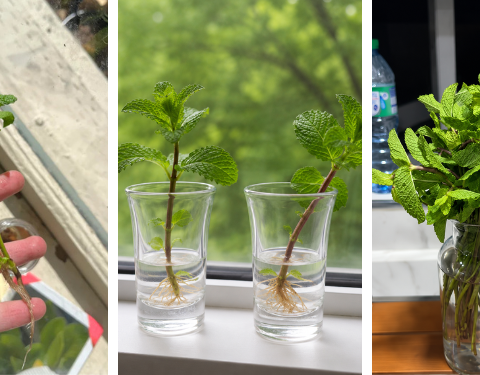
- Cuttings: Take a 4–6 inch stem from an established plant and root in water or moist soil.
- Spacing: Allow 12–18 inches between plants for proper air circulation.
Soil:
- Well-draining, slightly alkaline soil with pH between 6.5 and 8.0
- Avoid overly rich soil, which can reduce flavor intensity
Light:
- Requires 6+ hours of full sunlight daily
- Indoors: place near a sunny south-facing window or use grow lights
Water:
- Allow soil to dry slightly between waterings
- Avoid overwatering; oregano prefers drier conditions once established
Pruning:
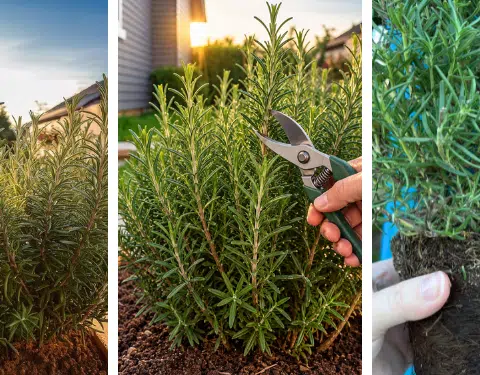
- Regularly pinch off tips to encourage bushy growth
- Harvest leaves before flowering for best flavor
- Cut stems back to about 2/3 height after flowering to promote regrowth
Overwintering:
- In colder climates, mulch around outdoor plants or bring containers inside
- Indoors, reduce watering during winter dormancy but provide light
1. Oregano Is Incredibly Easy to Grow
Oregano is a hardy perennial herb that requires minimal maintenance and thrives in a wide range of growing conditions.
It does well in poor soil, tolerates drought once established, and is resistant to many pests and diseases.
You can grow oregano in garden beds, raised beds, or containers, making it ideal for balconies, patios, and even indoor windowsills.
It prefers full sun but will tolerate light shade, and once established, it returns year after year with very little care.
2. Oregano Adds Amazing Flavor to Dishes
Known for its bold and slightly peppery flavor, oregano is a staple herb in Mediterranean, Italian, and Mexican cuisine.
It enhances the taste of tomato sauces, pizzas, pastas, grilled meats, salads, soups, and roasted vegetables.
Fresh oregano leaves can be added at the end of cooking or used raw in marinades and dressings, while dried oregano intensifies in flavor and can be used in spice rubs or seasoning blends.
Having fresh oregano readily available in your garden allows you to enjoy the herb at its most flavorful and aromatic.
3. Oregano Is Packed With Antioxidants and Nutrients
Oregano is one of the most antioxidant-rich herbs, offering protection against free radicals and oxidative stress.
It contains high levels of phenolic compounds such as thymol and carvacrol, which have been shown to support immune function and reduce inflammation.
It’s also rich in vitamins and minerals, including vitamin K, vitamin E, calcium, iron, and manganese. Just a sprinkle of oregano can boost the nutritional content of your meals.
4. Oregano Has Potent Antibacterial and Antiviral Properties
Oregano is widely studied for its natural antibacterial and antiviral effects. The essential oils in oregano, especially carvacrol, are known to inhibit the growth of harmful bacteria and viruses.
Oregano oil is often used as a natural remedy for sore throats, sinus infections, digestive issues, and skin conditions. Growing your own oregano gives you access to a fresh supply for home remedies, teas, and infusions.
5. Oregano Supports Digestive Health
Traditionally used as a digestive aid, oregano helps stimulate the production of bile and digestive enzymes, making it easier for the body to break down fats and absorb nutrients.
It also has mild carminative properties, which means it can help reduce gas, bloating, and indigestion.
Drinking oregano tea or chewing a few fresh leaves can soothe the stomach and support gut health.
6. Oregano Deters Pests Naturally
Oregano acts as a natural pest repellent in the garden. Its strong aroma deters many common insect pests, including aphids, cabbage moths, and spider mites.
Planting oregano near other vegetables or herbs can help protect them from pests, making it a valuable companion plant. You can also use oregano leaves in DIY insect repellents or garden sprays.
7. Oregano Attracts Pollinators and Beneficial Insects
When oregano flowers, it produces clusters of small, nectar-rich blooms that attract bees, butterflies, and other pollinators.
These flowers are also visited by predatory insects like lacewings and parasitic wasps, which help control garden pests.
Growing oregano not only benefits your own harvest but also contributes to the overall health of your garden ecosystem.
8. Oregano Is a Beautiful Ground Cover or Edging Plant
Oregano isn’t just functional – it’s also an attractive plant with soft green leaves and delicate pink or purple flowers.
Low-growing varieties like creeping oregano make excellent ground covers or edging plants for borders and pathways.
Their spreading habit and drought resistance make them ideal for xeriscaping, rock gardens, and low-maintenance landscaping.
9. You Can Easily Preserve Oregano for Year-Round Use
Oregano dries well and retains much of its flavor and aroma. Simply harvest stems, bundle them, and hang them upside down in a dark, dry place. Once dry, remove the leaves and store them in airtight containers.
You can also freeze oregano leaves in olive oil or water using ice cube trays. Preserving your oregano ensures you have a year-round supply, even in winter when the plant may go dormant.
10. Growing Oregano Saves Money
Store-bought fresh and dried herbs can be expensive, especially if you cook with them regularly. By growing oregano at home, you have an endless, free supply of one of the most useful herbs in the kitchen.
It’s a one-time investment that continues to give back every season. Even a small oregano plant can produce more than enough for regular culinary use, and any excess can be dried or shared with friends and neighbors.
Oregano is a true garden powerhouse. It’s flavorful, medicinal, pest-resistant, pollinator-friendly, and practically maintenance-free.
Whether you’re planting a culinary herb garden, looking to attract bees, or wanting to boost your immunity naturally, oregano is one of the smartest plants to grow.