Growing jasmine from cuttings is one of the most rewarding ways to propagate this beautifully fragrant plant.
Whether you’re a gardening beginner or a seasoned green thumb, learning how to multiply jasmine from stem cuttings will help you fill your garden with its intoxicating scent, save money, and ensure your plants grow true to type.
In this comprehensive guide, we’ll walk you through every step of the process – from selecting healthy cuttings and rooting them successfully to transplanting and caring for your new jasmine plants. Let’s dig in.
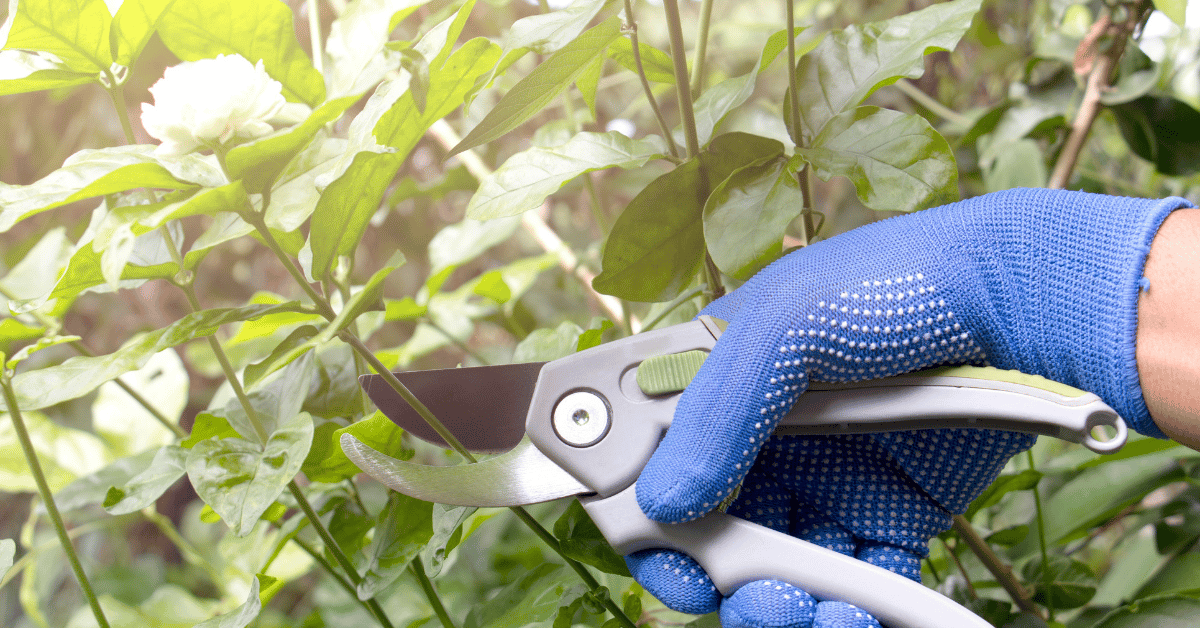
Why Grow Jasmine from Cuttings?
There are several ways to propagate jasmine – by seed, layering, or division – but growing jasmine from cuttings is the fastest and most reliable method.
Here’s why:
- Quicker than seeds: Cuttings root in a few weeks, while seeds may take months to germinate and bloom.
- True to parent: Seed-grown jasmine can vary. Cuttings ensure genetic consistency.
- Cost-effective: No need to purchase multiple plants; one mother plant can yield dozens.
- Ideal for gardeners in all zones: Indoor rooting allows year-round propagation.
Best Time to Take Jasmine Cuttings
Timing is crucial for successful propagation. The best time to take jasmine cuttings is during the plant’s active growth period – late spring through early summer.
At this stage:
- Stems are green and flexible, not too woody
- Plants have high energy for rooting
- Warm temperatures speed up rooting
Avoid taking cuttings in fall or winter when jasmine goes dormant.
Types of Jasmine You Can Propagate from Cuttings
Nearly all true jasmine species can be propagated this way. Here are some of the most popular varieties:
| Jasmine Variety | Description | Growth Habit |
|---|---|---|
| Common Jasmine (Jasminum officinale) | Strong fragrance, white blooms | Climbing vine |
| Arabian Jasmine (Jasminum sambac) | National flower of the Philippines; intensely fragrant | Bushy shrub |
| Star Jasmine (Trachelospermum jasminoides) | Not a true jasmine, but roots easily | Vine/groundcover |
| Winter Jasmine (Jasminum nudiflorum) | Yellow flowers, blooms in winter | Arching shrub |
1. Select a Healthy Mother Plant
Choose a vigorous, disease-free jasmine plant with lush green leaves. Look for stems that are:
- 4–6 inches long
- Semi-hardwood (not too soft or too woody)
- Free from flowers or buds (flowers divert energy away from rooting)
Avoid stems with discoloration, insects, or signs of fungal issues.
2. Gather Your Tools
Before cutting, gather the following supplies:
- Clean, sharp pruning shears or garden scissors
- Rooting hormone (optional, but highly recommended)
- Potting mix or propagation medium
- Small pots or seed trays with drainage holes
- Plastic bag or humidity dome
- Spray bottle
- Labels and marker (optional)
Sterilize your tools with rubbing alcohol to avoid spreading pathogens.
3. Take the Cutting
Follow these steps:
- Cut the stem just below a node (the spot where leaves attach)
- Make a diagonal cut to increase surface area for rooting
- Remove lower leaves, leaving 2–3 at the top
- Strip any flowers or buds
You should end up with a 4–6 inch cutting with bare nodes ready for rooting.
4. Apply Rooting Hormone (Optional but Helpful)
Dip the cut end into a rooting hormone powder or gel to encourage faster, stronger root development and prevent rot. Shake off any excess.
This step boosts success, especially for harder-to-root varieties.
Best Growing Medium for Jasmine Cuttings
Jasmine cuttings root best in a moist, well-draining medium that allows for air circulation and moisture retention.
Ideal mixes include:
- 1 part peat moss + 1 part perlite
- 1 part coco coir + 1 part sand
- Vermiculite or perlite alone
Avoid garden soil – it’s too dense and can harbor disease.
How to Root Jasmine Cuttings
1. Plant the Cuttings
- Stick the cutting 2–3 inches deep into the growing medium
- Firm the soil around it to hold it upright
- Plant multiple cuttings in a tray, spaced 2 inches apart
2. Create a Humid Environment
Humidity is key for rooting. To maintain moisture:
- Cover the pot or tray with a clear plastic bag or humidity dome
- Use sticks or stakes to prevent the plastic from touching leaves
- Place the setup in bright, indirect light
Avoid direct sun, which can overheat and dry out cuttings.
3. Maintain Moisture and Temperature
- Mist daily or as needed to keep leaves hydrated
- Keep soil moist but not soggy
- Ideal temperature: 70–75°F (21–24°C)
How Long Do Jasmine Cuttings Take to Root?
With proper care, roots typically develop in 2 to 6 weeks, depending on variety and environment.
You’ll know it’s working when:
- New leaf growth appears
- Resistance is felt when gently tugging the stem
Avoid disturbing the cutting before roots form to prevent stress or breakage.
Transplanting Rooted Jasmine Cuttings
Once your cuttings develop strong roots (about 2 inches long):
1. Pot Up the New Plants
- Gently transplant each rooted cutting into a 4-6 inch pot with fresh potting soil
- Water thoroughly
- Place in bright, indirect light to encourage growth
Let the plants grow stronger in pots for 4–6 weeks before planting outdoors.
Planting Jasmine Outdoors
When your rooted cuttings are established, you can transplant them to their final location.
Ideal Conditions:
- Sunlight: 6+ hours of full sun or partial shade (depends on species)
- Soil: Well-draining, loamy soil with pH between 6.0 and 7.5
- Spacing: 3 to 6 feet apart for shrubs; provide trellis support for vines
- Location: Near windows, patios, or entryways to enjoy the scent
Ongoing Jasmine Care Tips
To grow lush, blooming jasmine plants:
Watering:
- Keep soil evenly moist, especially during hot summers
- Allow top inch of soil to dry before watering again
Fertilizing:
- Use balanced fertilizer (10-10-10) monthly in spring and summer
- Switch to phosphorus-rich blend (e.g., 5-10-10) before blooming
Pruning:
- Prune after flowering to shape the plant and remove old growth
- Pinch tips to encourage bushier growth
Pests:
- Watch for aphids, spider mites, and whiteflies
- Spray with neem oil or insecticidal soap if needed
Common Problems When Propagating Jasmine
| Issue | Cause | Solution |
|---|---|---|
| Wilting or rotting | Too much moisture or poor airflow | Improve drainage, remove humidity dome periodically |
| No root development | Low temperature or old stem | Use fresh green cuttings; provide warmth |
| Mold or fungus | Excessive humidity | Ventilate daily; sterilize tools and containers |
| Leaves turning yellow | Overwatering or poor light | Let soil dry slightly between misting; adjust lighting |
Yes, jasmine cuttings can also root in water, although it’s not as reliable as soil propagation.
To do this:
- Place 2–3 cuttings in a glass of clean water
- Remove any submerged leaves
- Change water every 2–3 days
- Keep in a bright, warm spot
Roots may appear within 3–4 weeks. Once they reach 1–2 inches, transplant them into soil.
Bonus Tips for Success
- Take extra cuttings: not all will survive, so plant more than needed
- Label cuttings if propagating multiple varieties
- Combine soil and water methods to compare which works best for your variety
Propagating jasmine from cuttings is a simple, satisfying gardening project that rewards you with more of what you love – fragrant flowers, lush greenery, and the joy of nurturing life from a single stem.