After a long, gray winter, both humans and pollinators crave the return of color, warmth, and life.
The early days of spring are often marked by blooming bulbs – those first signs of life that push through the cold soil with resilience and charm.
And while these flowers brighten our mood, they also serve a vital role in the ecosystem by providing much-needed nectar and pollen to early-emerging bees, butterflies, and other pollinators.
If you’ve ever stepped outside in late winter or early spring and wished your garden could awaken with color, fragrance, and the gentle hum of pollinator activity, the secret lies in fall planting.
Many of the best spring flowers grow from bulbs that are planted in autumn. This includes everything from classic tulips and daffodils to lesser-known pollinator favorites like glory-of-the-snow and reticulated iris.
Let’s explore the best spring-blooming bulbs you can plant to fill your garden with early-season color while giving local bees a much-needed food source.
Why Spring Bulbs Matter for Pollinators
Pollinators such as honeybees, bumblebees, solitary bees, and butterflies begin foraging as soon as temperatures rise above freezing.
However, floral food sources are often scarce at this time. Bulbs are among the first to bloom, making them a critical early-season food source.
By planting a range of bulbs that bloom from early to late spring, you can create a continuous buffet of nectar and pollen for wildlife – while also ensuring your garden is brimming with color when most other plants are still waking up.
Early Spring Bloomers (Late Winter to March)
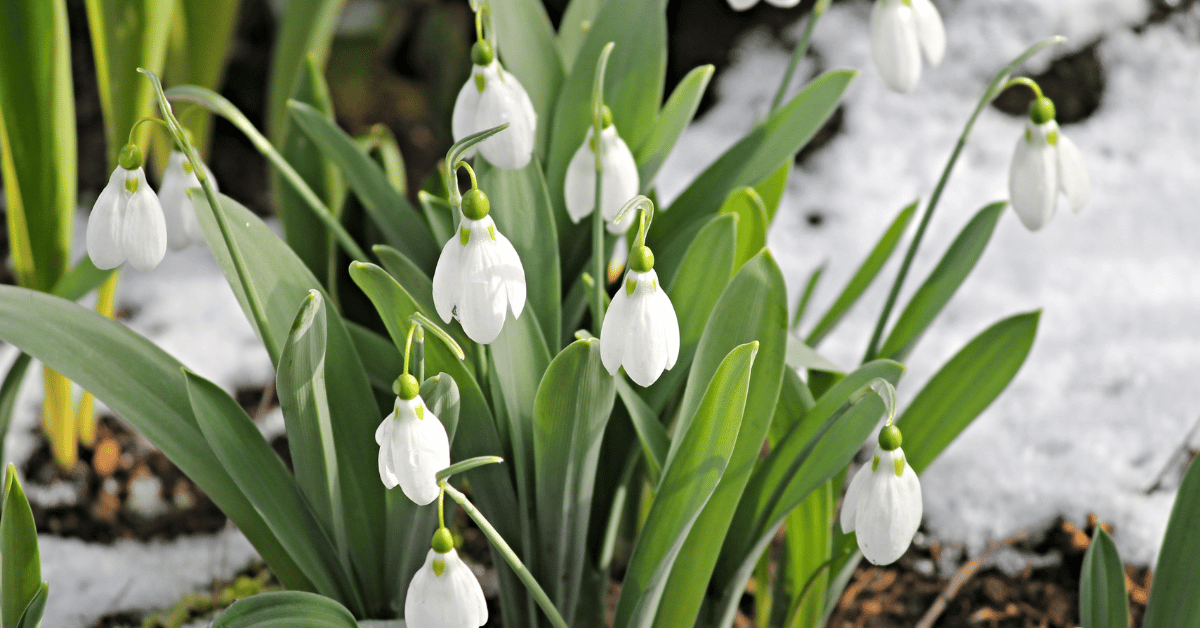
1. Snowdrops (Galanthus nivalis)
These delicate white flowers are often the first to bloom, sometimes pushing through patches of snow. Their drooping bell-shaped petals make them look like nature’s own tear-shaped lanterns.
- Pollinator Benefit: Offers nectar to early-emerging bees
- Height: 4–10 inches
- Light: Full sun to partial shade
- Soil: Moist, well-drained
- Zones: 3–8
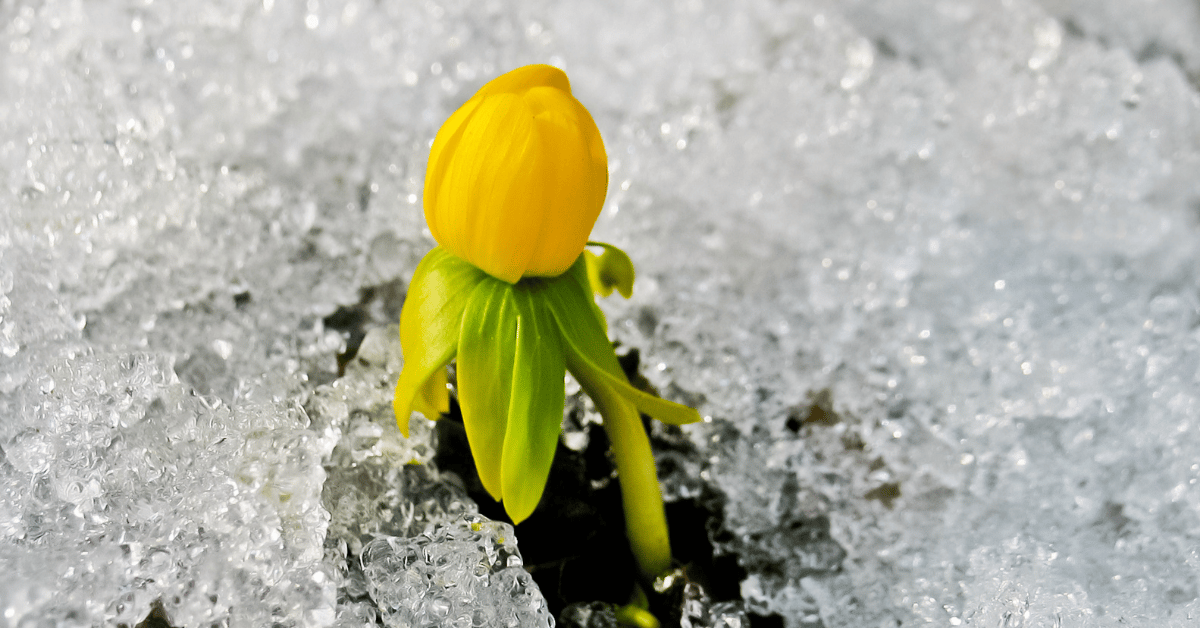
2. Winter Aconite (Eranthis hyemalis)
Golden-yellow and resembling miniature buttercups, winter aconite adds a vibrant pop of color to gray spring days. It grows low to the ground and naturalizes easily.
- Pollinator Benefit: Early nectar source
- Light: Full sun
- Soil: Moist, well-drained
- Zones: 4–7
3. Crocus
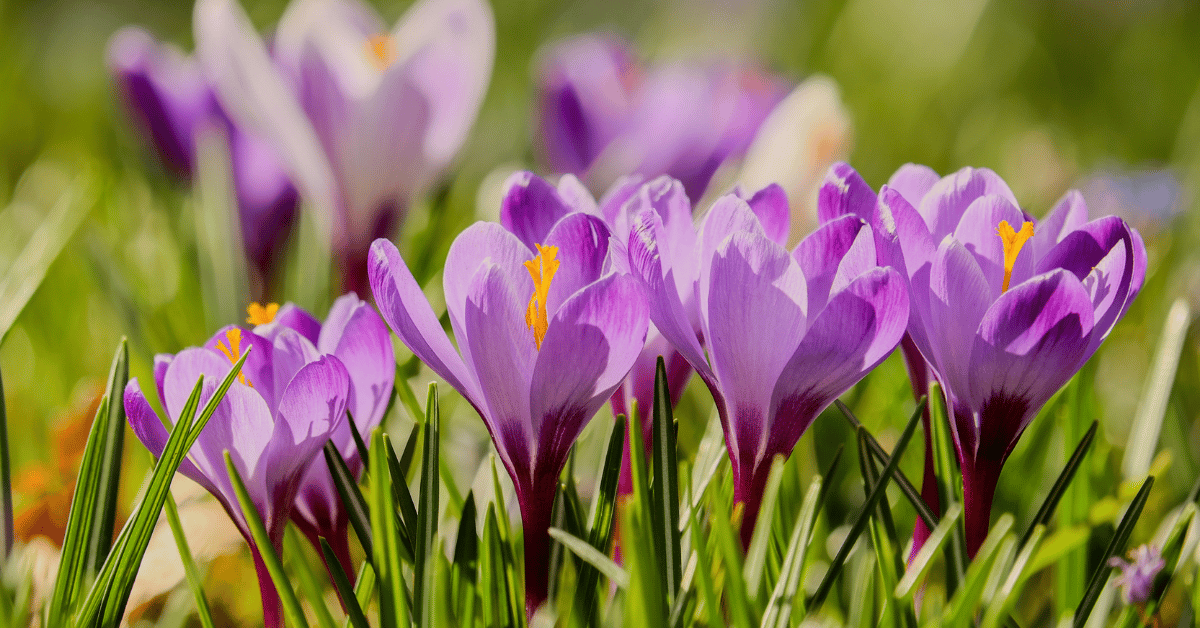
Crocuses burst through the soil in purples, whites, and yellows, often blooming even before the last snow melts. They’re among the most essential early food sources for bees.
- Pollinator Benefit: Vital nectar and pollen in late winter
- Light: Full sun
- Soil: Well-draining
- Zones: 3–8
4. Siberian Squill (Scilla siberica)
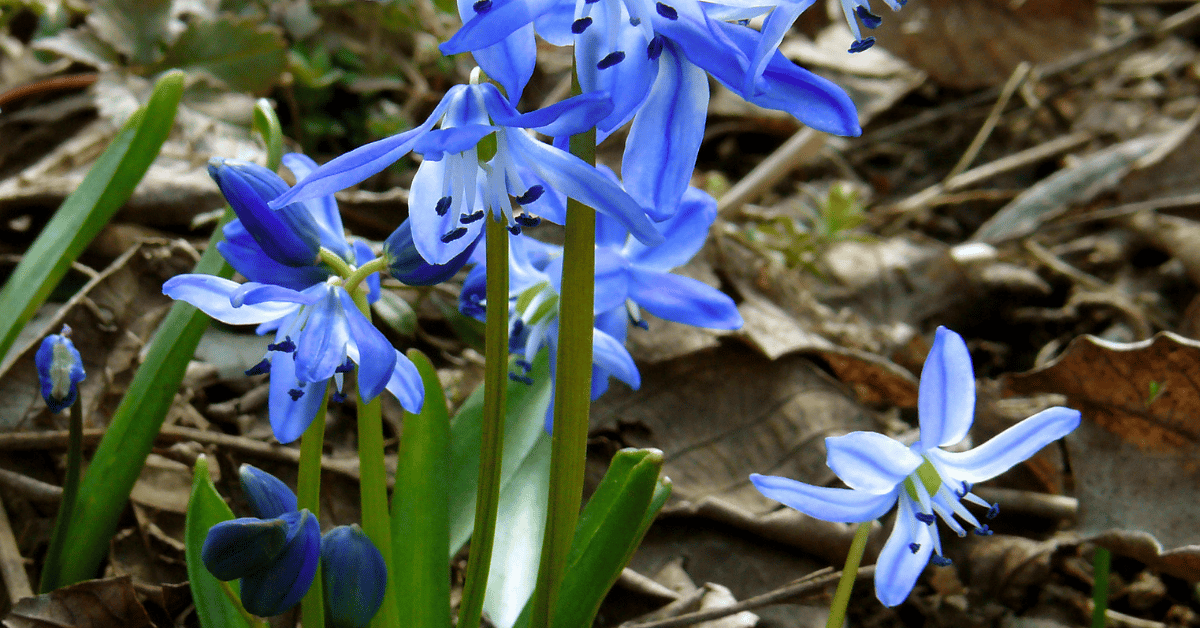
A tough, deer-resistant bulb with intense blue bell-shaped blooms. These spread naturally over time to form carpets of blue.
- Pollinator Benefit: Great for early bumblebees
- Light: Full sun to part shade
- Soil: Moist but not soggy
- Zones: 2–8
5. Glory-of-the-Snow (Chionodoxa)
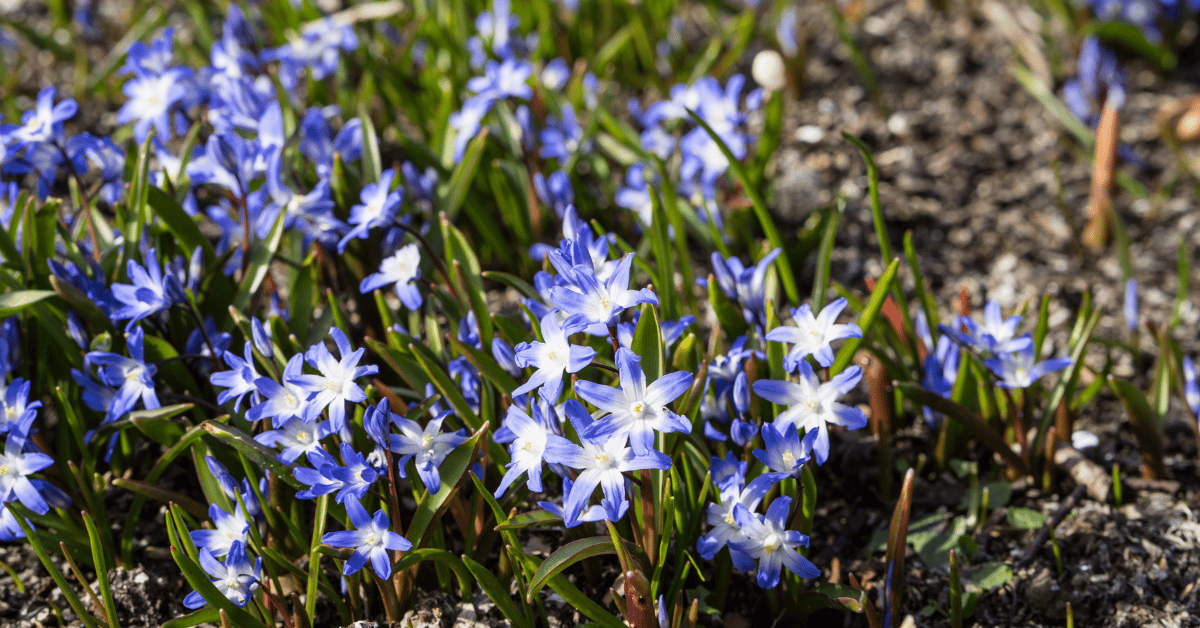
These starlike blooms appear in icy blues or soft whites. They’re small but mighty, thriving in rock gardens, borders, or under deciduous trees.
- Pollinator Benefit: Supplies early nectar
- Light: Full sun or light shade
- Zones: 3–8
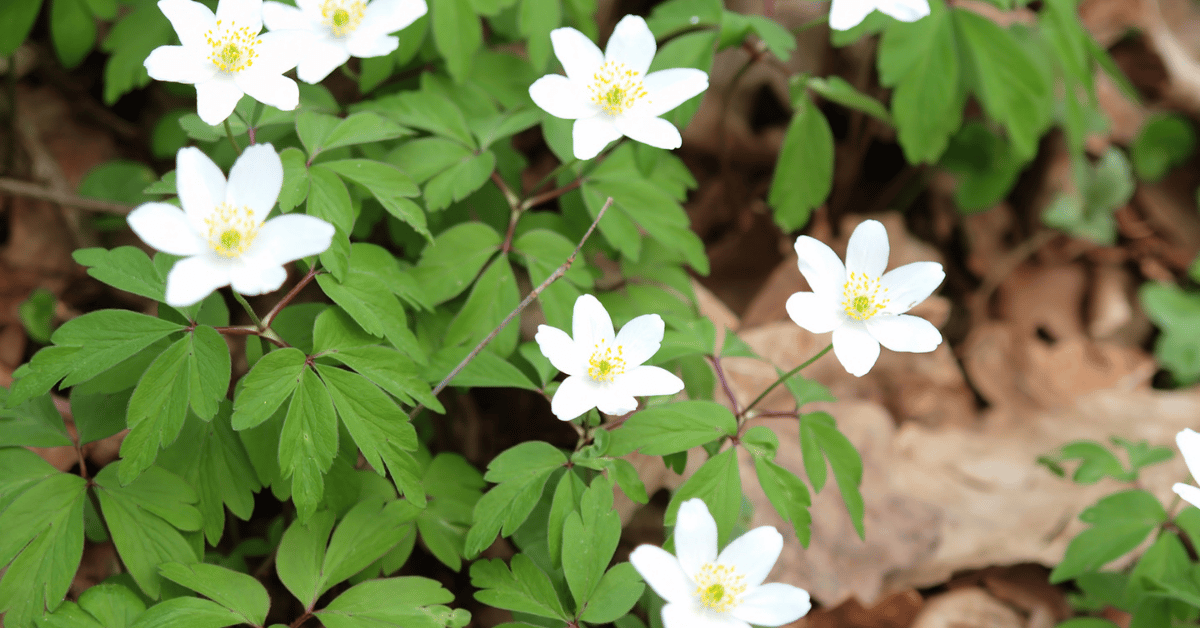
6. Wood Anemone (Anemone nemorosa)
A woodland favorite, this groundcover produces small white or pale pink flowers. It spreads via rhizomes and thrives under trees.
- Pollinator Benefit: Popular with wild bees and hoverflies
- Zones: 4–9
- Light: Dappled sun to shade
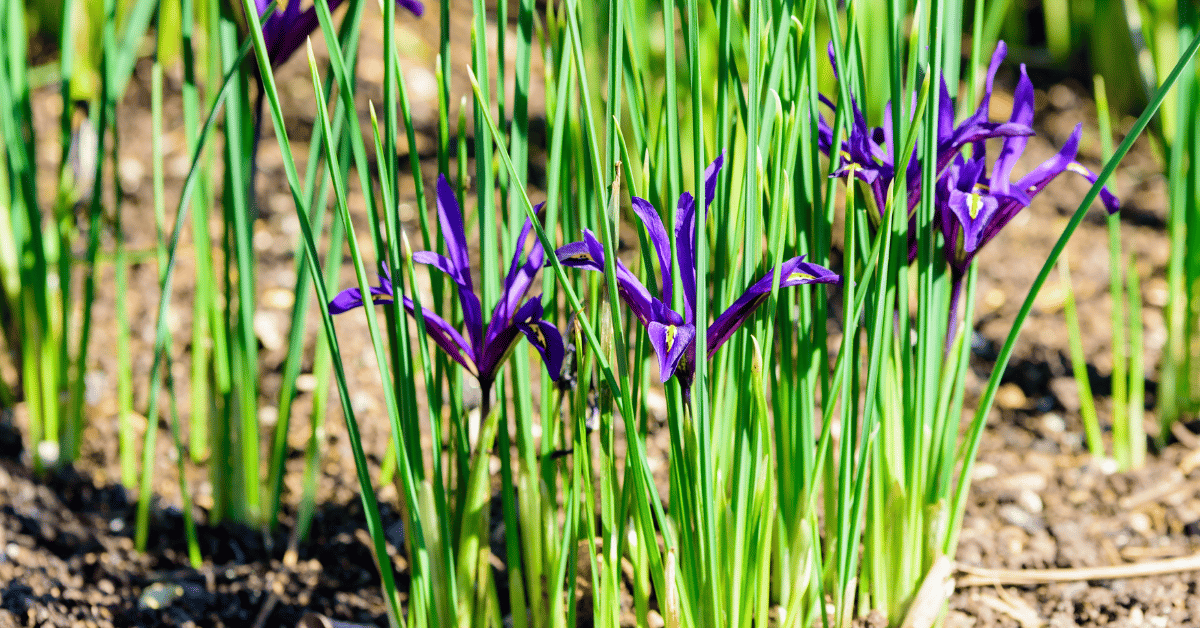
7. Reticulated Iris (Iris reticulata)
Tiny but stunning, this early iris flaunts deep violet or blue blooms edged in gold. Plant in clusters for dramatic effect.
- Pollinator Benefit: Early nectar in sunny rock gardens
- Height: 4–6 inches
- Zones: 4–9
Mid-Spring Bloomers (April to Early May)
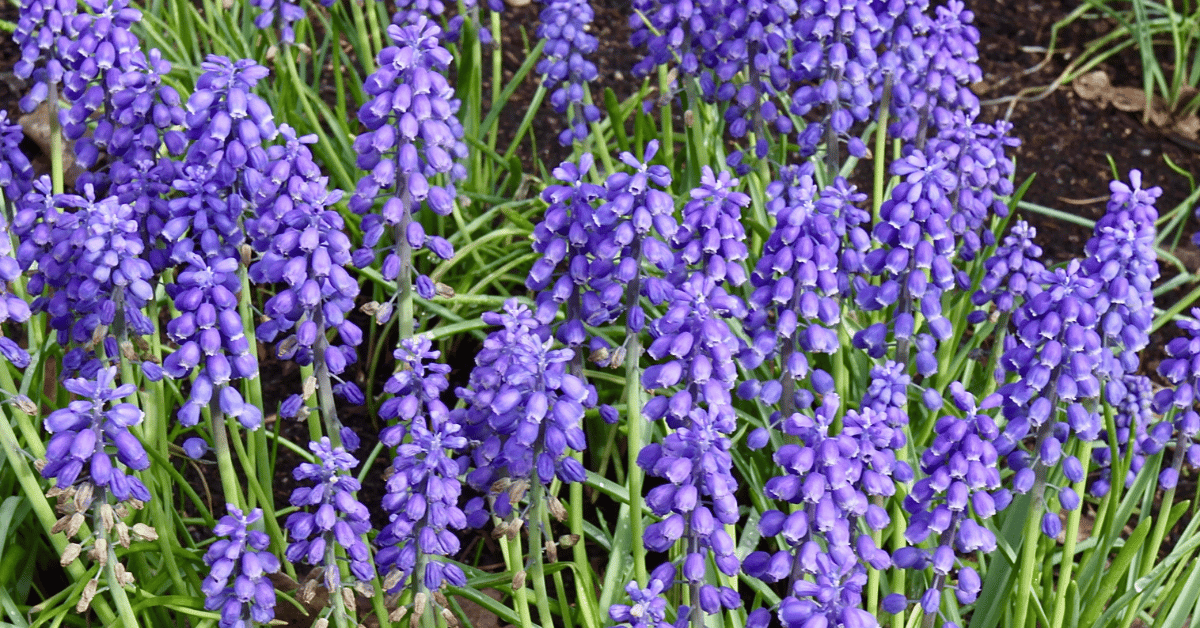
8. Grape Hyacinth (Muscari armeniacum)
These compact, bottlebrush-shaped blooms resemble miniature clusters of grapes. They spread easily and are perfect for edging beds or planting in lawns.
- Pollinator Benefit: Loved by bees
- Light: Full sun
- Height: 6–10 inches
- Zones: 3–9
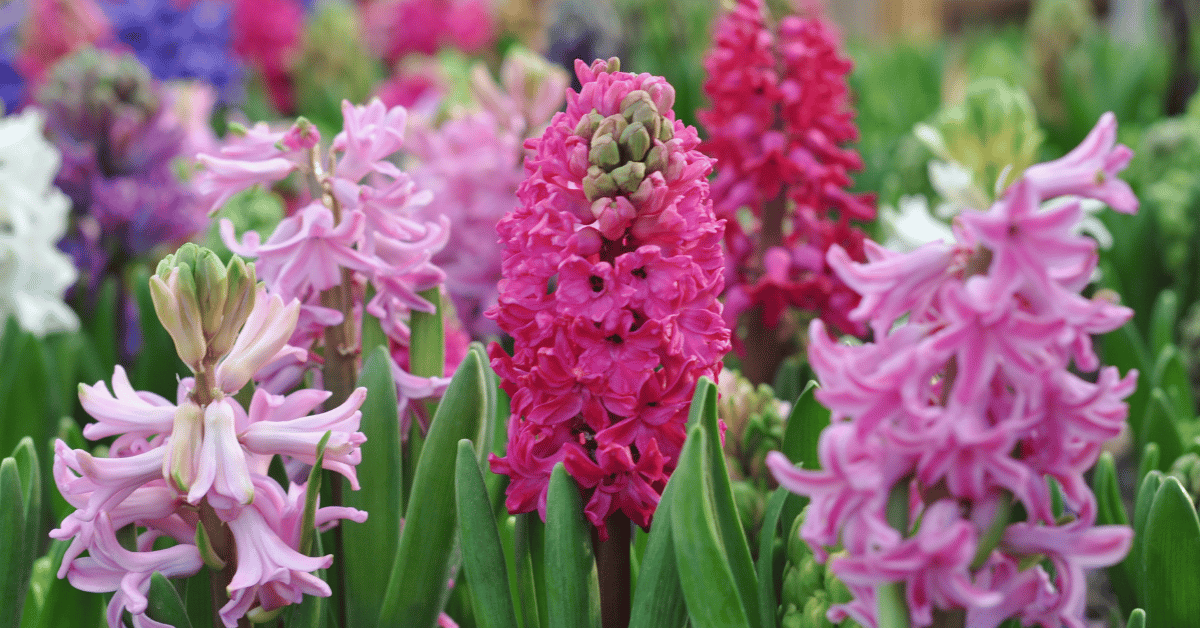
9. Hyacinths (Hyacinthus orientalis)
With dense, fragrant flower spikes, hyacinths come in colors ranging from blue and purple to white and pink. They’re visually stunning and wonderfully aromatic.
- Pollinator Benefit: Attracts bumblebees
- Light: Full sun
- Zones: 4–8
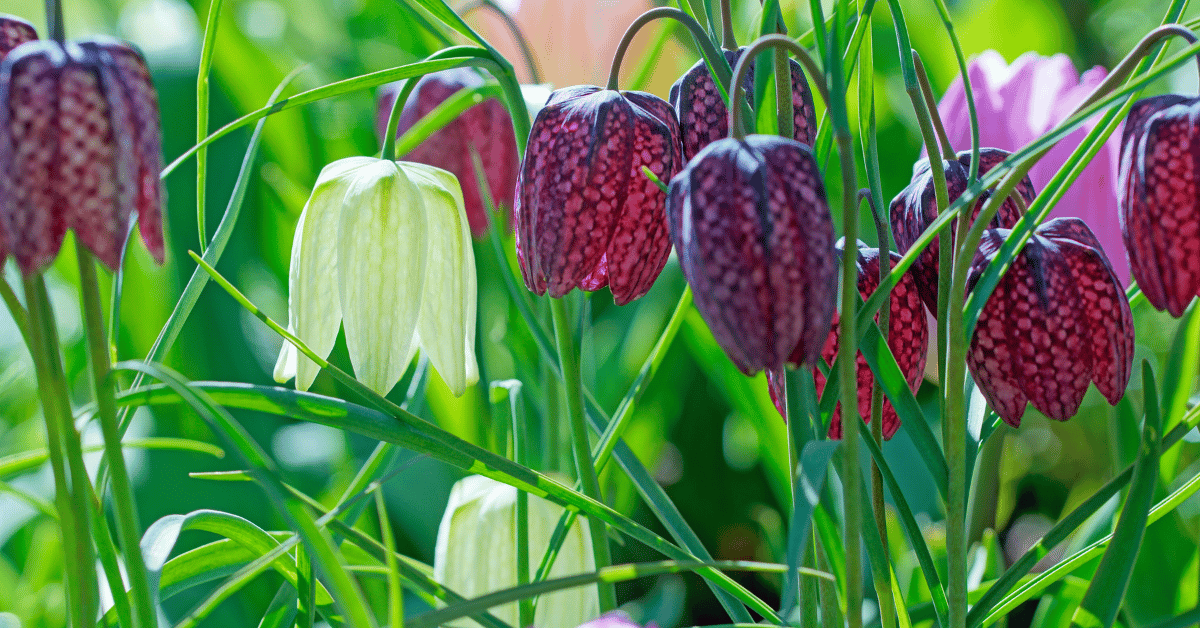
10. Crown Imperial (Fritillaria imperialis)
A dramatic, tall flower that looks like an upside-down tulip topped with a leafy crown. Available in orange, red, and yellow, it adds vertical interest.
- Pollinator Benefit: Bees are drawn to its tubular flowers
- Height: 3–4 feet
- Zones: 5–9
Late Spring Bloomers (May to June)
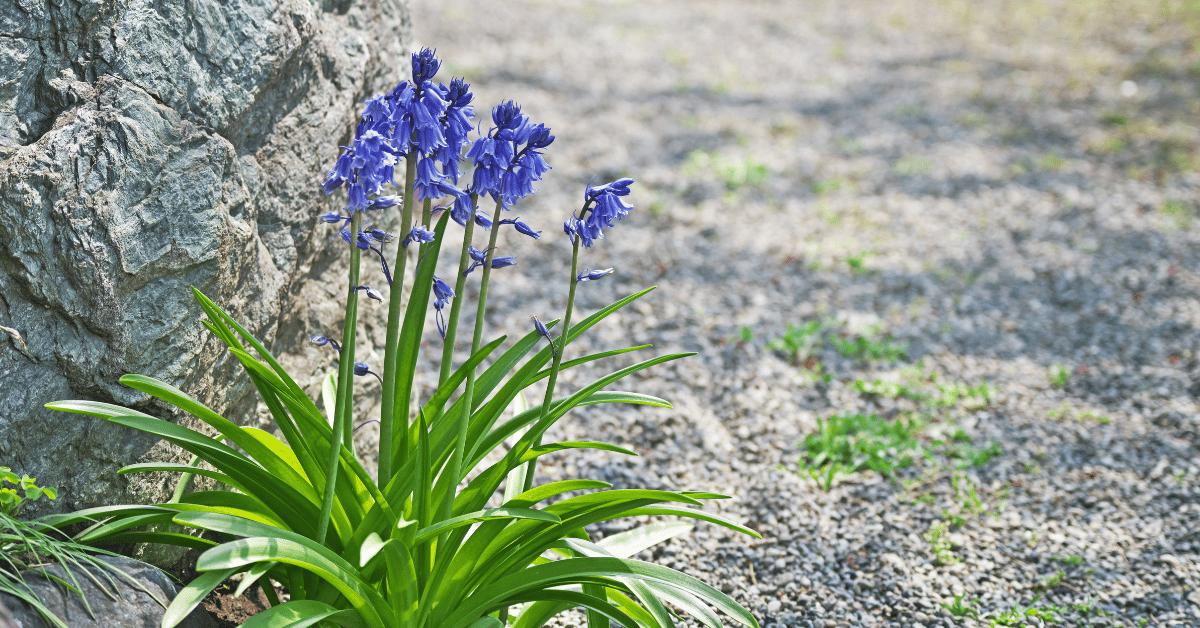
11. Spanish Bluebells (Hyacinthoides hispanica)
Excellent for shady spots under trees, these flowers nod gracefully on tall stalks. Shades include blue, white, and soft pink.
- Pollinator Benefit: Loved by solitary bees
- Height: 12–18 inches
- Zones: 3–8
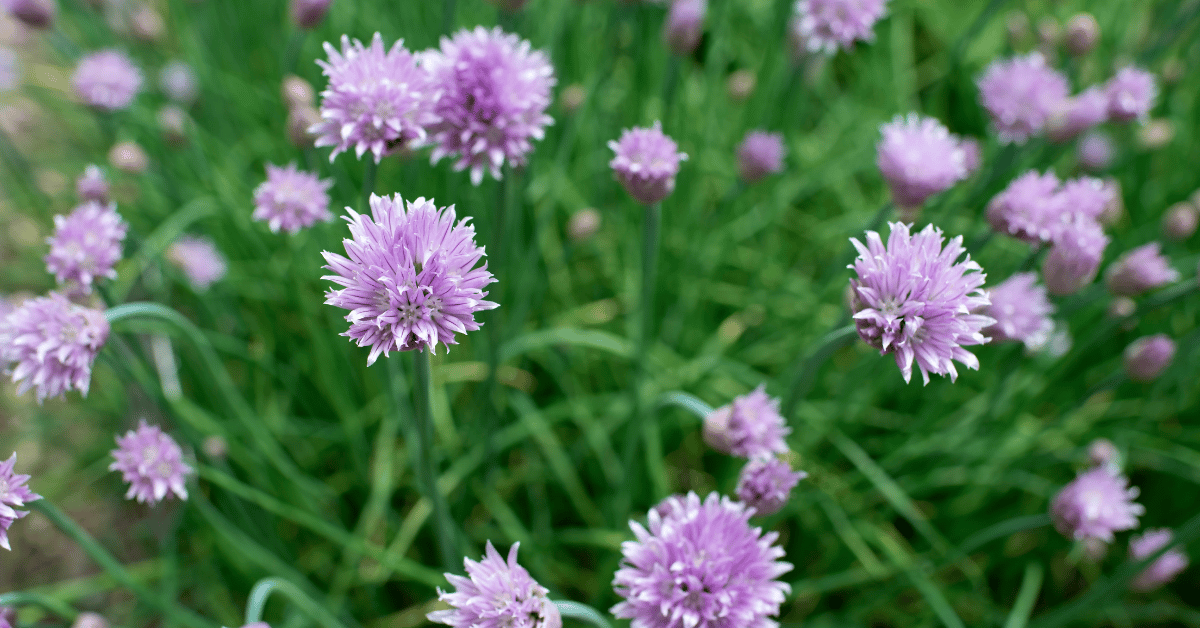
12. Ornamental Onions (Allium spp.)
Alliums bloom in spherical globes made up of tiny star-like flowers. They appear in late spring and are a long-lasting favorite among pollinators.
- Pollinator Benefit: Top-tier for bees and butterflies
- Height: 1–4 feet depending on species
- Zones: 3–9
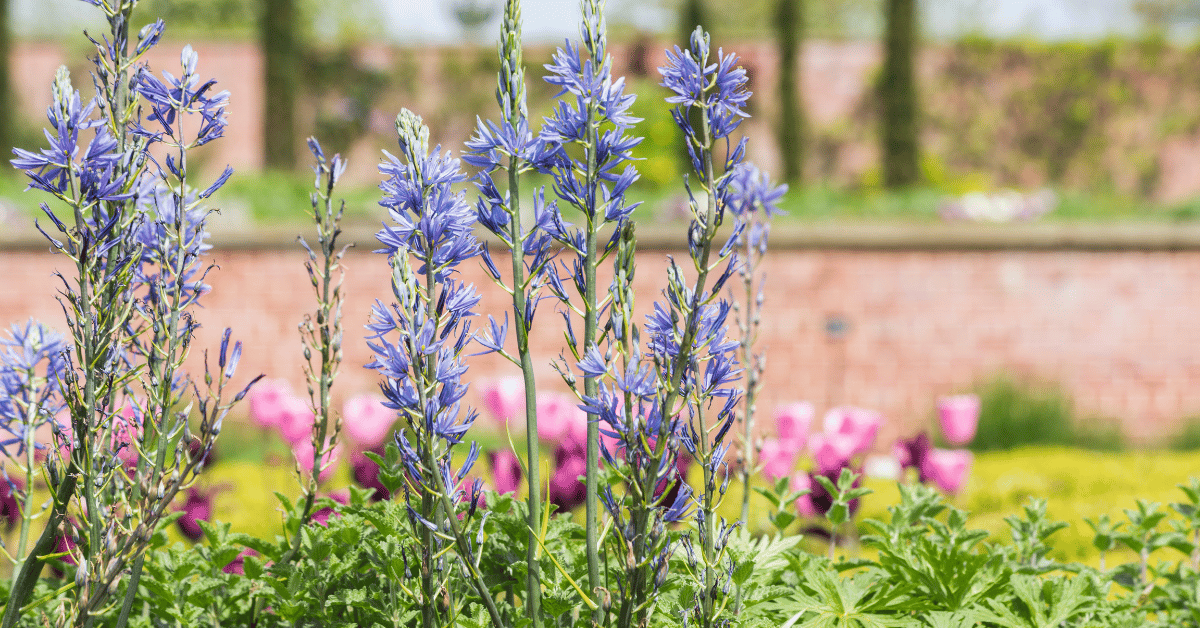
13. Quamash (Camassia quamash)
Native to North America, Camassia produces tall flower spikes filled with star-shaped blue or purple blooms. It tolerates moist conditions well.
- Pollinator Benefit: Supports native bees
- Zones: 4–8
- Height: 2–3 feet
Bonus Tips: How to Get the Most Out of Spring Bulbs
1. Plant in Groups, Not Rows
Bulbs look best when planted in large drifts or clusters rather than in straight lines. This also makes it easier for pollinators to locate flowers.
2. Layer for Continuous Bloom
Choose a mix of early, mid, and late spring bulbs so you can enjoy color and pollinator activity for months.
3. Add Companion Perennials
Combine bulbs with perennials like lungwort, hellebores, or columbine to fill in space as bulbs die back.
4. Let Foliage Die Back Naturally
Don’t cut leaves after the flowers fade. Allow them to yellow and wither naturally, so the bulbs can store energy for next year.
5. Avoid Pesticides
To support pollinators, skip chemical sprays and instead focus on organic gardening techniques.
Planting spring-blooming bulbs in the fall is one of the easiest and most rewarding ways to welcome spring color – and to support pollinators that are waking up from a long winter.
From the delicate nod of snowdrops to the stately elegance of ornamental onions, these bulbs add both visual drama and ecological value to your yard.