Imagine turning your kitchen leftovers into an edible garden. No fancy tools, no expensive equipment – just a few scraps, some dirt, and a little patience.
It sounds too good to be true, but these crazy-easy planting hacks are real, practical, and can help you grow your own food without spending a dime on seeds.
Whether you’re working with a balcony garden, a windowsill, or a full backyard plot, these tricks will get you harvesting faster than you think.
Here are 13 unconventional planting hacks that anyone can do – right from the kitchen.
1. Regrow Cucumbers from Their Seeds
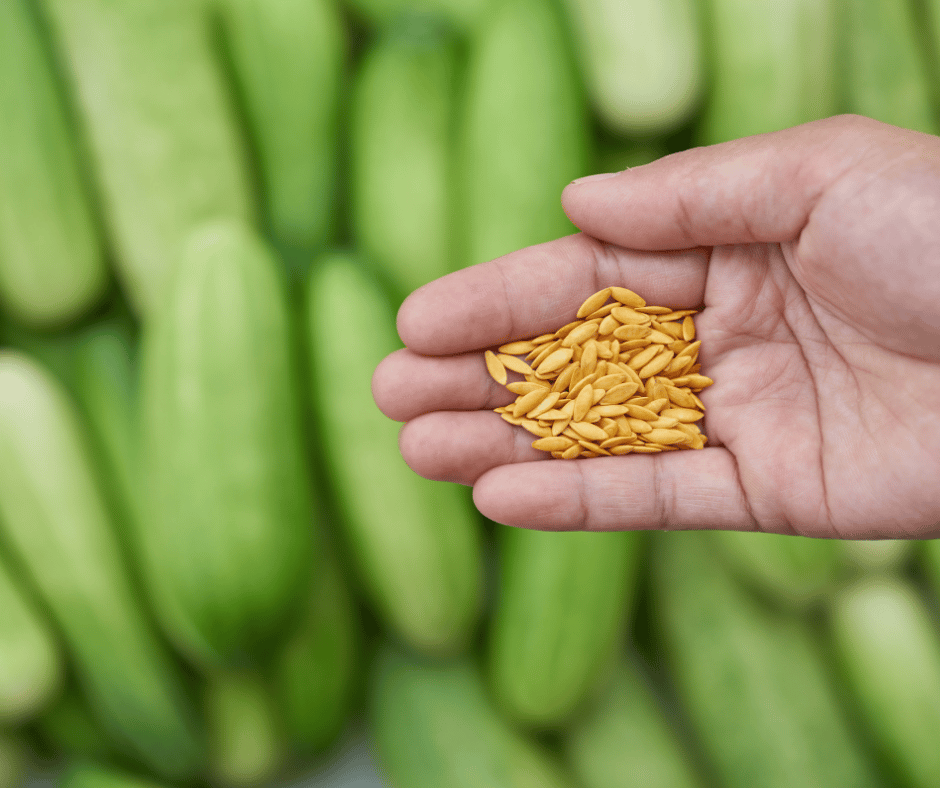
Ever sliced open a cucumber and wondered what to do with all those seeds? Don’t toss them out. Instead, scoop them into a glass of water and let them sit for 1–2 days.
The viable seeds will sink to the bottom. Rinse and dry them on a paper towel, then plant them in rich potting soil indoors or directly into the ground when temperatures are warm.
Tip: Choose heirloom or organic cucumbers for better germination. Hybrids may not grow true to type.
2. Lavender From the Flower Head
Lavender is not only beautiful and fragrant – it’s also surprisingly easy to propagate.
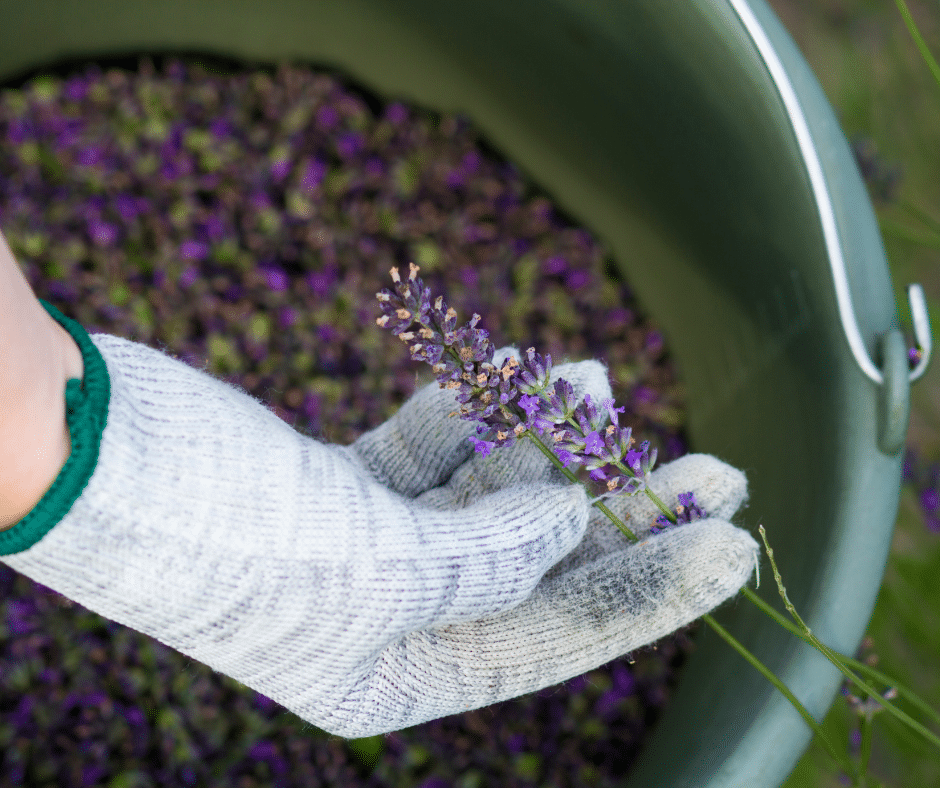
After the flowers have dried on the stem, gently rub the blooms between your palms to release the tiny seeds.
Spread them out on a dry surface overnight, then sow into a seed-starting tray or directly into well-drained soil.
Best results: Germination takes 8–10 weeks, so be patient and keep the soil consistently moist.
3. Grow Eggplants Using Kitchen Scraps
It sounds odd, but it works. Start by microwaving an eggplant for 2 minutes to soften the flesh (which makes seed extraction easier). Once cooled, cut it open, scoop out the seeds, and rinse them well.
Here’s the clever part – plant the seeds in a cracked eggshell filled with potting mix. Once they sprout, transplant the whole shell into a larger pot or garden bed.
Time to harvest: Around 12–14 weeks from planting.
Tip: Eggplants love full sun and heat – don’t plant outdoors until nighttime temps are consistently above 55°F (13°C).
4. Regrow Ginger from a Grocery Store Rhizome
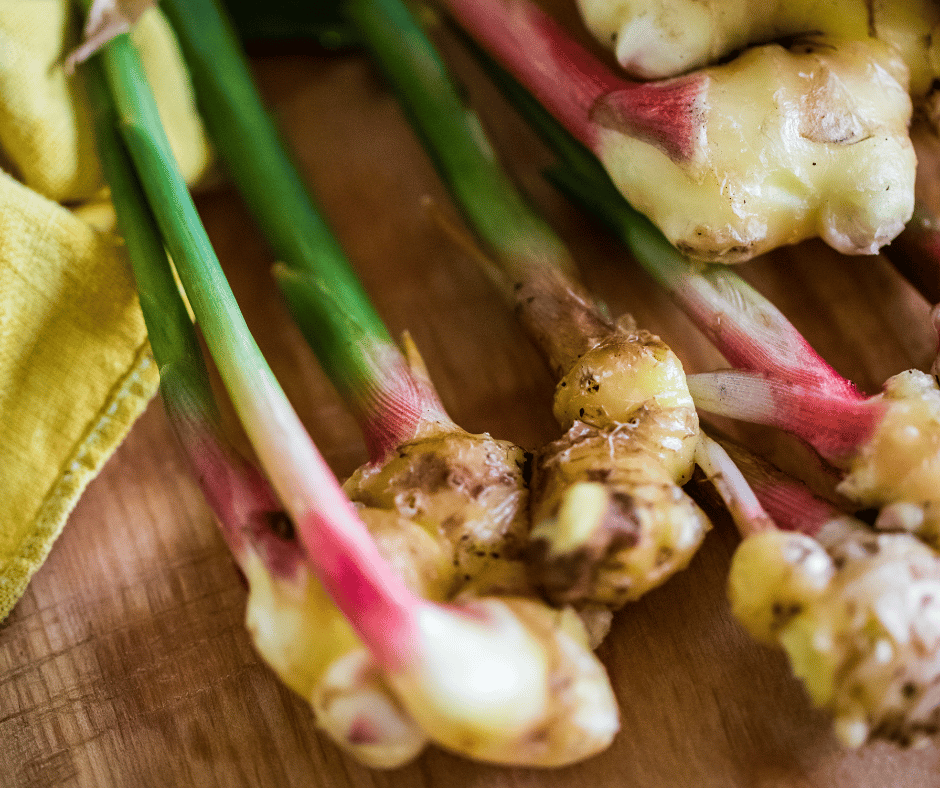
You can grow an entire ginger plant from a single chunk of ginger root – especially one that already has little “eyes” or buds forming.
Cut it into 1–2 inch sections, making sure each piece has at least one bud. Plant with the buds facing up, just beneath the surface of moist, well-drained soil.
Ideal growing conditions: Warm temperatures (70–85°F), filtered sunlight, high humidity.
Time to harvest: 8–10 months for mature ginger, or harvest baby ginger after 4 months.
5. Grow Potatoes from Leftover Spuds
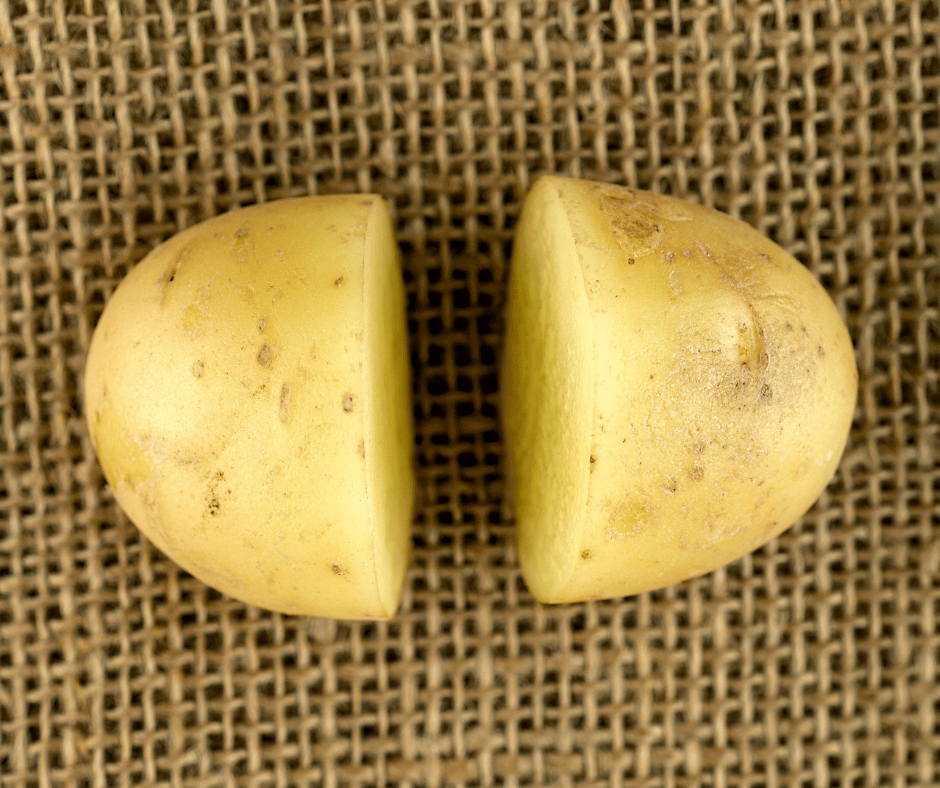
Got a sprouting potato sitting in your pantry? Don’t throw it away – plant it! Cut the potato into chunks, ensuring each piece has at least one “eye” (sprout).
Let the pieces dry out overnight to prevent rotting, then plant them in soil about 4 inches deep, with the eyes facing up.
Pro tip: Use grow bags or large buckets if you’re short on garden space.
Harvest time: About 90–120 days, depending on the variety.
6. Plant Squash Seeds Straight From the Fruit
You don’t need to buy squash seeds – just scoop them out of a fresh squash. Rinse the seeds and let them dry for a couple of days.
Then, plant them in warm soil either in the garden or in pots. Cover lightly and water thoroughly.
Ideal soil temperature: 60°F (15°C) or warmer.
Note: You can also grow squash indoors in containers if you provide plenty of sunlight or supplemental lighting.
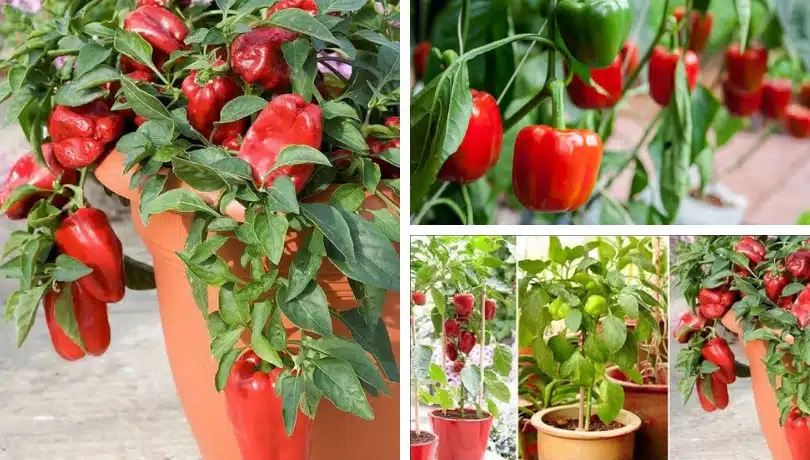
7. Grow Capsicum (Bell Peppers) From the Seeds
Bell peppers from the store can produce dozens of seeds. Simply dry a few, then plant them in seed-starting mix. Keep the soil warm and moist, and within 1–3 weeks, you’ll see seedlings emerge.
Best growing conditions: Warm indoor temperatures and indirect light.
Transfer: Once seedlings are 2–3 inches tall, transplant them into larger pots or garden beds.
8. Tomatoes from Tomato Slices
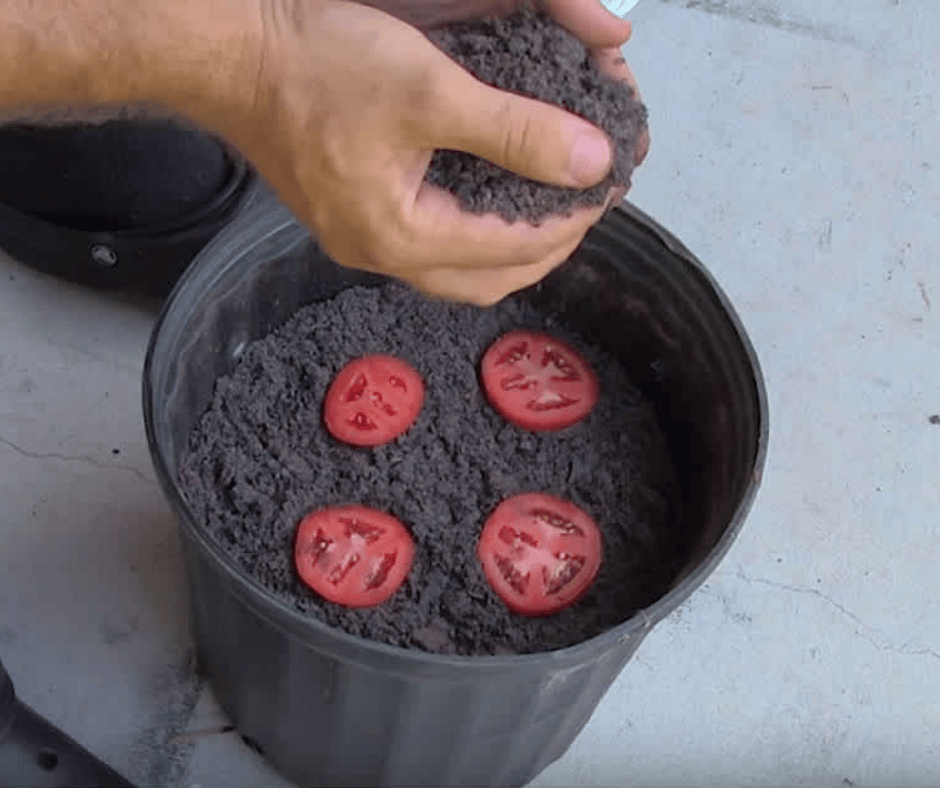
This viral planting hack is both fun and effective. Slice a ripe tomato into ¼-inch rounds, place the slices on top of potting mix in a container, and lightly cover them with more soil.
Water well and keep in a warm, sunny spot. In about a week, dozens of tiny tomato plants will sprout!
Pro tip: Thin out weaker seedlings so that the strongest ones have room to thrive.
9. Onions from Kitchen Sprouts
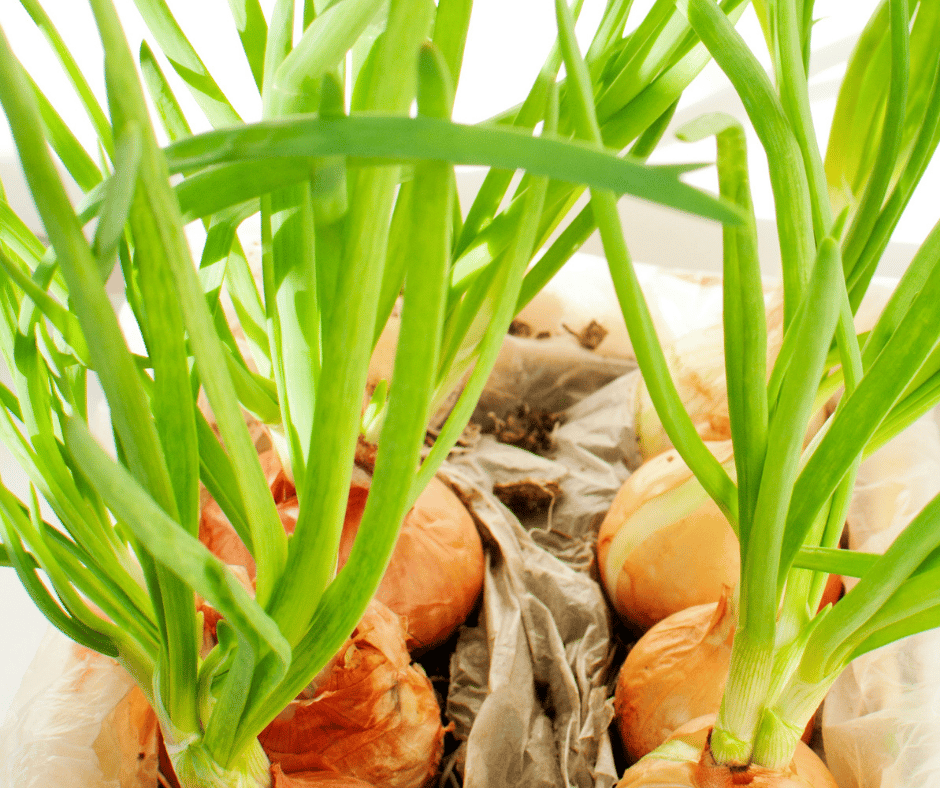
If you’ve got onions sprouting green tops in your kitchen, you’ve got the beginnings of a new crop.
Just plant the entire bulb in well-drained soil, leaving the top just above the surface. Keep the soil moist and give them plenty of sunlight.
Bonus: You can snip the green shoots to use as scallions while the bulb matures.
10. Grow a Lemon Tree From Seeds
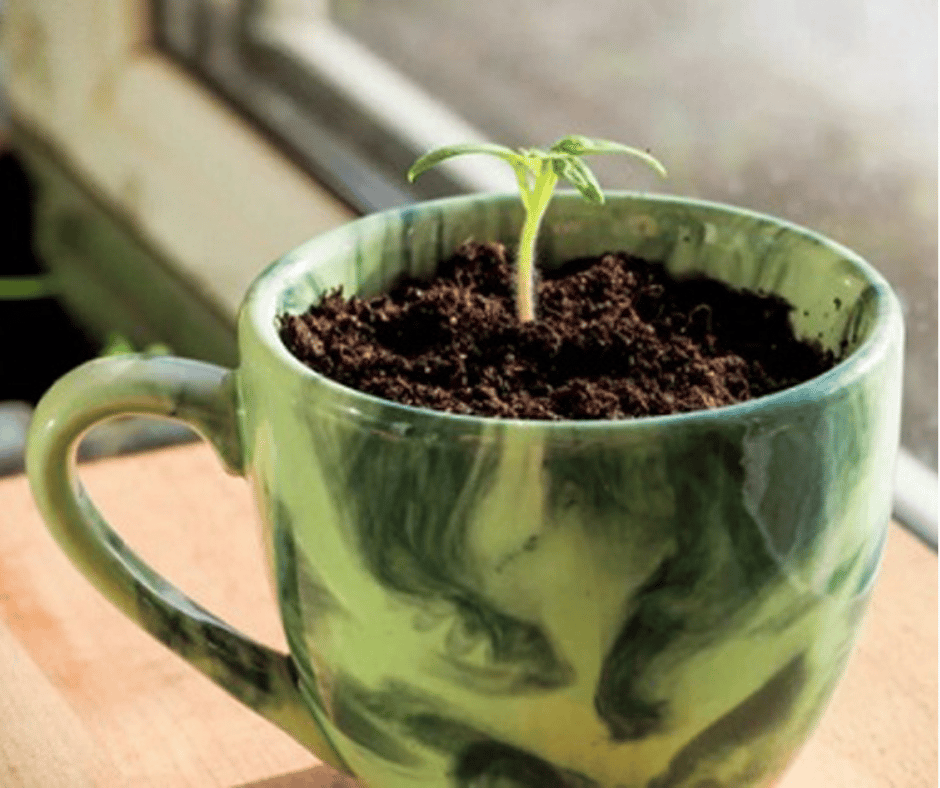
Don’t toss out those lemon seeds! Wash and dry a few, then plant them in a small container with drainage holes.
Keep the soil slightly moist and place the pot in a warm, sunny windowsill. Germination can take up to 3 weeks.
Note: Lemons grown from seed may not produce fruit for 3–5 years, but they make beautiful, fragrant indoor plants.
11. Marigolds from Dried Flowers
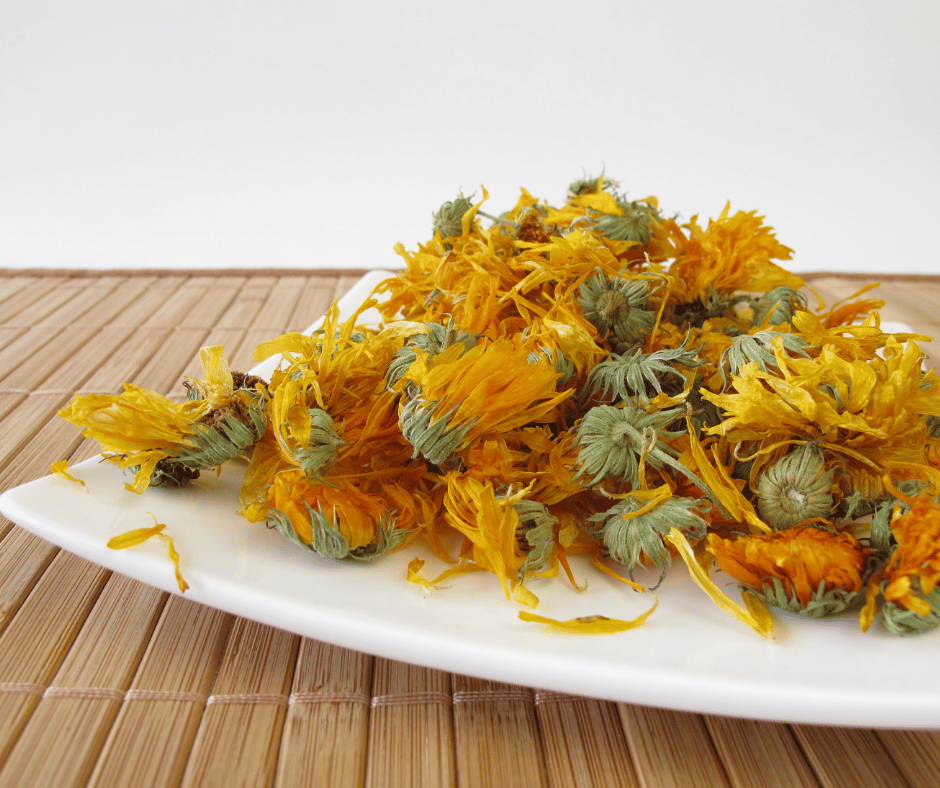
Marigold blooms are packed with seeds. Once the flower heads dry up and start to shrivel, pluck them and gently pull apart the petals to release the seeds. Sow them in potting soil, water, and place in a sunny location.
Marigold tip: These flowers also repel pests like aphids and nematodes, making them great companions for your vegetable garden.
12. Bitter Melon from Overripe Fruit
If you’ve got a bitter melon that’s gone overripe and soft, don’t toss it. Open the fruit, scoop out the seeds, and let them dry for a day. Plant in moist, warm soil in pots or directly in your garden.
Climate: Grows best in tropical or subtropical regions.
Uses: Bitter melon is excellent for blood sugar regulation and has numerous traditional medicinal uses.
13. Pineapple From the Crown
Here’s one of the most satisfying food-to-plant transformations. Twist or cut off the top of a fresh pineapple, remove the lower leaves to expose about an inch of the stem, and let it dry for a day or two.
Plant it in sandy, well-drained soil, and water it sparingly. Within a few weeks, new roots will form. Pineapples are slow growers, but the reward is well worth the wait.
Time to fruit: 18–24 months.
Bonus tip: Pineapple plants are ornamental and look great in pots, even before they fruit!
These easy, zero-cost planting hacks are a game changer for any gardener.
Whether you’re trying to save money, grow organic food, or just want to experiment with gardening for the first time, your kitchen is already filled with potential.
The best part? You don’t need to wait for the next gardening season. You can start today – with what you already have.