Adding pink flowering plants to your garden is one of the easiest ways to soften the overall landscape and bring a romantic, welcoming feel to your outdoor space.
Whether you’re designing a lush cottage garden, brightening up a bare corner, or layering colors in a container display, pink blooms offer a versatile and visually soothing option.
But pink flowers do more than look pretty – they can help create harmony in an otherwise harsh or overly green space, attract pollinators, and even keep certain bugs at bay depending on the species.
From ground covers to upright bloomers, here are 15 pink flowering plants that deserve a place in your yard, whether you’re filling flower beds, edging walkways, or decorating a patio with containers.
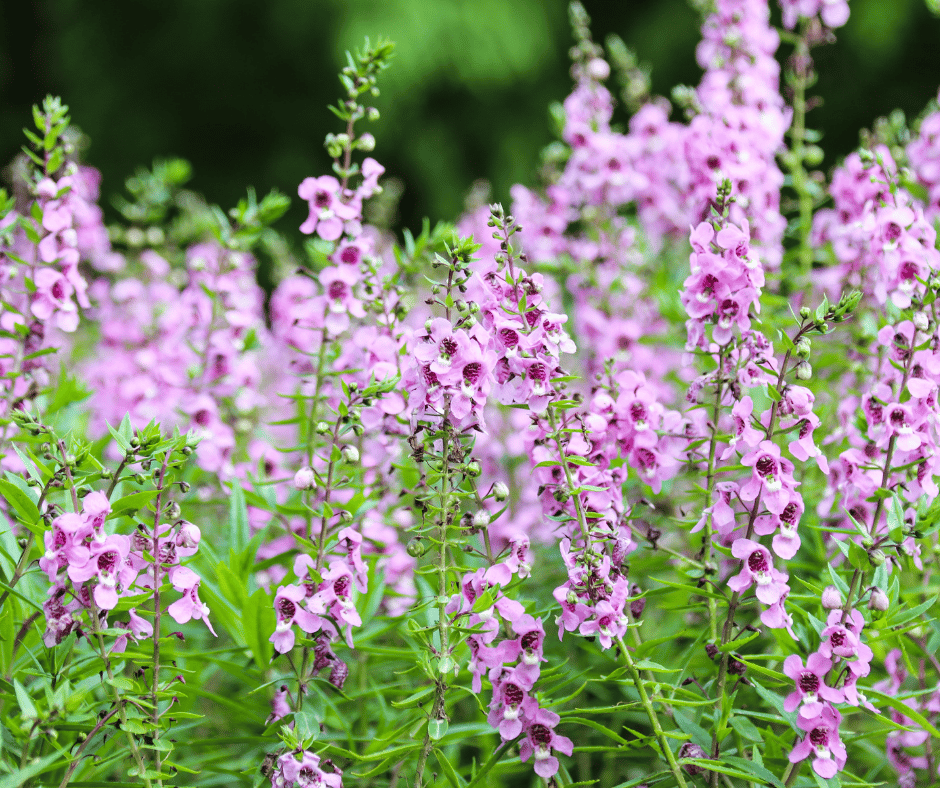
1. Angelonia (Angelonia angustifolia)
Sometimes called summer snapdragon, Angelonia is a tough, heat-tolerant flower that thrives in full sun. It blooms profusely with orchid-like flowers in shades of pink, purple, and white.
- Zones: 9–11 (grown as an annual elsewhere)
- Height: 12–18 inches
- Best For: Containers, window boxes, sunny borders
- Why Grow It: Drought-resistant and long-blooming even in hot conditions. No deadheading required.
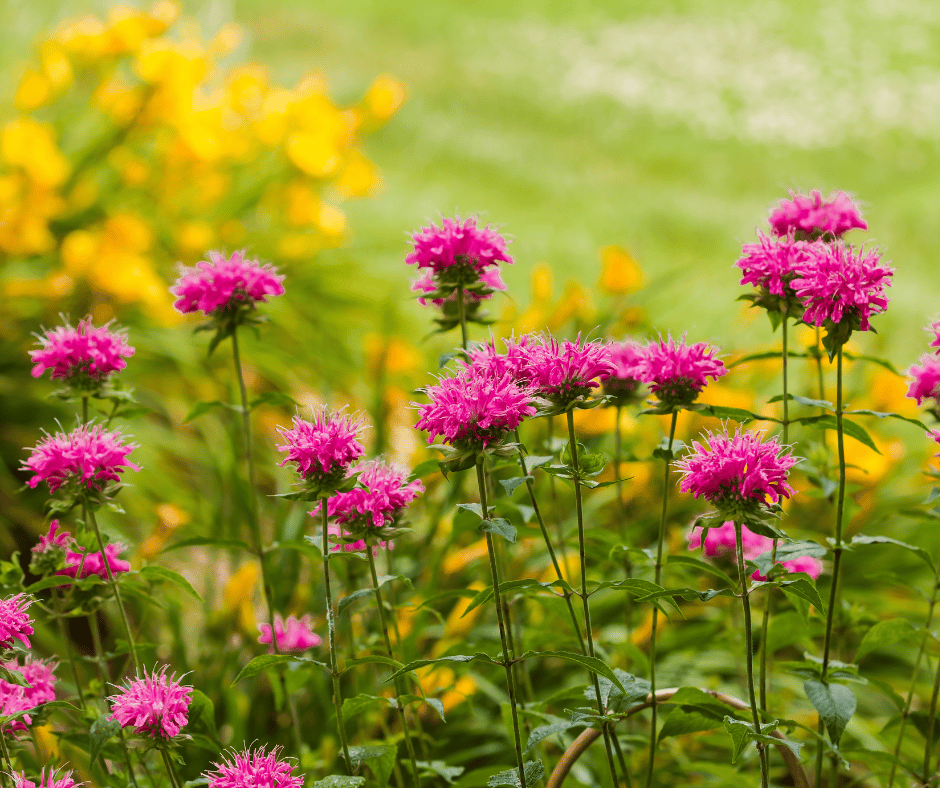
2. Bee Balm (Monarda didyma)
Bee balm produces clusters of shaggy, vibrant flowers that come in pink, red, or purple. It’s a favorite among butterflies and hummingbirds, and the leaves release a minty fragrance when crushed.
- Zones: 4–9
- Height: 2–4 feet
- Best For: Pollinator gardens, herb gardens
- Why Grow It: Great for wildlife, aromatic, and mildew-resistant varieties available.
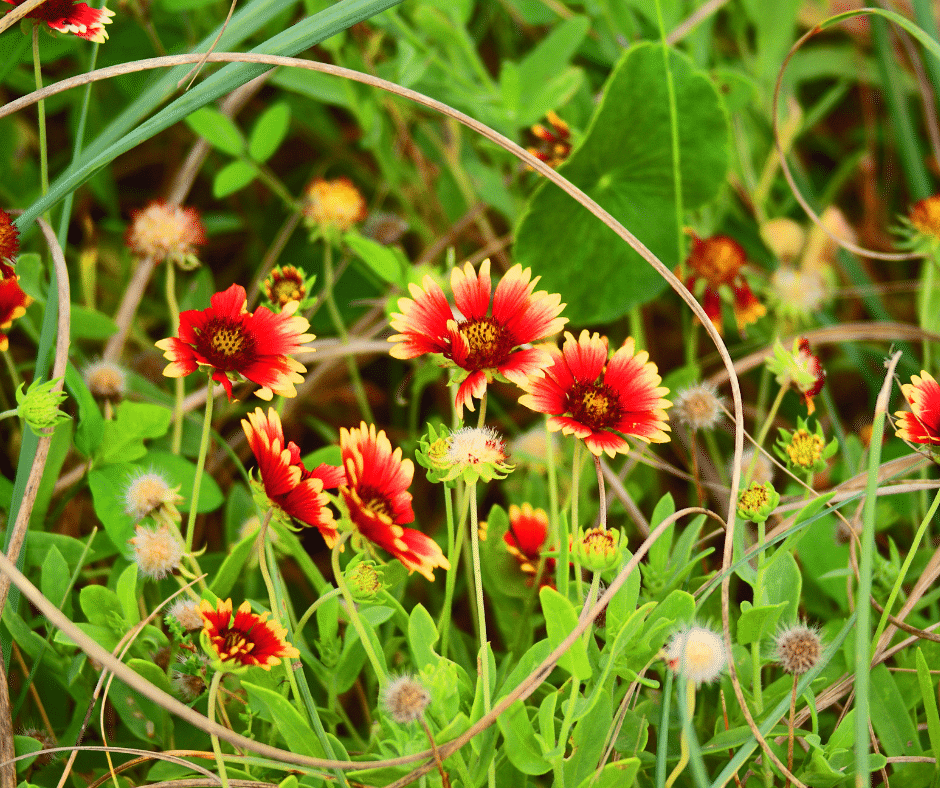
3. Blanket Flower (Gaillardia)
Blanket flower is known for its daisy-like blooms in fiery blends of red, orange, and yellow – often with pink undertones or centers. Some cultivars come in softer pinks and purples.
- Zones: 3–10
- Height: 18–24 inches
- Best For: Wildflower beds, sunny borders
- Why Grow It: Tough and heat-loving; blooms for months with little care.
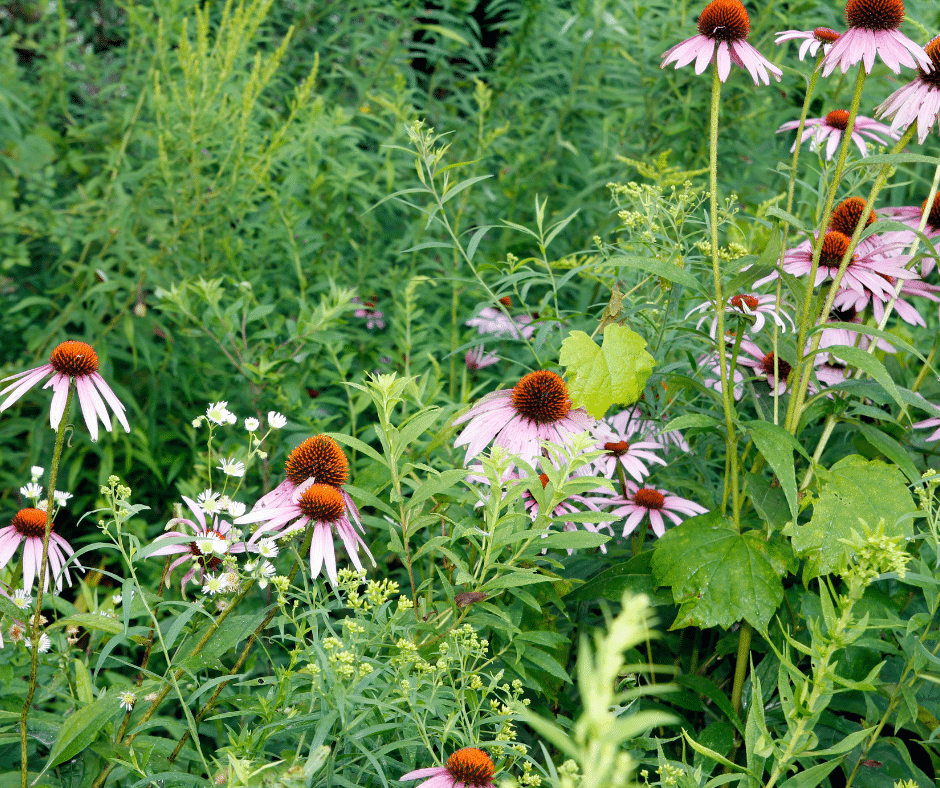
4. Coneflower (Echinacea purpurea)
This North American native comes in various shades of pink, from soft rose to vibrant fuchsia. With its spiky center and upright stature, it adds height and texture to any garden.
- Zones: 3–9
- Height: 2–4 feet
- Best For: Butterfly gardens, cottage-style landscapes
- Why Grow It: Drought-tolerant, long bloom time, attracts pollinators, and has medicinal roots.
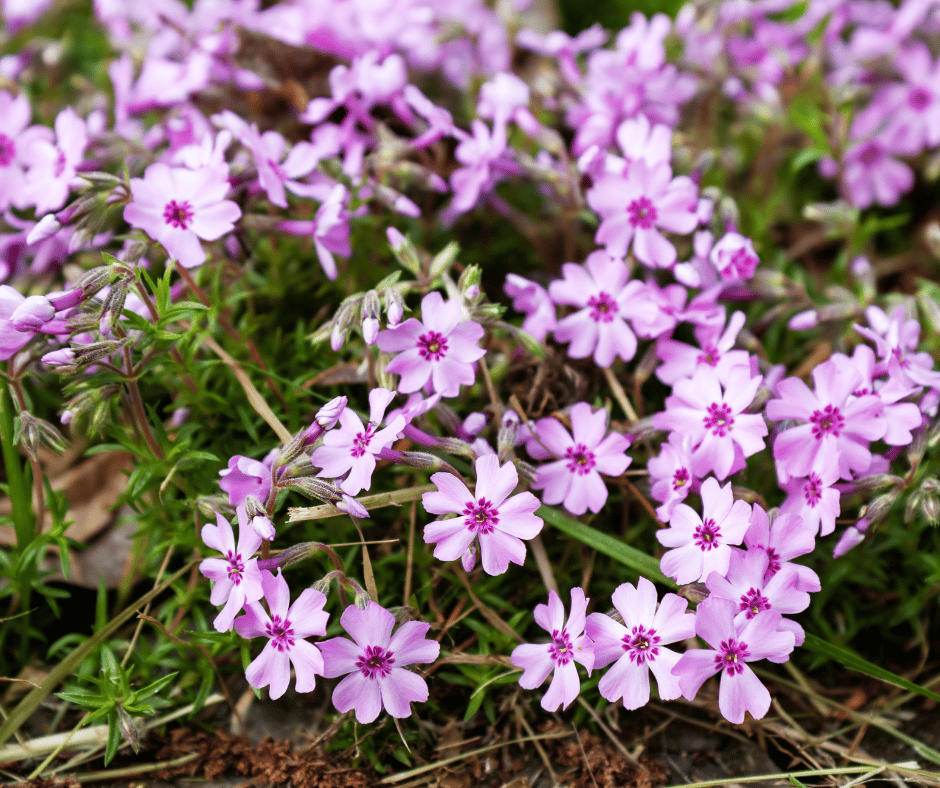
5. Creeping Phlox (Phlox subulata)
Creeping phlox forms a vibrant carpet of flowers in early spring. With its dense growth and prolific pink blooms, it’s a favorite for covering slopes, rock gardens, and borders.
- Zones: 3–9
- Height: 4–6 inches
- Best For: Ground cover, erosion control
- Why Grow It: Early bloomer, attracts bees, low-growing with a dense mat of color.
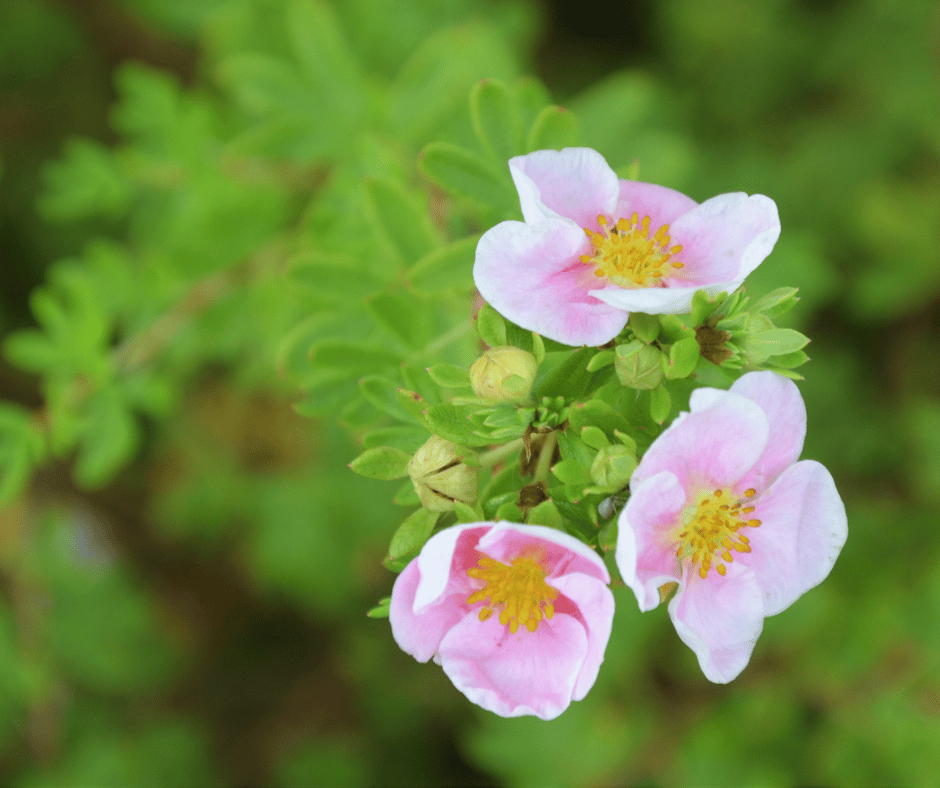
6. Creeping Potentilla (Potentilla neumanniana)
This lesser-known ground cover features deep pink flowers with cheerful yellow centers. It creates a mat of greenery with small blossoms and works well between stepping stones or along borders.
- Zones: 4–8
- Height: 6–8 inches
- Best For: Ground covers, rock gardens
- Why Grow It: Hardy, low-maintenance, spreads nicely without becoming invasive.
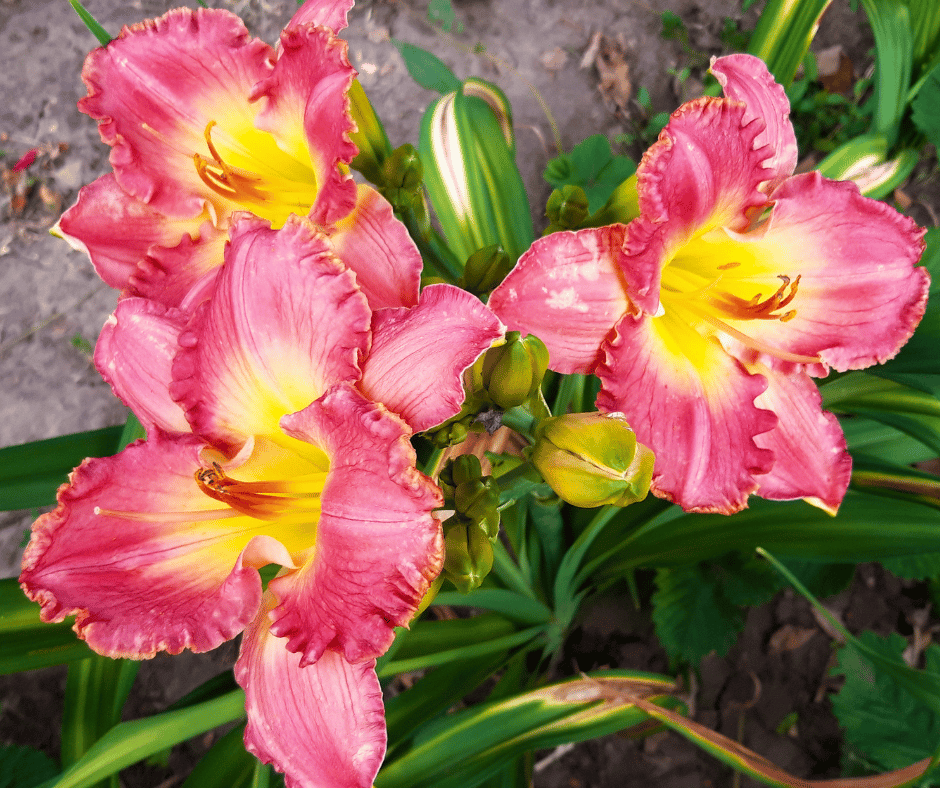
7. Daylily (Hemerocallis)
Daylilies are not true lilies, but their bold, trumpet-shaped flowers bloom in cycles all summer long. With varieties in pale blush to deep raspberry pink, they’re a must-have in layered gardens.
- Zones: 3–10
- Height: 1–3 feet
- Best For: Borders, mass plantings
- Why Grow It: Easy to grow, blooms repeat all summer, great for dividing and sharing.
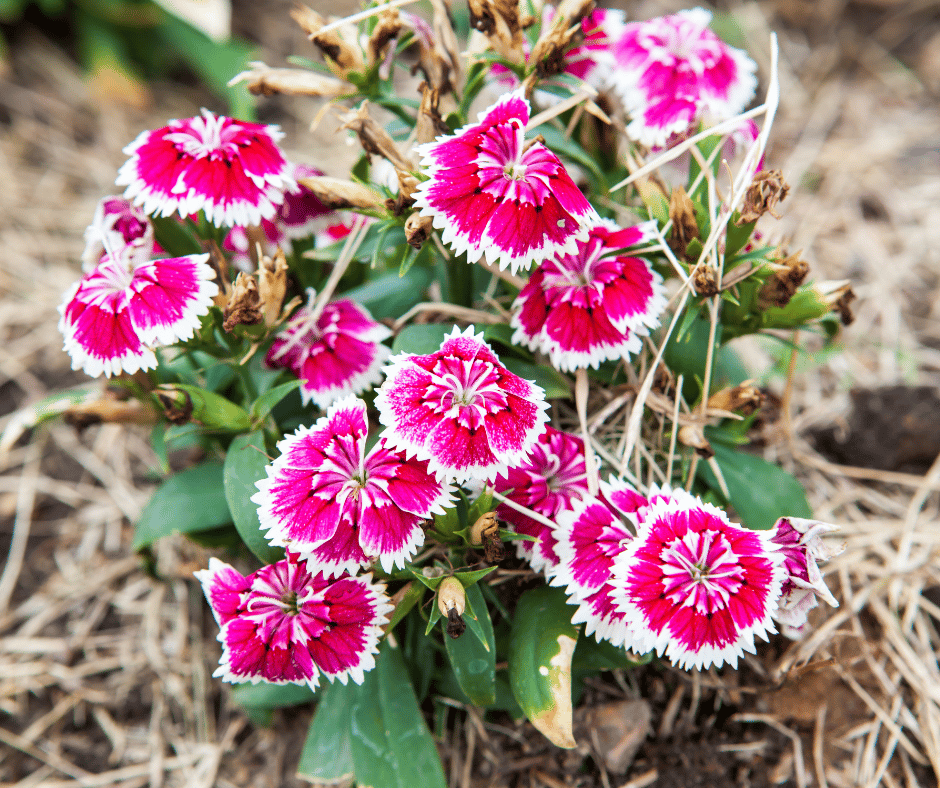
8. Dianthus
Dianthus, sometimes known as “pinks,” offer frilled flowers with a spicy clove fragrance. You’ll find them in various shades of pink and magenta, often with two-tone petals or eye-catching centers.
- Zones: 3–9
- Height: 6–24 inches
- Best For: Edging, containers, cutting gardens
- Why Grow It: Fragrant, compact, many rebloom throughout the season.
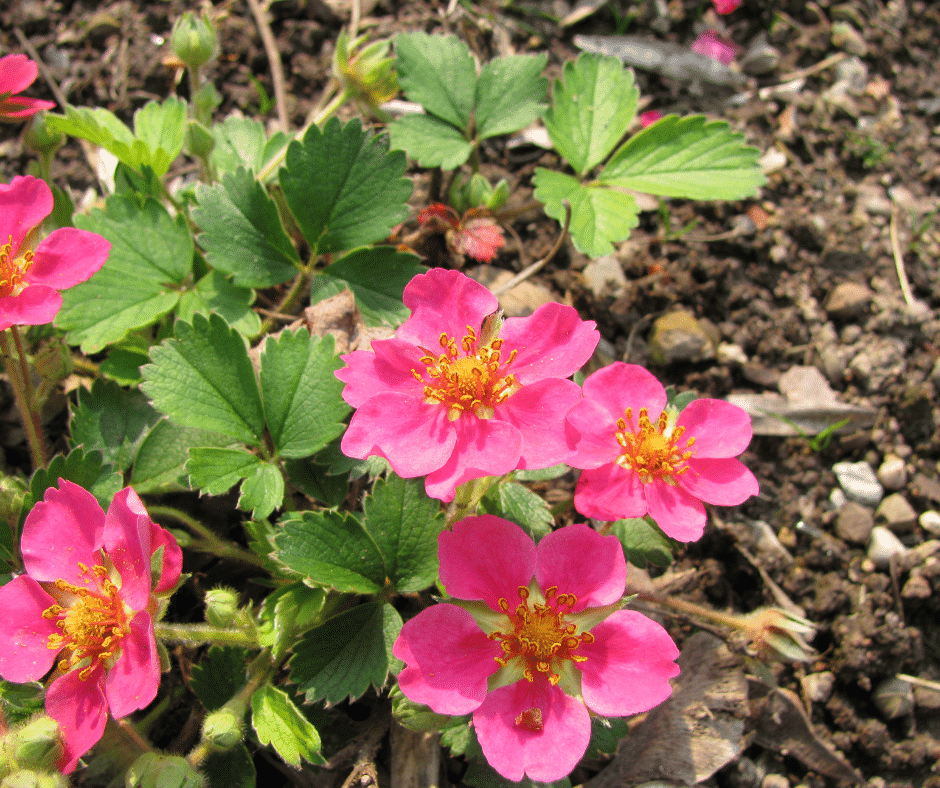
9. Ornamental Strawberry (Fragaria x ananassa)
Unlike their fruit-producing relatives, ornamental strawberries are grown for their charming leaves and pink flowers. While they may bear small fruit, they shine as a flowering groundcover.
- Zones: 4–9
- Height: 4–6 inches
- Best For: Edging, containers, borders
- Why Grow It: Spreads easily, long blooming, adds color and whimsy.
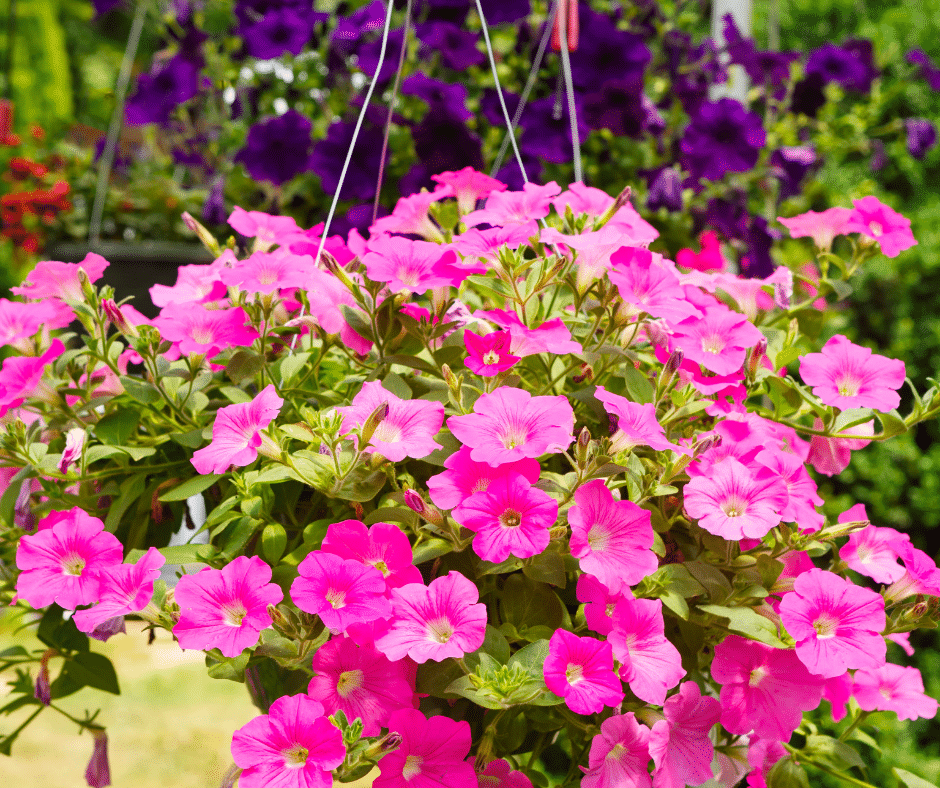
10. Petunia
Petunias are a classic in pink, offering both soft pastel hues and bright, vibrant tones. Many modern varieties are self-cleaning and bloom continuously until frost.
- Zones: Annual in most regions
- Height: 8–18 inches
- Best For: Hanging baskets, window boxes, containers
- Why Grow It: Long blooming season, versatile, loved by hummingbirds.
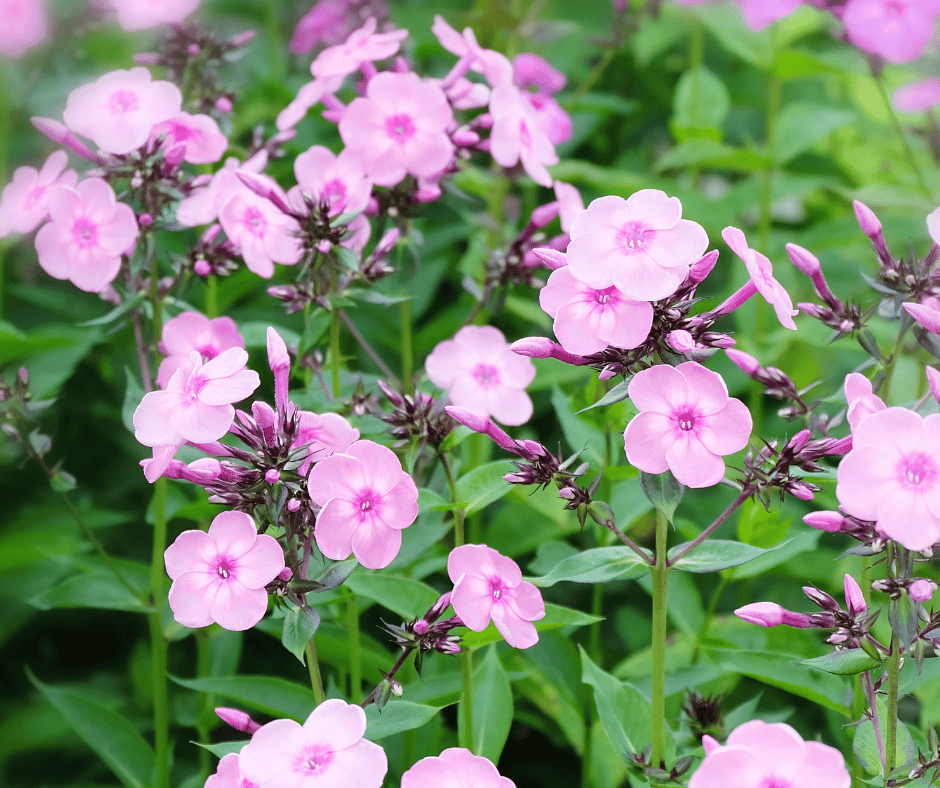
11. Phlox (Phlox paniculata)
Garden phlox offers tall, upright blooms in late summer. Available in many colors, pink is among the most common and showy, making this plant a staple for perennial beds.
- Zones: 4–8
- Height: 2–4 feet
- Best For: Perennial borders, butterfly gardens
- Why Grow It: Attracts butterflies, mildew-resistant cultivars now available.
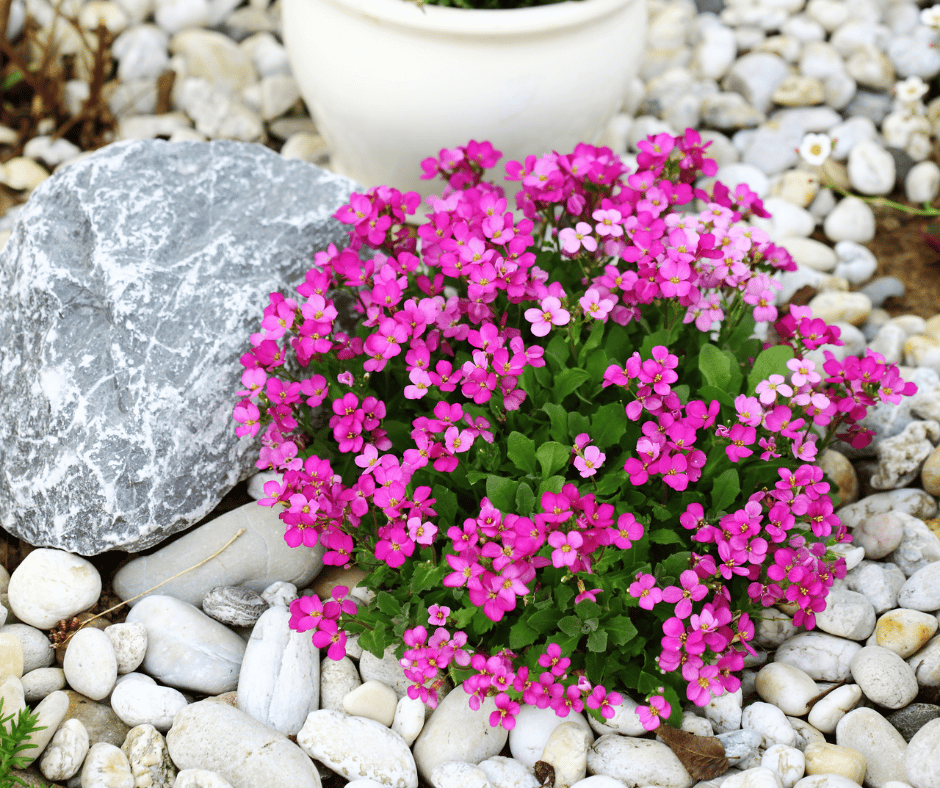
12. Siberian Wallflower (Erysimum hieraciifolium)
With its pink to purplish blooms and compact nature, the Siberian wallflower adds fragrance and a burst of early spring color to gardens.
- Zones: 3–9
- Height: Up to 30 inches
- Best For: Containers, beds, cottage gardens
- Why Grow It: Cold hardy, easy to grow, attractive to pollinators.
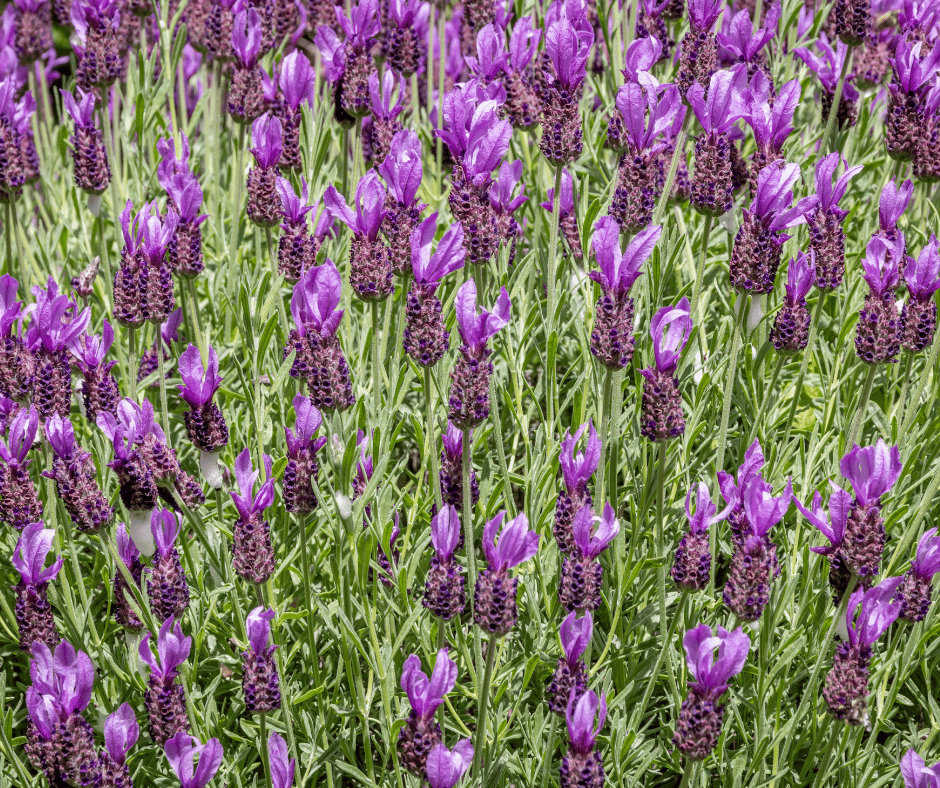
13. Spanish Lavender (Lavandula stoechas)
Unlike traditional English lavender, Spanish lavender features showy bracts on top of each flower head. Its unique “rabbit ear” blooms come in pink and purple shades.
- Zones: 7–9
- Height: 1–2 feet
- Best For: Dry borders, Mediterranean gardens
- Why Grow It: Drought-tolerant, fragrant, exotic look.
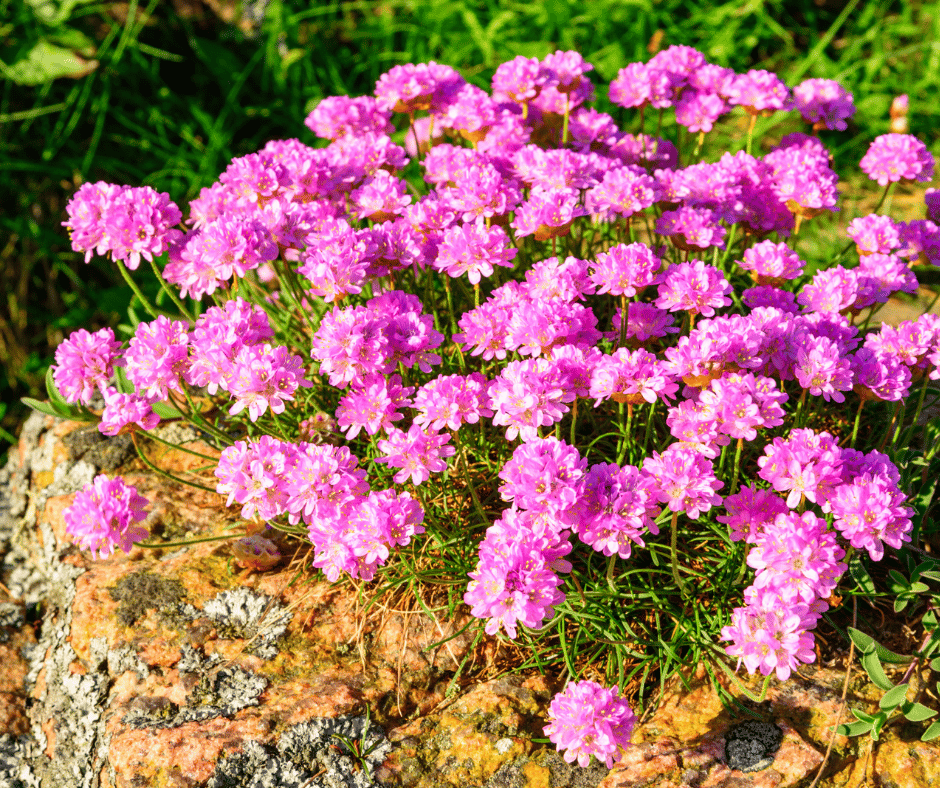
14. Thrift (Armeria maritima)
Thrift, also known as sea pink, is a compact perennial that forms grass-like tufts with lollipop-style blooms. It thrives in poor soil and windy locations, making it ideal for rock gardens and coastal areas.
- Zones: 4–8
- Height: 6–15 inches
- Best For: Rock gardens, slopes, edges
- Why Grow It: Tolerates drought, low maintenance, charming spring bloom.
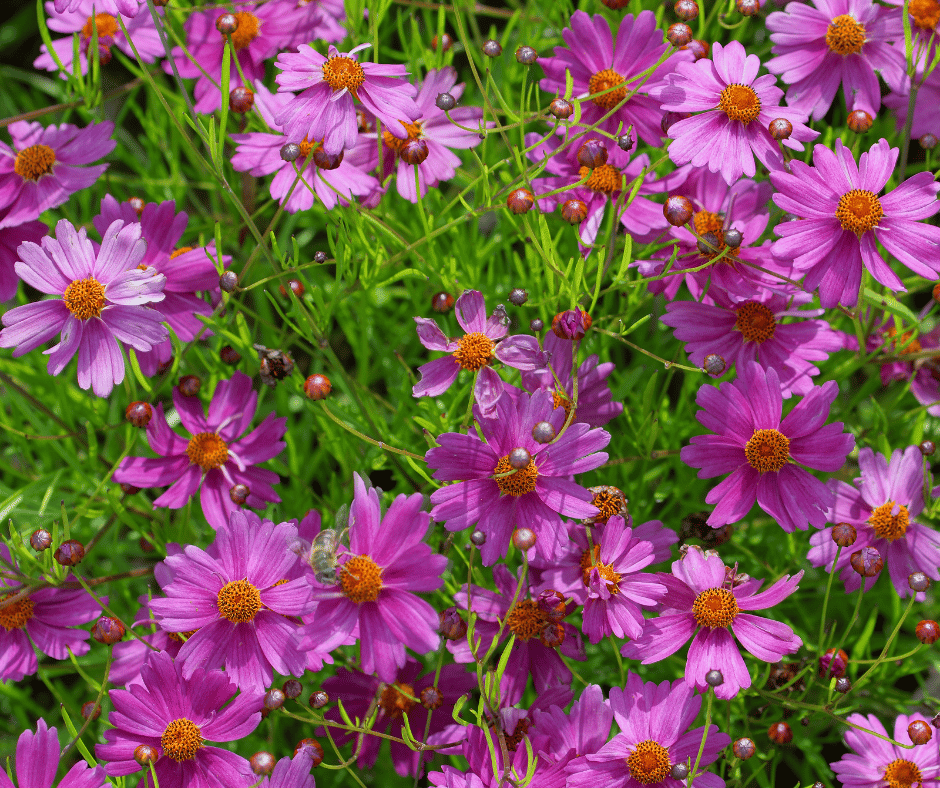
15. Tickseed (Coreopsis)
While often known for yellow or orange blooms, many new varieties of tickseed bloom in pink shades like ‘Pink Champagne’ or ‘Sweet Dreams.’
These long-blooming plants attract pollinators and blend beautifully with other pastels.
- Zones: 4–9
- Height: 12–24 inches
- Best For: Mixed borders, wildflower gardens
- Why Grow It: Easy to grow, deer-resistant, prolonged flowering season.
Pink flowers can instantly transform your outdoor space into a peaceful, welcoming retreat.
They add visual softness to garden beds, brighten up containers, and provide much-needed contrast to green foliage and hardscape features.
Whether you’re aiming for cottage charm, formal elegance, or just some playful pops of color, there’s a pink flowering plant to match your style and growing conditions.
Combine early spring bloomers with summer perennials for color all season long, and don’t be afraid to mix textures, shapes, and heights for a layered and vibrant display.