Flies can be one of the most annoying and persistent pests in our homes and gardens.
They buzz around food, land on surfaces, and can even spread bacteria. Instead of using harmful chemical sprays, why not turn to nature for a solution?
Believe it or not, some common plants have natural properties that repel flies and other insects. These plants not only keep flies at bay but also beautify your space, improve air quality, and add fragrance to your home or garden.
In this post, we’ll explore 15 amazing plants that naturally repel flies, how to grow them, and how to use them effectively in your indoor and outdoor spaces.
Why Use Plants to Repel Flies?
Imagine hosting a backyard barbecue on a sunny afternoon. Everything is perfect – the food, the company, the setting.
Then, out of nowhere, flies swarm your plate, landing on your fresh fruit and buzzing around your guests.
Instead of reaching for chemical sprays or swatting them away all day, wouldn’t it be amazing if your garden naturally kept flies out of sight and out of mind?
That’s where these fly-repelling plants come in!
Benefits of Using Plants to Keep Flies Away:
Chemical-Free Pest Control – Safe for kids, pets, and the environment.
Adds Beauty & Fragrance – Many of these plants smell amazing and enhance your garden.
Attracts Beneficial Insects – Some of these plants bring in pollinators while deterring pests.
Multipurpose – Many can be used in cooking, tea, and homemade natural sprays.
Now, let’s dive into 15 powerful plants that can help you enjoy a fly-free home and garden!
1. Basil (Ocimum basilicum)
Why It Works:
Basil contains volatile compounds like estragole and citronellol, which flies and mosquitoes absolutely hate.
How to Use It:
Place potted basil near doors, windows, and outdoor seating areas.
Crush a few leaves to release more scent.
Bonus: Use fresh basil in pasta, salads, and pesto!
Best for: Kitchen windowsills, patio gardens.
2. Lavender (Lavandula)
Why It Works:
Lavender’s strong floral scent is delightful to humans but acts as a repellent for flies, moths, and even fleas.
How to Use It:
Grow it near entry points and patios.
Hang dried lavender inside closets and pantries.
Make a DIY lavender spray with essential oil and water.
Best for: Bedrooms, doorways, garden borders.
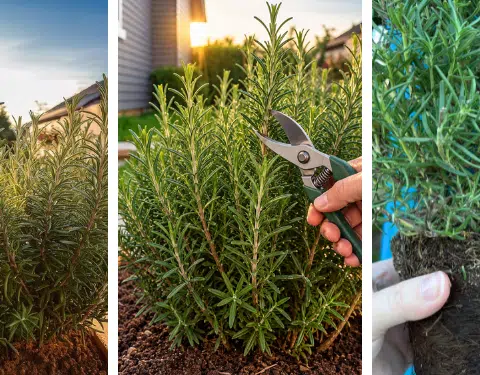
3. Rosemary (Salvia rosmarinus)
Why It Works:
The strong pine-like scent of rosemary confuses and repels flies, especially when the leaves are crushed or burned.
How to Use It:
Plant rosemary in pots near outdoor dining areas.
Burn dried rosemary sprigs to keep flies away from BBQs.
Use rosemary essential oil in homemade fly sprays.
Best for: Outdoor patios, herb gardens, cooking.
4. Mint (Mentha)
Why It Works:
Mint’s sharp, menthol scent is a natural fly deterrent and also repels mosquitoes and ants.
How to Use It:
Grow in pots around doorways and picnic tables.
Crush leaves and rub them on skin or outdoor furniture.
Use dried mint in DIY sachets for kitchens and bedrooms.
Best for: Indoor pots, mosquito-prone areas.
5. Citronella Grass (Cymbopogon nardus)
Why It Works:
Citronella is a well-known ingredient in natural insect repellents, and flies hate it.
How to Use It:
Grow in large planters around patios.
Crush leaves and rub on clothes or skin.
Burn citronella candles made from its essential oil.
Best for: Outdoor seating areas, tropical gardens.
6. Marigolds (Tagetes)
Why It Works:
Marigolds contain pyrethrum, an ingredient found in many commercial insect repellents.
How to Use It:
Plant marigolds in flower beds and vegetable gardens.
Place potted marigolds near doors and windows.
Best for: Vegetable gardens, border plants.
7. Bay Leaves (Laurus nobilis)
Why It Works:
Flies and pantry pests can’t stand the smell of bay leaves.
How to Use It:
Scatter dried bay leaves inside kitchen cupboards.
Grow bay trees in pots for outdoor fly protection.
Best for: Kitchen, pantry, outdoor seating areas.
8. Lemon Balm (Melissa officinalis)
Why It Works:
This citrus-scented herb is offensive to flies and doubles as a calming tea herb!
How to Use It:
Rub fresh leaves on your skin or furniture.
Dry leaves for herbal sachets.
Best for: Herbal gardens, windowsills, tea lovers.
9. Chives (Allium schoenoprasum)
Why It Works:
Chives have a strong onion-like smell that flies, aphids, and other pests dislike.
How to Use It:
Plant around vegetable gardens to protect crops.
Use fresh chives in cooking for extra benefits.
Best for: Edible gardens, raised beds.
10. Wormwood (Artemisia absinthium)
Why It Works:
Wormwood releases bitter compounds that drive flies and pests away.
How to Use It:
Grow near patios and outdoor dining areas.
Dry leaves for pest-repelling sachets.
Best for: Outdoor fly protection, dried sachets.
More Fly-Repelling Plants You’ll Love:
11. Clove (Syzygium aromaticum) – Flies avoid the strong spice scent.
12. Tansy (Tanacetum vulgare) – Acts as a natural insecticide.
13. Eucalyptus (Eucalyptus globulus) – Contains fly-repelling oils.
14. Pennyroyal (Mentha pulegium) – A mint variety known to keep flies away.
15. Sage (Salvia officinalis) – Flies steer clear of its aromatic oils.
Imagine stepping into your backyard or kitchen, breathing in the fresh scent of herbs and flowers, and realizing – not a single fly in sight!
By incorporating these 15 amazing fly-repelling plants into your garden and home, you can create a beautiful, fragrant, and pest-free environment without using harmful chemicals.