Choosing the right trees and shrubs for your landscape can be overwhelming.
With so many options available, it’s essential to consider your growing zone, soil type, and maintenance needs before making a decision.
One of the best ways to ensure continuous color in your garden is by planting flowering trees and shrubs with long blooming seasons.
This way, your landscape will remain vibrant and lively throughout the year, even during the colder months.
Below, we’ve compiled a list of 25 stunning flowering trees and shrubs that will provide year-round beauty in your garden.
25 Best Flowering Trees & Shrubs for Year-Round Color
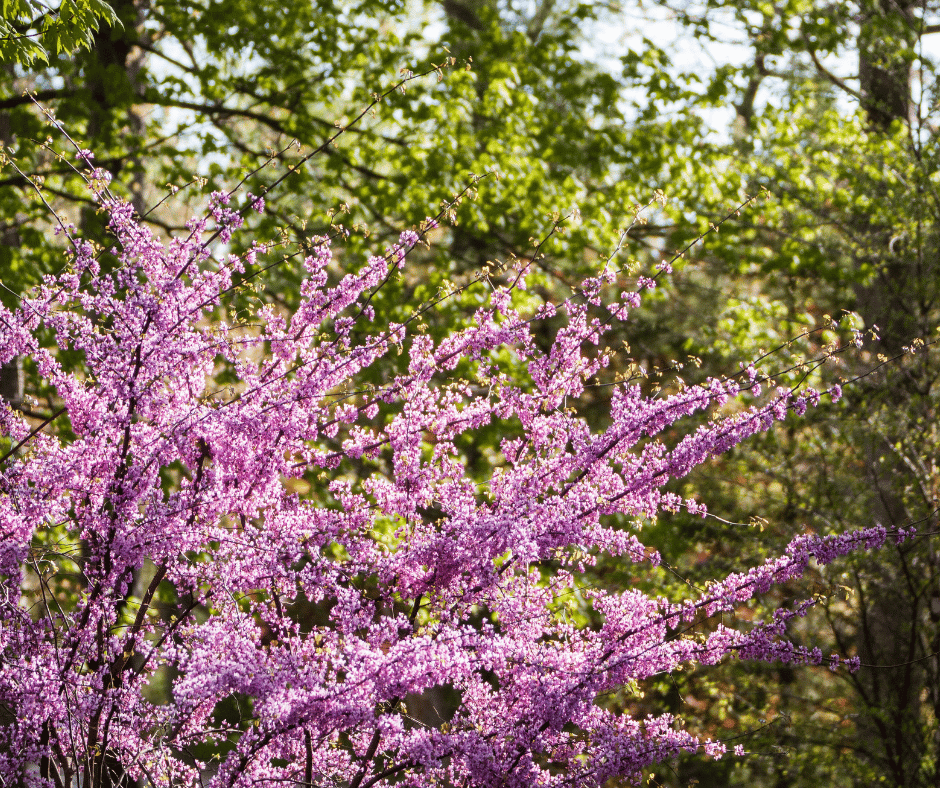
1. Eastern Redbud (Cercis canadensis)
Zones: 5-9
Height: Up to 20 feet
Bloom Time: Early spring
Eastern Redbud is one of the most beautiful spring bloomers, producing clusters of tiny pink or purple flowers before its leaves appear. The heart-shaped foliage turns golden-yellow in fall, ensuring seasonal interest.
Best for: Urban landscapes, small yards, and woodland gardens.
2. Southern Magnolia (Magnolia grandiflora)
Zones: 5-9
Height: 40-80 feet
Bloom Time: Spring to early summer
A classic evergreen beauty, the Southern Magnolia features large, fragrant, creamy-white flowers in spring. Its glossy, dark green leaves remain lush all year, making it a great shade tree.
Best for: Southern gardens, shaded areas, and formal landscapes.
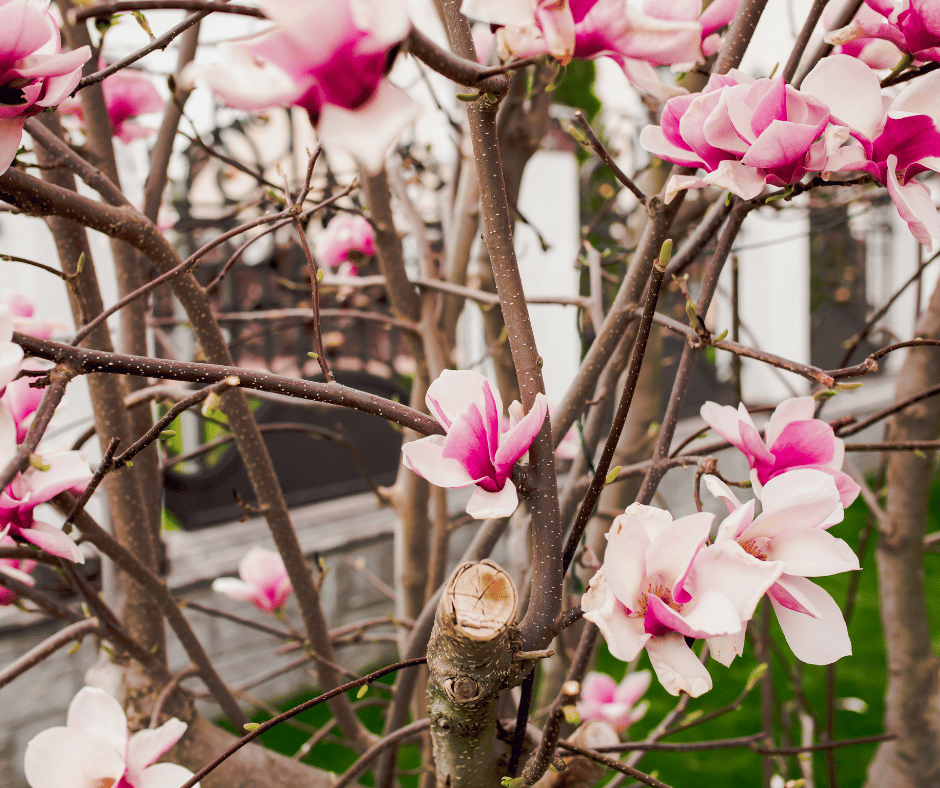
3. Flowering Dogwood (Cornus florida)
Zones: 5-9
Height: 15-30 feet
Bloom Time: Spring
The Flowering Dogwood is known for its delicate pink or white blossoms in early spring, followed by red berries in fall. It also provides stunning foliage color in autumn.
Best for: Woodland gardens, under larger trees, and as a focal point in landscapes.
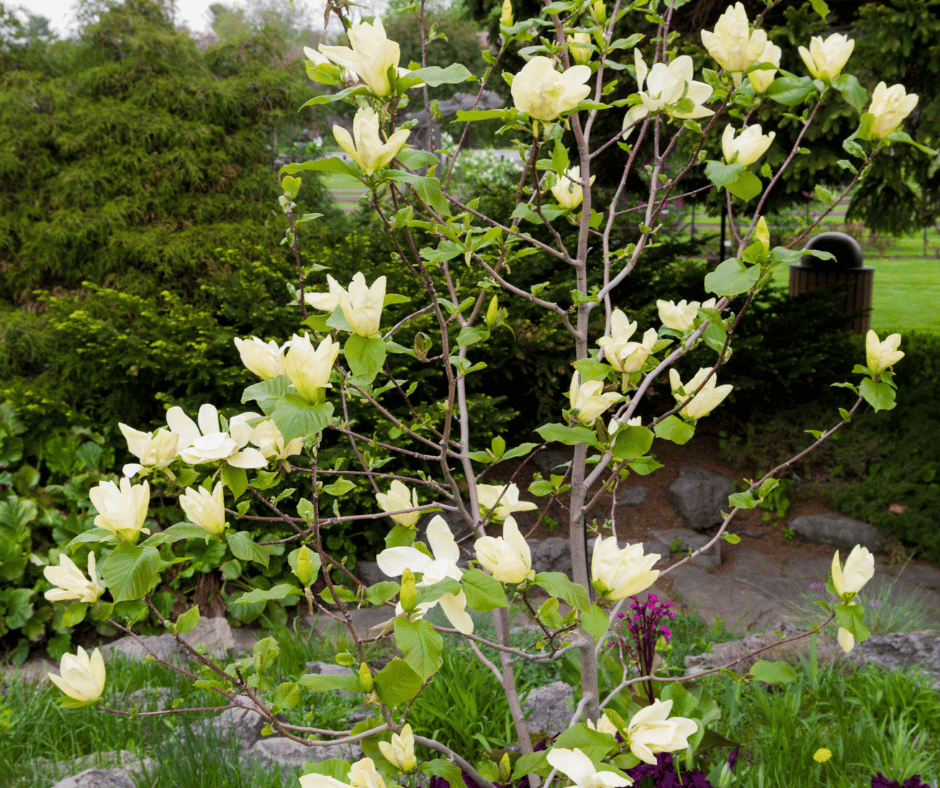
4. Forsythia (Forsythia spp.)
Zones: 4-9
Height: 6-10 feet
Bloom Time: Early spring
Forsythia is one of the first shrubs to bloom in early spring, covering itself in bright yellow flowers before the leaves emerge.
Best for: Informal hedges, borders, and fast-growing privacy screens.
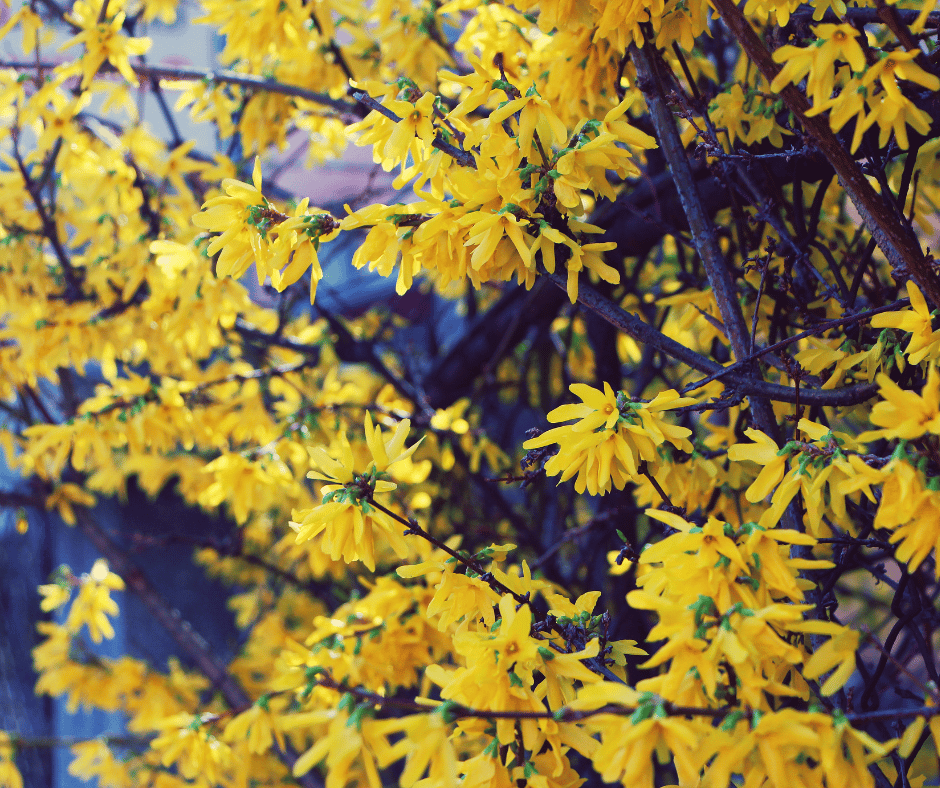
5. Hyperion Dogwood (Cornus kousa ‘Hyperion’)
Zones: 6-9
Height: 20-25 feet
Bloom Time: Spring
This unique dogwood tree produces large white blossoms that later develop into red fruits loved by birds. The foliage transforms from green to gold and purple in autumn.
Best for: Pollinator gardens, bird-friendly landscapes, and urban gardens.
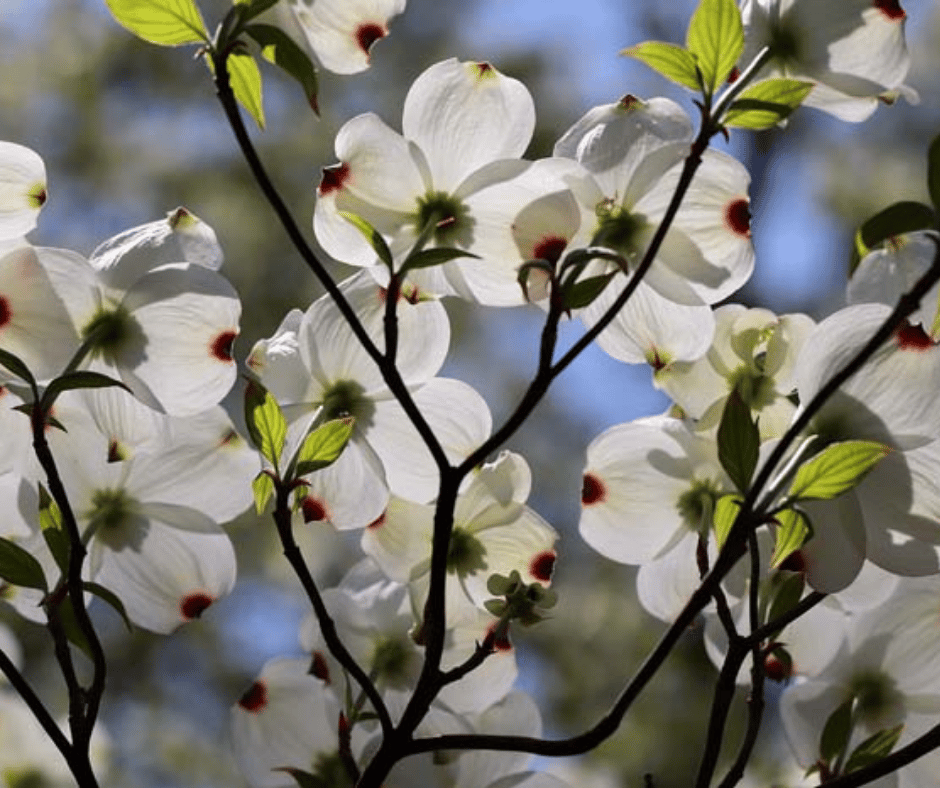
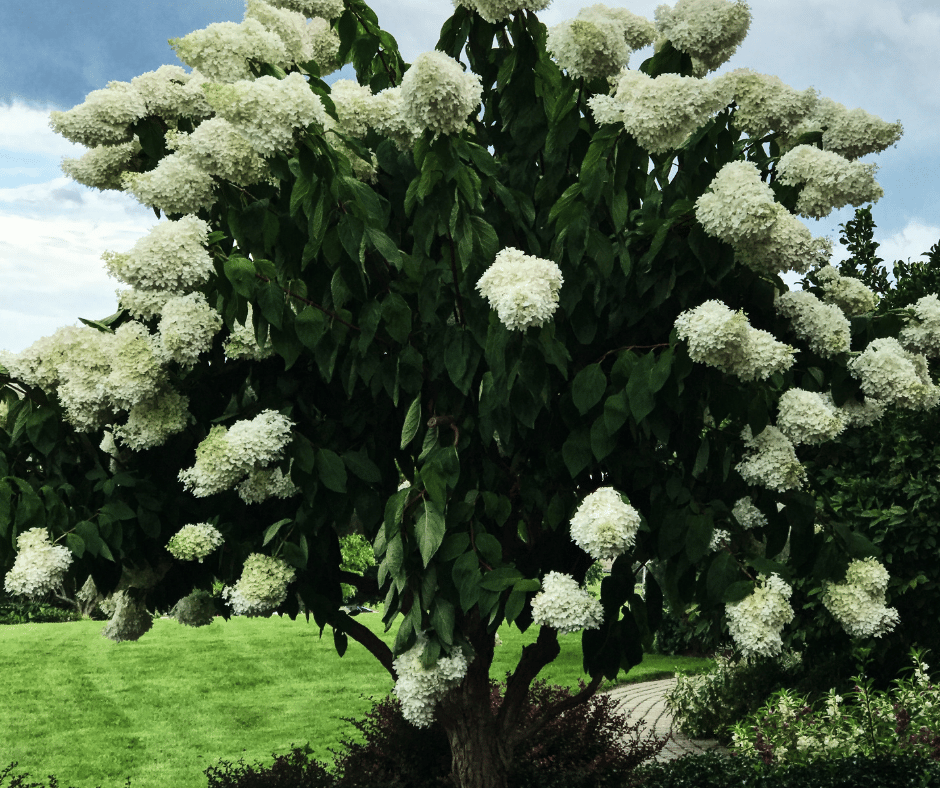
6. Tree Hydrangea (Hydrangea paniculata)
Zones: 3-8
Height: 8-15 feet
Bloom Time: Summer to fall
Unlike most hydrangeas, the Tree Hydrangea forms a small tree-like shape and produces large cone-shaped white flowers that turn pink or red as the season progresses.
Best for: Small gardens, patio plantings, and cottage-style landscapes.
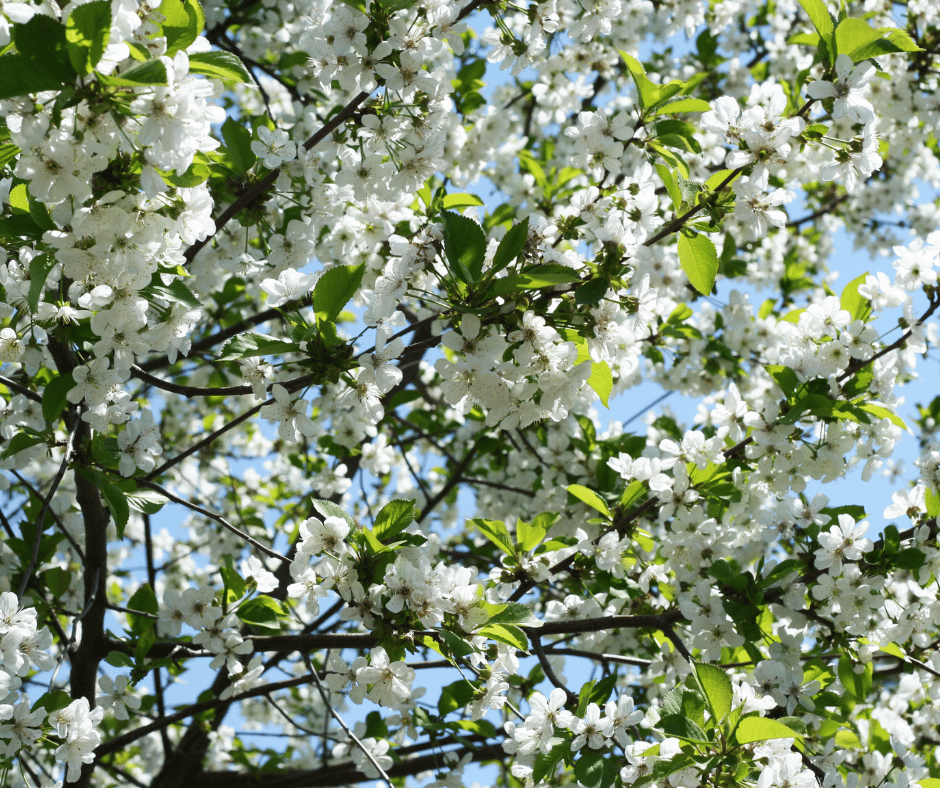
7. Flowering Cherry (Prunus serrulata ‘Dream Catcher’)
Zones: 6-8
Height: 20-25 feet
Bloom Time: Early spring
This breathtaking flowering cherry tree is covered in pale pink blossoms in spring, followed by golden foliage in fall. It’s also highly resistant to pests and diseases.
Best for: Japanese gardens, ornamental landscapes, and street plantings.
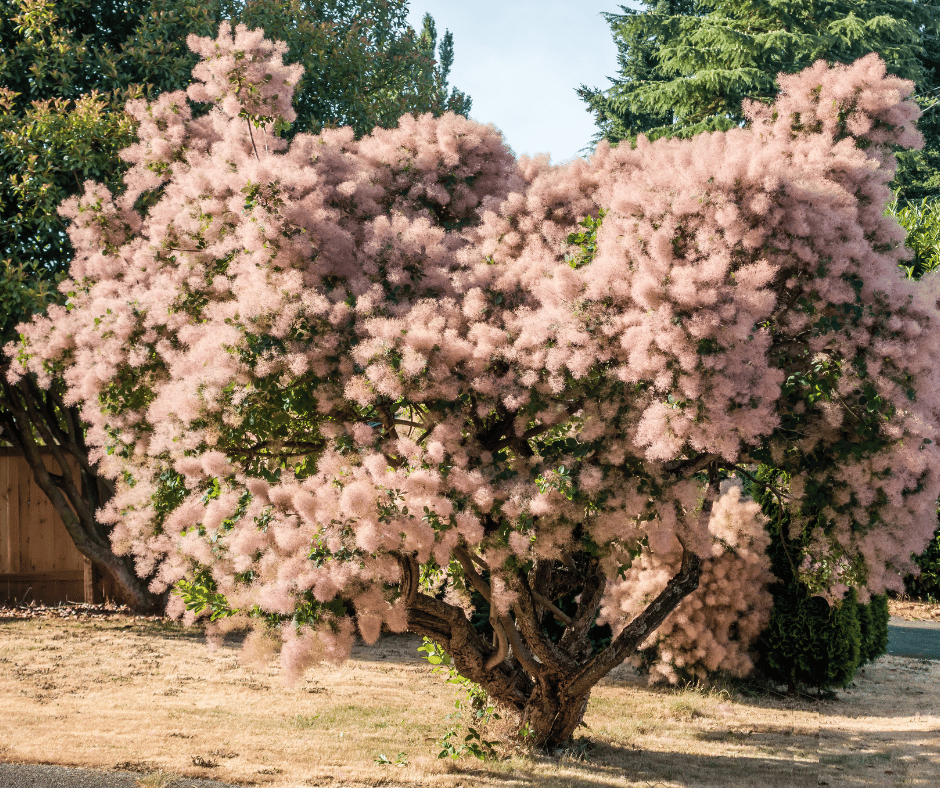
8. Smoke Tree (Cotinus coggygria)
Zones: 5-9
Height: 10-15 feet
Bloom Time: Early summer
The Smoke Tree is named for its wispy, cloud-like pink flowers that resemble smoke. It provides stunning purple, orange, and red foliage in fall.
Best for: Xeriscaping, dry gardens, and dramatic color displays.
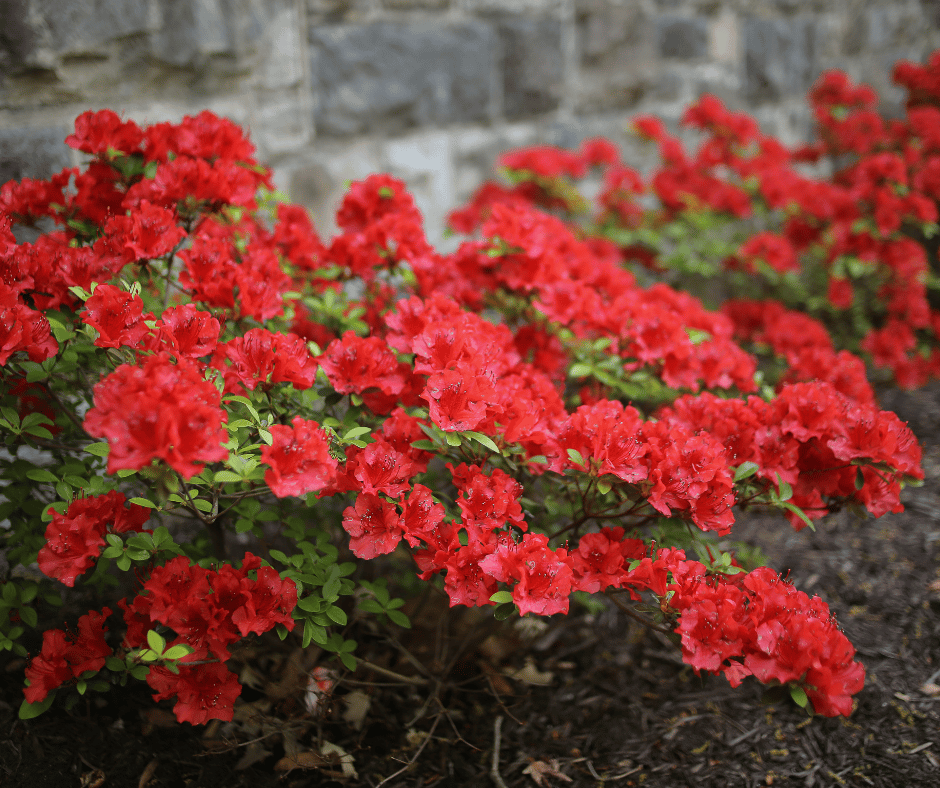
9. Rhododendron & Azalea (Rhododendron spp.)
Zones: 3-9
Height: 4-15 feet
Bloom Time: Spring
These acid-loving shrubs provide massive clusters of colorful flowers in spring. They thrive in partially shaded areas.
Best for: Woodland gardens, shaded landscapes, and foundation plantings.
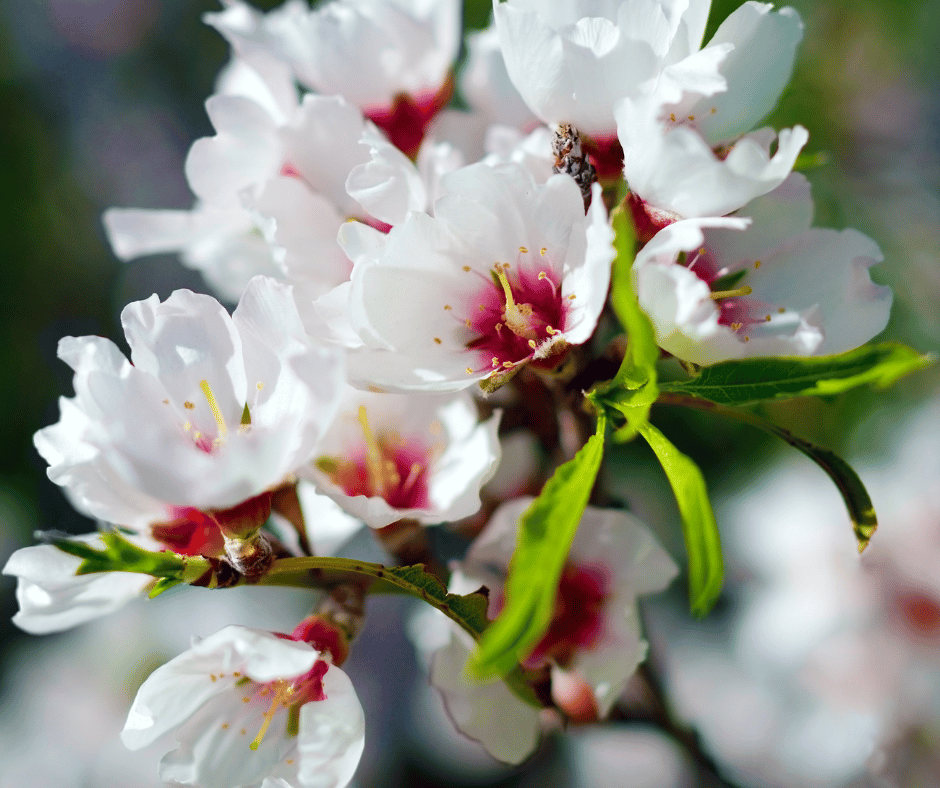
10. Flowering Almond (Prunus triloba)
Zones: 4-8
Height: 10-15 feet
Bloom Time: Spring
The Flowering Almond is an ornamental shrub or small tree that produces gorgeous pink double blooms in early spring.
Best for: Pollinator gardens, hedges, and container planting.
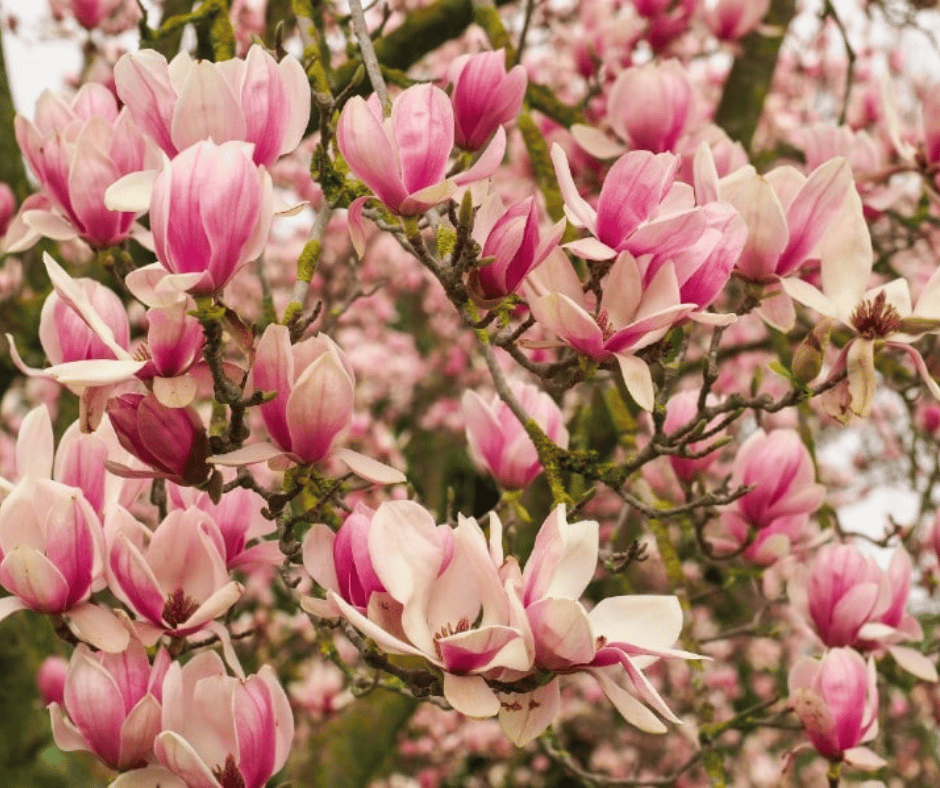
11. Saucer Magnolia (Magnolia × soulangeana)
Zones: 4-9
Height: 15-25 feet
Bloom Time: Early spring
This magnolia variety produces huge, cup-shaped blooms in shades of pink, purple, and white before the leaves emerge.
Best for: Front yards, specimen trees, and formal gardens.
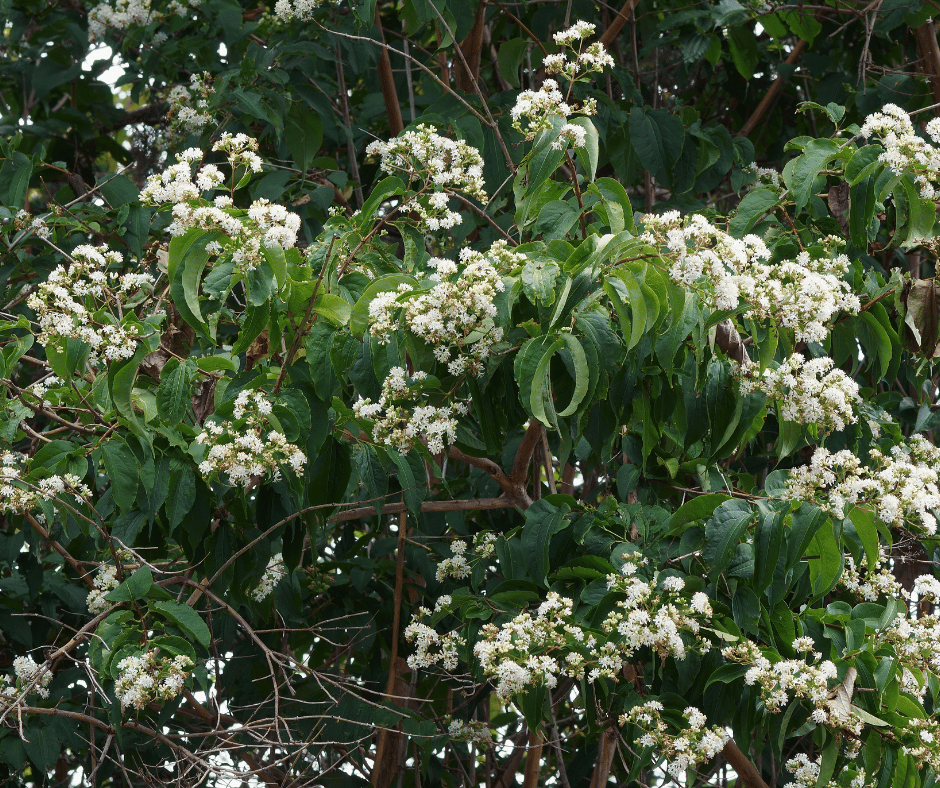
12. Seven-Son Flower (Heptacodium miconioides)
Zones: 5-8
Height: 15-20 feet
Bloom Time: Late summer to fall
This rare tree blooms later in the season, producing clusters of fragrant, pale white flowers followed by showy pink bracts.
Best for: Late-season pollinator gardens and mixed borders.
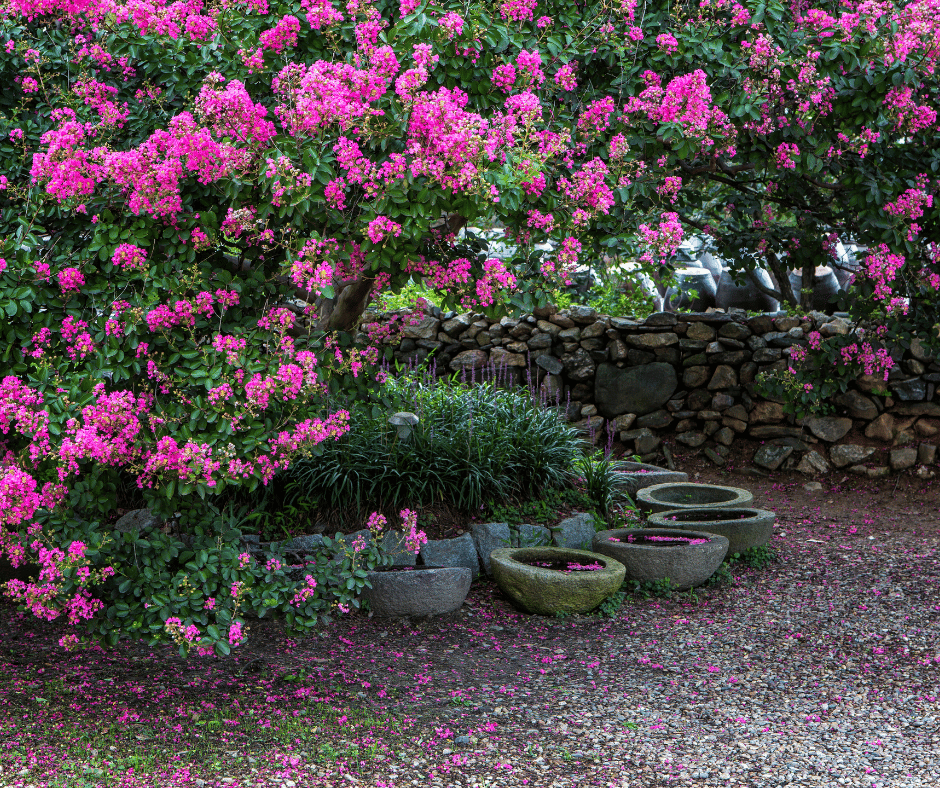
13. Crape Myrtle (Lagerstroemia indica)
Zones: 6-10
Height: 10-30 feet
Bloom Time: Mid-summer to early fall
Crape Myrtles are one of the most popular flowering trees in warm climates. They feature stunning clusters of flowers in pink, purple, red, or white that bloom continuously through summer and into early fall. The bark peels attractively, and in fall, the foliage turns vibrant shades of red, orange, or yellow.
Best for: Southern landscapes, urban streets, and drought-tolerant gardens.
Care Tips: Requires full sun and thrives in well-draining soil. Prune in late winter or early spring for better flowering.
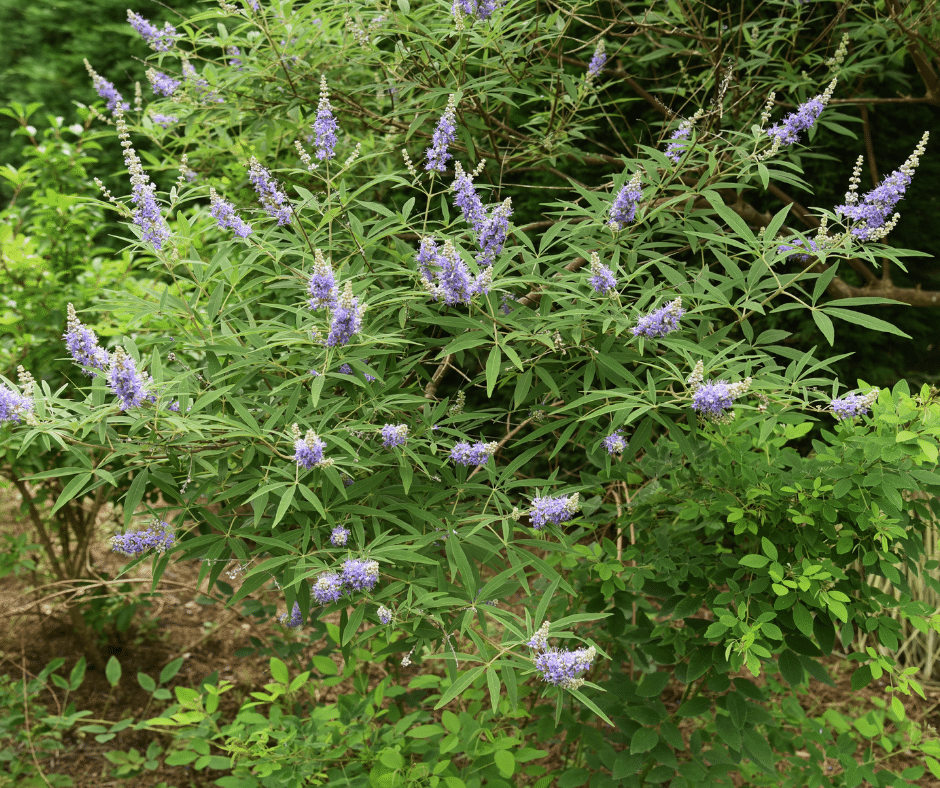
14. Chaste Tree (Vitex agnus-castus)
Zones: 6-9
Height: 10-20 feet
Bloom Time: Summer to early fall
The Chaste Tree is an aromatic, deer-resistant tree that produces lavender-purple flower spikes in mid-to-late summer. It has medicinal properties and is often used in herbal remedies.
Best for: Pollinator gardens, dry landscapes, and heat-tolerant gardens.
Care Tips: Prefers full sun and requires well-draining soil. It is drought-tolerant once established.
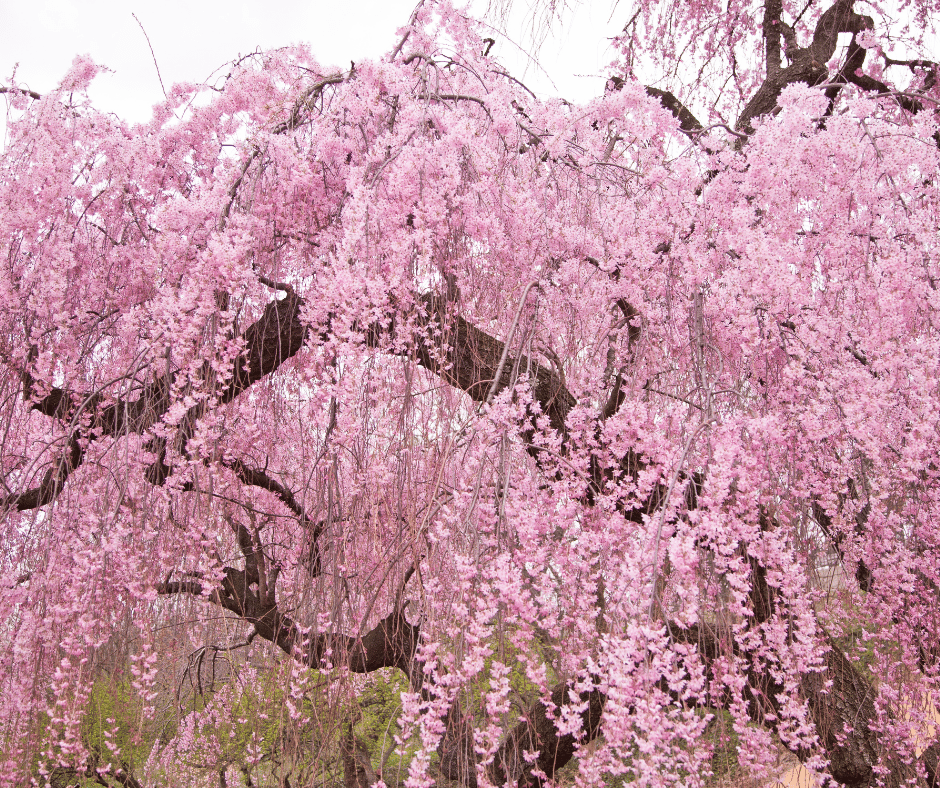
15. Higan Cherry (Prunus subhirtella ‘Autumnalis’)
Zones: 5-8
Height: 20-30 feet
Bloom Time: Spring and fall
This unique cherry tree stands out because it blooms twice a year—once in early spring and again with lighter blooms in fall. The flowers range from blush pink to salmon, making it a striking ornamental tree.
Best for: Small yards, front yard landscapes, and near walkways.
Care Tips: Prefers well-draining, slightly acidic soil and full to partial sun.
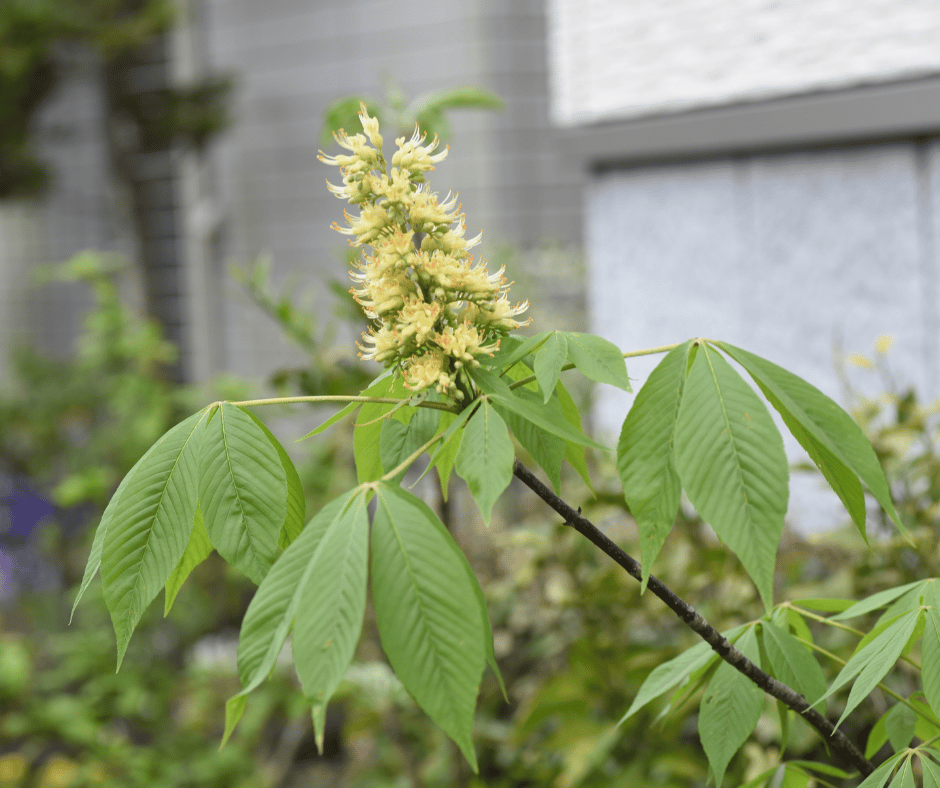
16. Japanese Horse Chestnut (Aesculus turbinata)
Zones: 5-8
Height: 30-50 feet
Bloom Time: Late spring to early summer
The Japanese Horse Chestnut is a fast-growing shade tree that produces large, showy flower spikes in white or pale yellow. It attracts bees and butterflies, making it a great choice for pollinator-friendly gardens.
Best for: Large landscapes, parks, and gardens needing shade.
Care Tips: Thrives in full sun and rich, moist, well-drained soil.
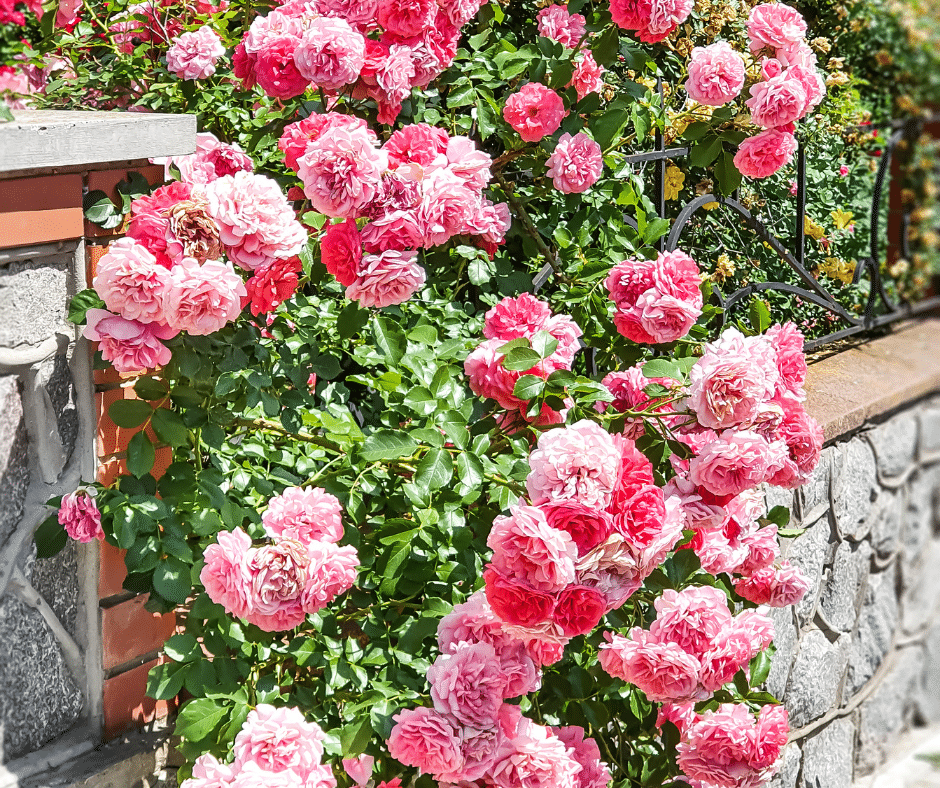
17. Shrub Rose (Rosa spp.)
Zones: 3-10
Height: 2-6 feet
Bloom Time: Spring through fall
Modern shrub roses are low-maintenance, disease-resistant varieties that produce continuous blooms from spring to late fall. They come in a variety of colors, including red, pink, white, and yellow.
Best for: Cottage gardens, flower beds, and urban landscapes.
Care Tips: Requires full sun and regular pruning in early spring for healthier growth.
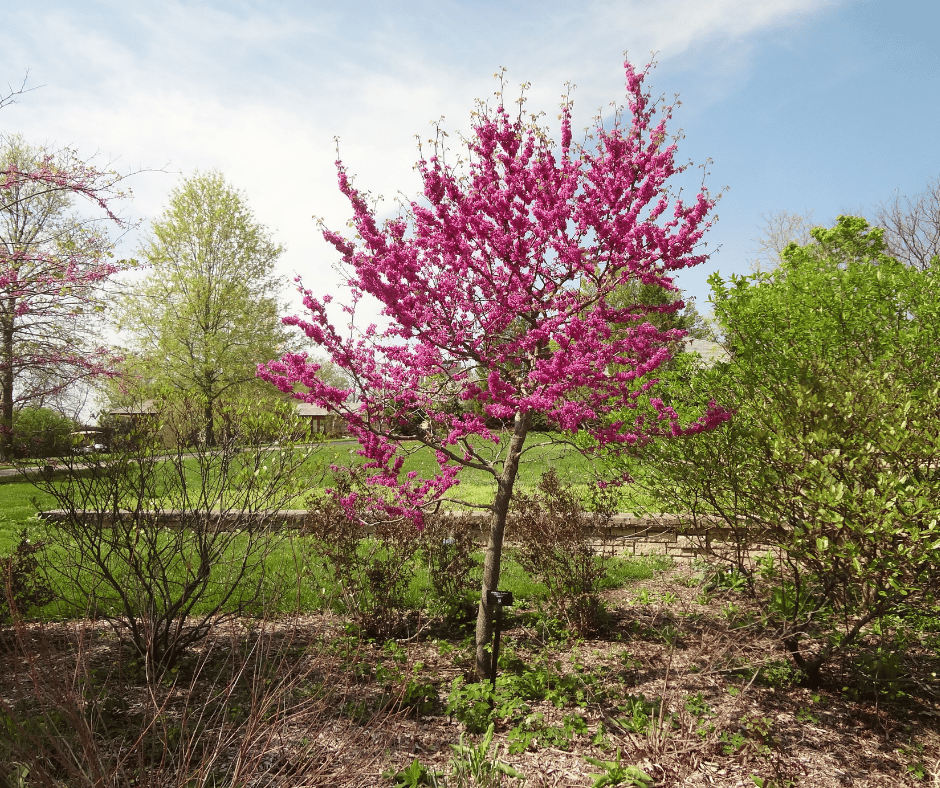
18. Oklahoma Redbud (Cercis canadensis ‘Oklahoma’)
Zones: 6-9
Height: 20-30 feet
Bloom Time: Early spring
The Oklahoma Redbud produces brilliant red-pink flowers before its leaves appear in spring. The heart-shaped leaves turn gold in the fall, adding year-round interest.
Best for: Accent planting, small yards, and pollinator-friendly gardens.
Care Tips: Prefers well-drained soil and full sun to partial shade.
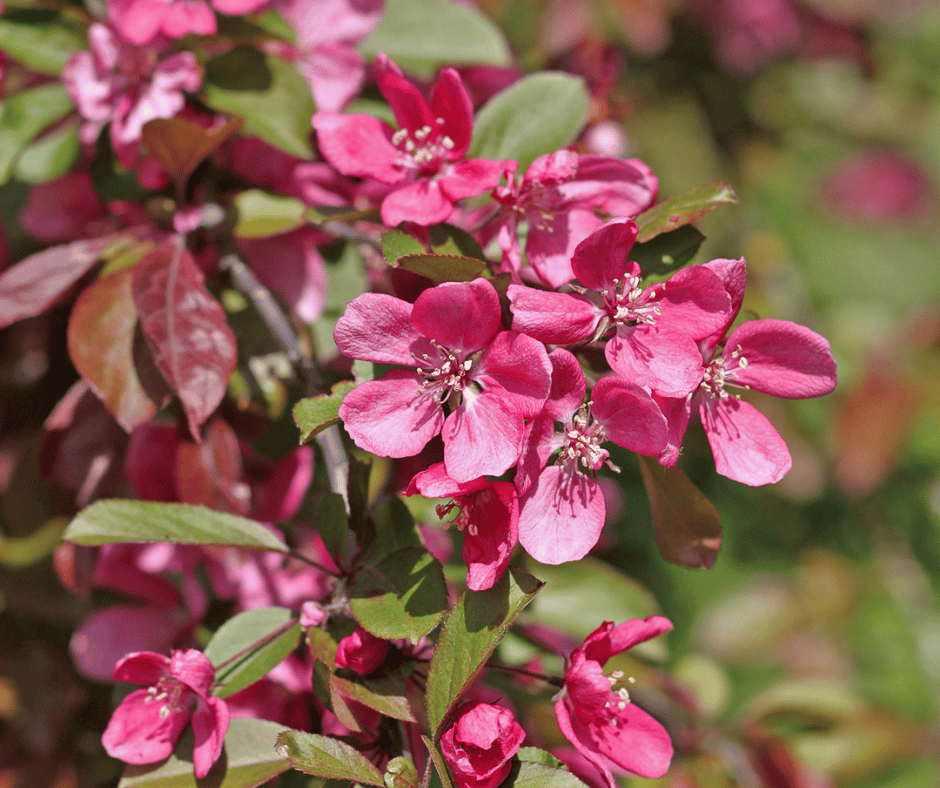
19. Flowering Crabapple (Malus spp.)
Zones: 3-8
Height: 10-25 feet
Bloom Time: Spring
Flowering Crabapple trees offer abundant blooms in pink, white, or red each spring, followed by small edible fruits that attract birds and wildlife.
Best for: Urban landscapes, backyard wildlife gardens, and mixed borders.
Care Tips: Prefers full sun and regular pruning for shape and disease prevention.
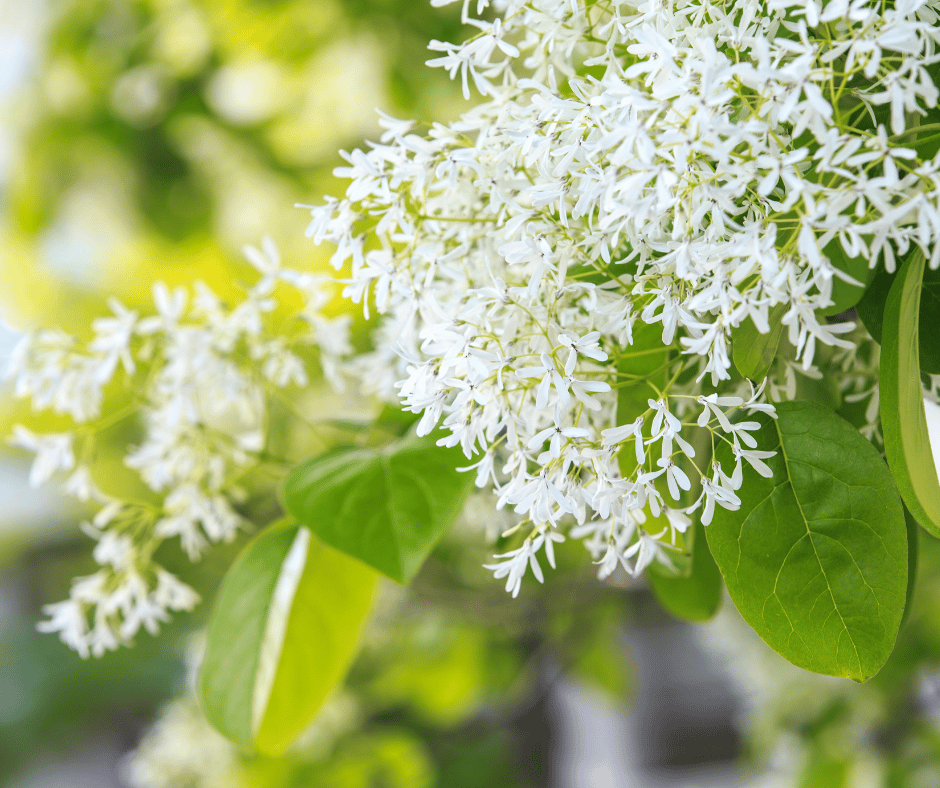
20. American Fringe Tree (Chionanthus virginicus)
Zones: 3-9
Height: 12-20 feet
Bloom Time: Late spring
Often called a “dogwood alternative,” the American Fringe Tree produces fragrant, feathery white flowers that create a cloud-like appearance.
Best for: Native gardens, shade gardens, and pollinator landscapes.
Care Tips: Thrives in full sun to partial shade and adapts to various soil types.
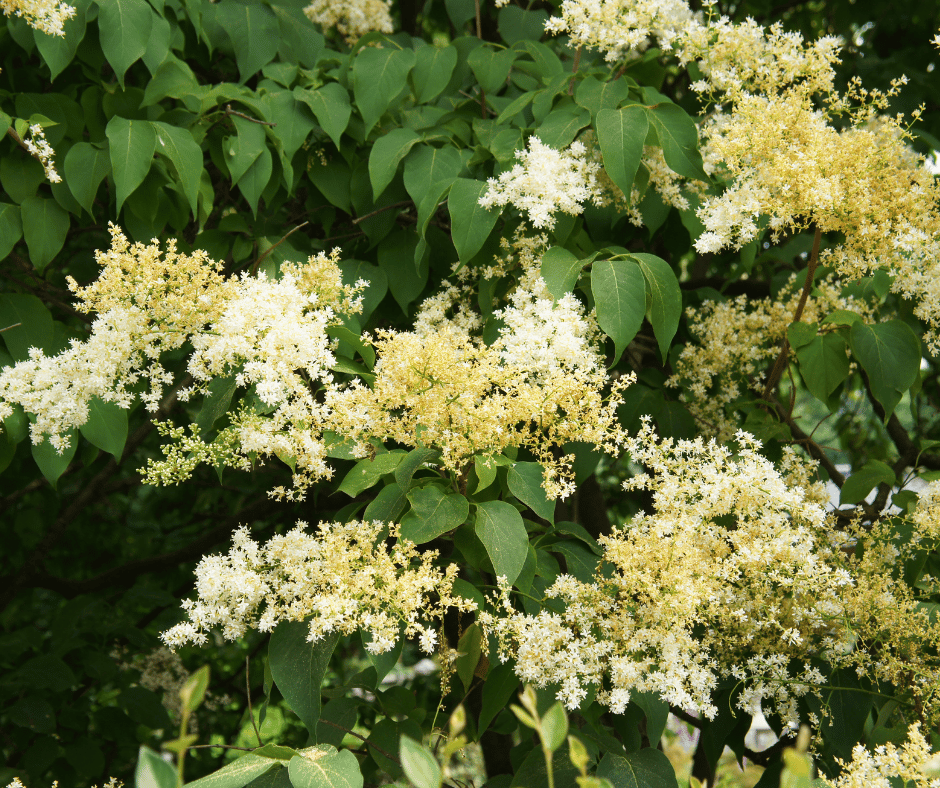
21. Japanese Tree Lilac (Syringa reticulata)
Zones: 4-7
Height: 20-30 feet
Bloom Time: Late spring to early summer
The Japanese Tree Lilac features clusters of creamy-white flowers in early summer, providing fragrance and visual interest long after other spring-blooming trees fade.
Best for: Small gardens, fragrant landscapes, and privacy screens.
Care Tips: Prefers well-drained soil and benefits from late-winter pruning.
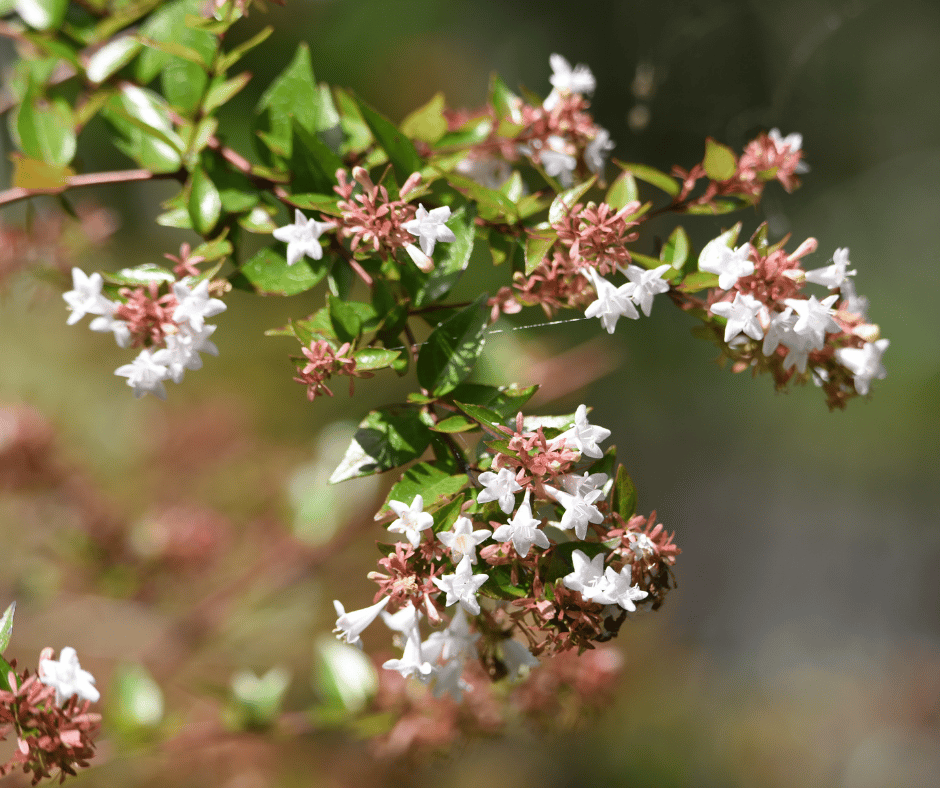
22. Glossy Abelia (Abelia × grandiflora)
Zones: 5-9
Height: 3-6 feet
Bloom Time: Spring through fall
A mounding shrub with arching red branches, Glossy Abelia produces light pink trumpet-shaped flowers and bronze-tinted leaves in the fall.
Best for: Hedge plantings, borders, and foundation plantings.
Care Tips: Requires full to partial sun and benefits from light pruning in early spring.
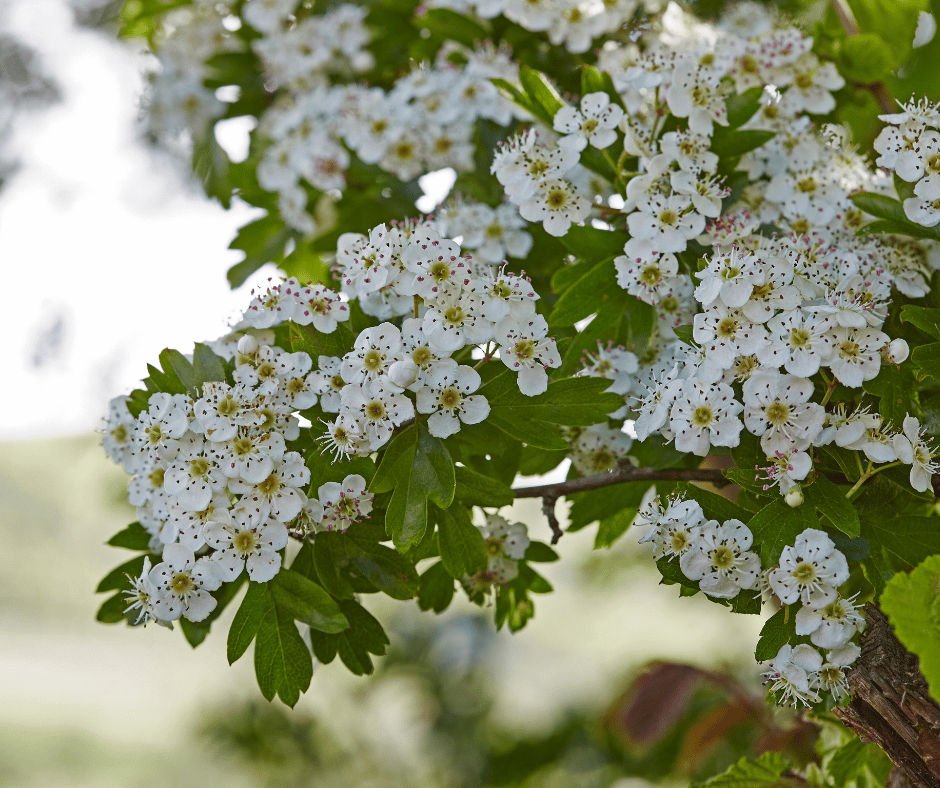
23. Hawthorn (Crataegus spp.)
Zones: 3-7
Height: 15-30 feet
Bloom Time: Spring
Hawthorn trees produce clusters of red, pink, or white flowers in spring, followed by bright red berries that persist into winter, providing food for birds.
Best for: Wildlife gardens, shade trees, and urban landscapes.
Care Tips: Prefers full sun and well-draining soil.
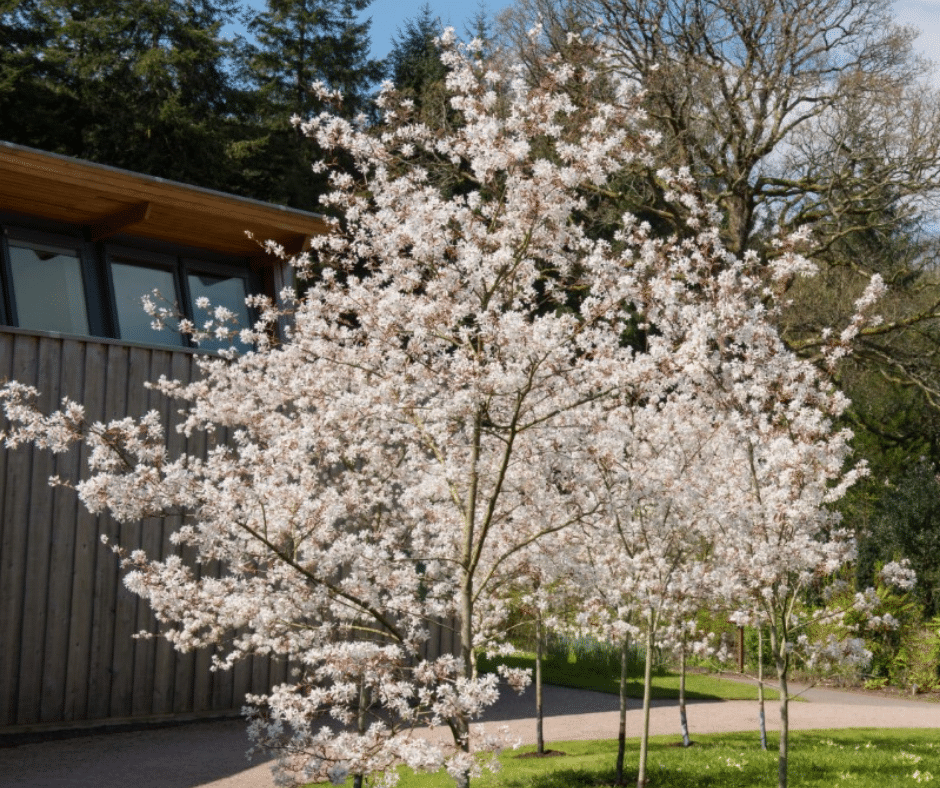
24. Serviceberry (Amelanchier spp.)
Zones: 3-9
Height: 10-25 feet
Bloom Time: Early spring
The Serviceberry produces white spring flowers, followed by small, edible berries that turn from red to purple-black—a favorite for birds and wildlife.
Best for: Edible landscapes, pollinator gardens, and multi-season interest.
Care Tips: Thrives in full sun to partial shade.
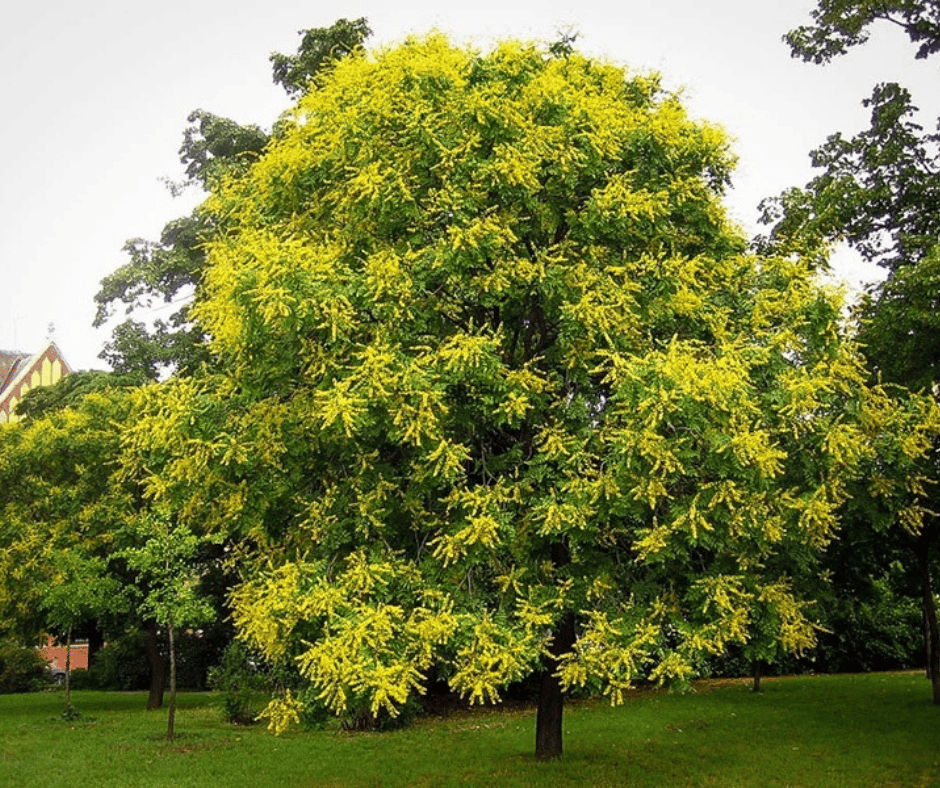
25. Goldenrain Tree (Koelreuteria paniculata)
Zones: 5-8
Height: 20-30 feet
Bloom Time: Early summer
This deciduous tree produces drooping clusters of golden-yellow flowers in early summer, followed by papery seed pods that resemble lanterns.
Best for: Urban landscapes, patios, and seasonal shade.
Care Tips: Drought-tolerant once established; thrives in full sun.
Adding flowering trees and shrubs to your landscape ensures continuous color, fragrance, and wildlife attraction throughout the year.
Which flowering trees and shrubs do you love the most? Let us know in the comments!