If you’ve never heard of the Chinese lantern flower, you’re not alone – but once you’ve seen it, you’ll never forget it.
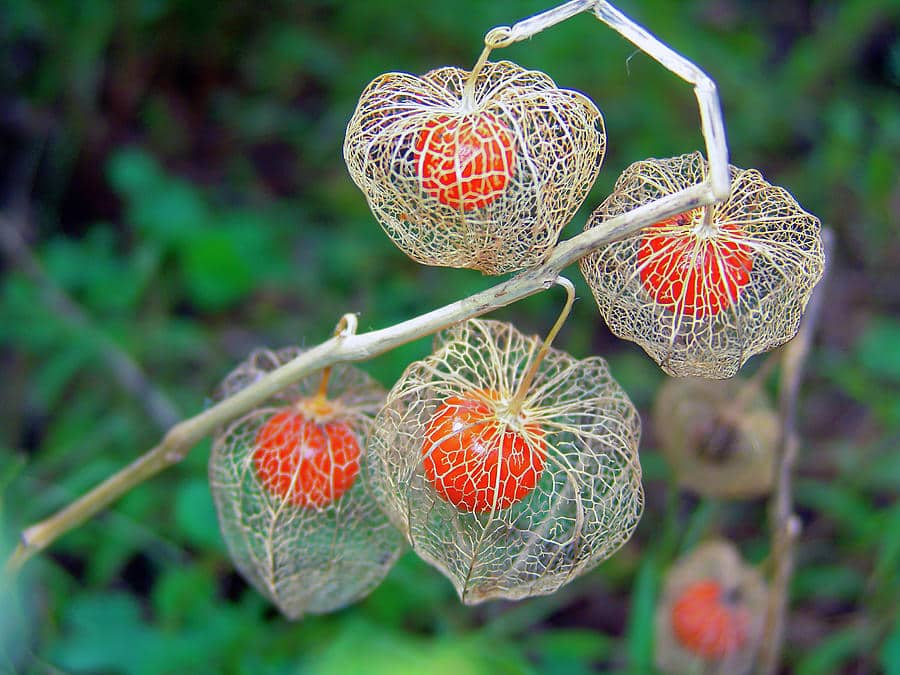
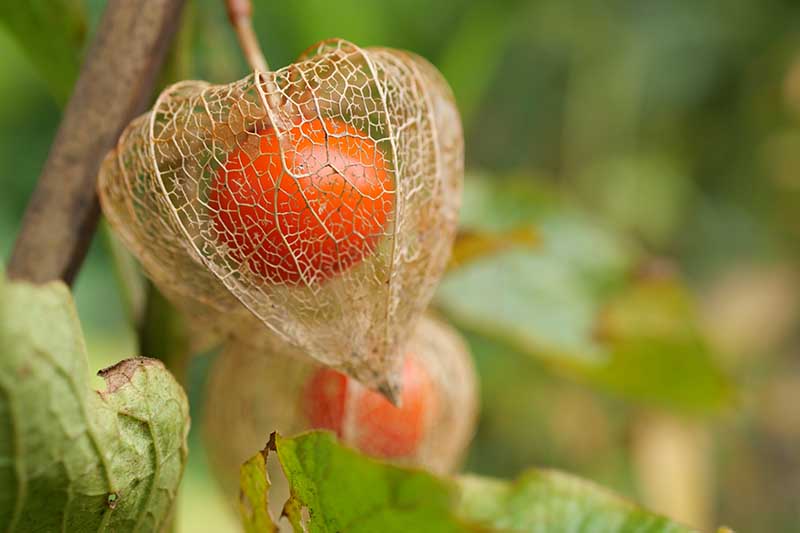
Also called the bladder cherry, winter cherry, or ground cherry, this herbaceous perennial is admired for its vibrant orange, lantern-like husks that encapsulate a small fruit.
These papery husks look like delicate, glowing lanterns hanging from the plant’s branches, adding vivid color and whimsy to the garden in late summer and fall.
The Chinese lantern flower offers more than just ornamental value. Hidden within the lanterns is a small, tomato-like fruit that has been used in traditional Chinese medicine for centuries.
Some varieties are edible when fully ripe, while others are grown solely for their aesthetic appeal. The dried husks also make stunning additions to fall-themed wreaths, dried bouquets, and seasonal centerpieces.
Native to regions of Europe and Asia, Physalis alkekengi has naturalized in many temperate areas and is hardy in USDA Zones 6 through 9. Despite its exotic appearance, it’s easy to grow and care for, whether in-ground or in containers.
Botanical Profile
- Scientific name: Physalis alkekengi
- Common names: Chinese lantern plant, bladder cherry, winter cherry, ground cherry
- Plant type: Herbaceous perennial
- Hardiness: USDA Zones 6–9 (may be overwintered indoors in colder climates)
- Height: 24–36 inches tall
- Spread: 24–36 inches wide
- Flowering period: Summer; orange lanterns form by late summer
- Fruit: Small, red-orange berry enclosed in papery orange husks
Why Grow Chinese Lantern Flowers?
- Decorative appeal: Their vibrant orange husks bring late-season interest to gardens.
- Dried flower arrangements: Husks can be dried and preserved for indoor decoration.
- Traditional medicine: In some cultures, the berries have been used for treating fevers and other ailments.
- Container-friendly: Ideal for pots where spreading can be controlled.
How to Grow and Care for Chinese Lantern Flower
Light Requirements: Chinese lantern plants grow best in full sun, where they produce the most vibrant lanterns.
They can tolerate partial shade, particularly in hot climates where afternoon sun might be too intense. In cooler regions, full sun is recommended to ensure the plant develops its iconic lanterns.
Soil Preferences: They aren’t picky about soil quality and will grow in average garden soil as long as it’s well-draining.
Rich, loamy soils may encourage faster growth and spread, while leaner soils help slow down their vigorous nature. The key is maintaining consistently moist but not soggy soil.
Watering Needs: During the early growing phase, Chinese lantern plants need regular watering to establish strong roots and consistent growth.
Water whenever the top inch of soil feels dry. Once mature, the plant becomes moderately drought-tolerant but will thrive and produce more lanterns with regular moisture.
Temperature and Humidity: Chinese lanterns are adaptable to a wide range of conditions. They prefer moderate temperatures and do not have specific humidity needs.
In colder zones, frost will cause them to die back to the ground, but they’ll return in spring from underground rhizomes. In containers, bring them indoors before the first hard frost to overwinter.
Fertilizing Tips: A light application of balanced fertilizer (10-10-10 or 14-14-14) in early spring can encourage healthy growth.
Avoid over-fertilizing, especially in rich soil, as this may promote excessive leaf growth at the expense of flowers and lanterns. Too much nitrogen can also lead to root rot.
Container Growing: Given its tendency to spread through underground rhizomes, Chinese lantern is an excellent candidate for container growing.
Choose a large, well-draining pot and keep it slightly root-bound to help curb its aggressive behavior. You can sink containers into garden beds for a natural look while keeping roots contained.
Pruning and Maintenance: Deadhead faded blooms to redirect energy into lantern formation. In late fall, cut back the plant to just above ground level once the foliage dies off.
In early spring, apply a layer of compost or mulch to retain moisture and suppress weeds.
Propagation: Chinese lantern plants can be propagated from seed or root division.
From Seed: Sow seeds indoors 6 to 8 weeks before the last frost date. Germination takes 2–4 weeks at 60–70°F.
From Division: In early spring or fall, dig up mature clumps and divide rhizomes with a sharp knife. Replant immediately.
Potential Problems:
Invasive tendencies: Chinese lanterns spread rapidly via underground rhizomes and can quickly overtake garden beds if not managed. Use root barriers or grow in containers.
Pests and diseases: Generally pest-resistant but may occasionally attract aphids or spider mites. Good air circulation helps prevent fungal issues.
Toxicity: While the ripe fruit of some species may be edible, unripe fruits and other parts of the plant may be toxic. Always confirm edibility before consuming.
Drying and Preserving Chinese Lanterns: Harvest lanterns in late summer or early fall when the husks are bright orange and fully formed. Cut stems and hang them upside-down in a dry, dark place for 2–3 weeks. Once dried, they can be used in vases, wreaths, and seasonal décor.
Chinese lantern flowers are a showstopping addition to gardens and patios, offering unmatched ornamental value and a bit of old-world charm.
While they can be vigorous growers, especially in rich soil, they’re easy to manage with a little care and foresight.
Whether you grow them for their glowing beauty, medicinal history, or decorative use in dried flower arrangements, Chinese lanterns bring both novelty and timeless appeal to any landscape.