Air plants, also known as Tillandsias, are some of the most fascinating houseplants you can grow. With their alien-like appearance, rootless form, and soil-free lifestyle, they look like something from another world.
But these unique plants are very much of this Earth – native to the Americas, ranging from the southern United States all the way down to Argentina and Chile.
Whether nestled in a glass terrarium, perched on driftwood, or hanging in mid-air, air plants are an eye-catching addition to any indoor garden.
With over 600 species and countless cultivars, Tillandsias vary widely in shape, color, and size. Most air plants are compact, ranging from just 2 to 12 inches tall, though some larger species can grow much bigger.
Despite their exotic look, air plants are surprisingly low-maintenance once you understand their basic needs.
This comprehensive guide will explore their natural habitat, how they grow, what makes them so unique, and how to keep them thriving in your home.
What Are Air Plants?
Air plants belong to the bromeliad family (Bromeliaceae) and are classified as epiphytes, which means they grow on other plants for support, not nourishment.
In the wild, they attach themselves to trees, rocks, and cliffs using small root systems, while absorbing moisture and nutrients through their leaves.
They feed on rainwater, mist, decaying leaves, and even bird droppings – absorbed through specialized cells called trichomes on their foliage.
Unlike terrestrial plants, Tillandsias do not require soil, making them extremely versatile for creative indoor arrangements.
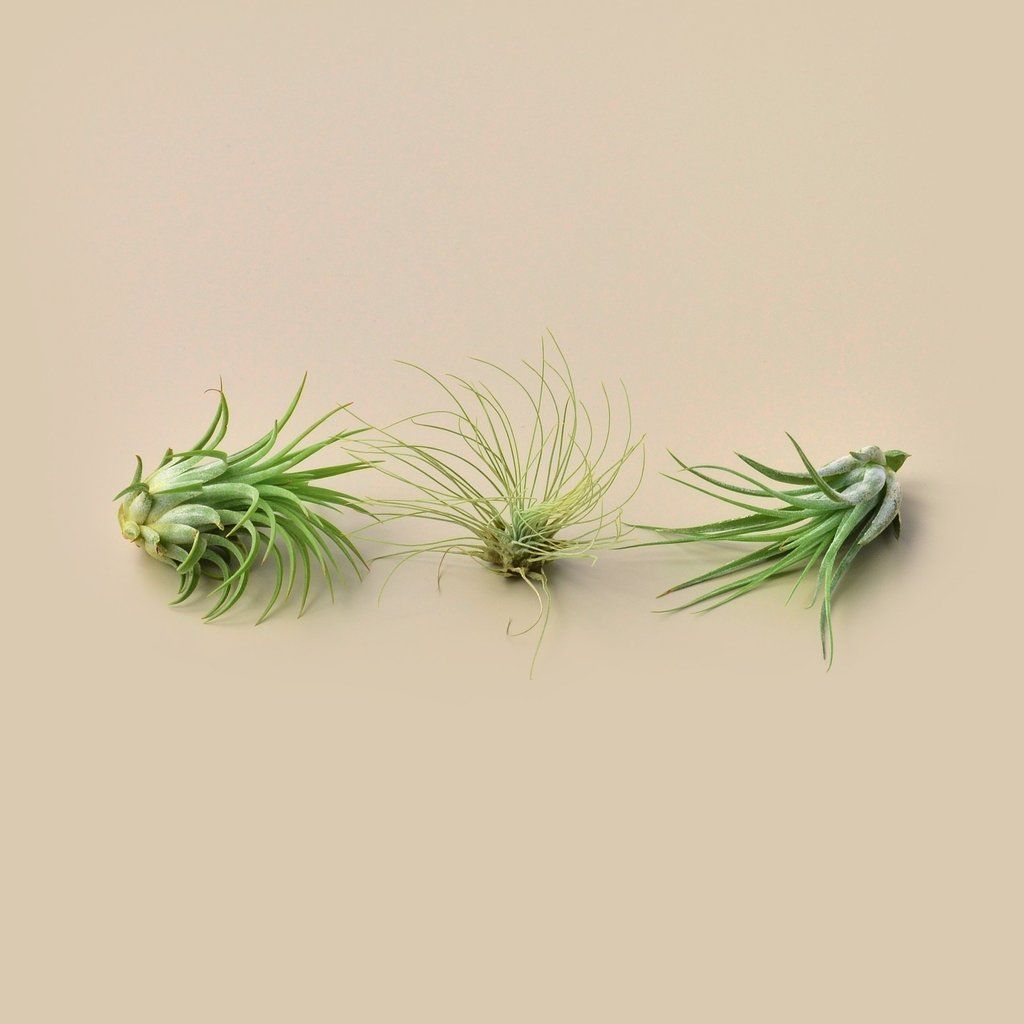
They grow in a rosette form with strappy, sometimes curly or fuzzy leaves that range in color from pale silver to bright green.
Some species are soft and feather-light, while others are firm and structured. Many air plants also bloom, sending up brightly colored flowers in pink, purple, red, or orange that can last from several days to several months.
Air Plant Care: What You Need to Know
Caring for air plants isn’t difficult, but it does require a different approach from traditional houseplants.
Here’s a breakdown of the essential elements for successful indoor air plant care:
Light Requirements
Air plants thrive in bright, indirect light. Too much direct sun, especially through glass, can scorch their leaves, while too little light will stunt growth and prevent blooming.
The ideal spot is near an east- or south-facing window, shielded by a sheer curtain or blinds.
Artificial light can also be sufficient. Full-spectrum fluorescent lights or LED grow lights placed within a few feet of the plants work well if natural light is limited. Avoid placing air plants in dark corners or areas without consistent light exposure.
Temperature and Humidity
Tillandsias are tropical and subtropical plants, so they prefer temperatures between 50°F and 86°F (10°C to 30°C). They do not tolerate frost, so never place them in drafty areas during winter or outdoors unless nighttime temperatures remain warm.
Humidity plays a vital role in their health. In nature, many Tillandsias thrive in moist, humid air. In drier indoor environments, especially during winter when heating systems run, you’ll need to provide extra humidity through regular misting or soaking.
Watering Your Air Plants
Contrary to their name, air plants don’t live on air alone. They require regular hydration to survive.
In general:
- Soak your air plants in room-temperature water for 20–30 minutes once a week.
- After soaking, gently shake off excess water and let the plant dry completely within 3 to 4 hours. This prevents rot, especially at the base.
- In drier climates or during hot weather, misting the plants a few times between soakings is beneficial.
Avoid using distilled or softened water, as it can be harmful over time. Rainwater or filtered tap water is ideal.
Watch for signs of dehydration, such as curling leaves or a shriveled appearance. Well-hydrated air plants will look plump and vibrant.
Fertilizing Air Plants
Feeding air plants encourages blooming and offsets (baby plants) production. Use a bromeliad or air plant-specific fertilizer diluted to 1/4 strength, applied once or twice a month during the growing season. Add the fertilizer to your soaking water or use it as a foliar spray.
Propagation: Offsets and Blooms
Once an air plant matures, it produces a flower spike and may bloom in stunning hues. After blooming, the plant starts producing small offsets or “pups” at its base.
These can be left to cluster naturally or gently separated once they’re about 1/3 the size of the mother plant.
Each air plant will flower only once in its lifetime, but it continues its legacy through these pups. Over time, a single plant can turn into a beautiful colony.
Creative Display Ideas for Air Plants
One of the best things about air plants is how easy they are to display creatively:
- Glass terrariums: Perfect for tabletops or hanging arrangements.
- Driftwood mounts: Combine multiple air plants on natural wood for a rustic look.
- Shells or crystals: Nestle air plants in sea shells or on mineral stones for a magical touch.
- Magnetic holders: Great for refrigerators or metal surfaces.
- Hanging displays: Use wire, string, or macramé to suspend air plants from the ceiling or wall.
Just remember: air plants need air circulation. Don’t keep them in sealed containers for extended periods, and make sure they dry thoroughly after watering.
Top 5 Air Plant Varieties for Beginners
If you’re new to growing Tillandsias, these are excellent species to start with:
1. Tillandsia ionantha (Sky Plant)
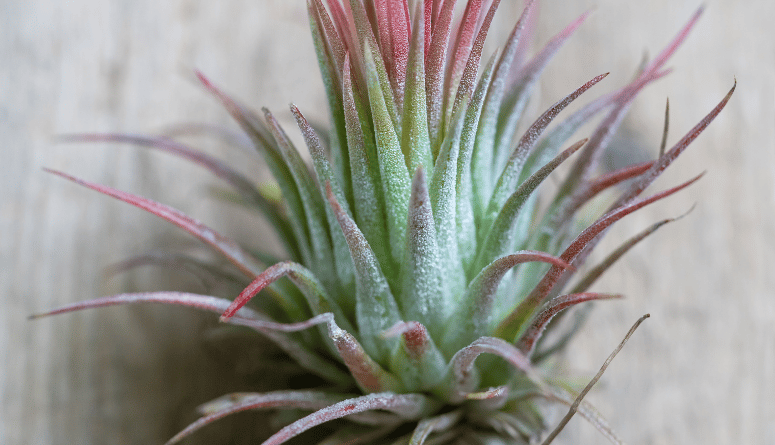
Arguably the most popular air plant, Tillandsia ionantha is compact, hardy, and nearly impossible to kill. Its leaves blush bright pink or red before blooming with violet flowers.
It’s also small enough to fit anywhere – on driftwood, in shells, or in mini pots.
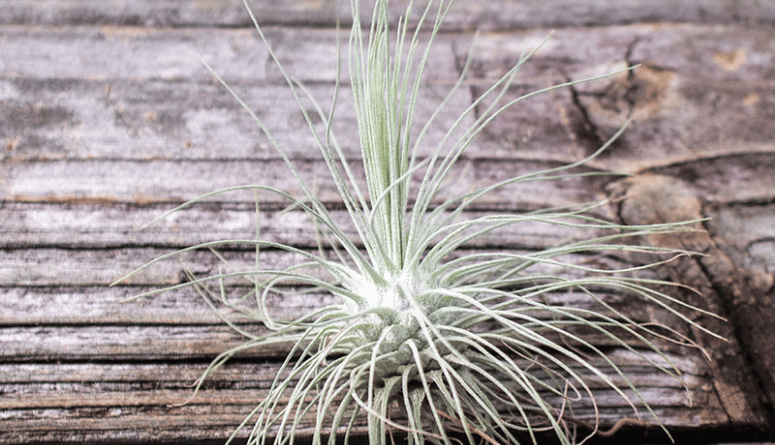
2. Tillandsia fuchsii (Fuchsii v. gracilis)
This tiny variety resembles a silvery hedgehog or sea urchin. With hair-like, delicate leaves, Tillandsia fuchsii is a fun, unique addition to any collection. It thrives in bright light and appreciates extra humidity.
3. Tillandsia kolbii
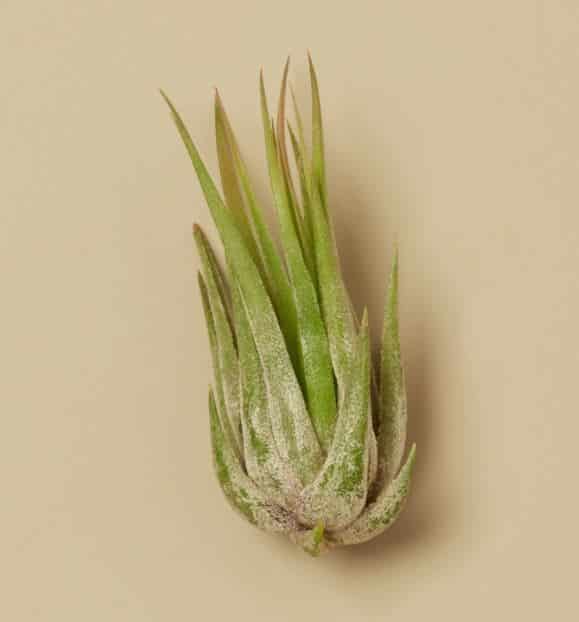
The soft, fuzzy texture of Tillandsia kolbii makes it stand out. Its pale green leaves and upright growth habit give it a compact, tidy appearance. With proper care, it blooms in pink, red, or purple.
4. Tillandsia stricta
With stiff, pointed leaves and a strong shape, T. stricta is another easy grower. It frequently blooms and produces offsets, forming tight clusters over time.
5. Tillandsia caput-medusae
Named after the mythical Medusa, this variety features wavy, twisting leaves that resemble snake-like tendrils. It has a dramatic look and adds flair to any arrangement.
Common Issues and Troubleshooting
- Brown leaf tips: Usually a sign of too little water or low humidity.
- Rotting at the base: Often due to poor drainage or leaving the plant wet for too long after soaking.
- Fading color: May indicate low light or lack of nutrients.
- Not blooming: Can result from insufficient light or failure to fertilize.
Keeping an eye on these signs will help ensure your air plants remain healthy and vibrant.
Air plants are a perfect blend of exotic beauty, creative versatility, and surprisingly simple care. Their unique growing style frees gardeners from the need for pots and soil, opening up a world of design possibilities.
With hundreds of species to choose from, you can collect Tillandsias for years and never run out of new forms to admire.