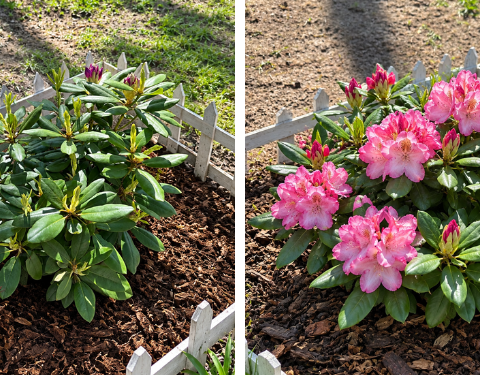
If you’re short on garden space or looking to add a burst of seasonal color to your patio, balcony, or deck, growing flower bulbs in containers is the perfect solution.
Flower bulbs are easy to grow, require minimal maintenance, and offer long-lasting blooms that brighten up any outdoor or indoor space.
With a wide range of colors, shapes, and bloom times, bulbs planted in pots allow you to create layers of continuous floral beauty from late winter through summer.
Container gardening with bulbs is also incredibly versatile. You can move pots around to catch the sun, bring blooms indoors when needed, or group containers for a vibrant display.
Whether you’re a beginner gardener or a seasoned pro, these 8 beautiful bulb flowers are ideal for growing in containers and will transform your space into a miniature botanical garden.
1. Tulips
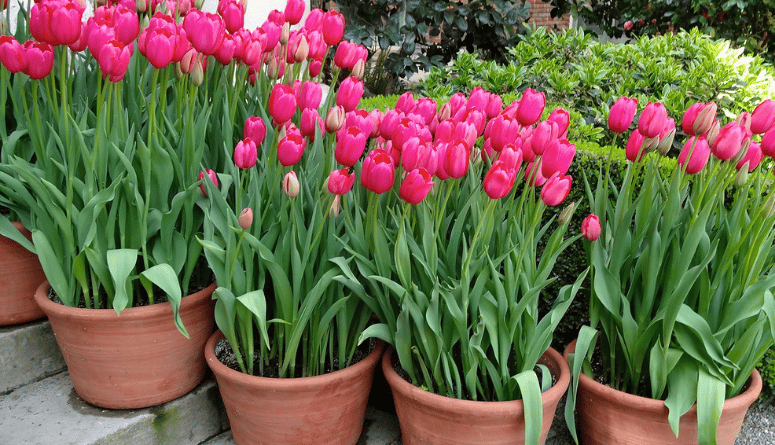
Tulips are one of the most popular spring-blooming bulbs and look especially elegant when planted in pots.
The upright blooms come in every color imaginable – from soft pastels to bold, saturated reds and purples.
Tulips thrive in containers because they appreciate the excellent drainage and quick-drying soil that pots provide.
- Plant tulip bulbs in autumn, placing them pointy-side up and about 4–6 inches deep.
- Choose a sunny location with at least 6 hours of direct light per day.
- For a stunning effect, plant bulbs close together – almost shoulder to shoulder – but not touching.
- Water after planting and then only when the soil feels dry to the touch.
Tulips bloom in early to mid-spring and are perfect for window boxes, urns, or clusters of terracotta pots.
2. Hyacinths (Hyacinthus orientalis)
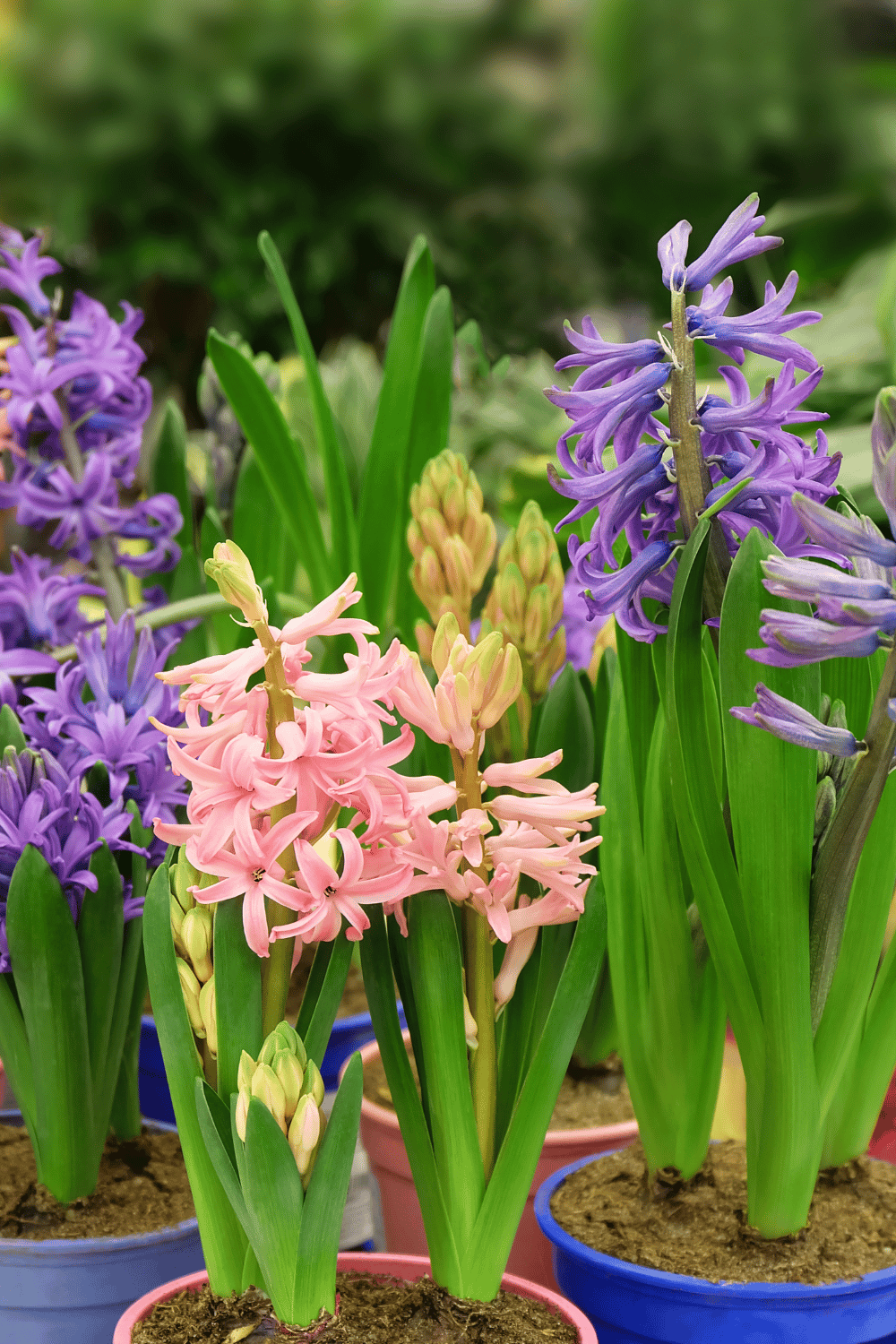
Hyacinths are compact, fragrant bulbs that produce dense spikes of flowers in shades of pink, purple, white, and blue.
They work beautifully in small to medium containers, making them perfect for tabletops, entrances, or small patios.
- Plant bulbs indoors in late fall if forcing for early bloom, or plant outside in containers for natural spring flowering.
- Use a well-draining potting mix and plant bulbs about 3–4 inches deep.
- Hyacinths prefer cool conditions and will bloom earlier if chilled.
In addition to their vibrant colors, hyacinths are prized for their sweet scent that perfumes the air, especially when planted near entryways or windows.
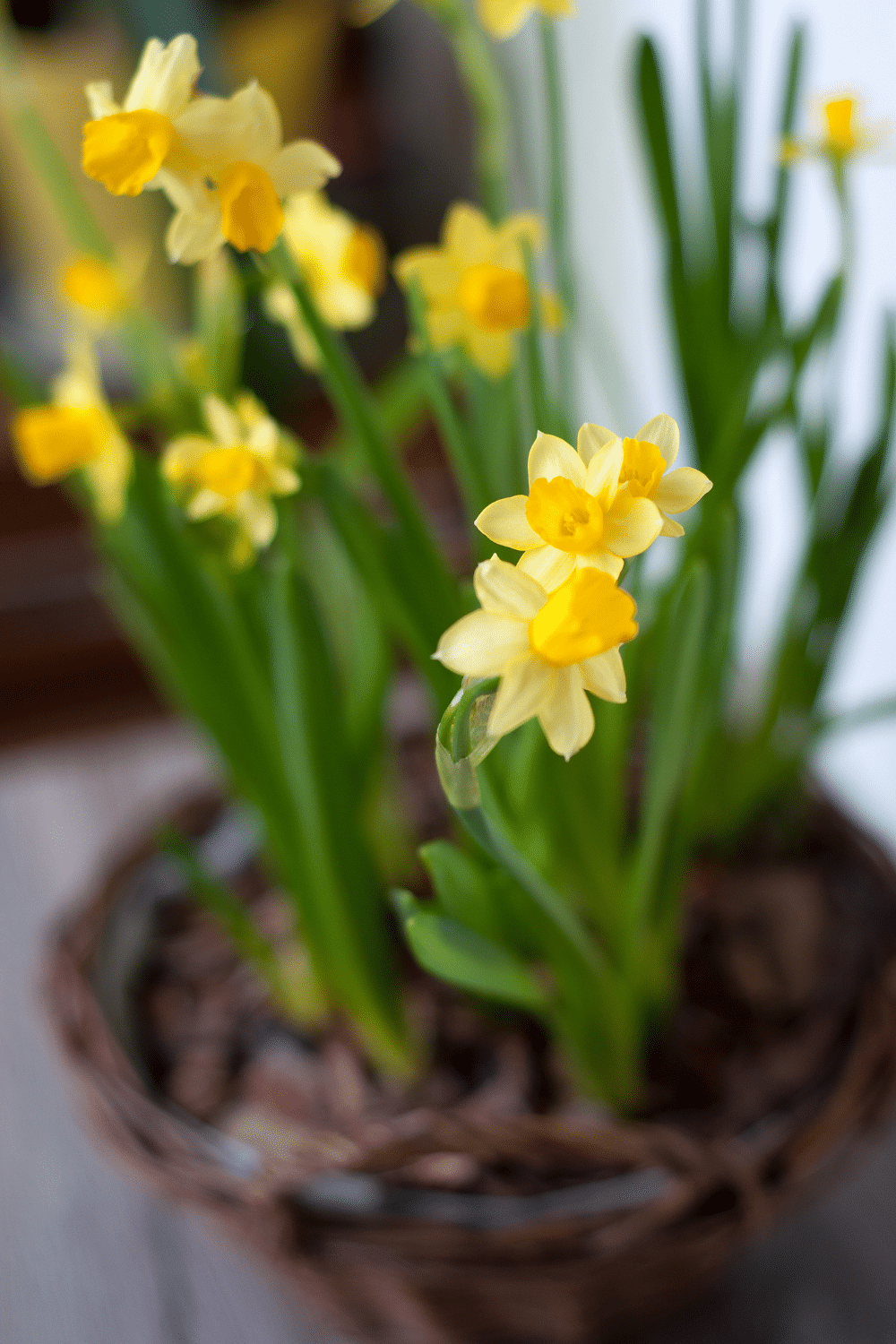
3. Daffodils (Narcissus spp.)
Daffodils are cheerful, hardy bulbs that signal the arrival of spring.
They come in traditional yellow as well as white, orange, and bi-color varieties. Daffodils grow well in pots and are ideal for cooler climates.
- Plant bulbs in autumn, spacing them 4–6 inches apart and about twice as deep as their height.
- Use a lightweight container mix that drains easily.
- Place containers in a sunny to partially shaded spot.
After flowering, allow the foliage to die back naturally before removing the bulbs for storage or keeping the container in a dormant state until the next growing season. Daffodils are also resistant to deer and rodents.
4. Crocus (Crocus sativus)
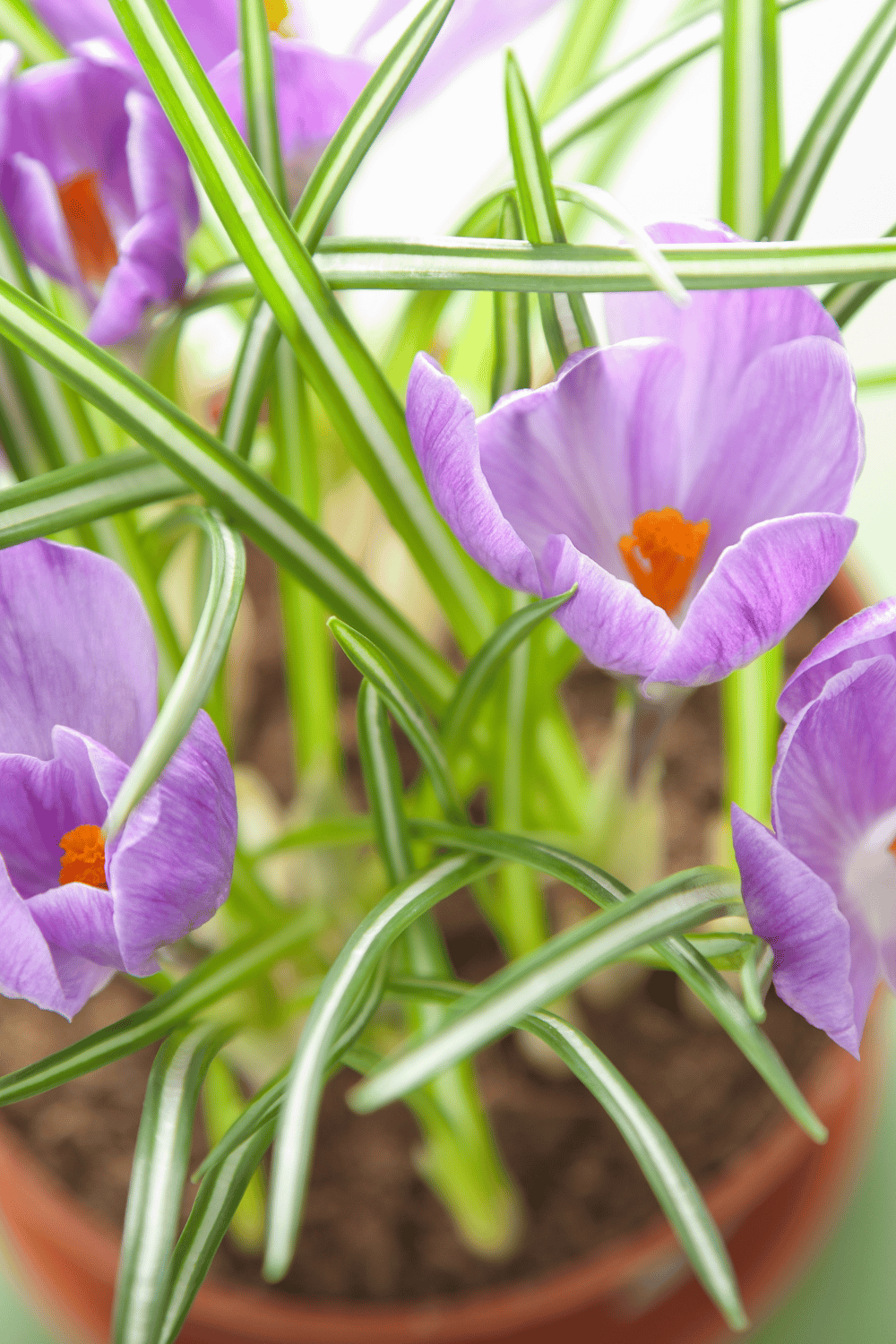
Crocuses are petite yet powerful spring bloomers that look lovely in small pots or grouped in clusters.
These early bloomers often emerge while snow is still on the ground and bring bold pops of purple, yellow, or white to your containers.
- Plant crocus bulbs in late fall, about 3 inches deep and 2–3 inches apart.
- Crocuses are cold-hardy and tolerate frost well.
- Choose a spot that gets full sun or light afternoon shade.
Place crocus-filled pots on patios, tables, or window ledges for an early touch of spring beauty.
5. Bluebells (Hyacinthoides non-scripta)
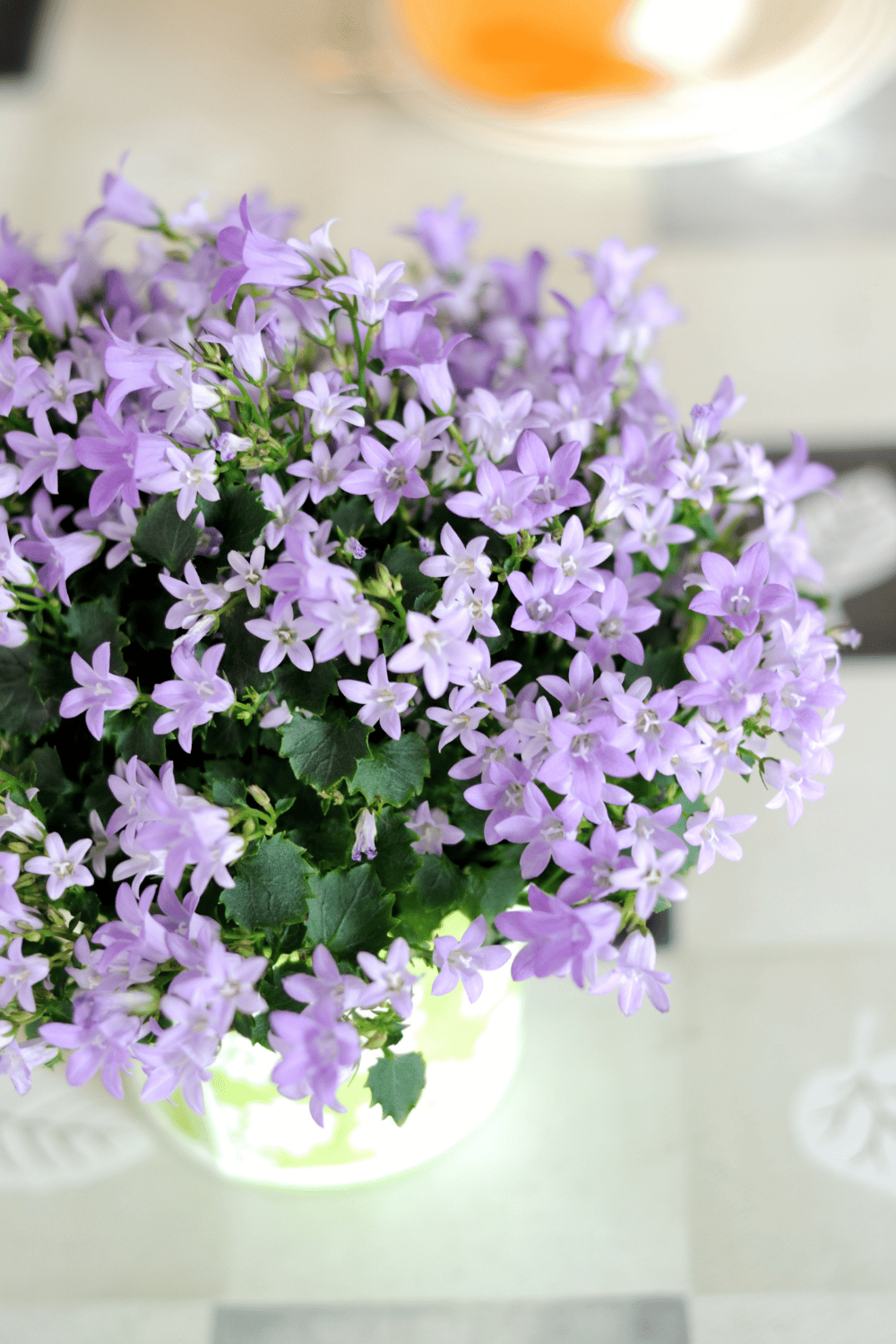
Bluebells are classic woodland flowers that produce bell-shaped, nodding blue blossoms on arching stems.
While they naturally thrive in forested areas, they also perform well in containers, especially in shaded spots.
- Plant bulbs in fall, about 4 inches deep and spaced closely for a dense effect.
- Choose a container that is at least 10 inches deep.
- Bluebells prefer partial to full shade and cool, moist conditions.
Their graceful arching blooms make them perfect for hanging baskets, shady porch corners, or woodland-themed garden setups.
6. Millenium Flowering Onion (Allium ‘Millenium’)
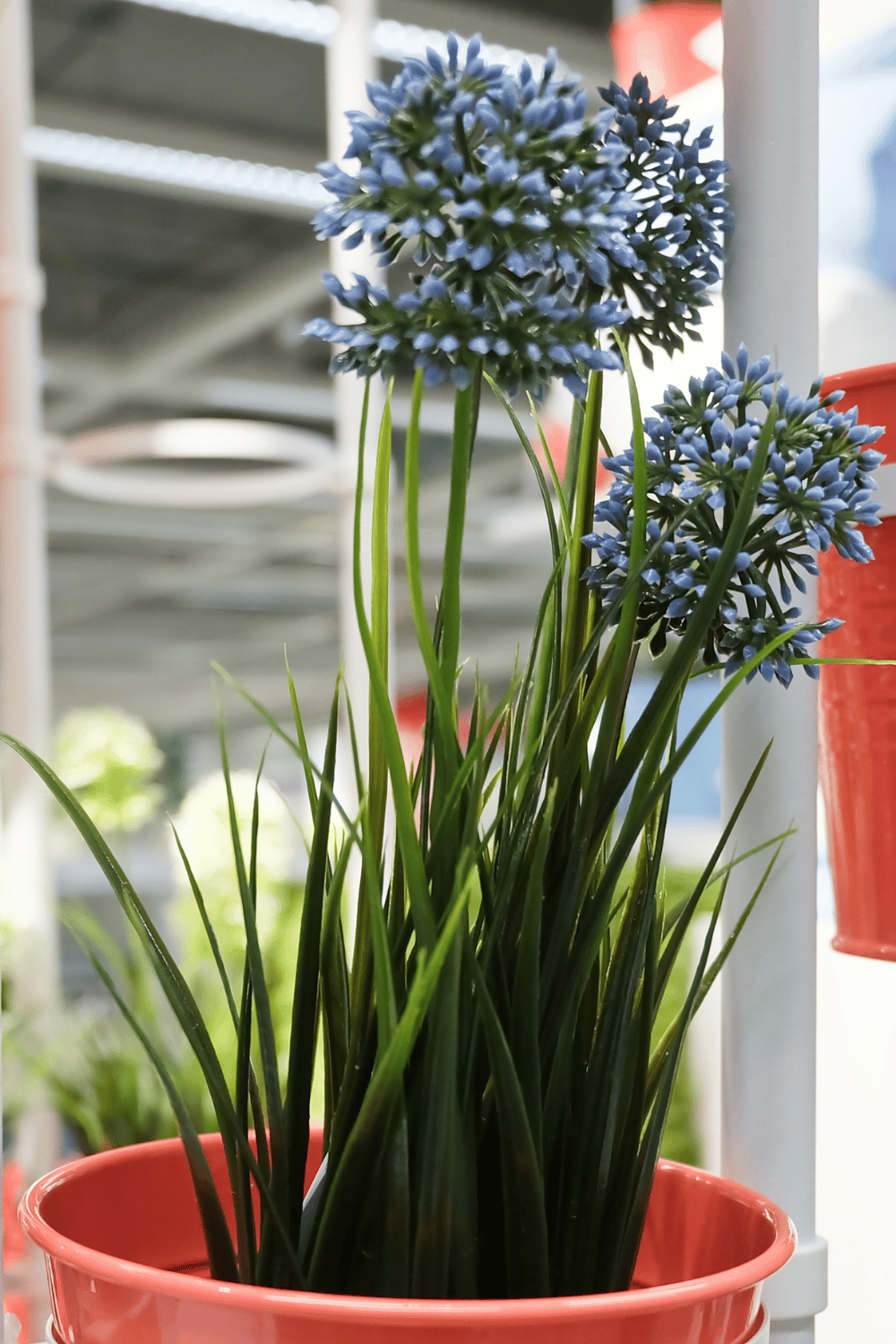
Alliums are ornamental flowering onions that bring architectural interest to container gardens. ‘Millenium’ is a particularly compact variety with globes of rich purple flowers atop upright stems and neat, strappy foliage.
- Plant bulbs about 3 inches deep in well-draining soil.
- Space bulbs at least 6 inches apart for adequate air circulation.
- Alliums thrive in full sun and drier conditions, making them low-maintenance.
Their globe-shaped blooms are long-lasting and excellent for attracting bees and butterflies.
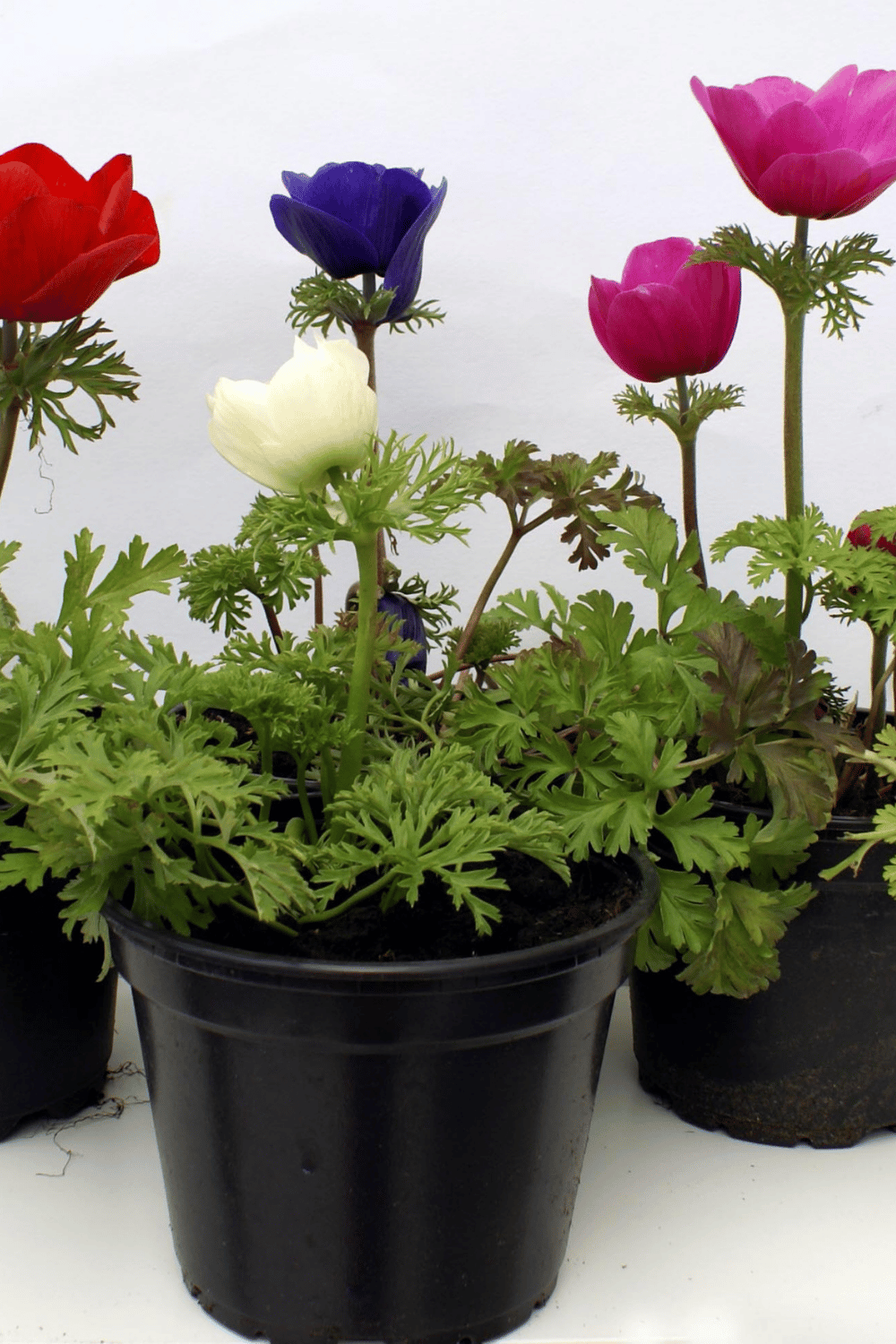
7. Anemones (Anemone coronaria)
Anemones are elegant, poppy-like flowers that burst into bloom with bold colors including red, pink, purple, and white.
They are perfect for containers and produce multiple blooms per bulb over an extended period in spring.
- Soak corms in water for a few hours before planting to help them sprout faster.
- Plant in groups, about 2 inches deep and 3 inches apart.
- Place in a sunny location, and keep the soil lightly moist.
Anemones offer dazzling color in compact spaces and pair well with tulips or ranunculus for a mixed-spring display.
8. Iris (Iris germanica)
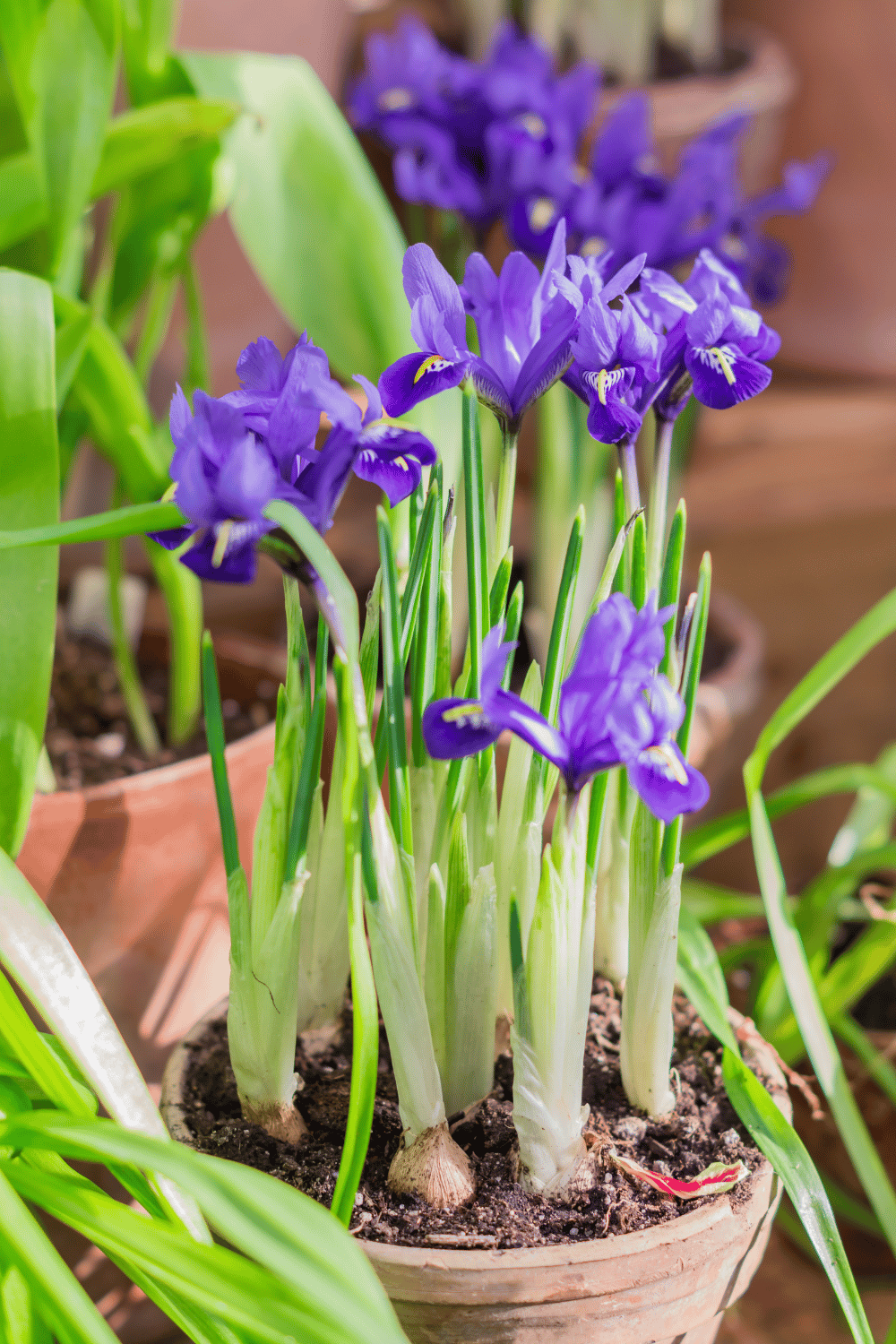
Irises are known for their dramatic, ruffled flowers and sword-like leaves. While they are often grown in garden beds, they also do well in containers – especially dwarf or bearded varieties that don’t require deep soil.
- Choose a pot with good drainage and plant rhizomes shallowly—just below the surface.
- Keep the pot in full sun for strong flowering.
- Water sparingly; irises don’t like to sit in wet soil.
As soon as flower buds begin forming, you can bring the pot indoors for a splash of spring color. After blooming, divide rhizomes to refresh your stock for the next season.
Growing bulbs in containers is one of the easiest and most rewarding ways to enjoy seasonal flowers with flexibility and style.
Whether you have a compact urban balcony, a sunny windowsill, or a large backyard patio, there’s always room for a container or two bursting with color.
By choosing bulbs with different blooming periods, you can create a rotating display of flowers that lasts from early spring into summer.