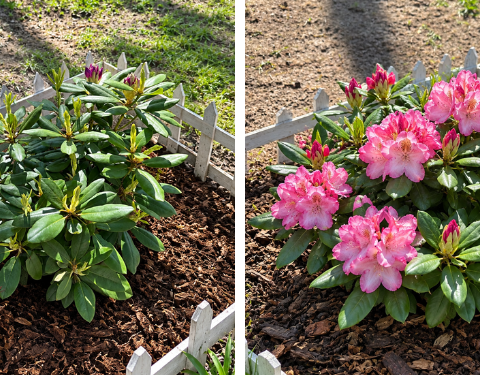
Imagine a garden bursting with color year after year, with minimal effort on your part. That’s the magic of blooming perennials – the plants that keep on giving.
Unlike annuals, which complete their life cycle in a single season, perennials come back every year, saving you time, money, and labor while providing an ever-growing display of beauty.
Even better, some perennials are known for their incredible longevity, lasting not just years but decades, withstanding harsh winters and blazing summers, and thriving with surprisingly little care once established.
If you’re dreaming of a garden that looks gorgeous year after year, here are 11 blooming perennials that last (almost) forever.
1. Peonies (Paeonia spp.)
- Bloom time: Late spring to early summer
- Light requirements: Full sun to partial shade
- Zones: 3–8
Peonies are the aristocrats of the perennial garden. With their large, lush blossoms and heavenly fragrance, these plants can live for 50 years or more in the same spot.
Why they last so long: Peonies have sturdy underground root systems that store energy for the next season, making them incredibly resilient.
Care tips:
- Don’t plant them too deep; eyes should be only 1-2 inches below the soil.
- Avoid heavy fertilizers; peonies prefer modest feeding.
- Provide support for heavy blooms.
Peonies come in many varieties, from classic pinks and whites to striking reds and yellows, making them a timeless garden staple.
2. Coneflower (Echinacea spp.)
- Bloom time: Summer to fall
- Light requirements: Full sun
- Zones: 3–9
Native to North America, coneflowers are a pollinator magnet, attracting bees, butterflies, and even goldfinches who feast on their seed heads.
These drought-tolerant perennials can last for decades once established. Their daisy-like flowers with prominent cone centers add vibrant color to beds and borders.
Why they last so long: They’re adapted to tough prairie conditions and regenerate easily from their robust roots.
Care tips:
- Deadhead for more blooms, or leave seed heads for winter interest and birds.
- Divide clumps every 3–4 years to maintain vigor.
3. Daylilies (Hemerocallis spp.)
- Bloom time: Early summer to fall (many reblooming varieties)
- Light requirements: Full sun to partial shade
- Zones: 3–9
Daylilies are one of the toughest and longest-lived perennials you can plant. Despite each bloom lasting just one day, mature plants produce dozens of buds, creating a long-lasting display.
Many gardeners report daylily clumps thriving for 30-40 years without missing a beat.
Why they last so long: Thick, fleshy roots store nutrients and water, helping plants withstand drought and neglect.
Care tips:
- Divide every few years if clumps become overcrowded.
- Remove spent flowers to tidy up the plant.
Available in nearly every color except true blue, daylilies are virtually foolproof for gardeners of all skill levels.
4. Siberian Iris (Iris sibirica)
- Bloom time: Late spring to early summer
- Light requirements: Full sun to partial shade
- Zones: 3–9
Siberian irises are elegant, low-maintenance perennials known for their delicate, grass-like foliage and refined blooms in shades of purple, blue, and white.
Why they last so long: They tolerate a wide range of soil conditions and remain disease-resistant. Many gardeners enjoy clumps that thrive for 20 years or more without division.
Care tips:
- Keep soil slightly moist but well-drained.
- Divide every decade or so to rejuvenate growth.
Their upright form and fine foliage look beautiful even after blooming ends.
5. Bleeding Heart (Dicentra spectabilis)
- Bloom time: Spring
- Light requirements: Partial to full shade
- Zones: 3–9
With its arching stems and dangling pink or white heart-shaped flowers, Bleeding Heart is a springtime showstopper.
Why they last so long: Bleeding hearts are shade-loving perennials with deep, fleshy roots that help them survive year after year. Many thrive for decades in woodland gardens.
Care tips:
- Avoid disturbing roots once planted.
- Provide mulch to keep soil cool and moist.
Even when they go dormant in summer heat, their roots rest beneath the soil, preparing for the next spring’s performance.
6. Black-eyed Susan (Rudbeckia fulgida)
- Bloom time: Mid-summer to fall
- Light requirements: Full sun
- Zones: 3–9
Black-eyed Susan’s cheerful yellow petals and dark centers light up gardens for weeks on end.
Why they last so long: As native prairie plants, Rudbeckias adapt well to different soil conditions and self-seed easily, ensuring a steady display for years.
Care tips:
- Deadhead for prolonged blooms.
- Divide clumps every few years if they become crowded.
Perfect for mass plantings, Black-eyed Susans provide long-lasting color and pollinator support.
7. Hellebore (Helleborus spp.)
- Bloom time: Late winter to early spring
- Light requirements: Partial to full shade
- Zones: 4–9
Often called Lenten roses, Hellebores are prized for blooming when few other plants dare—sometimes peeking through snow.
Why they last so long: They’re extremely hardy and can live for decades without division. Once established, they’re nearly indestructible.
Care tips:
- Remove old leaves in late winter to reveal blooms.
- Plant in well-drained soil rich in organic matter.
Their evergreen foliage adds beauty year-round in shady spots.
8. Sedum (Sedum spp.)
- Bloom time: Summer to fall
- Light requirements: Full sun
- Zones: 3–9
Sedum, or stonecrop, is a diverse group of succulent perennials, from creeping ground covers to tall, upright varieties like Sedum ‘Autumn Joy.’
Why they last so long: Sedums thrive on neglect, tolerate drought, and can live for decades without fuss.
Care tips:
- Ensure excellent drainage, especially in winter.
- Divide every few years to rejuvenate plants.
In addition to long bloom times, Sedum provides winter interest with its attractive seed heads.
9. Baptisia (Baptisia australis)
- Bloom time: Late spring to early summer
- Light requirements: Full sun
- Zones: 3–9
Also known as false indigo, Baptisia is a statuesque perennial with lupine-like spikes of blue, white, or yellow flowers.
Why they last so long: Once established, Baptisia develops a deep taproot that makes it drought-tolerant and nearly permanent, with plants living 20–30 years or longer.
Care tips:
- Avoid moving them once planted.
- Minimal maintenance required aside from cutting back spent flower stalks.
Baptisia’s foliage remains attractive throughout summer, adding structural elegance to the garden.
10. Coral Bells (Heuchera spp.)
- Bloom time: Late spring to early summer (some bloom into fall)
- Light requirements: Partial sun to shade
- Zones: 4–9
Heuchera is grown as much for its dazzling foliage as its delicate flower spikes. Modern cultivars offer leaves in shades of burgundy, lime, silver, and deep purple.
Why they last so long: Heucheras form evergreen mounds that return reliably for many years, thriving in both sun and shade.
Care tips:
- Mulch to protect shallow roots.
- Divide every few years if plants become woody.
Excellent for edging, containers, or brightening shady spots.
11. Shasta Daisy (Leucanthemum × superbum)
- Bloom time: Early summer to early fall
- Light requirements: Full sun
- Zones: 5–9
With classic white petals and sunny yellow centers, Shasta daisies bring timeless charm to perennial gardens.
Why they last so long: Hardy and drought-resistant, they thrive for years, often forming lush clumps that bloom profusely.
Care tips:
- Deadhead regularly to prolong bloom.
- Divide every 3–4 years for best vigor.
Their bright blooms are a magnet for butterflies and make wonderful cut flowers.
Benefits of Long-Lived Perennials
Why fill your garden with long-lived blooming perennials?
Because they:
- Save money over time compared to buying annuals every year.
- Provide consistent color and structure.
- Offer habitats for beneficial insects and pollinators.
- Require less maintenance once established.
- Increase your property’s aesthetic appeal and value.
With proper care, many perennials can become legacy plants, delighting generations of gardeners.
Tips for Growing Perennials That Last Decades
To help your perennials thrive for decades:
- Choose varieties suited to your climate and soil.
- Prepare soil well before planting.
- Water deeply to encourage strong root systems.
- Mulch to retain moisture and protect roots.
- Prune and divide as needed to rejuvenate growth.
- Avoid excessive fertilizer, which can shorten perennial lifespan.
If you’re ready to create a garden that’s not only beautiful but built to last, consider planting these blooming perennials that can live almost forever.
From peonies that might outlive you, to rugged coneflowers and delicate hellebores, these plants will reward you with stunning blooms and resilient growth year after year.