When it comes to herbs, basil is one of the most beloved and versatile plants you can grow.
From its unmistakable fragrance to its central role in dishes like pesto, caprese salad, and fresh pasta sauces, basil is a must-have for any gardener, cook, or health enthusiast.
Fortunately, growing basil at home is simple and highly rewarding. Whether you’re planting it in a backyard garden, a patio container, or a kitchen windowsill, basil thrives with just a bit of care and attention.
In this detailed guide, you’ll learn everything you need to know about how to grow basil successfully from seed or starter plant, care for it through every stage, and harvest it for maximum flavor and yield.
Why Grow Basil?
- Fresh Supply: Nothing compares to the flavor of fresh-picked basil leaves.
- Cost-Effective: Growing basil is much cheaper than buying bunches from the store.
- Easy to Grow: Basil is beginner-friendly and thrives in small spaces.
- Health Benefits: Basil is packed with antioxidants, vitamins, and anti-inflammatory compounds.
- Pest-Repelling: Basil can naturally repel mosquitoes and flies, making it a useful companion plant.
Whether you want to whip up homemade pesto or enjoy fragrant greenery on your windowsill, growing basil is a fantastic choice.
Different Types of Basil
There are many varieties of basil, each with unique flavors, aromas, and appearances.
Some popular types include:
- Sweet Basil: The classic basil used in Italian cooking, with large green leaves and a mild, sweet flavor.
- Genovese Basil: A cultivar of sweet basil with extra-large leaves and intense aroma—perfect for pesto.
- Thai Basil: Has a spicy, licorice-like flavor with purple stems and narrow leaves, ideal for Asian cuisine.
- Lemon Basil: Infused with a citrus aroma, great for teas and desserts.
- Purple Basil: Deep violet leaves with a slightly spicier taste, often used for decorative purposes.
- Holy Basil (Tulsi): Sacred in India, used medicinally and for tea, with a spicy, peppery flavor.
Choosing the right variety depends on your cooking style, climate, and garden goals.
When to Plant Basil
Basil is a warm-weather plant that loves the heat and hates the cold. It is highly sensitive to frost, so timing is crucial.
Outdoors: Plant basil outdoors after all danger of frost has passed and when night temperatures consistently stay above 50°F (10°C). The ideal growing temperature is between 70–85°F (21–29°C).
Indoors: You can start basil indoors 4–6 weeks before the last expected frost. Sow seeds in small pots or seed trays placed in a warm, sunny location.
Basil grows quickly and can go from seed to harvest in as little as 6 to 8 weeks under ideal conditions.
Where to Plant Basil
Basil needs a few specific growing conditions to truly thrive:
Sunlight: Basil loves full sun. Provide at least 6 to 8 hours of direct sunlight daily. Indoors, place basil in the sunniest window available or use grow lights.
Soil: Use well-draining, nutrient-rich soil. A slightly acidic to neutral soil pH of 6.0–7.0 is ideal. Amend garden beds with compost to improve soil structure and fertility.
Space: If planting multiple basil plants, space them 10–12 inches apart to allow for good airflow and vigorous growth.
Containers, raised beds, and traditional garden beds all work well for basil, provided it gets enough sunlight and warmth.
How to Plant Basil
Whether you’re starting from seeds or seedlings, planting basil is straightforward:
Growing Basil from Seeds
- Prepare the Soil: Fill seed trays or small pots with moist, quality seed-starting mix.
- Sow the Seeds: Scatter basil seeds thinly and cover lightly with about ¼ inch of soil.
- Moisten: Mist gently with water to avoid displacing the seeds.
- Warmth and Light: Place the trays in a warm location (around 70°F) with bright, indirect light.
- Germination: Seeds should sprout in 5–10 days. Thin seedlings when they have two sets of true leaves, keeping the strongest plants.
Transplanting Seedlings
Once your basil seedlings are 3–4 inches tall and have at least two sets of leaves, transplant them carefully into larger pots or your garden bed.
Harden them off by exposing them gradually to outdoor conditions over a week before planting them outdoors.
How to Care for Basil
Growing basil isn’t difficult, but a few care tips will keep your plants lush, healthy, and highly productive:
Watering
- Basil likes consistently moist soil, but not soggy conditions.
- Water deeply whenever the top inch of soil feels dry, especially during hot spells.
- Early morning watering is best to prevent fungal diseases.
- Avoid splashing water directly on leaves to minimize the risk of mildew.
Feeding
- Basil is a relatively light feeder but will benefit from regular nutrients.
- Feed with a balanced organic fertilizer every 4–6 weeks, or top-dress with compost.
- Avoid over-fertilizing, which can result in lots of large but flavorless leaves.
Mulching
Applying a thin layer of organic mulch around the base of your basil plants helps:
- Retain soil moisture
- Suppress weeds
- Maintain even soil temperatures
Straw, shredded leaves, or compost are excellent mulch choices for basil.
How to Prune and Harvest Basil
Proper harvesting not only provides you with fresh leaves but encourages bushier, more productive plants.
When to Start Harvesting
Begin harvesting once your basil plant has at least 6–8 inches of height and several sets of true leaves. The more often you harvest, the more your basil will grow.
How to Prune and Harvest Correctly
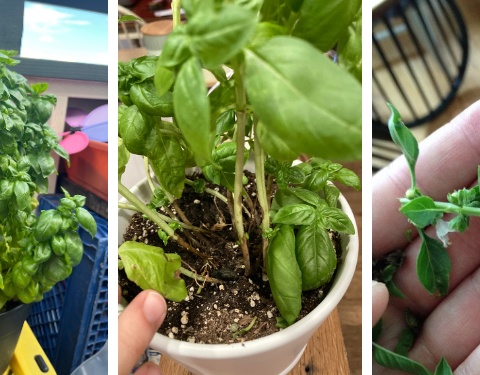
- Pinch Off the Top: Always pinch or snip just above a leaf node (where two leaves emerge from the stem).
- Promote Branching: This encourages two new stems to grow in place of one, making the plant fuller.
- Remove Flowers Promptly: If you see flower buds forming, pinch them off immediately. Once basil flowers, it tends to stop leaf production and the flavor becomes bitter.
- Harvest no more than one-third of the plant at a time to avoid stressing it.
Growing Basil Indoors
Growing basil indoors is convenient and rewarding if you follow a few key tips:
- Light: Provide basil with a bright south-facing window or use grow lights for 12–16 hours a day.
- Pot Size: Use a pot at least 6 inches deep with good drainage.
- Temperature: Keep indoor basil in a warm room, ideally between 70–80°F.
- Air Circulation: Good airflow reduces the risk of fungal diseases indoors.
- Pollination: If growing flowering varieties indoors, lightly shake the plant to simulate pollination if you want it to set seed.
Indoor basil will appreciate a little extra attention but can thrive beautifully year-round.
Common Basil Problems and Solutions
Yellow Leaves
- Cause: Overwatering, nutrient deficiency, or cold temperatures.
- Solution: Check soil moisture, improve drainage, and fertilize lightly.
Wilting
- Cause: Underwatering, root rot, or extreme heat.
- Solution: Water consistently and ensure proper drainage.
Fungal Diseases (Downy Mildew, Fusarium Wilt)
- Cause: High humidity and poor airflow.
- Solution: Water at the base, thin plants to improve airflow, and remove affected leaves promptly.
Pests (Aphids, Spider Mites)
- Cause: Weak plants or poor growing conditions.
- Solution: Wash off pests with a strong water spray or use organic insecticidal soap.
How to Preserve Basil
When basil is growing abundantly, you can easily preserve your harvest:
Drying
- Tie basil stems into small bundles and hang them upside down in a dark, airy place.
- Once fully dry, crumble the leaves and store in an airtight container.
Freezing
- Blanch basil leaves quickly in boiling water, then immediately chill in ice water.
- Dry thoroughly and freeze in freezer bags or ice cube trays with a little water or olive oil.
Making Pesto
- Blend fresh basil with olive oil, garlic, nuts, and Parmesan cheese to create delicious homemade pesto.
- Pesto can be frozen in small batches for months of fresh basil flavor.
Best Companion Plants for Basil
Basil not only grows well with other herbs, but it also acts as a natural pest deterrent for certain vegetables.
- Tomatoes: Basil enhances the flavor of tomatoes and repels pests like hornworms and aphids.
- Peppers: Basil and peppers thrive in similar conditions.
- Oregano, Parsley, Chives: Herbs that enjoy the same sun and water requirements make good basil companions.
- Marigolds: Planted nearby, they help deter nematodes and aphids.
Avoid planting basil near rue and sage, as they can hinder each other’s growth.
Growing and caring for basil is one of the easiest and most satisfying gardening experiences you can enjoy.
Whether you’re nurturing a pot on your kitchen windowsill or tending rows in a summer garden, basil offers abundant rewards: lush green growth, delicious fragrance, and a fresh burst of flavor that elevates every meal.
By following these simple tips—providing enough sunlight, watering properly, pruning for fullness, and keeping an eye on pests—you’ll enjoy a continuous harvest of beautiful, aromatic basil for months.
With its versatility, health benefits, and sheer beauty, basil truly deserves its place as a star of your herb garden.