If you’re drawn to the warmth and vibrancy of the color orange, there’s no better way to bring energy and visual interest to your garden than by planting a variety of orange-blooming perennials.
These long-lasting plants return year after year, adding color, texture, and life to borders, beds, and containers—even after their blooms fade, many continue to impress with lush, green foliage.
Whether you want a bold focal point or subtle sunset hues, orange perennials offer a wide range of shades from soft peach to fiery tangerine.
Many of them are also attractive to bees, butterflies, and hummingbirds, making your garden a true pollinator paradise.
Here are 10 of the most beautiful orange perennials to grow, along with tips on how to plant and care for them for the most spectacular results.
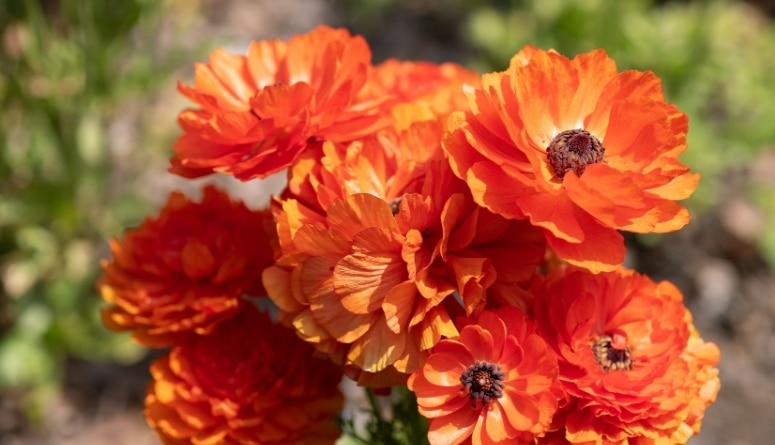
1. Ranunculus (Ranunculus asiaticus)
Also known as Persian Buttercup or Rose of the Spring, ranunculus is a favorite for its showy, layered petals that resemble roses or peonies.
These cool-season perennials bloom in a rainbow of colors, including vivid orange, and are especially prized for floral arrangements.
Growing Tips:
- Zones: 8–11 (grown as annuals or dug up in colder regions)
- Light: Full sun
- Soil: Moist, well-drained soil
- Bloom Time: Late spring to early summer
Plant ranunculus tubers in early spring or fall, depending on your climate. Each tuber can produce 30–40 flowers, making just a few plants enough to create a dazzling display.
2. Oriental Poppy (Papaver orientale)
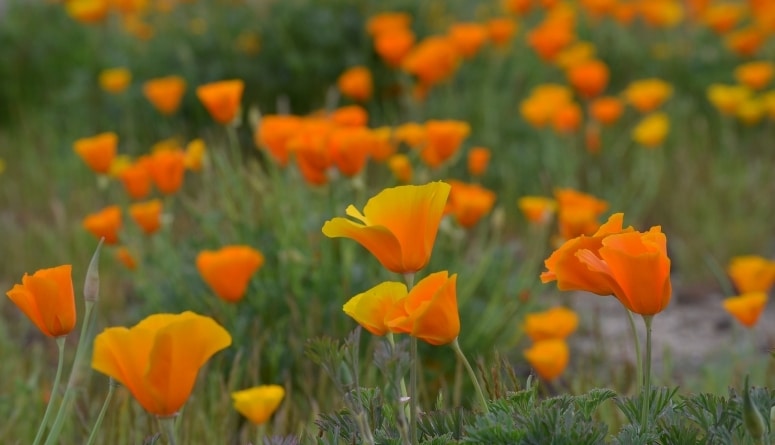
Oriental poppies are striking perennials known for their bold, papery blooms that create a dramatic impact.
Available in bright orange, red, and coral hues, they make a stunning addition to borders or cottage-style gardens.
Growing Tips:
- Zones: 3–8
- Light: Full sun
- Soil: Well-drained, slightly sandy soil
- Bloom Time: Late spring to early summer
Though each plant lives only 2–3 years, they self-seed easily and will return with minimal effort. Pair them with perennials that bloom later in the season to fill the gap after the flowers fade.
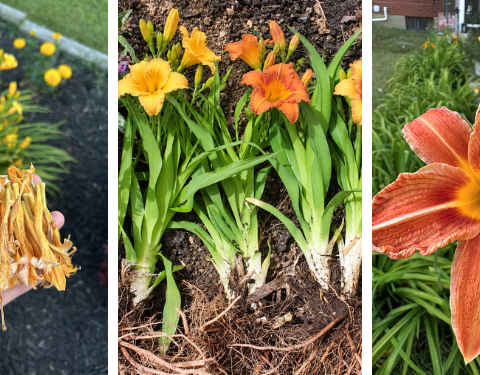
3. Daylily (Hemerocallis)
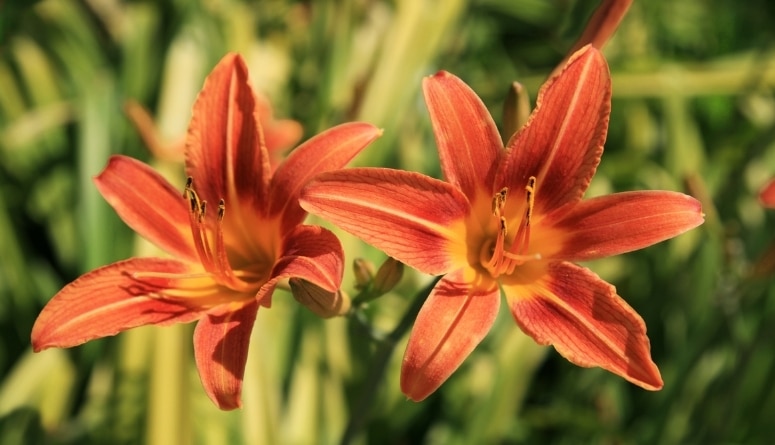
Daylilies are among the easiest perennials to grow and offer one of the widest selections of orange tones.
Each bloom lasts for only a single day, but plants produce multiple buds per stem, delivering a continuous wave of color over several weeks.
Growing Tips:
- Zones: 3–9
- Light: Full sun to partial shade
- Soil: Well-drained soil
- Bloom Time: Early to mid-summer
Daylilies are extremely low-maintenance and can tolerate drought, poor soil, and heat once established. Choose reblooming varieties for flowers that keep coming throughout the season.
4. Chrysanthemum (Chrysanthemum morifolium)
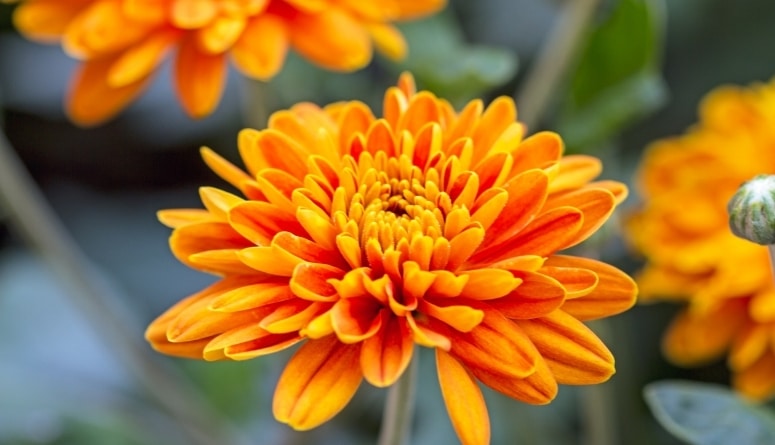
Known affectionately as mums, chrysanthemums offer a late-season burst of color when most summer flowers are fading.
With hundreds of cultivars available, you’ll find mums in brilliant shades of orange, bronze, and apricot.
Growing Tips:
- Zones: 5–9
- Light: Full sun
- Soil: Rich, well-drained soil
- Bloom Time: Late summer to fall
Cut mums back in midsummer to encourage bushier growth and more blooms. After flowering, prune and mulch heavily to protect them during the winter.
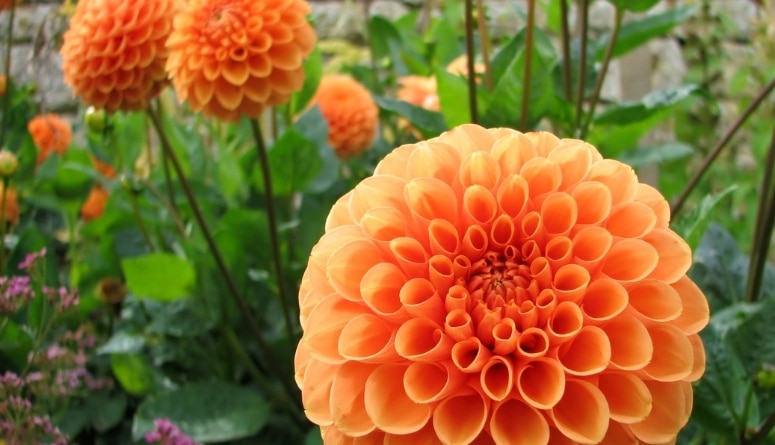
5. Dahlia
Dahlias come in a wide array of sizes, colors, and shapes, with orange being one of the most vibrant and striking options.
From small, compact varieties to towering giants, these perennials are showstoppers in any garden.
Growing Tips:
- Zones: 8–10 (treat as annuals or dig and store tubers in colder zones)
- Light: Full sun
- Soil: Fertile, well-draining soil
- Bloom Time: Mid-summer to fall
Plant dahlia tubers after the last frost, and feed regularly with a low-nitrogen fertilizer. Taller varieties may need staking.
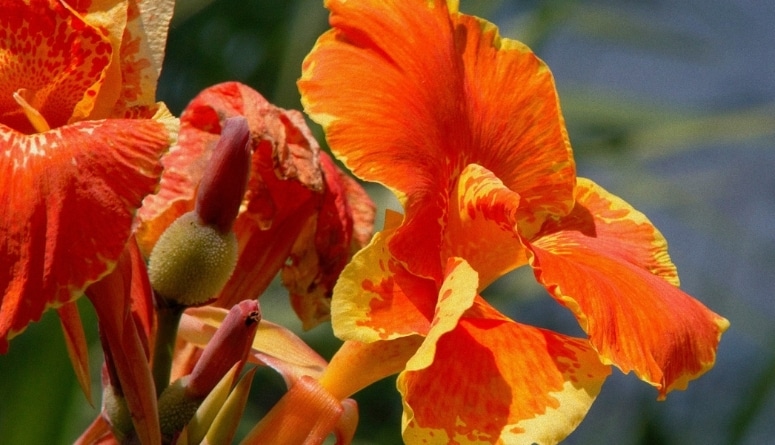
6. Bearded Iris (Iris germanica)
Bearded irises are classic garden perennials that produce dramatic blooms in late spring. Orange varieties offer glowing, sunset-colored petals that look gorgeous when paired with purples and blues.
Growing Tips:
- Zones: 3–9
- Light: Full sun
- Soil: Well-drained soil; avoid heavy clay
- Bloom Time: Spring to early summer
Divide rhizomes every few years to prevent overcrowding and encourage fresh growth. Irises are drought-tolerant and low maintenance.
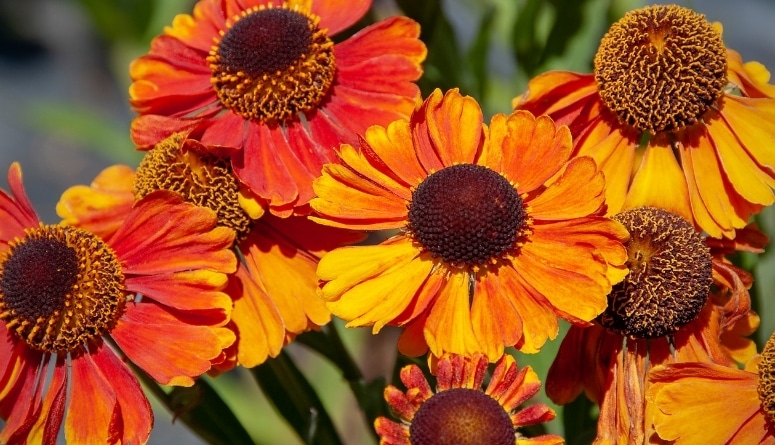
7. Sneezeweed (Helenium autumnale)
Sneezeweed, also called Helenium, is an underappreciated perennial that blooms with warm orange, copper, and red flowers.
Despite the name, it doesn’t cause allergies—it was historically used to make snuff, hence the nickname.
Growing Tips:
- Zones: 3–8
- Light: Full sun
- Soil: Moist, well-drained soil
- Bloom Time: Late summer to early fall
Deadhead regularly to prolong blooming, and cut back in the fall to tidy up the plant. Taller varieties may benefit from staking.
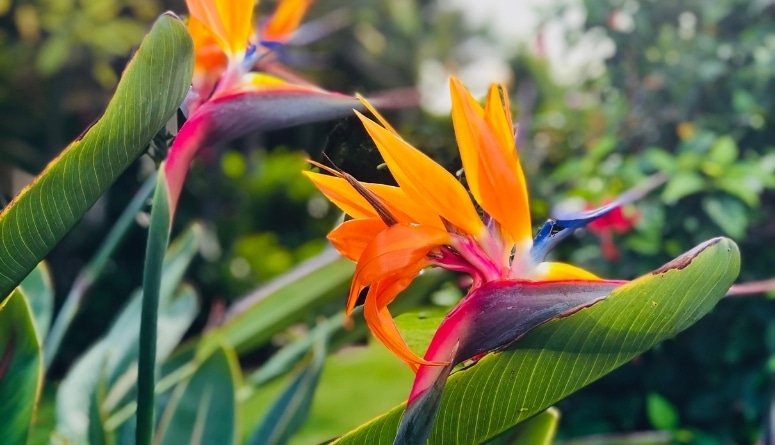
8. Bird of Paradise (Strelitzia reginae)
A tropical favorite, Bird of Paradise features exotic, bird-shaped flowers with bright orange and blue petals. This dramatic plant brings a bold architectural look to patios and garden beds.
Growing Tips:
- Zones: 9–11 (container-grown in cooler areas)
- Light: Full sun to light shade
- Soil: Well-drained, fertile soil
- Bloom Time: Spring to fall (year-round in tropical climates)
In colder zones, grow Bird of Paradise in containers and move indoors during winter. Water regularly, but allow soil to dry slightly between waterings.
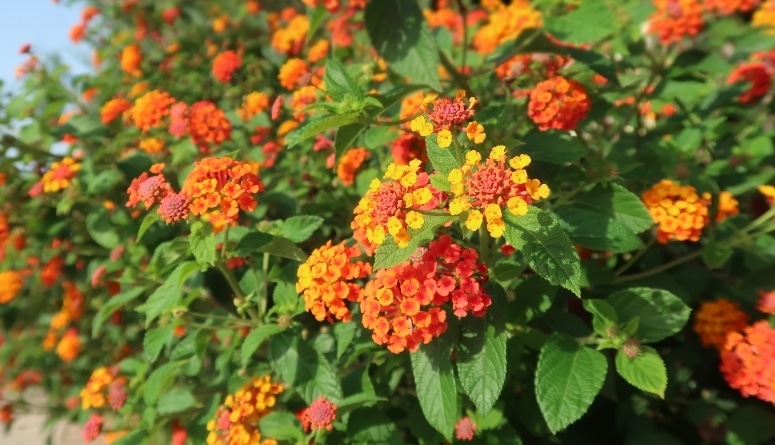
9. Lantana (Lantana camara)
Lantana produces clusters of brightly colored flowers, including vivid oranges and multi-colored blooms that change over time.
It’s a favorite for butterfly gardens and thrives in heat and drought.
Growing Tips:
- Zones: 8–11 (annual elsewhere)
- Light: Full sun
- Soil: Dry to average soil with good drainage
- Bloom Time: Late spring to frost
Available in both upright and trailing forms, lantana is ideal for borders, hanging baskets, and containers. Prune back regularly to maintain shape and encourage reblooming.
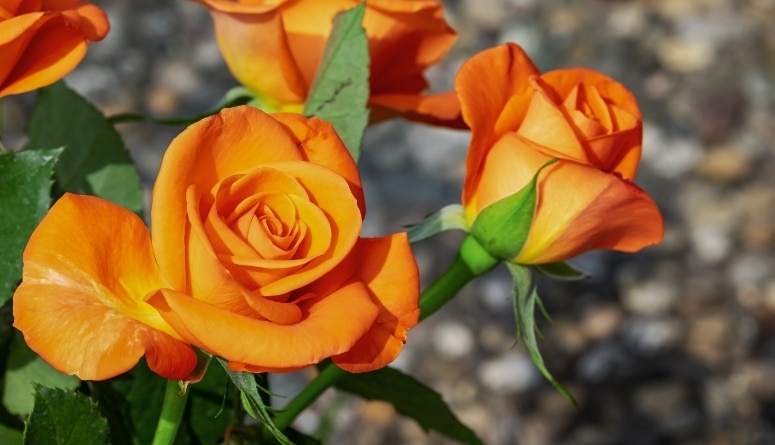
10. Orange Roses
While roses are available in nearly every shade, orange varieties stand out with their rich, glowing color and fragrance.
From coral tones to soft peach and fiery tangerine, there’s an orange rose to suit every style.
Growing Tips:
- Zones: 5–10 (varies by cultivar)
- Light: Full sun
- Soil: Rich, well-drained soil
- Bloom Time: Spring through fall (repeat bloomers)
Look for disease-resistant varieties, and prune annually in late winter to early spring. Water at the base to prevent fungal diseases on the leaves.
Orange perennials bring vibrancy, warmth, and a dynamic pop of color to any garden.
Whether you’re aiming for a fiery border, a pollinator-friendly wildflower patch, or a colorful container display, these ten stunning flowers can transform poor soil and plain spaces into an elegant and lively oasis.
From the showy blooms of ranunculus and dahlias to the low-maintenance cheer of lantana and sneezeweed, there’s an orange-flowering perennial for every gardening style and skill level.