Indoor herb gardening is a fantastic way to bring fresh, organic flavor right to your kitchen—no matter the season. Most herbs are compact, easy to maintain, and don’t require much space to thrive.
All they need is plenty of sunlight, well-draining soil, and a little care, and they’ll reward you with vibrant growth and amazing aroma all year round.
Whether you’re an experienced gardener or a complete beginner, these ten herbs are perfect for indoor cultivation.
Not only are they incredibly versatile in cooking, but they’re also beautiful and fragrant additions to your windowsill or countertop.
Let’s explore the best herbs to grow indoors, along with practical tips for planting, care, and harvesting.
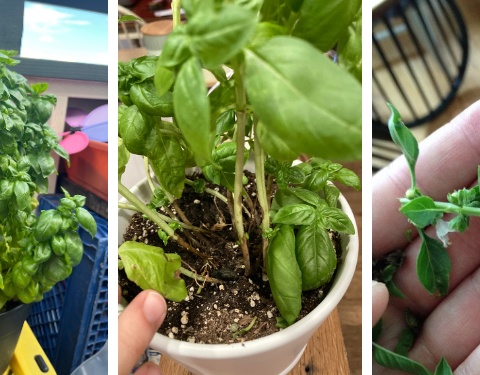
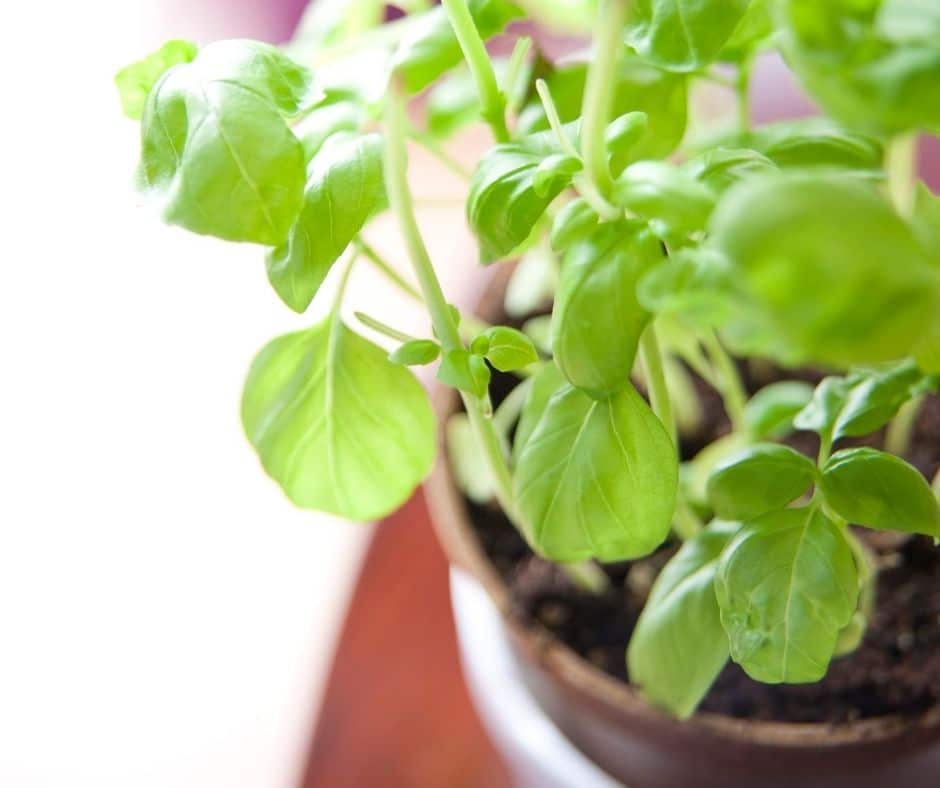
1. Basil
Basil is a must-have for any home cook and one of the easiest herbs to grow indoors. Its sweet and peppery flavor makes it essential for Italian and Mediterranean dishes—especially in pesto, pasta sauces, pizzas, and fresh salads.
How to grow:
-
Needs at least 6 hours of sunlight daily (south-facing windows are best)
-
Prefers well-drained, warm soil
-
Keep in a warm, draft-free spot
-
Water when the top inch of soil feels dry
-
Pinch off flower buds to encourage more leaf growth
Harvest tip: Cut stems just above a pair of leaves to promote bushier growth.
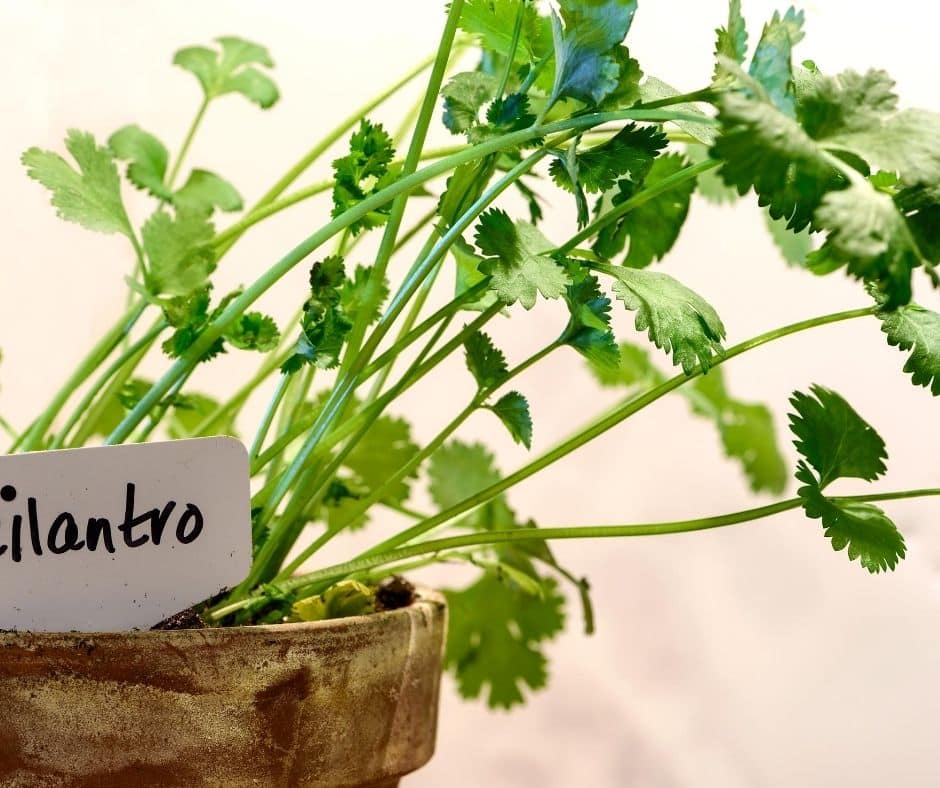
2. Cilantro (Coriander)
Cilantro is packed with flavor and often used in Latin American, Indian, and Asian cuisine. While it can be trickier to grow indoors than some herbs, it’s worth the effort for its fresh, citrusy taste.
How to grow:
-
Needs 4–6 hours of sun and cooler temperatures
-
Plant in a pot with fast-draining soil—a mix of potting soil and sand works well
-
Cilantro has shallow roots and grows quickly
-
Keep the soil consistently moist
Pro tip: Harvest often and replant every 3–4 weeks for continuous supply, as it bolts easily in warm indoor temperatures.
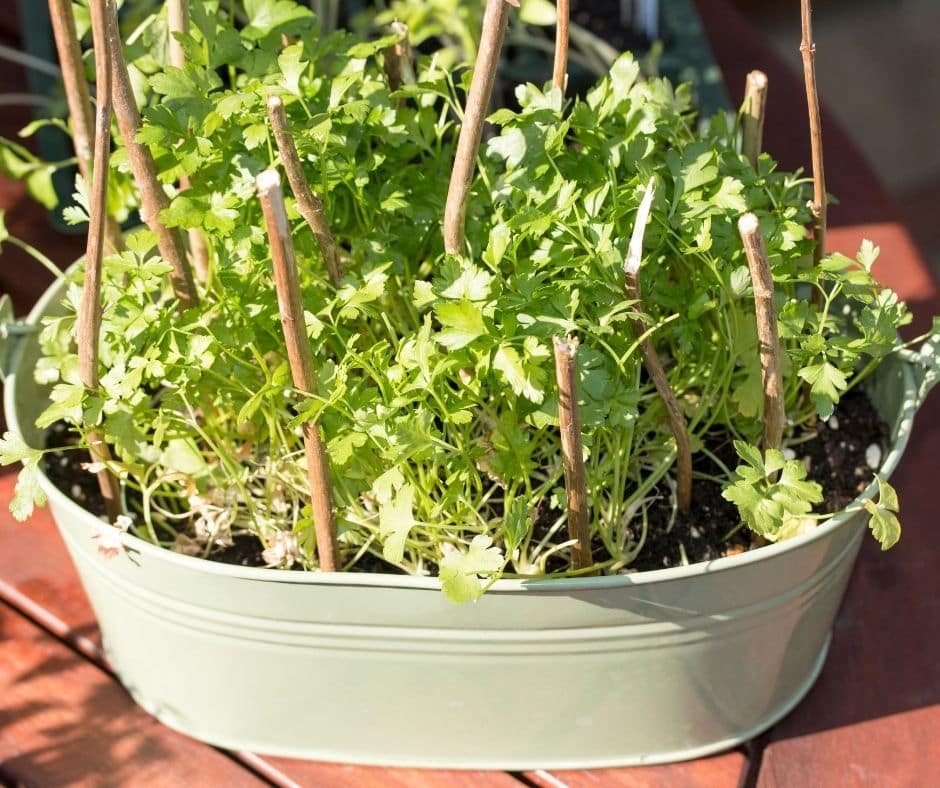
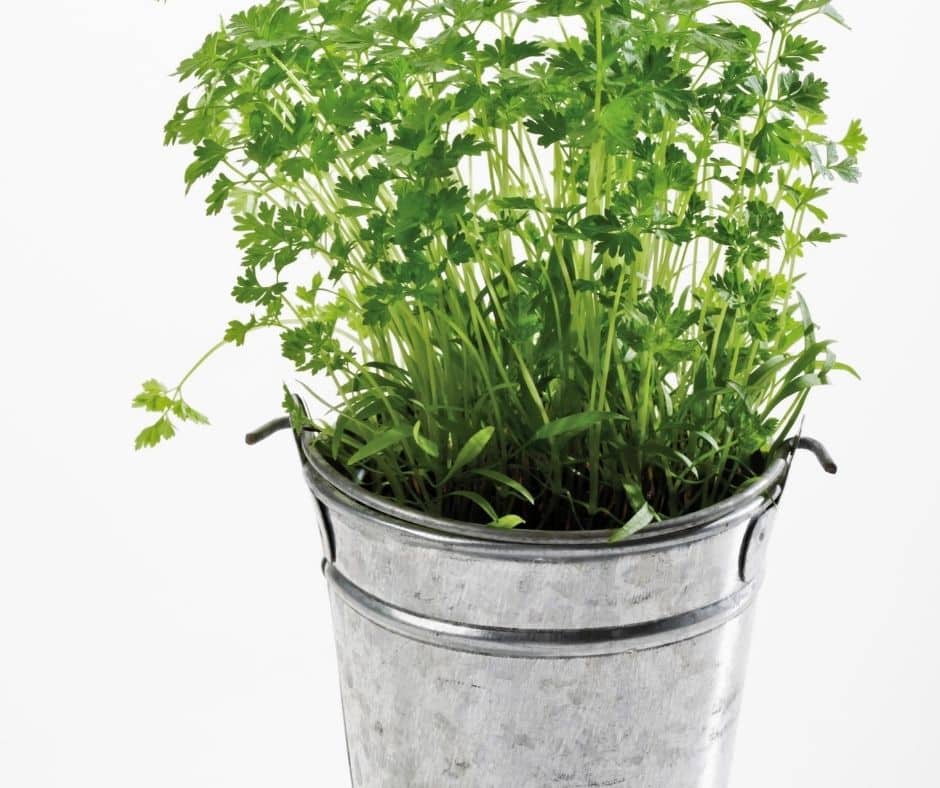
3. Parsley
Parsley is more than just a garnish—it adds freshness to soups, sauces, grilled meats, and salads. You can grow either flat-leaf (Italian) or curly varieties indoors with great success.
How to grow:
-
Needs 6–8 hours of sunlight
-
Plant in deep pots to support long taproots
-
Keep soil lightly moist, but never soggy
-
Great for windowsills or under grow lights
Harvest tip: Snip stems at the base, rather than plucking leaves, to allow regrowth.
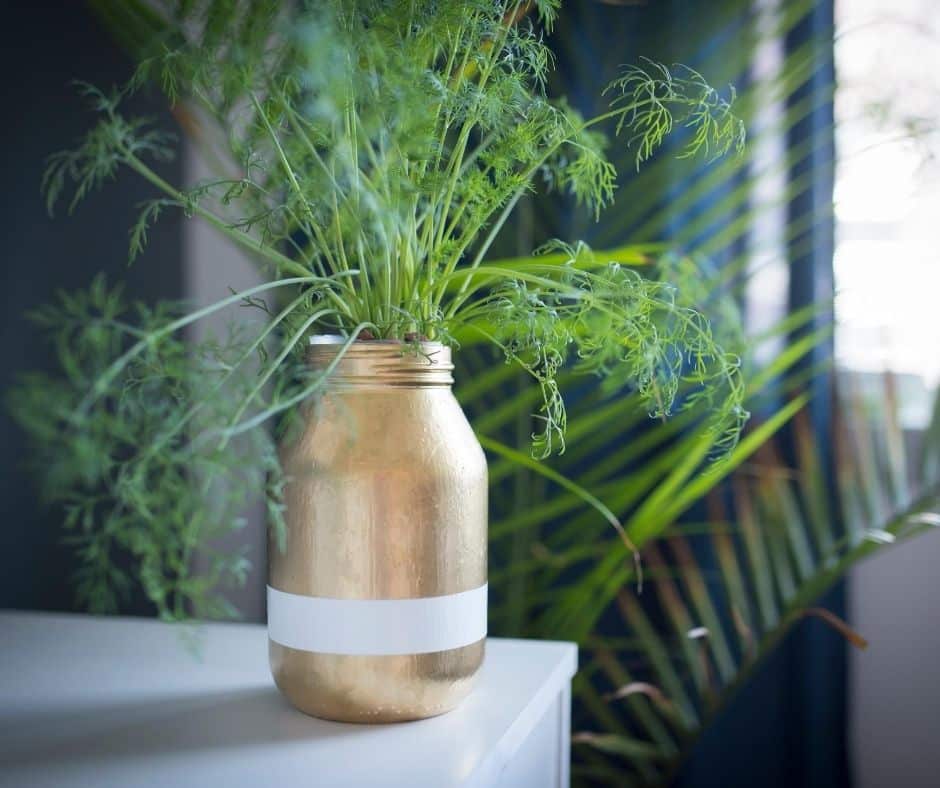
4. Dill
Dill is known for its feathery leaves and intense, tangy aroma. It’s a favorite for pickling, salad dressings, fish dishes, and even roasted vegetables. It’s a fast-growing herb that does surprisingly well indoors when given enough light.
How to grow:
-
Needs plenty of sunlight, ideally 6+ hours daily
-
Prefers well-drained, fertile soil
-
Plant from seed and thin seedlings as they grow
-
Avoid transplanting—it doesn’t like root disturbance
Tip: Choose dwarf varieties for indoor gardening to avoid overcrowding.
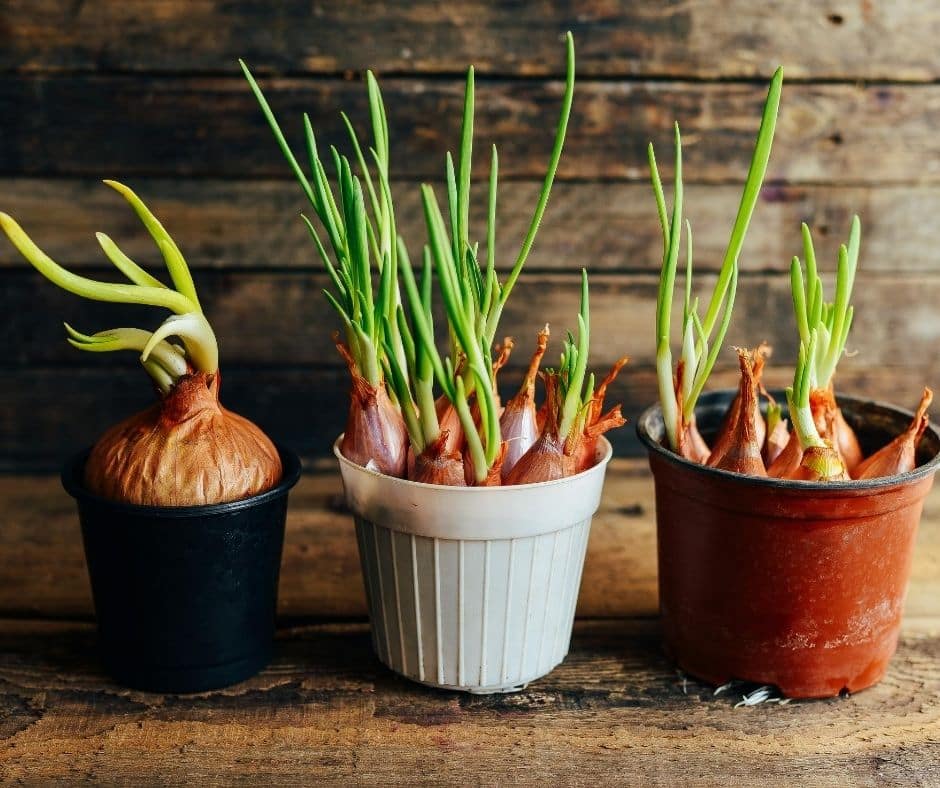
5. Green Onions (Scallions)
Green onions are one of the easiest and most rewarding herbs to grow indoors. They don’t require seeds—you can regrow them from kitchen scraps!
How to grow:
-
Use the white base with roots from store-bought scallions
-
Place in a glass of water until new shoots appear, then transplant into soil
-
Needs moderate sunlight and consistent watering
Bonus: You can trim and regrow green onions multiple times, making them super sustainable and cost-effective.
6. Sorrel
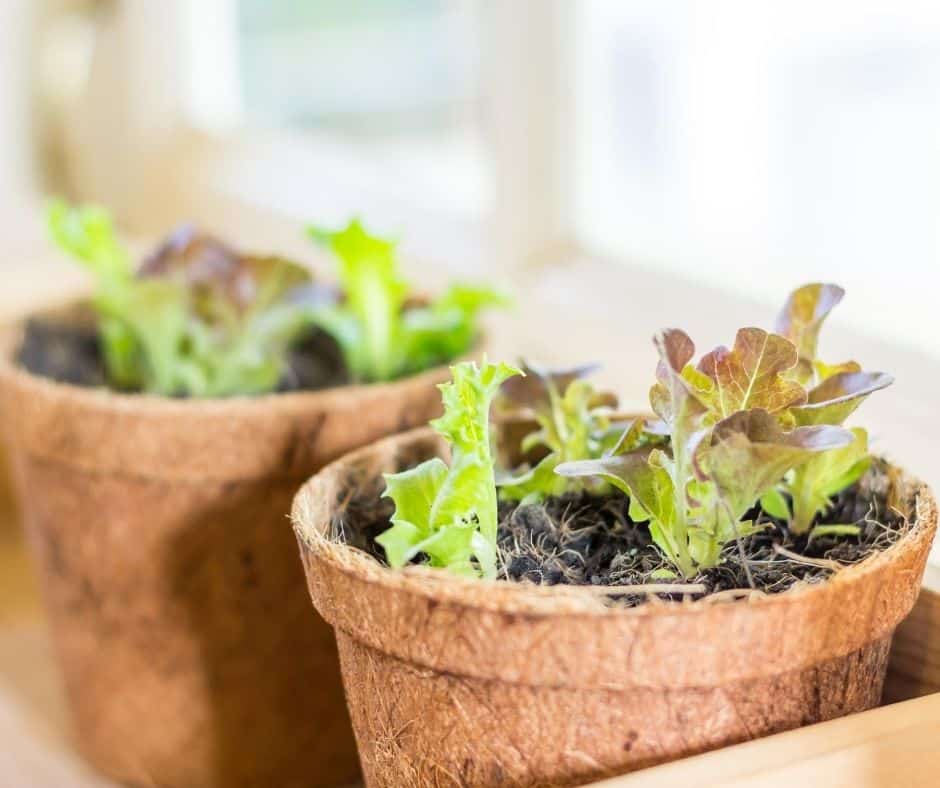
Sorrel is a hardy leafy herb with a sharp, lemony flavor. It’s excellent in soups, sauces, and mixed green salads. Once established, sorrel provides a continuous harvest and thrives in cooler indoor conditions.
How to grow:
-
Start from seeds in fertile, well-drained soil
-
Needs partial to full sun (a few hours of direct light is ideal)
-
Water consistently, especially during active growth
-
Use deeper pots to accommodate strong roots
Tip: French sorrel is the most popular indoor variety due to its mild taste and attractive foliage.
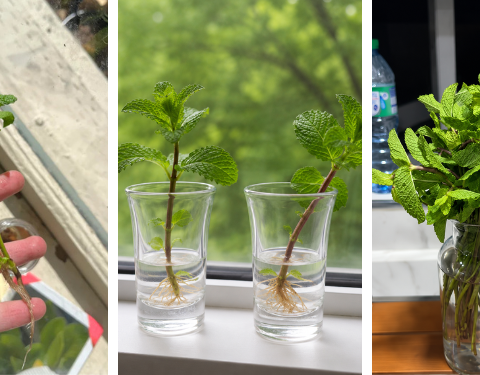
7. Mint
Mint is incredibly aromatic and ideal for teas, desserts, sauces, and cocktails. Since mint can be aggressive outdoors, growing it indoors actually keeps it under control.
How to grow:
-
Loves bright, indirect light
-
Keep soil moist but not soggy
-
Use a deep pot with good drainage to prevent root rot
-
Trim regularly to prevent legginess
Popular varieties: Peppermint, spearmint, chocolate mint, and apple mint.

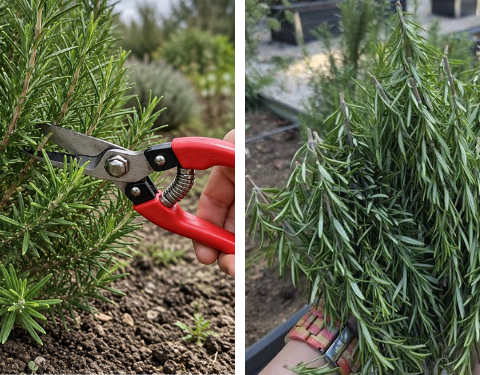
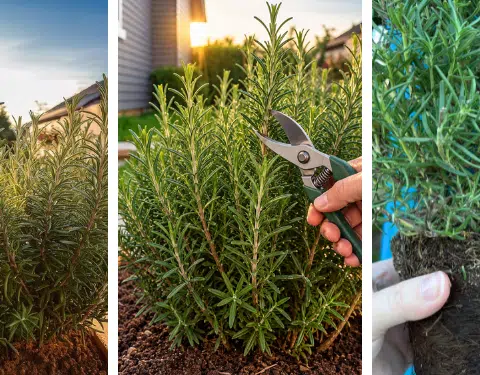
8. Rosemary
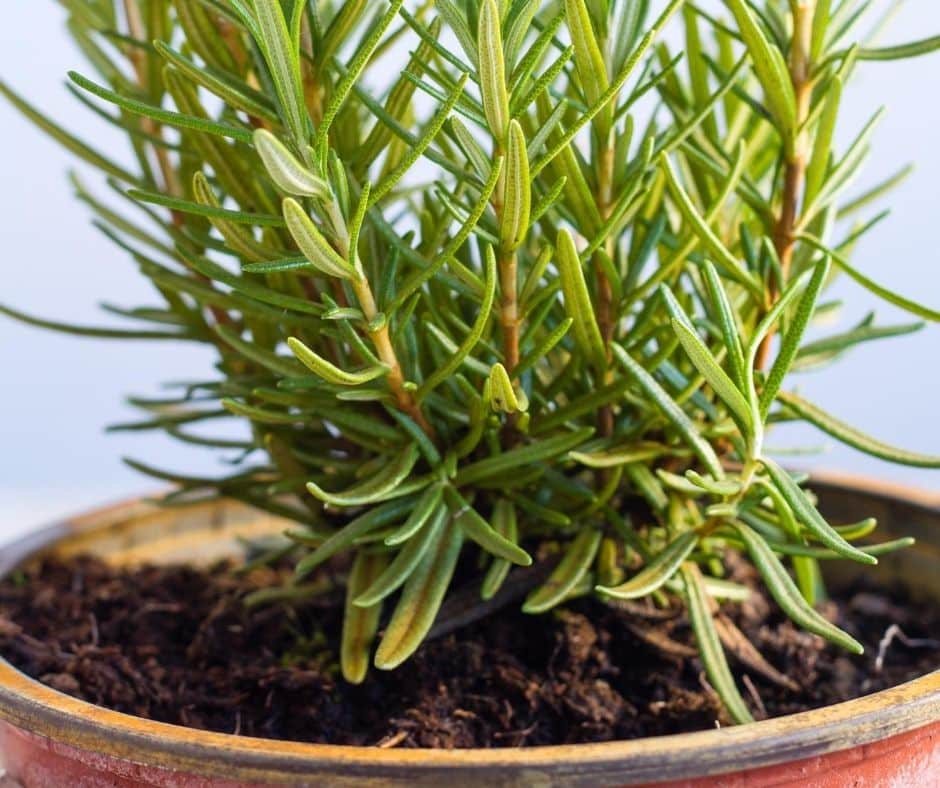
Rosemary’s needle-like leaves and piney scent make it a standout in the kitchen. It adds depth to roasts, marinades, stews, and bread. This woody perennial thrives indoors with proper light and care.
How to grow:
-
Needs 6–8 hours of direct sunlight
-
Prefers sandy, well-drained soil
-
Allow the soil to dry between watering
-
Thrives in cooler indoor temperatures during winter
Harvest tip: Trim lightly and often to maintain shape and encourage branching.
9. Chives
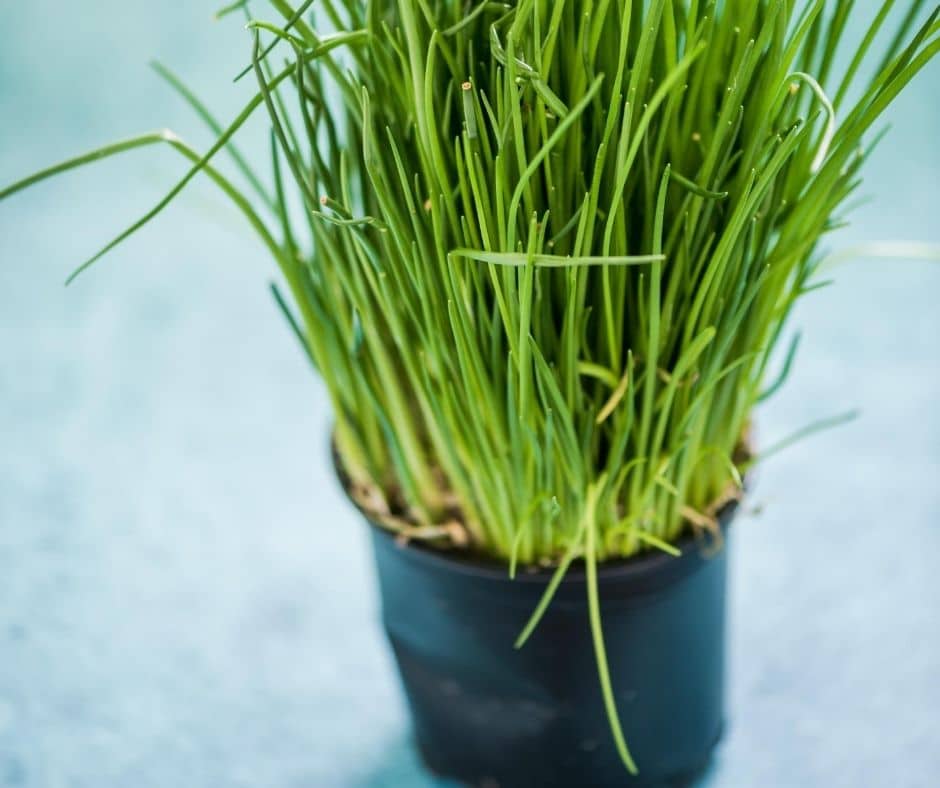
Chives are compact, easy to grow, and perfect for small spaces. With a mild onion flavor, they complement scrambled eggs, soups, baked potatoes, and more.
How to grow:
-
Requires 5–6 hours of sunlight
-
Grows well in shallow pots with rich soil
-
Water regularly and trim back to prevent flowering
Bonus: They’re perennials—cut back to the base after harvest and they’ll regrow quickly.
10. Chervil
Often called “gourmet parsley,” chervil has a delicate flavor resembling a mix of tarragon and parsley. It’s commonly used in French cooking, especially in fish dishes, omelets, and light sauces.
How to grow:
-
Needs moderate sunlight—avoid excessive heat
-
Best in deep containers for long roots
-
Keep soil evenly moist
-
Re-seed every few weeks for a continuous harvest
Tip: Use fresh, as dried chervil loses its flavor quickly.
Final Tips for Growing Herbs Indoors
-
Light is everything. Most herbs need at least 4–6 hours of sunlight daily. Use grow lights if natural light is limited.
-
Drainage is key. Always use pots with drainage holes and a saucer to catch excess water.
-
Avoid overwatering. Let soil dry out slightly between waterings—most herbs don’t like wet feet.
-
Harvest regularly. Regular trimming encourages growth and keeps your plants full and bushy.
Growing herbs indoors is a simple, rewarding way to enhance your cooking, boost your health, and fill your home with natural fragrance.
With just a sunny window, a few pots, and a little attention, you can enjoy fresh herbs year-round.
Start with your favorites, experiment with new ones, and build your own mini indoor herb garden that fits your space and flavor preferences.