Many people grow houseplants to beautify their homes, but did you know that some plants can also improve your well-being?
Certain houseplants not only add aesthetic appeal but also help purify the air, increase oxygen levels, and promote restful sleep.
Some even have natural medicinal properties that reduce stress, anxiety, and insomnia.
Best of all, most of these plants are easy to care for, making them a perfect addition to your home.
Scroll down to discover 12 amazing houseplants that can enhance your sleep quality and overall health.
1. Gardenia
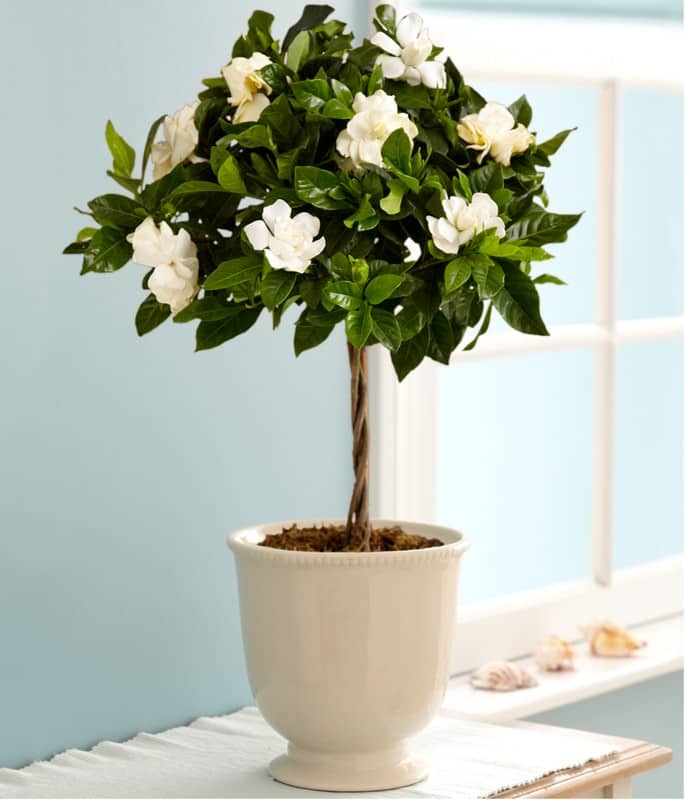
Benefits: Promotes relaxation, reduces anxiety, improves sleep
Care Tips: Indirect light, moist but well-drained soil, moderate humidity
Gardenia is a fragrant flowering plant known for its calming and sleep-inducing properties. Its elegant white blooms emit a pleasant scent that has been compared to Valium in its ability to reduce stress and anxiety.
Studies have shown that inhaling gardenia’s natural fragrance can help relax the nervous system, making it easier to fall asleep.
Although gardenia is beautiful, it requires a bit more care than some houseplants.
It thrives in indirect sunlight, well-drained but moist soil, and moderate humidity. Regular misting and occasional fertilizer can help maintain its health.
2. Valerian
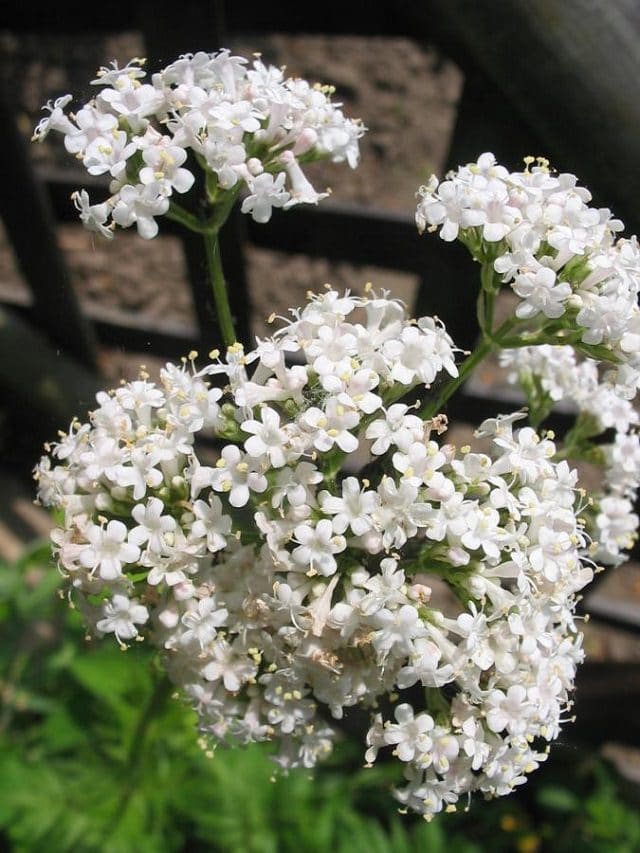
Benefits: Natural sleep aid, relieves anxiety, reduces hyperactivity
Care Tips: Full to partial sunlight, moist soil, well-drained pot
Valerian is a medicinal plant that has been used for centuries as a natural remedy for insomnia. Roman physician and philosopher Galen recommended it as a treatment for sleep disorders.
The plant produces delicate white or pink flowers with a light, pleasant fragrance that helps relax the mind and promote deep sleep.
Beyond its aromatic benefits, valerian root is often used in herbal teas and supplements for its calming effects. It thrives in full to partial sunlight and requires regular watering to keep the soil moist.
3. Jasmine
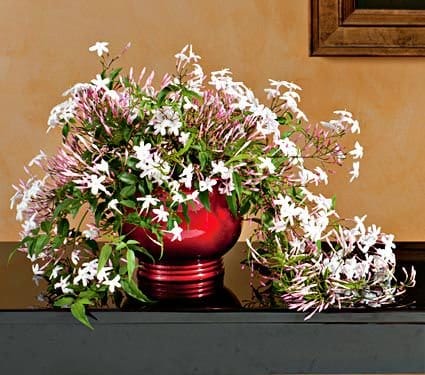
Benefits: Reduces anxiety, enhances sleep quality, boosts mood
Care Tips: Bright indirect sunlight, well-drained soil, moderate humidity
Jasmine is a stunning flowering plant with small, delicate blooms that release a sweet, calming aroma.
Research has shown that jasmine’s fragrance has sedative effects, helping to reduce stress, lower heart rate, and improve sleep quality.
This plant is relatively easy to grow indoors, provided it receives bright, indirect sunlight. It prefers slightly moist, well-draining soil and benefits from occasional misting to maintain humidity.
4. Honeysuckle

Benefits: Stress relief, enhances air quality, soothing fragrance
Care Tips: Direct sunlight, moist soil, good air circulation
Honeysuckle is a fast-growing vine known for its sweet-smelling, trumpet-shaped flowers.
While typically grown outdoors, some dwarf varieties, such as Dwarf Bush Honeysuckle, can thrive indoors.
Its rich fragrance has relaxing properties that help calm the mind and reduce stress, making it an excellent plant for improving sleep quality.
For best results, honeysuckle should be placed in direct sunlight and watered regularly to keep the soil moist. It also needs good air circulation to prevent mold growth.
5. Aloe Vera
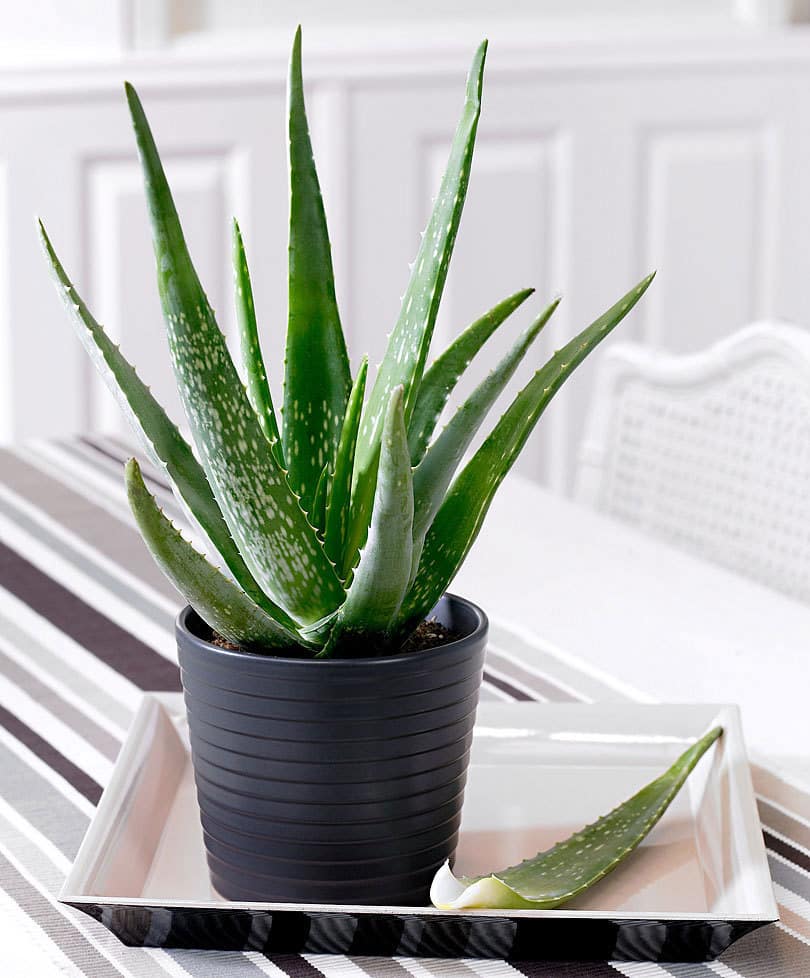
Benefits: Air purifier, releases oxygen at night, natural healing properties
Care Tips: Bright indirect sunlight, minimal watering, well-drained soil
Aloe vera is famous for its skin-healing properties, but it’s also a great plant for improving sleep.
Unlike most plants, aloe vera releases oxygen at night, making the air in your bedroom cleaner and fresher while you sleep.
This low-maintenance succulent thrives in bright, indirect sunlight and requires minimal watering—about once every two to three weeks.
Overwatering can cause root rot, so it’s best to let the soil dry out between waterings.
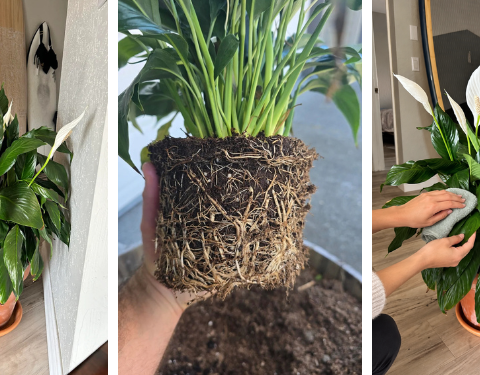
6. Peace Lily
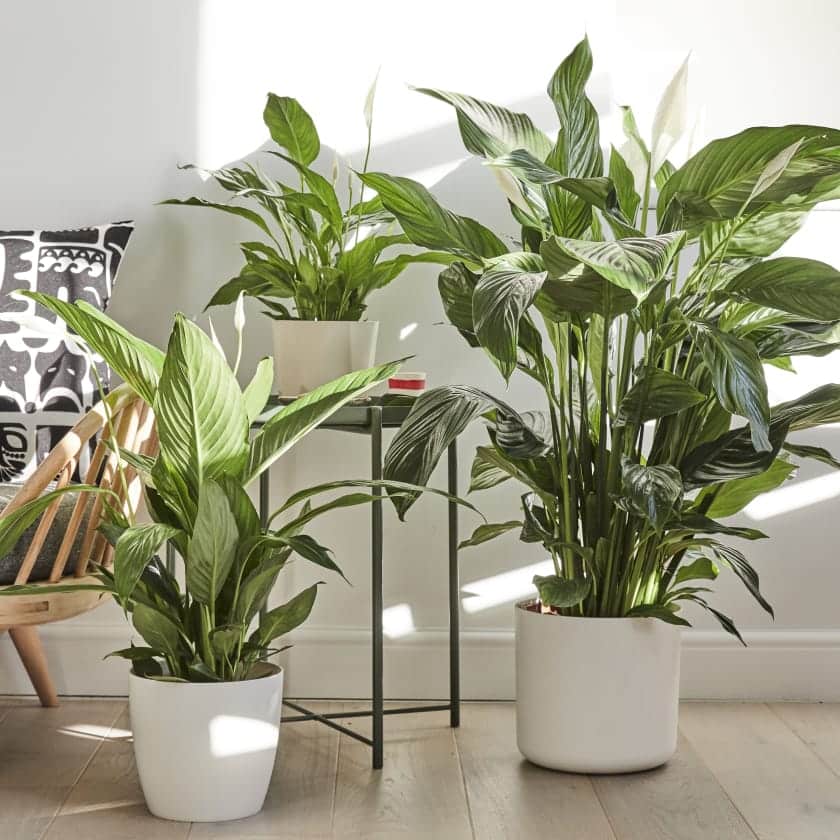
Benefits: Filters toxins, increases humidity, suppresses airborne microbes
Care Tips: Low to moderate light, moist soil, occasional misting
The Peace Lily is a popular houseplant known for its ability to remove toxins like benzene, trichloroethylene, and formaldehyde from the air.
It also increases indoor humidity, which can help prevent dry throat and nasal congestion at night.
Peace lilies prefer low to moderate indirect light and should be watered when the top layer of soil feels dry.
Misting the leaves occasionally helps maintain humidity.
7. Rubber Tree Plant
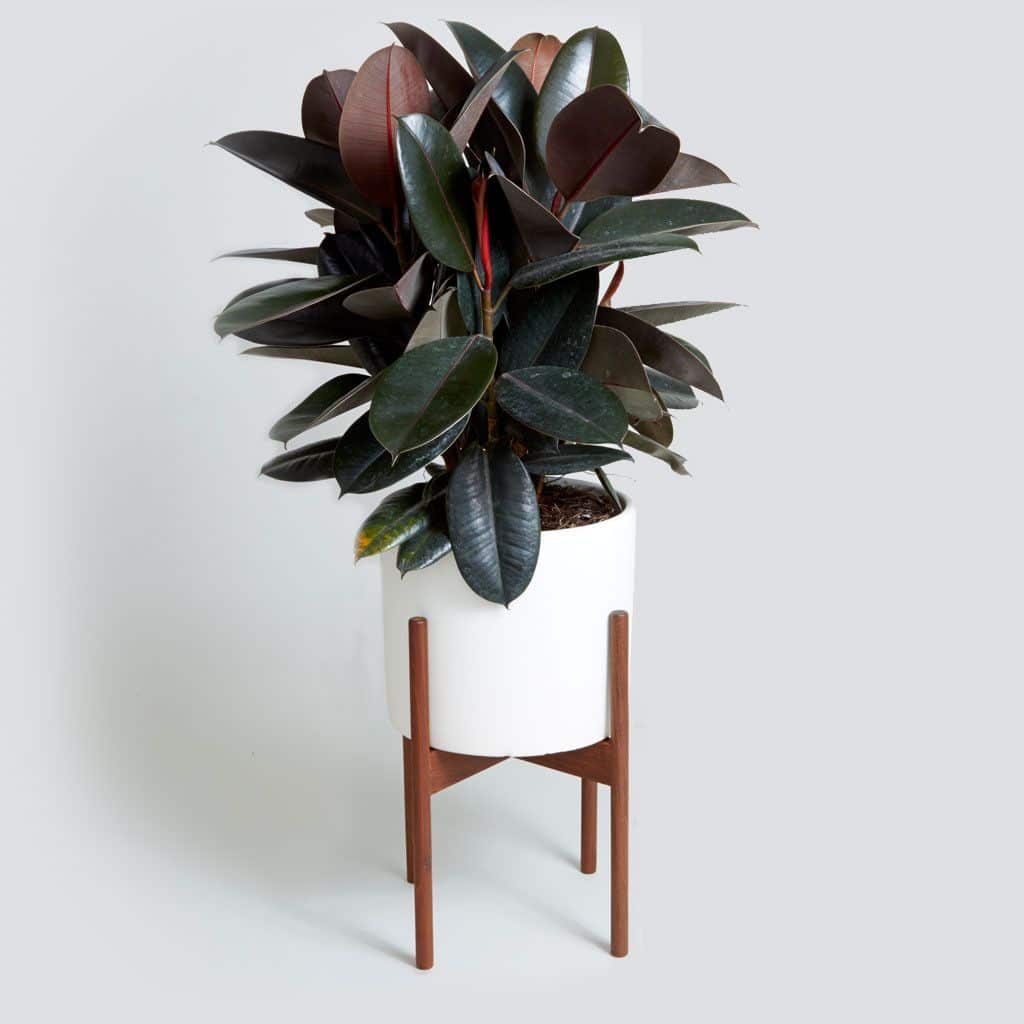
Benefits: Removes toxins, improves indoor air quality, easy to care for
Care Tips: Bright indirect sunlight, occasional watering, well-drained soil
The rubber tree plant is an attractive, air-purifying houseplant that removes formaldehyde and other pollutants from the air. Its broad, glossy leaves make it a stylish addition to any room.
Rubber plants require bright, indirect light and should be watered only when the soil is dry.
Overwatering can lead to root rot, so it’s best to use well-draining soil.
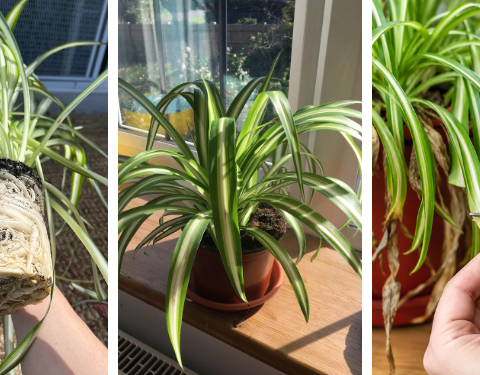
8. Spider Plant
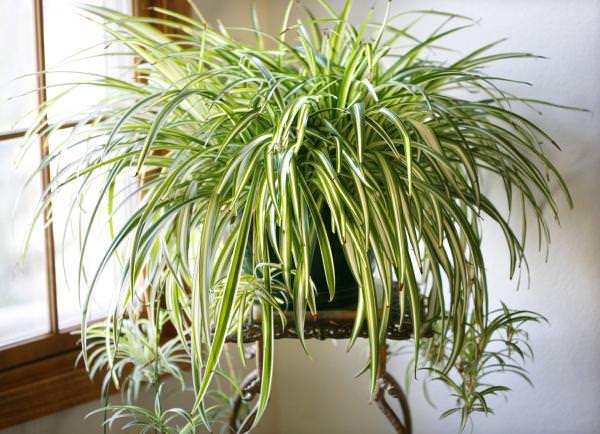
Benefits: Eliminates toxins, increases oxygen levels, reduces airborne pollutants
Care Tips: Indirect sunlight, occasional watering, well-drained soil
Spider plants are one of the most effective air-purifying plants, capable of removing toxins such as carbon monoxide and formaldehyde.
They also increase oxygen levels, making them a great choice for improving sleep.
This plant is incredibly easy to care for—it thrives in indirect light and only needs watering when the soil is dry.
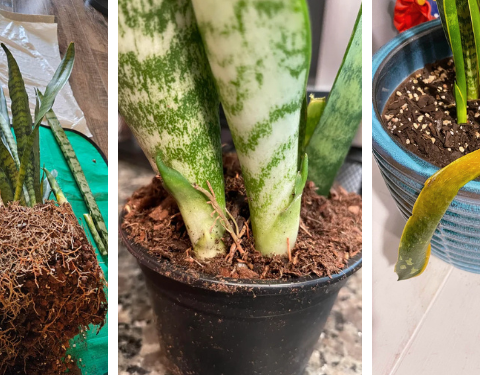
9. Snake plant
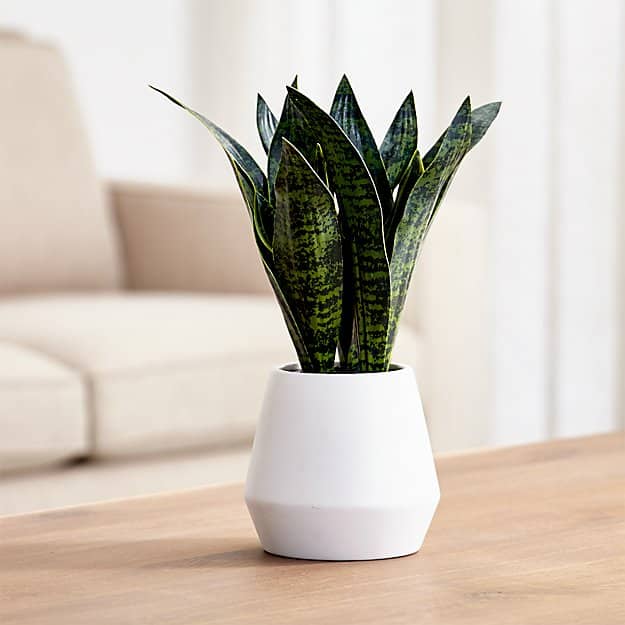
Benefits: Releases oxygen at night, improves air quality, requires little maintenance
Care Tips: Low light, minimal watering, well-drained soil
The snake plant, also known as Mother-in-Law’s Tongue, is one of the best plants for bedrooms.
Unlike most plants, which release oxygen during the day, snake plants release oxygen at night, improving air quality while you sleep.
This hardy plant requires very little maintenance, making it perfect for beginners. It thrives in low light and only needs watering every few weeks.
10. Lavender
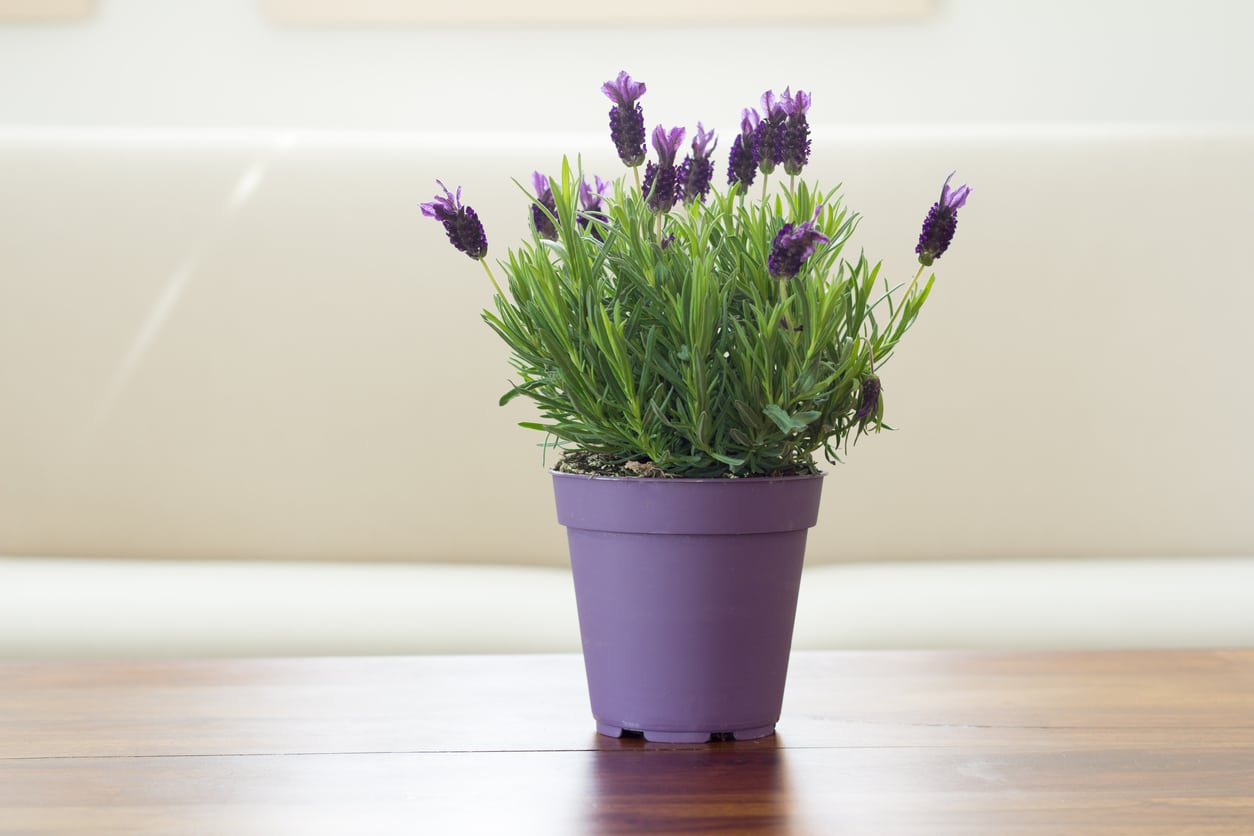
Benefits: Reduces stress, lowers blood pressure, improves sleep quality
Care Tips: Full sunlight, well-drained soil, occasional watering
Lavender is well known for its calming scent, which can lower heart rate and blood pressure while reducing stress and anxiety.
Studies suggest that inhaling lavender before bed can significantly improve sleep quality.
Lavender thrives in full sunlight and requires well-draining soil. Watering should be done sparingly, as the plant prefers dry conditions.
11. English Ivy plant
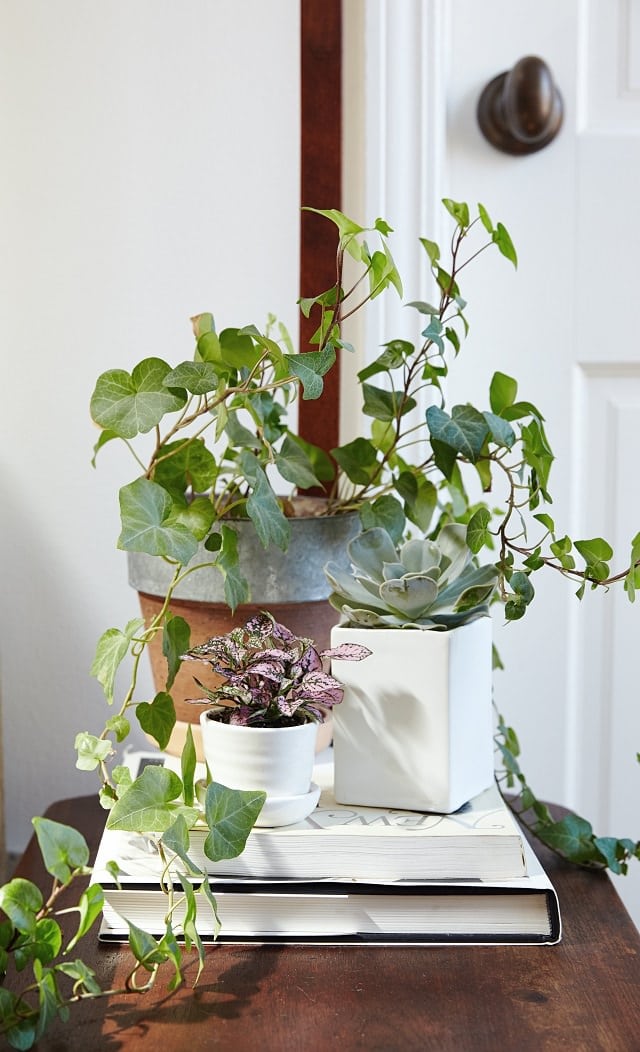
Benefits: Top air-purifying plant, easy to grow, reduces airborne mold
Care Tips: Indirect sunlight, moist but well-drained soil
English ivy is one of the best plants for removing airborne toxins and mold spores. However, it is toxic if ingested, so keep it out of reach of pets and children.
It thrives in indirect light and should be watered when the top layer of soil feels dry.
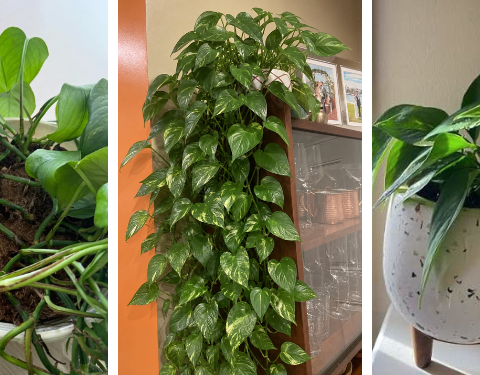
12. Pothos
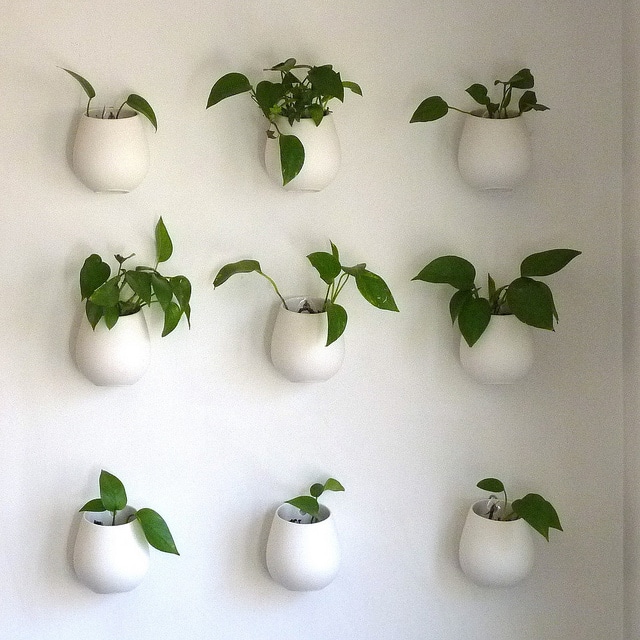
Benefits: Easy to care for, improves indoor air quality, enhances relaxation
Care Tips: Low to bright indirect light, occasional watering, well-drained soil
Pothos is an easy-to-grow plant that filters toxins and helps create a cleaner, more restful environment. It requires minimal care and thrives in a variety of light conditions.
These 12 houseplants not only beautify your home but also enhance air quality, promote relaxation, and improve sleep.