Imagine never having to buy your favorite herbs, leafy greens, or even houseplants again. With just a few cuttings and a little water, you can create a sustainable, soil-free garden right in your kitchen or windowsill.
Growing plants in water—also known as hydroponic propagation or water propagation—is an incredibly simple, clean, and rewarding method of growing a variety of plants indefinitely.
Whether you’re working with a small apartment, lack outdoor space, or just love minimalist indoor gardening, cultivating plants in water is the perfect way to build a vibrant indoor oasis.
You don’t need fancy systems or expensive tools—just fresh cuttings, clean containers, and regular care. Many plants will grow new roots directly in water, providing you with a continuous supply of fresh herbs, vegetables, and beautiful greenery.
This method isn’t just convenient—it’s sustainable. It reduces waste, saves money, and eliminates the need for soil, fertilizers, or pesticides.
With just a glass of water and a sunny spot, you can keep your kitchen stocked with herbs, regrow vegetable scraps, and multiply houseplants endlessly.
Let’s dive into how to grow an infinite supply of herbs, veggies, and houseplants in water using cuttings you may already have on hand.
Why Grow Plants in Water?
Growing plants in water offers numerous benefits that make it an ideal method for both new and experienced gardeners. It’s clean, space-efficient, and doesn’t require heavy tools or materials.
You can grow a wide variety of plants right in jars or glass containers without getting your hands dirty.
One of the biggest advantages of growing in water is visibility. You can see the root development as it happens, monitor plant health more easily, and intervene quickly if any issues arise.
Water propagation also allows for quicker access to fresh greens and herbs, especially in winter months when outdoor gardening is limited.
For urban dwellers, this method brings a slice of nature into tight quarters and allows for an edible garden even without a backyard.
Herbs That Grow Easily in Water
Herbs are among the most popular plants to grow in water because they root quickly and grow well on a sunny windowsill. Most soft-stemmed herbs are ideal for water propagation and can continue to provide harvests for months on end.
Basil is one of the easiest herbs to regrow in water. Snip a stem just below a node, remove the lower leaves, and place the cutting in a clear glass of water. Within a week or so, small white roots begin to appear. Once established, you can pinch leaves off as needed for cooking, and the plant will continue to grow.
Mint is another fast grower in water. Spearmint and peppermint varieties both propagate readily. Their aromatic leaves are perfect for teas, desserts, and savory dishes. Mint prefers indirect light and clean water, and once established, it grows rapidly.
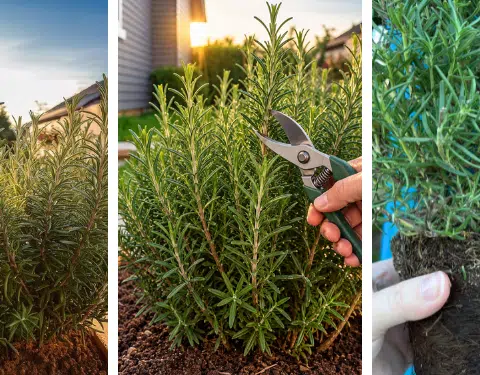
Oregano, thyme, and sage also do well in water with proper care. These Mediterranean herbs prefer bright, indirect light and require clean, fresh water every few days. Rosemary can be trickier but is still manageable. While slower to root, once it begins, rosemary grows strong and is perfect for infusing flavor into roasts and breads.
Even stevia, the natural sweetener plant, can be propagated in water from soft cuttings. It’s not only useful in the kitchen, but it also makes an attractive addition to your indoor garden.
Vegetables That Regrow from Kitchen Scraps in Water
Many common vegetables can be regrown from the parts you normally throw away. With a bit of patience, you can enjoy a continuous supply of fresh produce from scraps alone.
Green onions are perhaps the easiest and most well-known. After using the green tops in cooking, place the white root base in a small glass with just enough water to cover the roots. Within a few days, new shoots will sprout. Simply snip what you need and let the rest continue growing. You can harvest green onions repeatedly from the same base.
Celery also regrows quickly in water. Cut the base of the stalk, place it root side down in a shallow dish of water, and set it in a sunny spot. New leaves and small stalks will begin emerging from the center in about a week.
Romaine lettuce can be regrown in a similar way. Cut the bottom of the head and submerge it in a shallow dish with water just covering the base. New leaves will begin to grow within days.
Leeks and garlic can be regrown like green onions. For garlic, a single clove placed in a shallow bowl of water will sprout green shoots, which can be used like chives. Carrot tops, though they won’t regrow a full root, will produce fresh greens that can be used as garnish or in pestos.
These water-regrown vegetables can later be transferred to soil if you wish to grow them to full size, or you can continue harvesting tender greens directly from the water.
Houseplants That Thrive in Water
Beyond herbs and vegetables, many popular houseplants thrive in water indefinitely. These plants not only add greenery and beauty to your indoor space, but they also improve air quality and mood.
Pothos, often called the beginner’s plant, is incredibly easy to grow in water. A small cutting placed in a jar will root quickly and grow into long, trailing vines. It does well in indirect light and is almost impossible to kill.
Philodendrons, especially the heartleaf variety, grow similarly to pothos. Their deep green, heart-shaped leaves make them a beautiful addition to any room, and they thrive in water-filled jars or vases.
Spider plants can also be propagated in water using their baby offshoots, known as spiderettes. Once roots form, they can stay in water or be potted in soil.
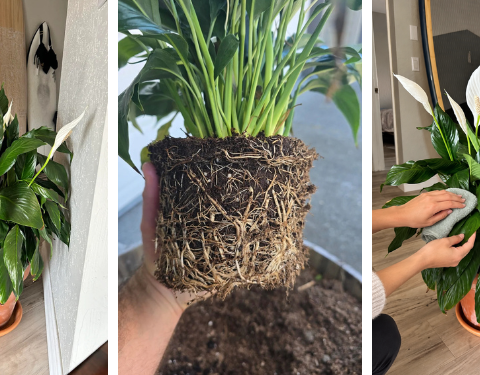
Peace lilies can live in water indefinitely if given the right conditions. They prefer a wide container with their roots just submerged and will reward you with elegant white blooms and glossy foliage.
Other houseplants such as coleus, Chinese evergreen, lucky bamboo, and even dieffenbachia can be rooted and maintained in water with consistent care and occasional cleaning of the containers.
Tips for Success When Growing in Water
Choose clear glass jars or bottles so you can easily observe root growth and spot any issues like algae or rot.
Wash the containers every couple of weeks and change the water every three to five days to prevent stagnation and bacterial buildup.
Use room-temperature, filtered, or dechlorinated tap water for best results. Most plants don’t tolerate chlorinated water well, especially during the rooting stage.
Trim lower leaves to prevent them from sitting in water, which can lead to decay. Position your containers near a window that receives indirect sunlight—too much direct light can cause algae growth and stress your plants.
If you want to keep your plants in water permanently, consider adding liquid hydroponic nutrients after a few weeks.
While plants can survive on water alone for some time, they will eventually need additional minerals for long-term health and continued growth.
A Sustainable Way to Garden All Year Round
Water propagation is more than just a gardening trick—it’s a lifestyle.
By using plant cuttings and kitchen scraps, you can reduce waste, grow fresh produce at home, and beautify your space with very little cost or effort.
Whether you’re a beginner or a seasoned plant lover, growing an endless supply of herbs, vegetables, and houseplants in water opens the door to self-sufficiency and natural abundance.
So start with what you have. Snip a sprig of basil, save your green onion roots, or clip a pothos vine.
Place them in a jar, add clean water, and let nature do the rest. Your water garden will grow, and so will your connection to the simple, powerful joy of growing your own plants—right on your windowsill.