Cinnamon is a prized spice known for its warm, sweet aroma and incredible health benefits.
While it’s widely available in stores, growing your own cinnamon tree (Cinnamomum spp.) at home is an excellent way to have fresh, organic cinnamon whenever you need it.
Not only is it a rewarding experience, but it also allows you to enjoy the beauty of this evergreen tree in your garden or indoors.
In this guide, we’ll take you through everything you need to know about growing a cinnamon tree, from choosing the right variety to harvesting and using the bark. Let’s get started!
1. Choosing the Right Cinnamon Tree Variety
There are several species of cinnamon trees, but the most common ones cultivated for their spice are:
- Ceylon Cinnamon (Cinnamomum verum) – Also known as “true cinnamon,” this variety is highly aromatic and has a milder, sweeter taste.
- Cassia Cinnamon (Cinnamomum cassia) – A stronger, more pungent variety that is commonly found in supermarkets.
- Saigon Cinnamon (Cinnamomum loureiroi) – Known for its intense flavor and higher oil content.
- Indonesian Cinnamon (Cinnamomum burmannii) – A more affordable variety, commonly used in commercial spice production.
For home gardening, Ceylon cinnamon (Cinnamomum verum) is the best choice due to its superior flavor and health benefits.
2. Ideal Growing Conditions for Cinnamon Trees
Cinnamon trees thrive in tropical and subtropical climates, but they can also be grown in containers indoors in colder regions. Here are the key conditions they need:
Climate & Temperature:
- Best grown in USDA zones 9-11.
- Prefers warm temperatures between 65-85°F (18-29°C).
- Cannot tolerate frost—if growing in a colder climate, keep it indoors during winter.
Sunlight Requirements:
- Requires full to partial sunlight (at least 6-8 hours daily).
- If growing indoors, place near a south-facing window or use grow lights.
Soil Requirements:
- Prefers well-draining, loamy soil with a pH of 5.5-7.5.
- Enrich the soil with organic compost for better nutrient retention.
Watering Needs:
- Keep soil moist but not waterlogged.
- Water deeply once or twice a week, allowing the topsoil to dry out slightly between waterings.
- Reduce watering in winter when growth slows.
3. How to Plant a Cinnamon Tree
Growing from Seeds:
- Soak fresh cinnamon seeds in water for 24 hours before planting.
- Fill a seed tray or pot with rich, well-draining soil.
- Plant seeds 1 inch deep, spacing them about 2 inches apart.
- Keep the soil moist but not soggy.
- Germination takes 3-6 weeks, so be patient.
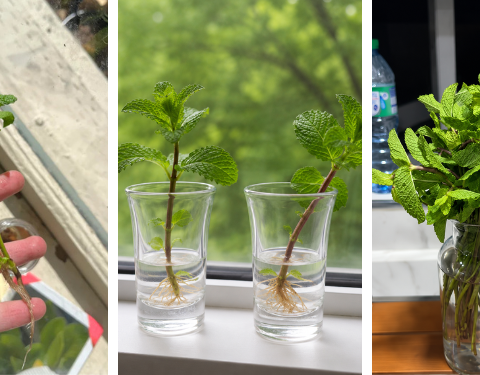
Growing from Cuttings:
- Take a 6-8 inch cutting from a healthy cinnamon tree.
- Remove lower leaves and dip the cut end in rooting hormone.
- Plant in moist, well-draining soil in a small pot.
- Keep in a warm, humid environment until roots develop (3-4 weeks).
Transplanting to a Larger Pot or Garden:
- Once the plant reaches 6-12 inches tall, it can be transplanted to a larger container or outdoor garden.
- Space trees at least 8-10 feet apart in the garden.
- If growing in a container, use a 15-20 gallon pot for mature trees.
4. Caring for Your Cinnamon Tree
Fertilization:
- Feed with a balanced organic fertilizer (10-10-10) every 2 months during the growing season.
- Add compost or well-rotted manure to improve soil fertility.
Pruning:
- Prune lightly to remove dead or weak branches.
- Regular pruning encourages bushier growth and better cinnamon bark production.
Pest and Disease Control:
- Cinnamon trees are relatively pest-resistant, but watch out for aphids, mealybugs, and scale insects.
- Use neem oil or insecticidal soap to control infestations.
- Ensure proper air circulation to prevent fungal diseases.
5. How to Harvest Cinnamon Bark
Cinnamon bark can be harvested once the tree reaches 2-3 years old. Here’s how:
Step-by-Step Harvesting Guide:
- Choose mature branches (1-2 inches thick).
- Cut the branches and remove the outer bark carefully.
- Peel away the inner bark, which naturally curls into rolls as it dries.
- Allow the bark to dry in a warm, airy place for 5-7 days.
- Store in an airtight container to retain freshness.
6. Health Benefits of Cinnamon
Growing your own cinnamon tree ensures you have access to pure, chemical-free cinnamon with numerous health benefits:
- Anti-inflammatory properties – Helps reduce swelling and pain.
- Aids digestion – Relieves bloating, indigestion, and nausea.
- Supports heart health – Lowers cholesterol and regulates blood pressure.
- Regulates blood sugar – Beneficial for people with diabetes.
- Boosts brain function – Improves memory and cognitive abilities.
7. Using Homegrown Cinnamon
Once harvested, you can use cinnamon in various ways:
- Spice up meals – Add ground cinnamon to oatmeal, coffee, and baked goods.
- Homemade cinnamon tea – Brew cinnamon sticks in hot water for a warm, soothing drink.
- DIY skincare – Mix cinnamon powder with honey for a natural face mask.
- Cinnamon-infused oil – Use in massages for pain relief.
Growing your own aromatic cinnamon tree is a rewarding and sustainable way to enjoy fresh, high-quality cinnamon at home.
With the right conditions and care, you’ll have a thriving tree that provides fragrant leaves and flavorful bark for years to come.