Succulent plants are among the most beloved and trendy additions to modern homes and apartments.
Known for their ornamental appeal, low maintenance requirements, and ability to survive with minimal care, succulents are often seen basking in the sun on windowsills or patios.
But did you know that some succulent plants can actually thrive in low-light or even shaded environments?
If you live in a home with limited sunlight or have a dark room that needs a touch of green, don’t worry—you can still enjoy the beauty of succulents.
In this guide, we’ll highlight 10 stunning succulent plants that can grow without direct sunlight, making them perfect for shady indoor spots or low-light corners.
Why Grow Succulents in Low Light?
While most succulents do prefer bright, indirect light or direct sunlight, certain varieties have adapted to survive and even thrive in lower-light conditions.
These shade-tolerant succulents are ideal for:
- Indoor spaces without access to bright windows
- Apartments or homes with limited natural light
- Office environments
- Bathrooms, kitchens, or hallways with low light
By choosing the right variety and applying a few care tips, you can successfully grow these succulents without full sun exposure.
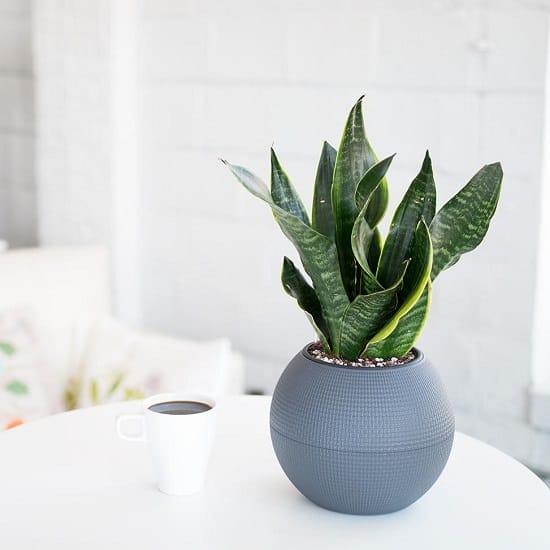
1. Snake Plant (Sansevieria trifasciata)
The snake plant, also known as mother-in-law’s tongue, is one of the toughest houseplants out there. Not only does it tolerate low light conditions, but it can also survive neglect, drought, and temperature fluctuations.
Care Tips:
-
Water only when the top inch of soil is completely dry
-
Use a well-draining succulent mix
-
Perfect for bedrooms, bathrooms, or office spaces
Snake plants also purify indoor air, making them an ideal choice for health-conscious indoor gardeners.
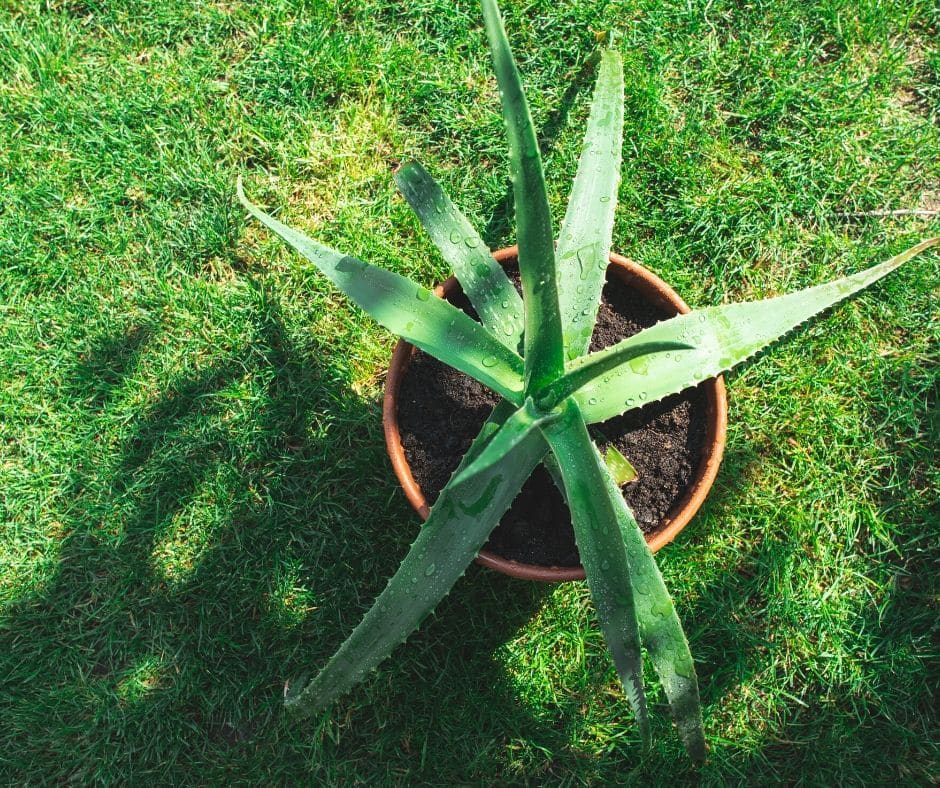
2. Aloe Vera (Aloe barbadensis miller)
While most aloe varieties prefer bright sunlight, some types such as Soap Aloe, Krantz Aloe, and Aloe Vera can tolerate indirect or filtered light and still grow well.
Care Tips:
-
Place near a window with morning light or filtered afternoon light
-
Water sparingly—allow the soil to dry between waterings
-
Avoid overwatering, especially in winter
Aloe vera is also prized for its soothing gel, used in skincare and home remedies.
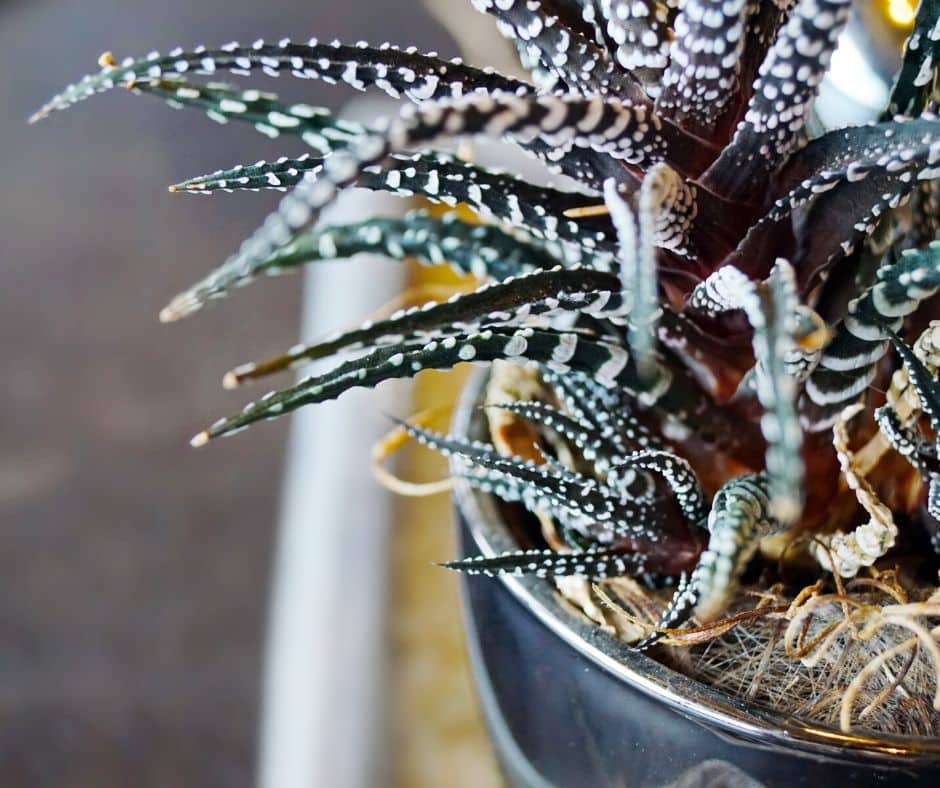
3. Zebra Cactus (Haworthia fasciata)
The zebra cactus is a striking, compact succulent with white, horizontal stripes resembling those of a zebra. It’s a favorite for desks, terrariums, and small containers due to its small size and low light needs.
Care Tips:
-
Shallow-rooted—use a small pot
-
Avoid direct sun; partial shade is ideal
-
Grows slowly, rarely needs repotting
This plant brings visual texture and thrives in modern indoor spaces.
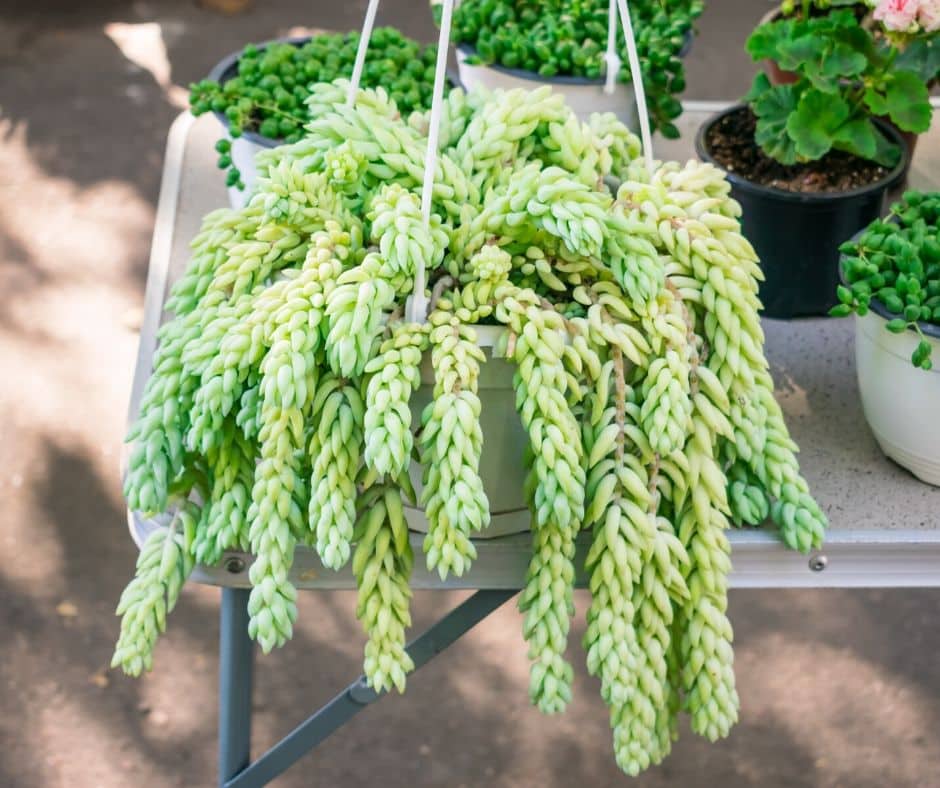
4. Burro’s Tail (Sedum morganianum)
Also called donkey’s tail, this trailing succulent features plump, teardrop-shaped leaves that cascade beautifully from hanging pots. It prefers bright indirect light but can grow in partial shade indoors.
Care Tips:
-
Handle with care—leaves fall off easily
-
Fertilize with a balanced 10-10-10 fertilizer monthly
-
Avoid harsh sun and water when the soil feels dry
Burro’s Tail makes an elegant statement when hung in bright, filtered light locations.
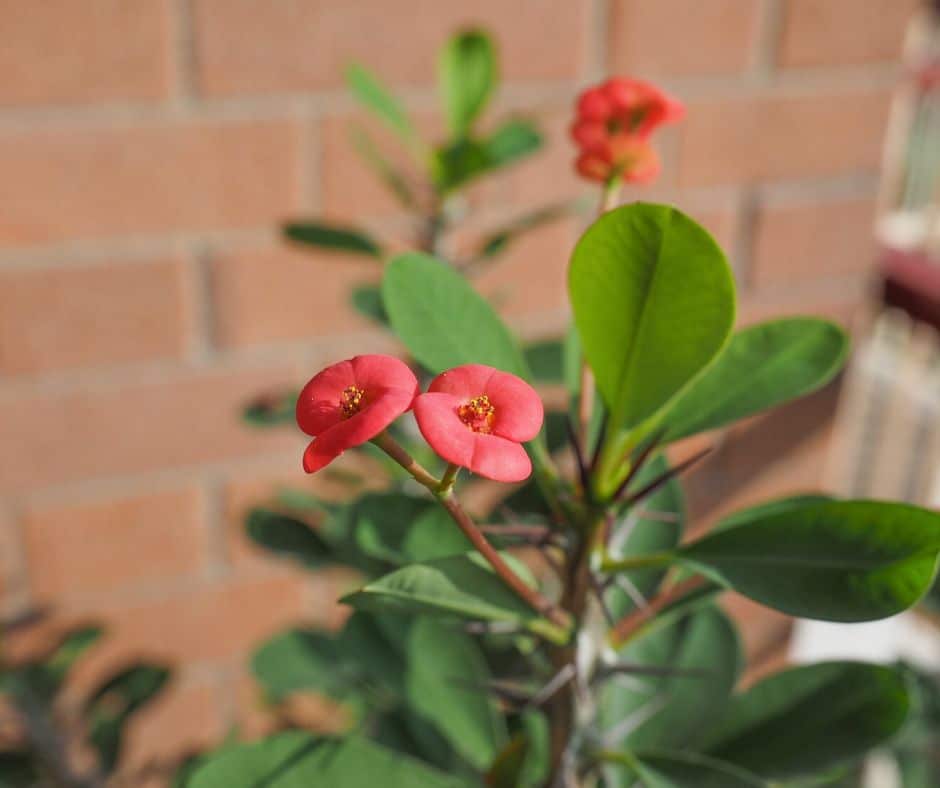
5. Crown of Thorns (Euphorbia milii)
While it prefers sun for continuous blooming, crown of thorns can survive in low-light conditions, although it may not flower as frequently. It’s a tough plant with bright flowers and thorny stems.
Care Tips:
-
Water only when the soil dries completely
-
Toxic to pets—keep out of reach
-
Can be grown indoors with limited light, but blooms best in brighter spots
Its colorful bracts add a pop of interest to indoor collections.
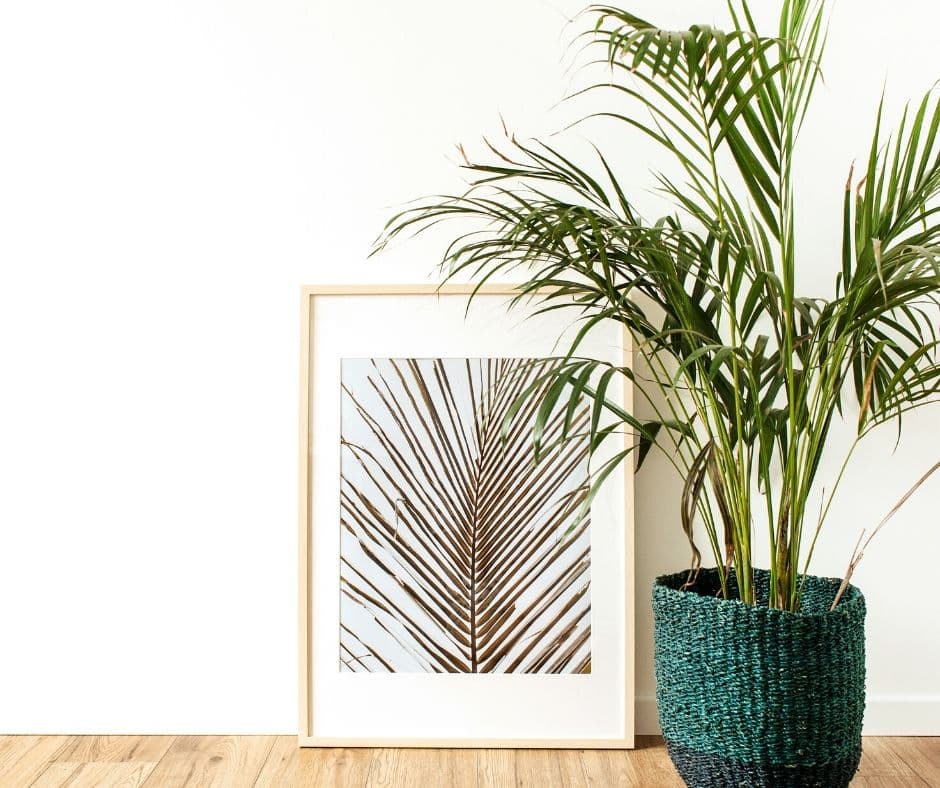
6. Ponytail Palm (Beaucarnea recurvata)
Despite its name, the ponytail palm is not a true palm—it’s a succulent with a bulbous base and long, curly leaves. It’s a favorite indoor plant due to its striking look and easy-going nature.
Care Tips:
-
Water deeply but infrequently
-
Tolerates both full sun and shade
-
Requires well-drained soil and light feeding in growing season
Its sculptural form makes it a popular centerpiece in low-light rooms.
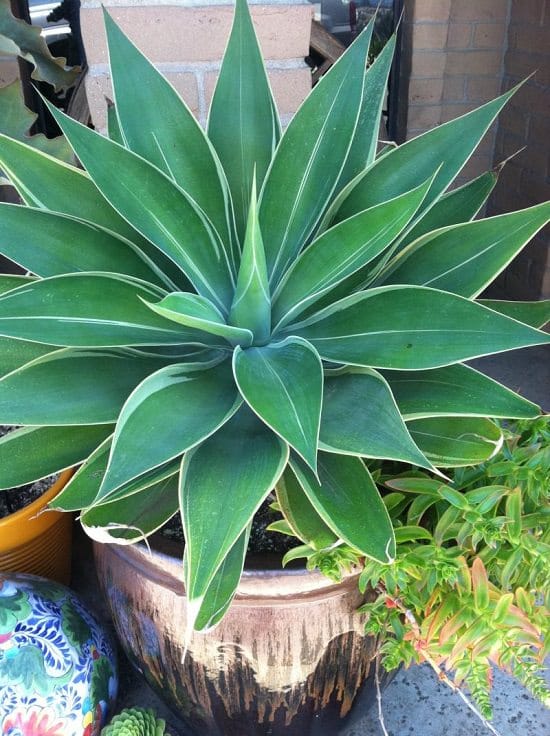
7. Foxtail Agave (Agave attenuata)
Also known as lion’s tail or swan’s neck agave, this plant is recognized for its soft, curving rosettes and smooth, spineless leaves. It adapts well to partial shade and is tolerant of poor conditions.
Care Tips:
-
Can grow up to 4–5 feet in height and width
-
Water sparingly and allow good drainage
-
Ideal for outdoor shady spots or bright indoor corners
Foxtail agave is elegant and drought-tolerant, ideal for container gardening.
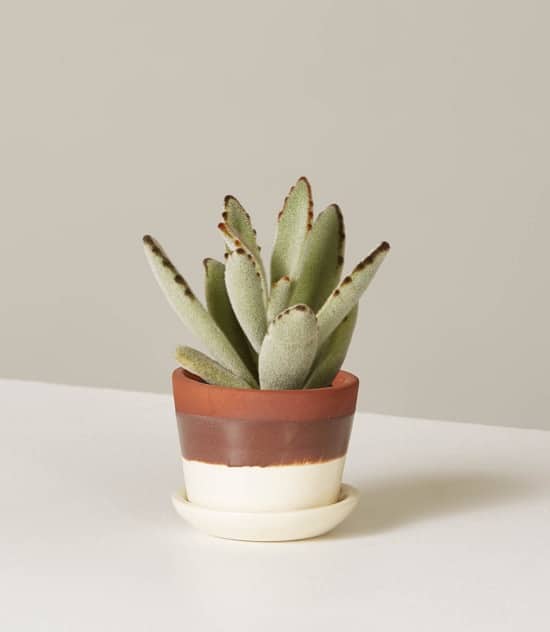
8. Panda Plant (Kalanchoe tomentosa)
Also called pussy ears, the panda plant is beloved for its fuzzy, silver-gray leaves with brown edges. It’s a slow-growing succulent that does well in low to moderate light.
Care Tips:
-
Prefers average room temperature
-
Fertilize monthly with diluted plant food
-
Let soil dry completely before watering
Though it rarely flowers indoors, it adds a cute and tactile touch to shelves or desk spaces.
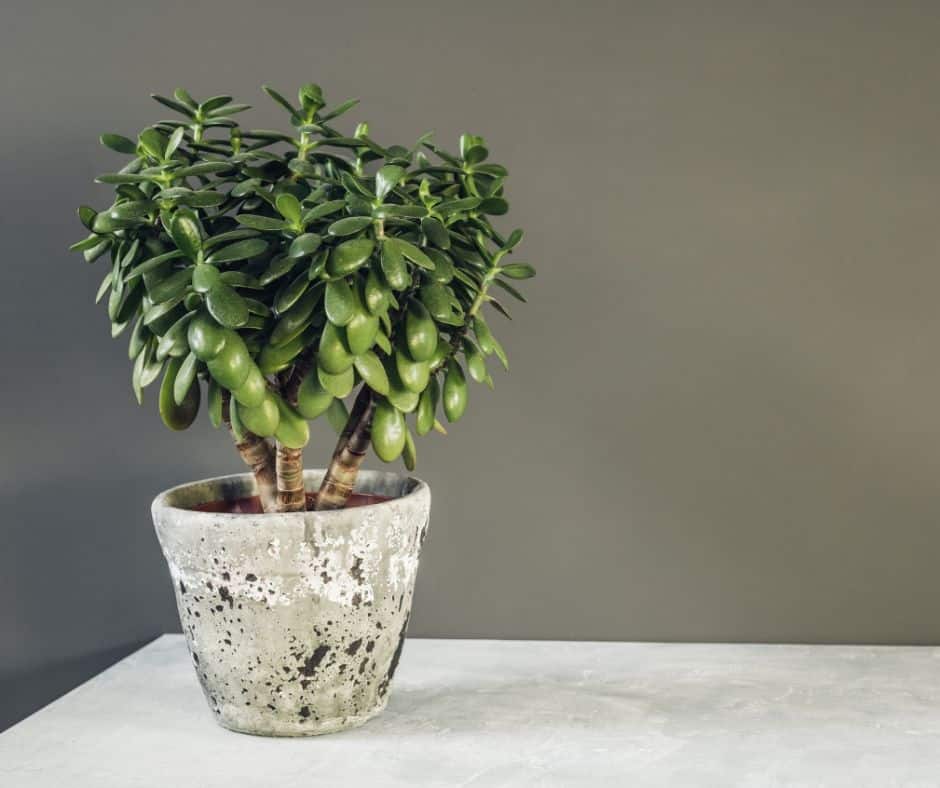
9. Jade Plant (Crassula ovata)
The jade plant, also known as the money tree, is symbolic of prosperity and good fortune. It’s an easy succulent to grow indoors, even in moderate light conditions.
Care Tips:
-
Needs minimal watering; drought-tolerant
-
Rotate the pot occasionally to keep growth even
-
Avoid overwatering to prevent root rot
Its thick, fleshy leaves and tree-like structure make it a great addition to home offices or living rooms.
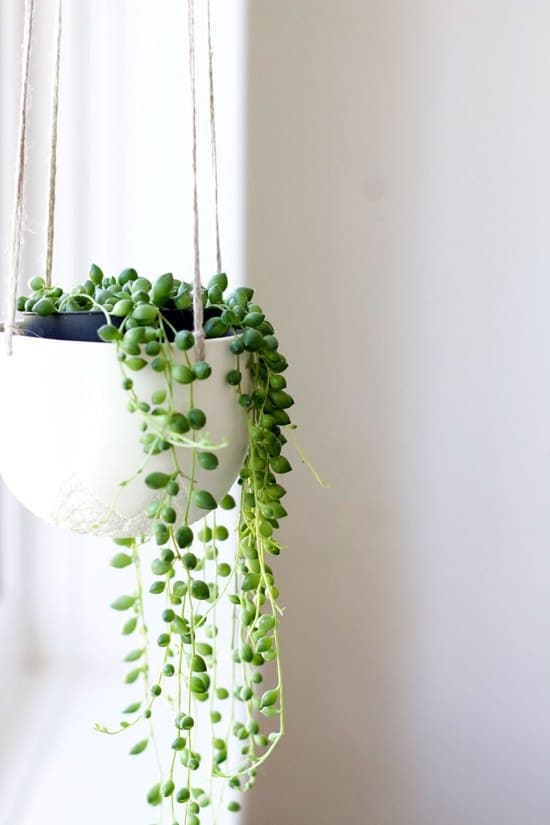
10. String of Pearls (Senecio rowleyanus)
This elegant trailing succulent is a showstopper with its bead-like leaves resembling a string of pearls. Though it prefers bright light, it can adapt to lower light with proper care.
Care Tips:
-
Best in hanging baskets or shelves
-
Needs well-drained soil and infrequent watering
-
Protect from harsh afternoon sun, which can scorch the leaves
String of Pearls is perfect for adding a whimsical touch to your home decor.
Not all succulents need sun-soaked windows to survive. The varieties listed above prove that with the right care, you can enjoy the charm of succulents even in darker spaces.
Whether you’re working with a dim apartment, an office cubicle, or a shaded living room, these shade-tolerant succulent plants will bring greenery and joy to your life—no matter the light level.