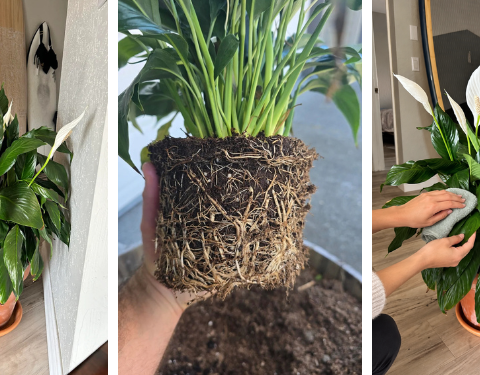
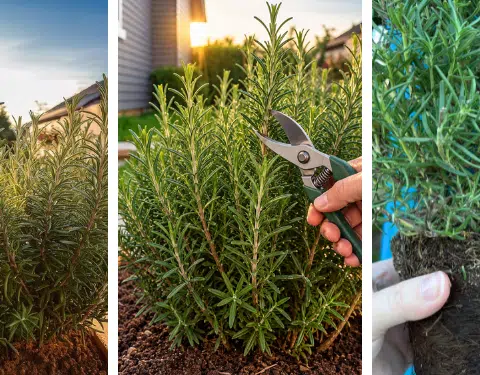
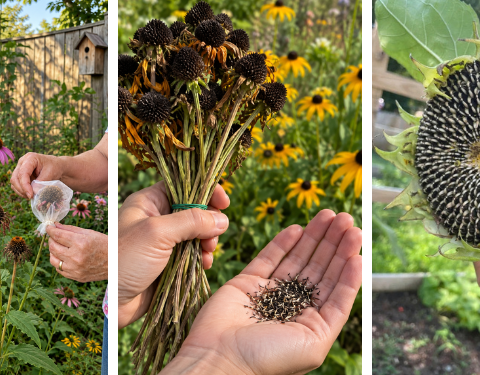
If you’re tired of replanting your vegetable garden every year, it’s time to consider a more sustainable approach to homegrown food: perennial vegetables and herbs.
Unlike annuals, which complete their life cycle in one season, perennials come back year after year with little effort.
Once established, they provide a reliable source of food with minimal maintenance, making them a smart choice for homesteaders, permaculture enthusiasts, and anyone looking to create a low-maintenance edible garden.
Whether you want to reduce your workload, increase your garden’s productivity, or just enjoy the convenience of fresh produce without starting from scratch each spring, perennial vegetables and herbs are an excellent investment.
In this guide, we’ll explore 10 of the best perennial edibles you can grow to feed your family for years.
1. Asparagus (Asparagus officinalis)
Hardiness Zones: 3 to 10
Light Requirements: Full sun
Harvest Time: Spring
Asparagus is one of the most popular perennial vegetables for home gardens. While it takes about two to three years to become fully established, the payoff is well worth the wait.
Once mature, an asparagus patch can produce tender spears every spring for 15 to 20 years.
Plant crowns in well-drained soil in a sunny spot and avoid harvesting in the first couple of seasons. Mulching helps suppress weeds, and yearly compost will keep your patch productive for decades.
Tip: Male hybrids like ‘Jersey Giant’ yield more spears and are highly disease resistant.
2. Rhubarb (Rheum rhabarbarum)
Hardiness Zones: 3 to 8
Light Requirements: Full sun to partial shade
Harvest Time: Spring to early summer
Although often treated like a fruit, rhubarb is a perennial vegetable prized for its tart, ruby-red stalks. It’s perfect for pies, sauces, and jams. Once established, rhubarb plants can produce for 10 years or more.
Plant in rich, well-draining soil, and harvest only the stalks—never the leaves, which are toxic. Avoid harvesting in the first year to let the plant establish a strong root system.
Tip: Divide rhubarb every few years in early spring or fall to keep it vigorous.
3. Walking Onion (Allium × proliferum)
Hardiness Zones: 3 to 10
Light Requirements: Full sun
Harvest Time: Late spring to summer
Also known as Egyptian onions or top-setting onions, walking onions are one of the most fascinating and low-maintenance perennials you can grow. Instead of flowering, these onions produce bulblets at the tops of their stalks. As the tops grow heavy, they bend and “walk” across your garden.
Harvest the green tops like scallions, or dig up the underground bulbs. Walking onions are incredibly hardy and will spread naturally, giving you a self-propagating onion patch year after year.
Tip: Harvest some of the bulblets to control spread and replant them where you want more onions.
4. Sorrel (Rumex acetosa)
Hardiness Zones: 3 to 9
Light Requirements: Full sun to partial shade
Harvest Time: Early spring to fall
Sorrel is a tangy, lemony-tasting leafy green that grows like a weed and returns every spring. Its tender young leaves are excellent in salads, soups, and sauces, especially in dishes that benefit from a citrusy kick.
Sorrel is extremely cold-hardy and can be one of the first greens to emerge in spring. It prefers moist soil but is generally drought-tolerant once established.
Tip: Cut back flower stalks to encourage more leafy growth throughout the season.
5. Good King Henry (Blitum bonus-henricus)
Hardiness Zones: 3 to 9
Light Requirements: Full sun to light shade
Harvest Time: Spring to early summer
Good King Henry is a forgotten perennial green that was once a staple in cottage gardens across Europe. The young shoots can be eaten like asparagus, and the leaves are excellent steamed or sautéed like spinach.
This hardy plant thrives in poor soils and is well-suited for permaculture gardens or forest edges. It may take a couple of years to establish, but after that, it can provide a steady harvest for years.
Tip: Regular harvesting and deadheading prevent self-seeding and encourage more shoots.
6. Horseradish (Armoracia rusticana)
Hardiness Zones: 3 to 9
Light Requirements: Full sun
Harvest Time: Late fall to early spring
Horseradish is a hardy root vegetable known for its pungent, spicy flavor. It spreads aggressively, so it’s best planted in a contained bed or large container. Once it takes hold, it requires little attention and yields hot, tangy roots perfect for sauces and condiments.
Plant a root cutting in spring, and you’ll have a ready-to-harvest crop by the fall of the second year. Harvest part of the root each year and leave the rest to regrow.
Tip: Dig up and divide every few years to keep roots from becoming woody.
7. Lovage (Levisticum officinale)
Hardiness Zones: 3 to 9
Light Requirements: Full sun to partial shade
Harvest Time: Spring through fall
Lovage is a perennial herb with a strong celery-like flavor, ideal for flavoring soups, stews, and stocks. It grows up to six feet tall and is a true perennial powerhouse—both edible and ornamental.
All parts of the plant are edible, including seeds (used like celery seed), stems, and leaves. Once established, it grows vigorously each year and needs little care beyond cutting back in late fall.
Tip: Pick leaves regularly to keep flavor fresh and plant from root divisions or seeds.
8. Chives (Allium schoenoprasum)
Hardiness Zones: 3 to 9
Light Requirements: Full sun to partial shade
Harvest Time: Spring through fall
Chives are one of the easiest and most useful perennial herbs to grow. Their onion-flavored leaves and edible purple flowers add fresh flavor to salads, eggs, soups, and more.
Chives are low-maintenance and can even be grown in containers. They’re also pollinator-friendly and excellent companion plants in vegetable gardens.
Tip: Cut chives down to the base regularly to encourage fresh growth.
9. Comfrey (Symphytum officinale)
Hardiness Zones: 3 to 9
Light Requirements: Full sun to partial shade
Harvest Time: Spring to early fall
While not often eaten directly, comfrey is an essential perennial herb for the sustainable gardener. Rich in nutrients, its leaves are used to make compost tea or as mulch to enrich the soil. Some varieties like Russian comfrey are sterile, meaning they won’t take over your garden.
Comfrey has medicinal uses and its young leaves can be cooked like spinach, though some gardeners prefer to use it primarily for compost and soil health.
Tip: Harvest leaves several times a year by cutting them to the ground—they’ll regrow rapidly.
10. Perennial Kale (Brassica oleracea var. ramosa)
Hardiness Zones: 7 to 10 (with protection in colder zones)
Light Requirements: Full sun
Harvest Time: Year-round in mild climates
Unlike annual kale, perennial varieties such as ‘Daubenton’ or ‘Taunton Deane’ don’t bolt to seed and can live for several years. These leafy greens provide a continuous harvest of mild-tasting, tender leaves—perfect for sautéing, salads, or green smoothies.
Perennial kale is ideal for food forests and permaculture gardens. In colder climates, protect it during winter or take cuttings to start new plants indoors.
Tip: Take cuttings in summer to propagate new plants, ensuring a steady supply year-round.
Perennial vegetables and herbs are a game-changer for gardeners who value sustainability, self-sufficiency, and ease.
With just a bit of upfront effort, these plants will reward you with reliable harvests season after season, year after year.
They not only reduce the need for constant replanting but also build healthier soil, support pollinators, and create more resilient garden ecosystems.
If you’re planning your next garden layout or looking to expand your edible landscape, consider adding some of these perennial powerhouses.
You’ll be building a future-proof garden that provides fresh food with minimal input—saving you time and money while nourishing your family.