If you’re dealing with a small garden, balcony, or patio but still dreaming of growing your own fruits, herbs, flowers, or vegetables, a vertical pyramid planter could be the game-changing solution you need.
When ground space is limited, the smartest move is to grow upwards. That’s where this clever, space-saving design comes in.
Whether you’re a seasoned gardener or just getting started with your green thumb, a pyramid planter offers an efficient and attractive way to garden vertically. It’s ideal for those with limited square footage but big planting ambitions.

Why a Pyramid Planter Is Perfect for Small Spaces
A pyramid planter is essentially a tiered, multi-level structure built to allow multiple layers of planting beds within a compact footprint.
Instead of spreading out across your yard, it gives you the ability to plant vertically, using gravity and smart design to optimize every inch of space.
Benefits of a vertical pyramid planter include:
-
Maximized space: Perfect for patios, small backyards, and even balconies.
-
Easy access: Ideal for people who have difficulty bending down or reaching.
-
Efficient watering: Water naturally trickles down to lower levels, reducing waste.
-
Enhanced sunlight exposure: Plants at every level can benefit from direct light.
-
Attractive design: A vertical garden adds visual interest and can double as a garden centerpiece.
This type of planter works beautifully for everything from strawberries and leafy greens to cascading flowers and culinary herbs. Its vertical structure also helps keep produce off the ground, making it cleaner and less prone to pests.
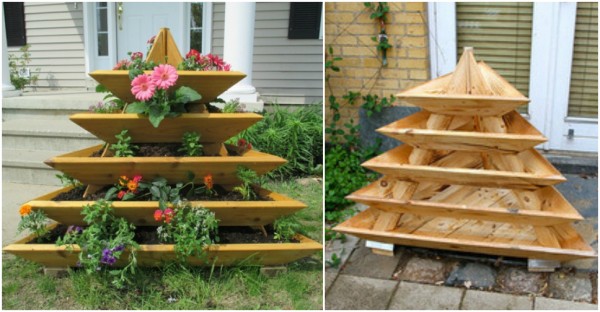
Build It Yourself: A Fun and Functional Weekend Project
The good news is that building your own pyramid planter is easier than you might think. With just a few planks of wood, some basic tools, and a free afternoon, you can build a fully functional planter that you’ll use for years to come.
What You’ll Need:
-
Untreated wood planks (cedar or pine works well for outdoor use)
-
Screws or nails
-
Drill or hammer
-
Saw (hand saw or circular saw)
-
Measuring tape
-
Wood glue (optional for added strength)
-
Sandpaper or sander
-
Wood stain, sealant, or outdoor paint (optional)
Basic Build Overview:
The typical pyramid planter consists of 3 to 5 square or rectangular tiers stacked on top of each other, each smaller than the one below it. Each tier acts like a raised garden bed. Here’s a simplified breakdown of how to approach the build:
-
Measure and cut your wood to create box frames of decreasing size (e.g., 36”, 30”, 24”, 18”, 12”).
-
Assemble each tier using screws or nails to form rectangles or squares.
-
Stack the tiers, starting with the largest on the bottom and working up to the smallest.
-
Secure the tiers together, either by screwing them into place or simply stacking them with soil weight to keep them stable.
-
Sand all surfaces to prevent splinters and rough edges.
-
Seal or paint your planter if desired, especially if you want to extend its life or match your garden’s color palette.
Once assembled, fill each level with a nutrient-rich potting mix appropriate for the plants you plan to grow.
What to Plant in a Pyramid Planter
One of the great things about a pyramid planter is its versatility. Each level can be planted with something different based on sunlight exposure, plant size, and root depth needs.
Here are some popular planting ideas by tier:
-
Top Tier (shallow soil, full sun): Herbs like basil, thyme, or oregano
-
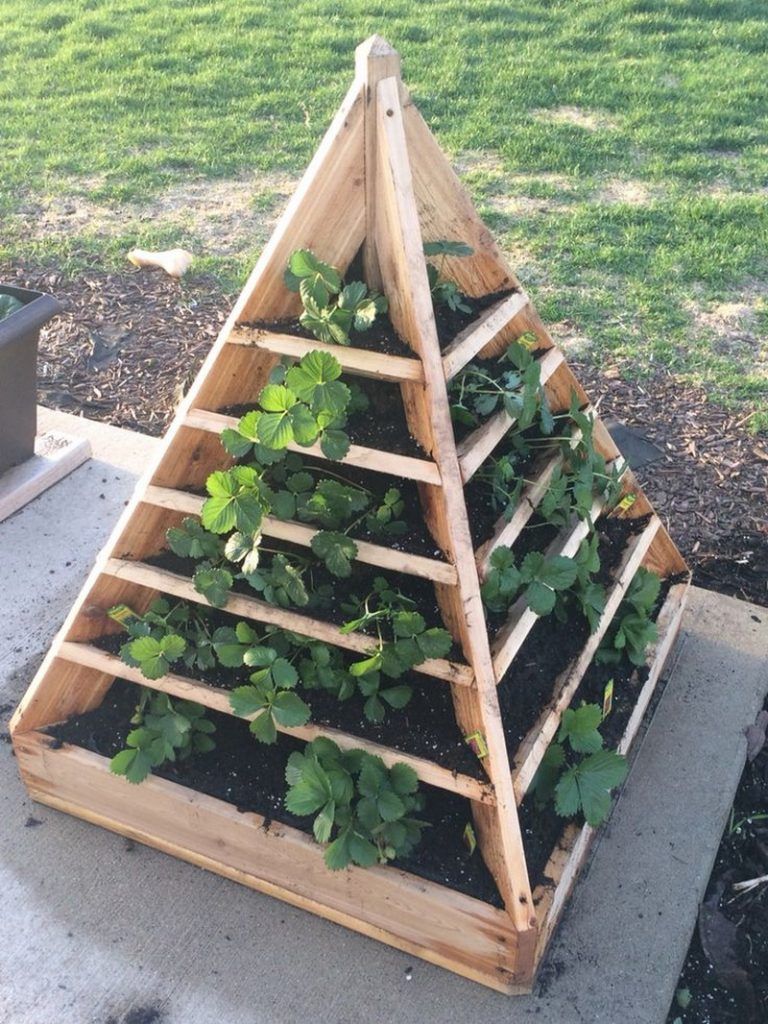
Middle Tiers (moderate depth): Strawberries, lettuce, spinach, bush beans
-
Bottom Tier (deep soil): Carrots, radishes, compact tomato varieties, beets
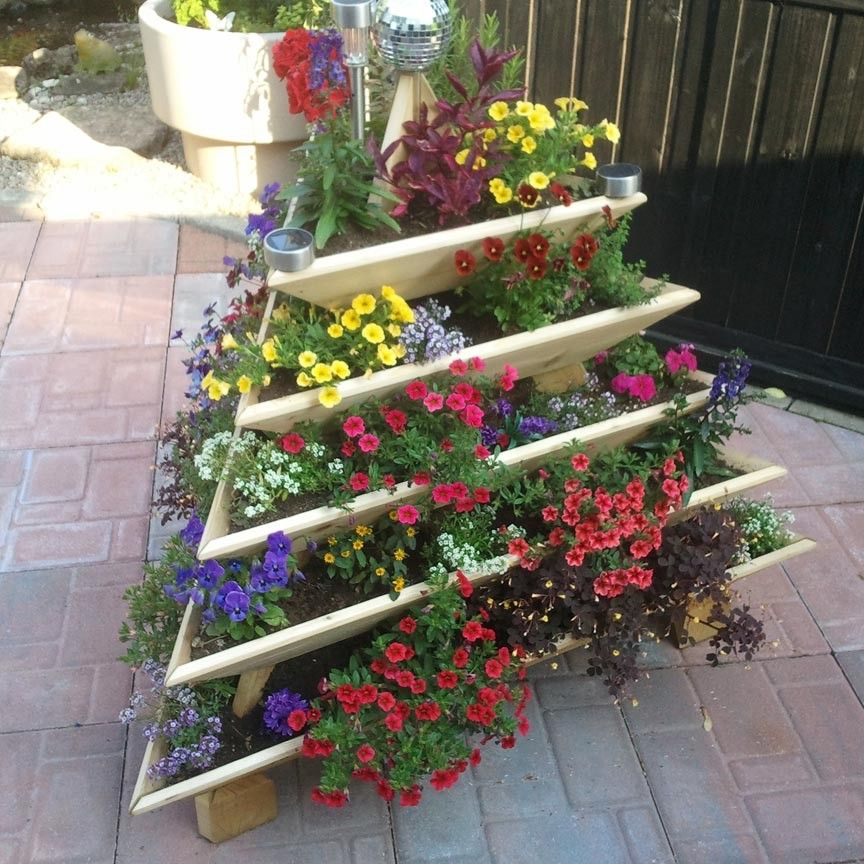
You can also create a colorful flower display using pansies, petunias, marigolds, and trailing nasturtiums to turn your planter into a living sculpture.
Tip: Mix edible plants and flowers to attract pollinators and add beauty.
Style It Your Way: Design Ideas for Your Vertical Garden
The pyramid planter shown in most DIY tutorials typically has a natural wood finish, which complements any garden and weathers gracefully. But if you want to add personality or match your planter to an existing garden theme, the options are endless:
-
Paint it bright for a colorful modern vibe—think turquoise, red, or sunflower yellow.
-
Stain it dark for a sleek, rustic finish that blends with wooden decking or fences.
-
Stencil plant names or decorative patterns onto the sides.
-
Use chalkboard paint on one side for notes or reminders.
Whether you’re going for rustic charm or bold contemporary, your vertical planter can double as both a functional growing space and a piece of garden art.
Move It with the Sun
If your garden doesn’t get consistent sunlight throughout the day, consider building your pyramid planter with casters or wheels on the bottom tier.
This allows you to rotate or relocate your planter throughout the day or season to maximize sunlight exposure.
This is especially handy in urban gardens, courtyards, or rented properties where permanent installations aren’t an option.
Family-Friendly Garden Fun
Building and planting a pyramid planter is a great weekend activity for the whole family. Kids love helping fill the tiers with soil and selecting plants to grow in each layer.
It’s also a wonderful way to teach children about growing their own food, the importance of pollinators, and sustainable living.
You can assign each child a “tier” to decorate or manage, making it a cooperative garden project that encourages learning and responsibility.
A vertical pyramid planter is one of the most efficient and attractive ways to garden in tight spaces.
With a small footprint and maximum planting capacity, it opens the door to creative, space-saving gardening even in the tiniest outdoor areas.
Whether you’re dreaming of homegrown strawberries, a fresh herb collection, or a floral centerpiece to brighten your patio, this easy DIY project is well worth the effort. It’s customizable, movable, and incredibly rewarding.
If you’re short on space but big on ideas, start building up instead of out—your vertical garden adventure begins with one pyramid planter.