Garden paths do more than provide a way to move through your outdoor space—they add structure, style, and charm to your landscape.
A well-designed path connects different areas of your garden, guides visitors on a journey, and defines planting zones. It can be subtle and natural or bold and artistic, depending on your taste and the overall style of your garden.
The best part? You don’t need to hire a landscaper or spend a fortune to create a stunning path. With some basic materials, a little effort, and creativity, you can design and build a garden path that reflects your personality and complements your yard beautifully.
From rustic wood chips to elegant flagstones, here are 15 creative garden path ideas you can DIY to elevate your backyard, patio, or front yard.
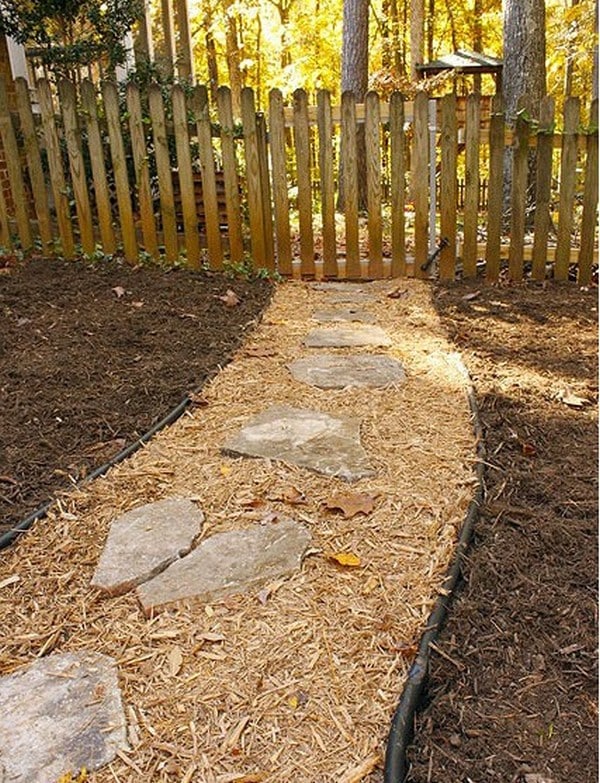
1. Mulch and Stone Path
Combining mulch and stepping stones is a practical and earthy option that looks natural in most garden settings.
Lay out flat stones (like slate or flagstone) in your desired shape and fill the gaps with mulch for contrast.
-
Best for: Woodland and cottage gardens
-
Benefits: Inexpensive, easy to lay, great for drainage
-
Maintenance: Replenish mulch seasonally to maintain appearance
2. Walkway with Flagstones of Varying Sizes
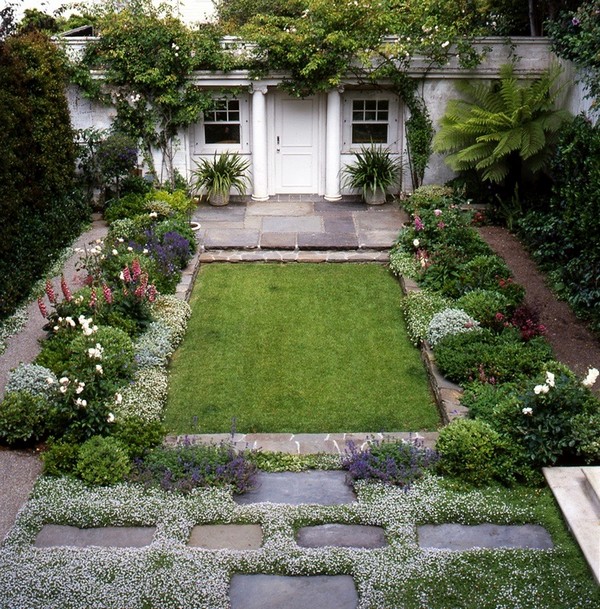
Create visual interest by using irregular-shaped flagstones to form a meandering path. The varied shapes give a natural feel and help break the monotony of straight lines.
-
Best for: Organic and freeform gardens
-
Benefits: Durable, natural aesthetic
-
Maintenance: Weed occasionally between stones
3. Classic Brick Walkway
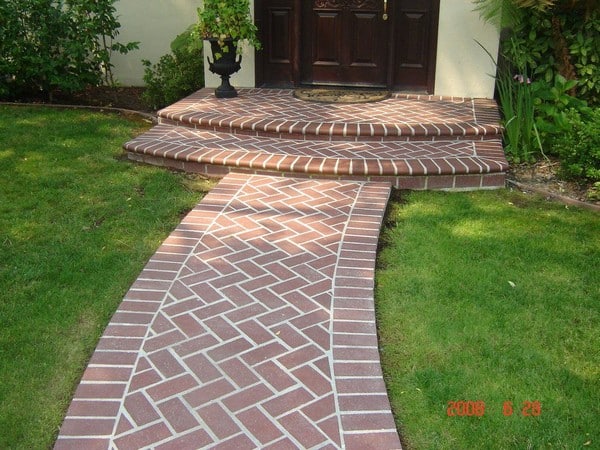
Brick is a timeless option for creating structured, traditional-looking garden paths. Lay bricks in herringbone, basket weave, or running bond patterns for a polished appearance.
-
Best for: Formal gardens, colonial or classic home styles
-
Benefits: Long-lasting, stylish, historic appeal
-
Maintenance: Level uneven bricks and remove moss if needed
4. Wood Chip Garden Path
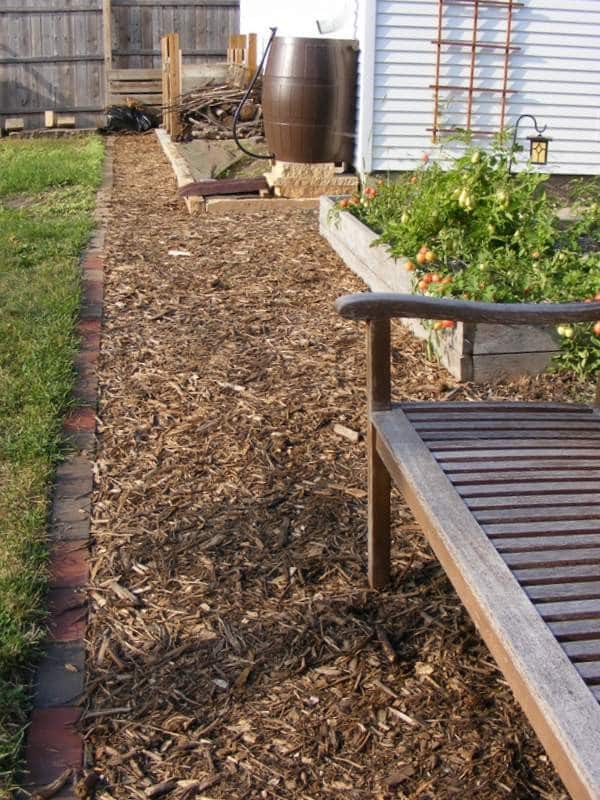
Wood chips provide a soft, eco-friendly path that blends beautifully with surrounding plant beds. Ideal for informal or woodland gardens, this material is affordable and easy to install.
-
Best for: Vegetable gardens, forest-inspired landscapes
-
Benefits: Excellent for moisture retention, low-cost
-
Maintenance: Replace wood chips yearly to maintain depth and color
5. Flagstone Path
Flagstone paths create a solid, durable walkway that integrates well with natural surroundings. Choose stones in earthy tones to complement your plantings and yard design.
-
Best for: Zen, naturalistic, or rock gardens
-
Benefits: Long-lasting, low maintenance
-
Installation tip: Use sand or gravel underneath for leveling
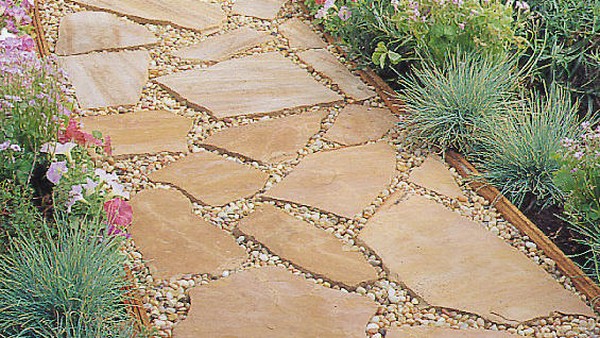
6. Gravel Path (Budget-Friendly)
Gravel is one of the easiest and cheapest materials for a DIY garden path. It drains well and adapts to any garden style. Add a border of stones, bricks, or wood to keep the gravel in place.
-
Best for: Mediterranean, minimalist, or rustic gardens
-
Benefits: Low-cost, quick to install
-
Maintenance: Rake smooth and refill gravel as needed
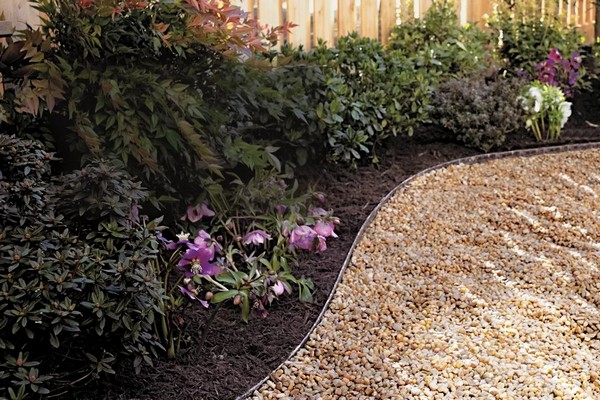
7. Paver and Pebble Path
Alternate large paver stones with decorative pebbles to create a modern, contrasting look. This path style is both functional and artistic, offering great visual texture.
-
Best for: Contemporary or minimalist gardens
-
Benefits: Decorative and durable
-
Customization: Choose pebble colors to match or contrast with pavers
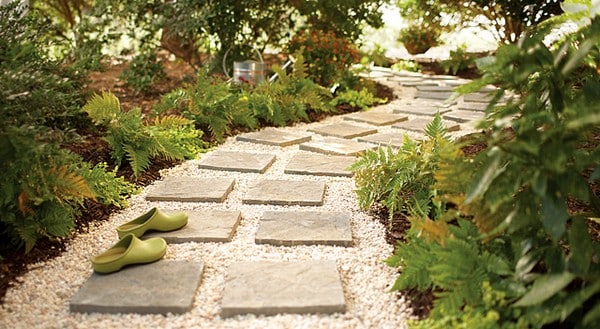
8. Geometric Paver Path
Create a modern and clean aesthetic with uniform concrete or stone pavers arranged in a symmetrical or grid layout. Leave narrow grass or gravel lines between for definition.
-
Best for: Modern, structured landscapes
-
Benefits: Sharp design, easy to maintain
-
Maintenance: Edge regularly if using grass between stones
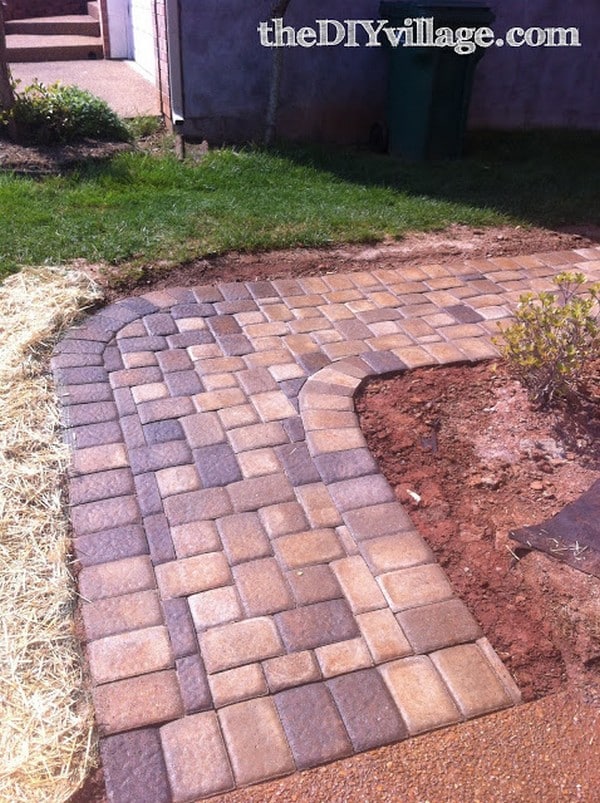
9. Stone-Edged Gravel Path
Line your gravel path with flat stones or bricks for a finished, polished border. It helps define the walkway and keeps the gravel contained, giving your garden structure.
-
Best for: Traditional, Mediterranean, or rustic gardens
-
Benefits: Tidy and refined appearance
-
Installation tip: Use a landscape fabric base to reduce weeds
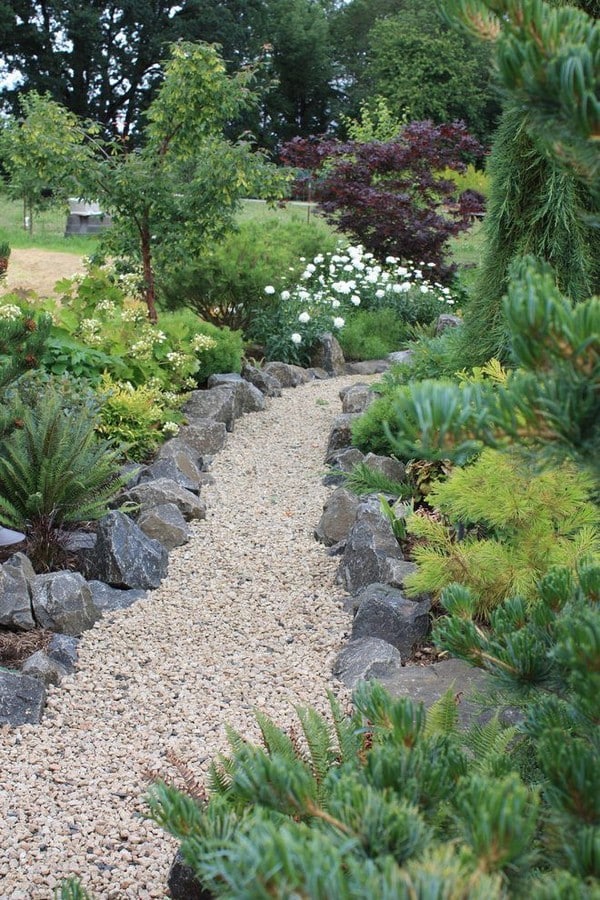
10. Natural Stone Path
Use rough-cut natural stones spaced out over soil or grass for a low-profile path. Perfect for informal, cottage-style gardens, these paths look as if they were part of the landscape all along.
-
Best for: Cottage, wildflower, or woodland gardens
-
Benefits: Natural beauty, blends with surroundings
-
Maintenance: Adjust stones as needed to keep level
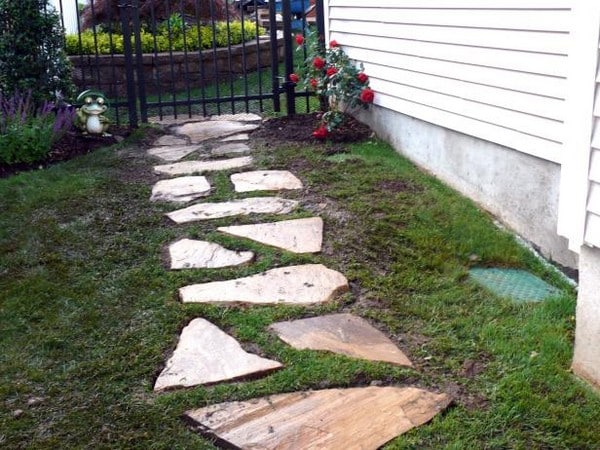
11. Natural Stone Steps
If your yard is sloped or multi-leveled, flat stone steps provide both function and beauty. Nestled into the landscape, these natural stone steps blend into hillsides and connect garden levels gracefully.
-
Best for: Terraced gardens, hillside yards
-
Benefits: Safe passage on slopes, very durable
-
Materials: Flagstone, slate, granite, or limestone
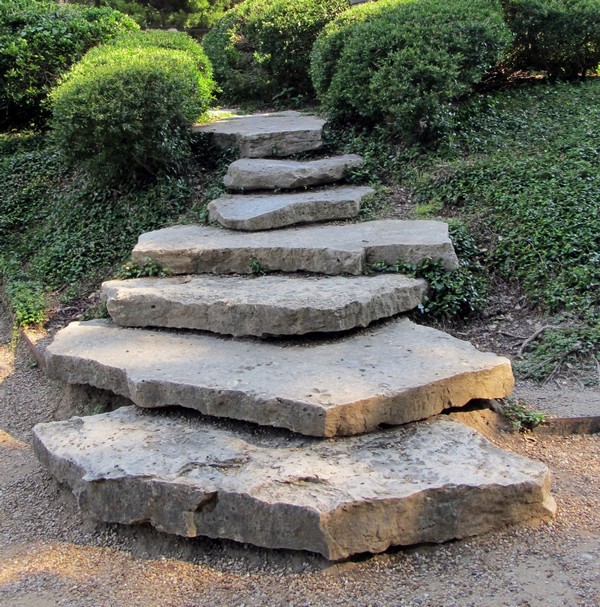
12. Stone Walkway
Create a solid stone walkway using tightly fitted stones with minimal gaps. This type of path is ideal for high-traffic areas and adds timeless appeal to any garden design.
-
Best for: Entrances, formal garden paths
-
Benefits: Long-term durability, elegant look
-
Tip: Use polymeric sand between joints to deter weeds
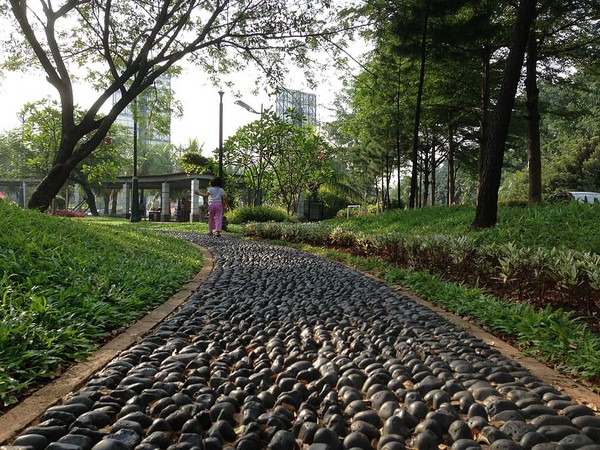
13. Wooden Step Path
Use wood planks or railway ties to construct a straight or winding pathway. You can embed wood into the ground or raise it slightly for better drainage.
-
Best for: Sloped gardens, natural settings
-
Benefits: Natural look, easy to install
-
Maintenance: Treat wood with sealant to prevent rot
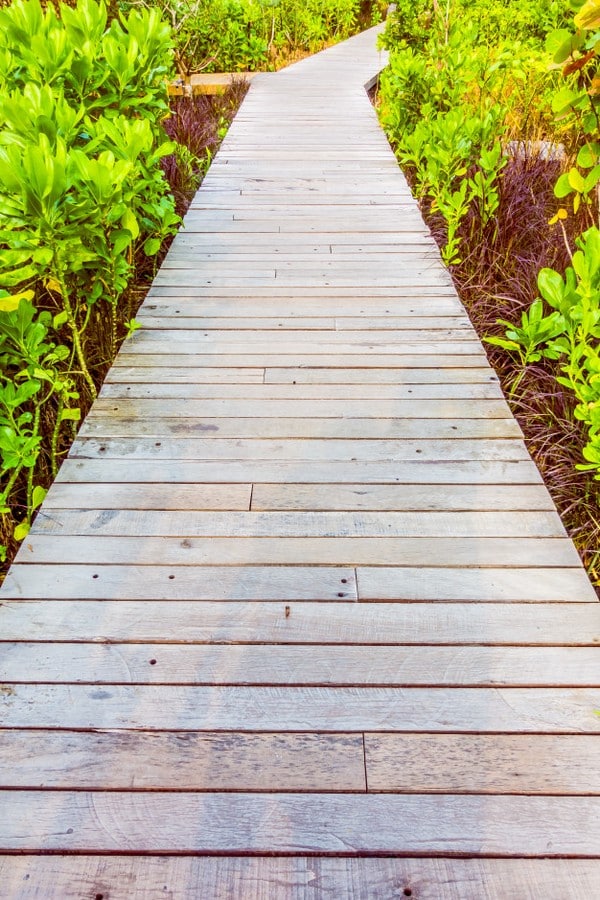
14. Wood Slice Walkway
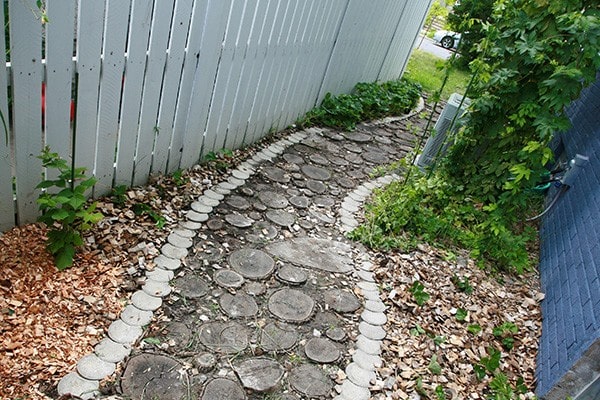
Create a whimsical forest path with tree trunk slices or wood rounds laid into soil or gravel. These rustic walkways add texture and look like something out of a fairy tale.
-
Best for: Woodland or cottage-style gardens
-
Benefits: Eco-friendly, creative, natural charm
-
Maintenance: Replace or seal slices to prevent decay
15. Pallet Walkway
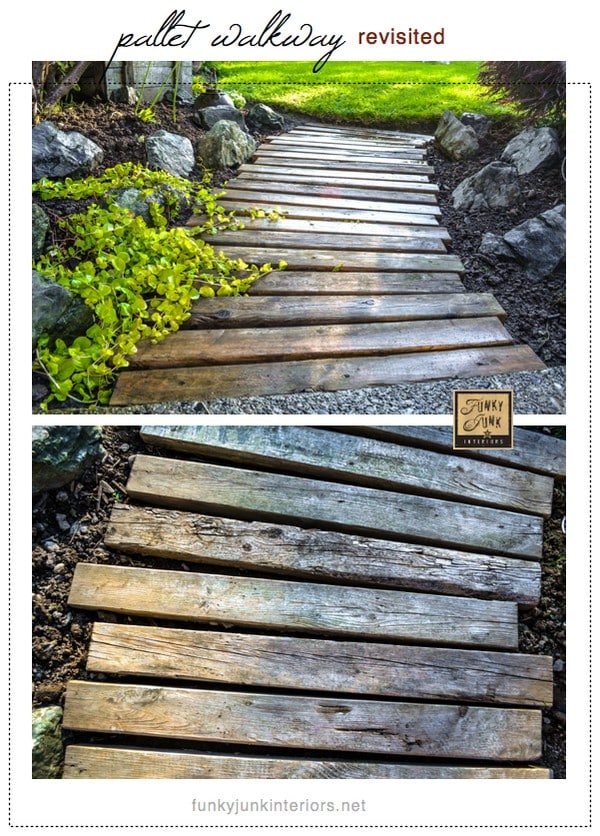
Recycle old pallets by dismantling them into slats and laying them side by side for a rustic boardwalk-style path. This is one of the most budget-friendly DIY path ideas.
-
Best for: Raised beds, vegetable gardens
-
Benefits: Inexpensive, repurposed materials
-
Pro tip: Treat wood to resist moisture and insects
Garden paths are more than just practical—they are a design feature that adds depth, character, and harmony to your landscape.
Whether you prefer the rugged texture of natural stone or the structured lines of pavers, there’s a path style to match every garden and every skill level.