As climate patterns shift and water conservation becomes more important than ever, drought-tolerant plants are gaining popularity among home gardeners, landscapers, and eco-conscious homeowners.
Fortunately, you don’t have to sacrifice beauty to create a low-water garden. Many drought-tolerant perennials and annuals offer vibrant color, lush foliage, and long blooming seasons—all while thriving in dry, hot conditions.
Whether you live in an arid region or simply want to reduce your water usage, choosing the right drought-resistant plants can create a thriving garden that requires minimal irrigation.
Below are 10 of the best drought-tolerant perennials and annuals that are not only resilient but also visually striking, pollinator-friendly, and easy to grow.
1. Lavender (Lavandula angustifolia)
Type: Perennial
Zones: 5–9
Sun: Full sun
Lavender is not only famous for its calming scent and beautiful purple blooms, but it’s also one of the toughest drought-tolerant perennials you can plant.
Native to the Mediterranean, lavender thrives in full sun, well-drained soil, and dry conditions. Once established, it requires very little water and is deer-resistant, heat-tolerant, and a magnet for bees and butterflies.
Plant lavender in raised beds or along walkways where its fragrance can be appreciated. Prune annually after flowering to keep the plant compact and encourage repeat blooming.
2. Blanket Flower (Gaillardia pulchella)
Type: Annual or short-lived perennial
Zones: 3–10
Sun: Full sun
Blanket flower is a bright, cheerful bloomer that adds a pop of color to any drought-tolerant garden.
Its daisy-like flowers, which range from yellow to deep red and orange, bloom from early summer through fall.
Gaillardia tolerates poor soil, high heat, and low moisture, making it perfect for xeriscaping or tough, dry spots in the yard.
Deadhead regularly to extend the bloom period, and consider allowing a few flowers to go to seed, as this plant self-sows easily and returns year after year in many gardens.
3. Russian Sage (Perovskia atriplicifolia)
Type: Perennial
Zones: 4–9
Sun: Full sun
With silvery-gray foliage and tall spikes of purple-blue flowers, Russian sage brings texture and movement to drought-resistant landscapes.
It thrives in hot, sunny areas with poor or sandy soil and doesn’t flinch at dry spells. The airy flower spikes bloom from mid-summer into fall and attract bees, butterflies, and hummingbirds.
Russian sage pairs well with other drought-tolerant plants like coneflowers and ornamental grasses. It can grow up to 4 feet tall and wide, so give it space to spread, and prune it back in early spring to encourage dense new growth.
4. Zinnia (Zinnia elegans)
Type: Annual
Zones: 2–11
Sun: Full sun
Zinnias are beloved for their vivid blooms and ability to withstand hot, dry summers.
These annuals are incredibly easy to grow from seed and produce flowers in a rainbow of colors—from red and yellow to pink, purple, and white.
While they do appreciate some moisture early on, established zinnias can tolerate dry periods without losing their vibrancy.
Plant zinnias in well-draining soil and give them plenty of sun. They’re also great for cutting gardens and containers and will attract pollinators like butterflies all season long.
5. Yarrow (Achillea millefolium)
Type: Perennial
Zones: 3–9
Sun: Full sun
Yarrow is a rugged and dependable perennial known for its fern-like foliage and flat-topped flower clusters.
Blooming from late spring through summer, yarrow comes in a variety of colors, including white, yellow, pink, and red. It thrives in dry, poor soils and is ideal for rock gardens, borders, and meadow-style plantings.
Yarrow is not only drought-tolerant but also pest-resistant and low-maintenance. Once established, it needs minimal care and will spread slowly to form clumps of long-lasting color.
6. Coneflower (Echinacea purpurea)
Type: Perennial
Zones: 3–9
Sun: Full sun to partial shade
Coneflowers are iconic North American wildflowers with tall, sturdy stems and daisy-like blooms that draw in butterflies, bees, and birds.
Though they prefer occasional watering while getting established, mature coneflowers are highly drought-tolerant and flourish in hot, dry climates.
Available in various shades including purple, pink, orange, and white, coneflowers are perfect for pollinator gardens, wildflower meadows, or low-maintenance borders.
Leave seed heads on the plant in fall to provide food for birds and winter interest in the garden.
7. Coreopsis (Coreopsis spp.)
Type: Perennial or annual (depending on species)
Zones: 4–9 (perennial types)
Sun: Full sun
Coreopsis, also known as tickseed, offers long-lasting, sun-loving blooms in shades of yellow, gold, pink, and red.
These cheerful flowers bloom profusely from early summer until frost, and their delicate foliage adds fine texture to garden beds.
Coreopsis grows best in lean, dry soils and can tolerate heat, drought, and neglect once established.
Deadheading promotes continuous blooming, and plants may self-seed if allowed. Dwarf varieties are excellent for containers and smaller garden spaces.
8. California Poppy (Eschscholzia californica)
Type: Annual (can be perennial in mild climates)
Zones: 6–10
Sun: Full sun
California poppy is a striking annual that performs beautifully in dry, sandy soil.
Native to the western United States, this flower thrives in drought conditions and blooms in bright shades of orange, yellow, cream, and pink. It’s ideal for wildflower gardens, slopes, and areas with poor soil.
Once planted, California poppies require little care. They self-seed freely and return year after year in favorable climates.
These low-growing, ferny-leafed plants are also deer-resistant and perfect for sunny, low-water gardens.
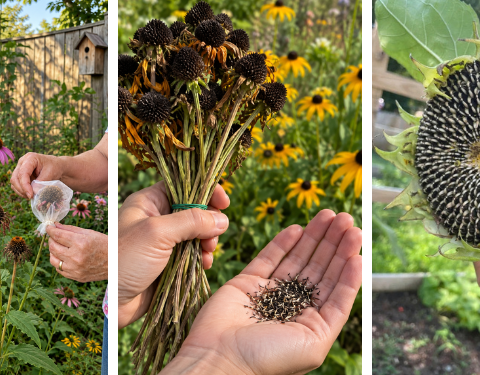
9. Black-Eyed Susan (Rudbeckia hirta)
Type: Perennial or biennial (often grown as an annual)
Zones: 3–9
Sun: Full sun
Black-eyed Susan is a tough, native wildflower that brightens the garden with its golden-yellow petals and dark brown centers.
It’s widely known for its ability to thrive in heat and drought once established. These sturdy plants bloom from mid-summer into fall and are beloved by pollinators.
They grow well in average, well-drained soil and require minimal upkeep.
Rudbeckia is great for mass plantings, native gardens, and naturalized areas. Leave the seed heads over winter to feed birds and add texture to dormant landscapes.
10. Sedum (Sedum spp. or Hylotelephium)
Type: Perennial
Zones: 3–9
Sun: Full sun
Sedums, often called stonecrops, are succulent perennials that store water in their fleshy leaves, making them perfect for dry, sunny spots.
There are ground-covering varieties as well as upright types like the popular ‘Autumn Joy’, which produces rosy-pink blooms in late summer that age to copper.
Sedums require almost no water once established and are virtually pest-free. They’re ideal for rock gardens, containers, green roofs, and borders.
Their blooms also attract bees and butterflies while providing interest in fall when many other flowers fade.
Choosing drought-tolerant perennials and annuals doesn’t mean compromising on beauty.
With thoughtful plant selection, you can create a colorful, vibrant garden that thrives with minimal water and maintenance.
From fragrant lavender and cheerful coneflowers to tough-as-nails sedum and zinnias, the plants featured in this guide are perfect for low-water landscapes, eco-friendly gardens, and hot, dry climates.
To help these plants thrive, always prepare well-draining soil, group drought-tolerant species together, and water deeply but infrequently to encourage strong root systems.
With the right approach, you can enjoy a flourishing garden that stays lush and full of life—even in the driest months of the year.