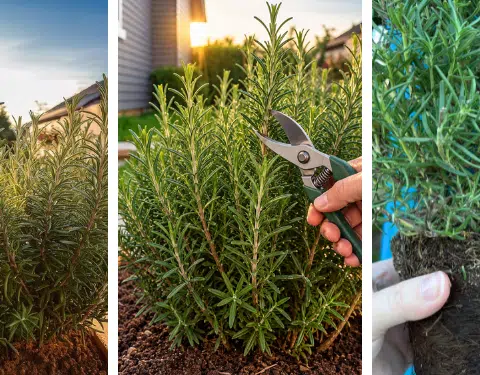
Rosemary (Rosmarinus officinalis) is a fragrant, spicy herb well-loved for its unique flavor and powerful healing properties.
Originating in the Mediterranean, this evergreen herb has been used for centuries in culinary and medicinal applications.
Rosemary is not only an essential kitchen herb but also a natural remedy known for its antioxidant, anti-inflammatory, and memory-boosting effects.
In this article, we’ll explore the healing properties of rosemary and provide a comprehensive guide on how to grow this versatile herb at home.
Healing Properties of Rosemary
Rosemary is more than just a culinary herb; it has an impressive list of health benefits backed by traditional wisdom and modern science.
Here are some of the remarkable healing properties that make rosemary a valuable addition to your herb garden:
1. Antioxidant and Anti-Inflammatory Benefits
Rosemary contains high levels of antioxidants, including rosmarinic acid, carnosic acid, and ursolic acid, which help protect the body from oxidative stress and inflammation.
These antioxidants can help support the immune system and combat chronic inflammation, reducing the risk of diseases related to oxidative stress, such as heart disease and cancer.
2. Improves Memory and Cognitive Function
Studies have shown that rosemary’s active compounds may boost memory, focus, and mental clarity. The herb is often used in aromatherapy, where its scent has been shown to improve cognitive function.
Carnosic acid in rosemary may protect the brain from neurodegenerative conditions like Alzheimer’s, making it a valuable herb for brain health.
3. Supports Digestive Health
Rosemary has been traditionally used to aid digestion. Its natural oils stimulate the production of bile, helping to break down fats and relieve digestive discomforts like bloating and indigestion.
Consuming rosemary tea or adding it to dishes can promote healthy digestion.
4. Antimicrobial Properties
Rosemary’s essential oils contain antimicrobial properties that help combat bacteria and fungi. It has been used for centuries to treat minor infections and improve skin health.
Rosemary oil is commonly used in natural skincare products to reduce acne, promote healing, and soothe skin irritations.
5. Promotes Hair Growth and Scalp Health
Rosemary oil is a popular ingredient in hair care products for its ability to stimulate hair growth and improve scalp health.
It increases circulation to the scalp, strengthens hair follicles, and helps prevent dandruff, making it a great natural remedy for hair and scalp care.
How to Grow Rosemary at Home
Growing rosemary at home is easy, whether you have a garden, patio, or sunny windowsill. This hardy herb is low-maintenance, drought-tolerant, and provides fresh leaves year-round with the right care.
Here’s a step-by-step guide to growing rosemary successfully:
1. Choose the Right Variety
There are several varieties of rosemary, and choosing the right one depends on your gardening space and intended use. Some popular types include:
- Arp: A cold-hardy variety that tolerates frost, making it ideal for cooler climates.
- Tuscan Blue: Known for its vibrant blue flowers and intense aroma, perfect for culinary uses.
- Prostratus: A creeping variety that grows horizontally, great for containers or ground cover.
Select a variety that suits your climate and gardening space for the best results.
2. Select the Right Container or Location
Rosemary thrives in warm, sunny spots with well-draining soil. If planting in a garden, choose a location with at least 6-8 hours of sunlight daily.
If growing rosemary in a container, ensure it’s at least 12 inches in diameter to allow the roots room to grow. Use a pot with drainage holes to prevent waterlogging, as rosemary doesn’t tolerate soggy soil.
3. Planting Rosemary
You can grow rosemary from seeds, cuttings, or small starter plants. Growing from seeds can take longer, so most gardeners prefer using cuttings or starter plants.
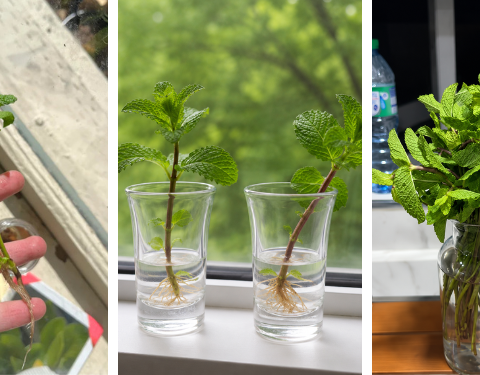
- From Cuttings: Take a 4-6 inch cutting from a healthy rosemary plant. Remove the leaves from the bottom half of the stem, dip it in rooting hormone (optional), and place it in a pot of well-draining soil or water until roots form.
- From Starter Plants: Plant directly into your garden or a container filled with sandy, well-draining soil.
If planting outdoors, space rosemary plants about 2-3 feet apart to allow good air circulation.
4. Watering Requirements
Rosemary is drought-tolerant and prefers dry to medium moisture levels. Allow the soil to dry out slightly between waterings, as overly wet soil can lead to root rot.
Water your rosemary plants at the base rather than on the leaves to reduce the risk of fungal diseases.
Tip: In humid climates, reduce watering frequency to avoid moisture buildup around the roots.
5. Soil and Fertilization
Rosemary thrives in well-draining, slightly acidic to neutral soil with a pH between 6.0 and 7.0. Adding sand or perlite to potting soil improves drainage, which rosemary needs.
It doesn’t require frequent fertilization; a light application of a balanced fertilizer once in early spring is sufficient. Over-fertilizing can lead to excessive foliage growth at the expense of flavor and aroma.
6. Pruning for Health and Shape
Regular pruning encourages healthy growth, prevents the plant from becoming woody, and keeps it compact. Trim back a few inches from the top branches, leaving a healthy base.
Avoid cutting into the woody stems, as they may not regrow. Pruning can be done year-round, but spring and early summer are ideal for shaping the plant.
7. Pest and Disease Management
Rosemary is generally resistant to pests, but it can occasionally attract aphids, spider mites, or powdery mildew.
To prevent pests, maintain good air circulation around the plant and avoid overhead watering. If pests appear, a mild soap and water spray usually does the trick.
Tip: Using rosemary as a companion plant can repel pests from nearby plants in your garden.
8. Winter Care
If you live in a region with cold winters, bring your rosemary indoors to protect it from frost. Place it in a sunny window, and reduce watering frequency to prevent root rot.
If left outside, cover the plant with frost cloth on colder nights or mulch around the base to insulate roots.
Harvesting and Storing Rosemary
Rosemary can be harvested anytime once the plant is mature, typically 8-12 weeks after planting. Use sharp scissors to snip off the top sprigs, leaving at least one-third of the plant to continue growing.
- Fresh Use: Use fresh rosemary sprigs in cooking for the best flavor.
- Drying Rosemary: Hang sprigs upside down in a cool, dry place to dry them naturally. Once dry, store them in an airtight container in a dark pantry.
- Freezing Rosemary: Freeze fresh sprigs on a baking sheet, then transfer to a freezer-safe bag for long-term storage.
Using Rosemary for Health Benefits
- Rosemary Tea: Brew fresh or dried rosemary leaves in hot water for a calming tea that supports digestion and cognitive health.
- Rosemary Oil: Infuse rosemary in olive oil for culinary uses or create an essential oil by distilling fresh rosemary, which can be applied to the scalp to promote hair growth or used in aromatherapy to boost memory and focus.
- Skin and Hair Care: Use rosemary-infused water as a natural facial toner or hair rinse to support skin and scalp health.
- Aromatherapy: Place fresh rosemary sprigs in a diffuser or inhale the scent directly to improve mood, concentration, and relaxation.
Growing rosemary at home allows you to enjoy fresh, flavorful herbs year-round while reaping the many health benefits of this powerful plant.