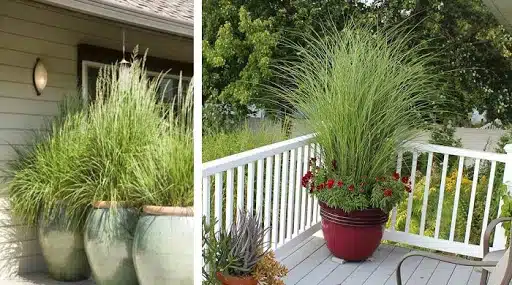
Lemongrass (Cymbopogon citratus) is an easy-to-grow plant that offers a trifecta of benefits: it repels mosquitoes, promotes relaxation, and alleviates headaches.
Whether you’re a gardening enthusiast or someone looking to enhance your home with functional greenery, growing lemongrass in pots is an excellent option.
This guide will walk you through everything you need to know about cultivating, caring for, and using lemongrass to enjoy its incredible health and wellness benefits.
Why Grow Lemongrass in Pots?
Growing lemongrass in pots is a practical and versatile way to cultivate this herb, especially if you have limited outdoor space or want to keep it near your seating areas. Here’s why it’s a great idea:
- Mosquito Repellent: The plant’s citrusy scent is known to repel mosquitoes and other insects naturally.
- Portable: Pots allow you to move lemongrass indoors during colder months or position it strategically outdoors.
- Multi-Purpose: Lemongrass serves as an herbal remedy, a natural flavoring for food and drinks, and an ornamental plant.
- Low Maintenance: Lemongrass thrives with minimal care, making it ideal for beginner gardeners.
How to Grow Lemongrass in Pots
1. Choose the Right Pot
- Use a pot at least 12 inches wide and deep to give the plant room to grow.
- Ensure the pot has drainage holes to prevent waterlogging.
2. Select High-Quality Lemongrass Stalks
- Purchase fresh lemongrass stalks with intact, firm bases. These are often available at grocery stores or garden centers.
- Look for stalks with a pale green color and a slightly bulbous base.
3. Prepare the Soil
- Lemongrass thrives in well-draining soil rich in organic matter.
- Use a potting mix with equal parts compost, sand, and garden soil.
4. Planting Lemongrass
- Soak the lemongrass stalks in water for 2–3 weeks until roots develop at the base.
- Once the roots are 1–2 inches long, plant the stalks 2–3 inches deep into the potting soil.
- Space multiple stalks at least 2 inches apart if planting more than one.
5. Provide Optimal Growing Conditions
- Sunlight: Place the pot in a location with 6–8 hours of direct sunlight daily.
- Watering: Keep the soil consistently moist but not soggy. Water deeply whenever the top inch of soil feels dry.
- Fertilizer: Feed the plant every 4–6 weeks with an all-purpose organic fertilizer to encourage healthy growth.
Caring for Lemongrass in Pots
1. Pruning
- Regularly trim back older leaves to encourage fresh growth.
- Harvest leaves and stalks frequently to keep the plant from becoming overgrown.
2. Pest Control
- While lemongrass repels many pests, it can occasionally attract aphids or spider mites. Use neem oil or a mild soapy water spray to manage infestations.
3. Overwintering
- Lemongrass is a tropical plant and doesn’t tolerate frost. Move pots indoors during winter and place them near a sunny window.
Uses and Benefits of Lemongrass
1. Natural Mosquito Repellent
Lemongrass contains citronella, a natural oil that repels mosquitoes effectively. Keeping potted lemongrass on your patio or balcony creates a pest-free zone.
How to Use It:
- Crush a few leaves to release the citronella scent and keep mosquitoes at bay.
- Place potted lemongrass around outdoor seating areas.
2. Promotes Relaxation
The fresh, citrusy aroma of lemongrass has calming properties, making it a natural stress reliever. It’s commonly used in aromatherapy to promote relaxation and improve mood.
How to Use It:
- Brew lemongrass tea by steeping fresh leaves in hot water.
- Add lemongrass leaves to a warm bath for a spa-like experience.
3. Eases Headaches
Lemongrass has anti-inflammatory and pain-relieving properties that can help soothe headaches and migraines.
How to Use It:
- Make a compress by soaking lemongrass leaves in hot water, then applying the warm leaves to your forehead.
- Inhale the steam from boiling lemongrass to relieve sinus-related headaches.
4. Culinary Delight
Lemongrass adds a bright, citrusy flavor to dishes and drinks, making it a staple in many cuisines.
How to Use It:
- Chop fresh stalks for use in soups, curries, or marinades.
- Infuse lemongrass in water for a refreshing beverage.
5. Supports Digestive Health
Drinking lemongrass tea can aid digestion, reduce bloating, and relieve stomach discomfort.
How to Use It:
- Steep a few leaves in hot water for a soothing tea that improves gut health.
6. Boosts Immunity
Lemongrass is rich in antioxidants and vitamin C, helping to strengthen the immune system and fight infections.
How to Use It:
- Incorporate lemongrass into your daily diet through tea or cooking.
Common Problems and How to Solve Them
1. Yellowing Leaves
- Cause: Overwatering or nutrient deficiency.
- Solution: Reduce watering and add organic fertilizer.
2. Slow Growth
- Cause: Insufficient sunlight or poor soil quality.
- Solution: Move the pot to a sunnier spot and enrich the soil with compost.
FAQs About Growing Lemongrass
1. Can lemongrass grow indoors?
Yes, as long as it gets plenty of sunlight. Place the pot near a bright window or use a grow light.
2. How often should I water lemongrass?
Water regularly to keep the soil moist but not soggy. Check the top inch of soil for dryness before watering.
3. Can I propagate lemongrass from cuttings?
Yes! Lemongrass can be propagated from store-bought stalks or divisions of mature plants.
Growing lemongrass in pots is an easy and rewarding gardening project that offers numerous benefits.
Not only does it repel mosquitoes naturally, but it also provides a calming aroma, helps ease headaches, and adds a flavorful touch to your meals.
With minimal effort, you can cultivate this versatile herb and enjoy its multiple uses right at home.