If you’re looking for a flowering shrub that adds show-stopping beauty to your garden with minimal maintenance, the Vanilla Strawberry Hydrangea (Hydrangea paniculata ‘Renhy’) is an excellent choice.
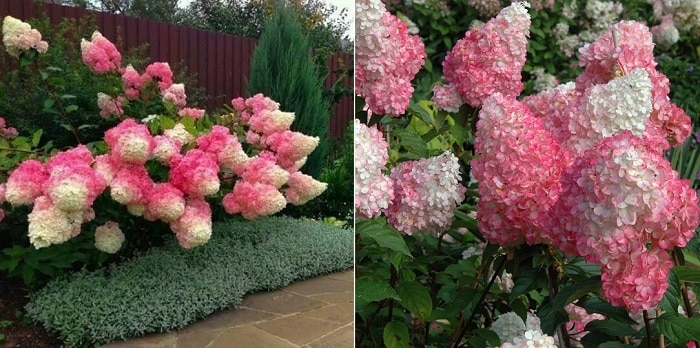
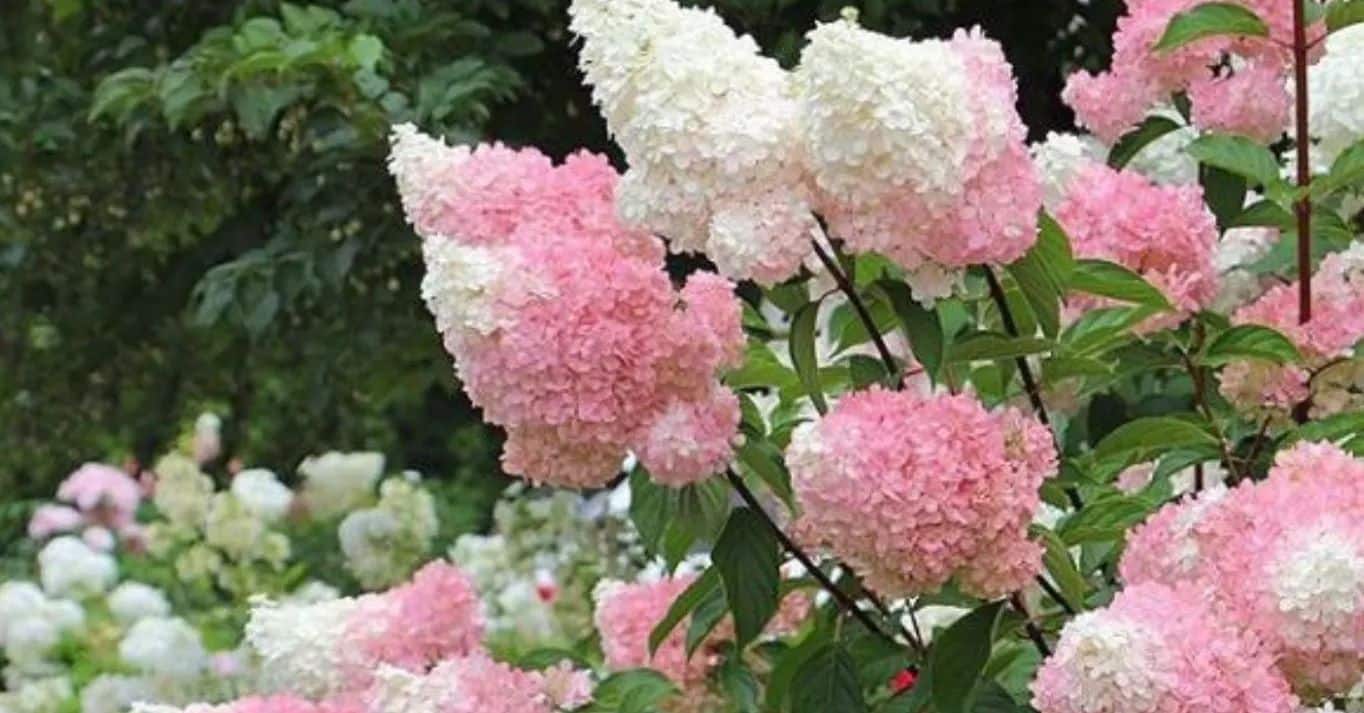
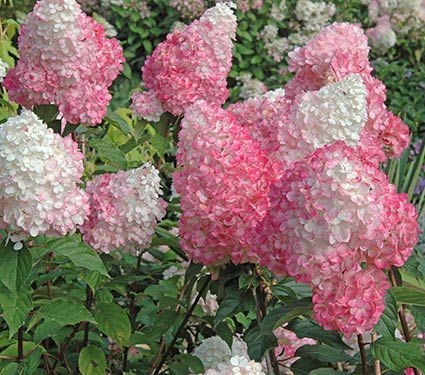
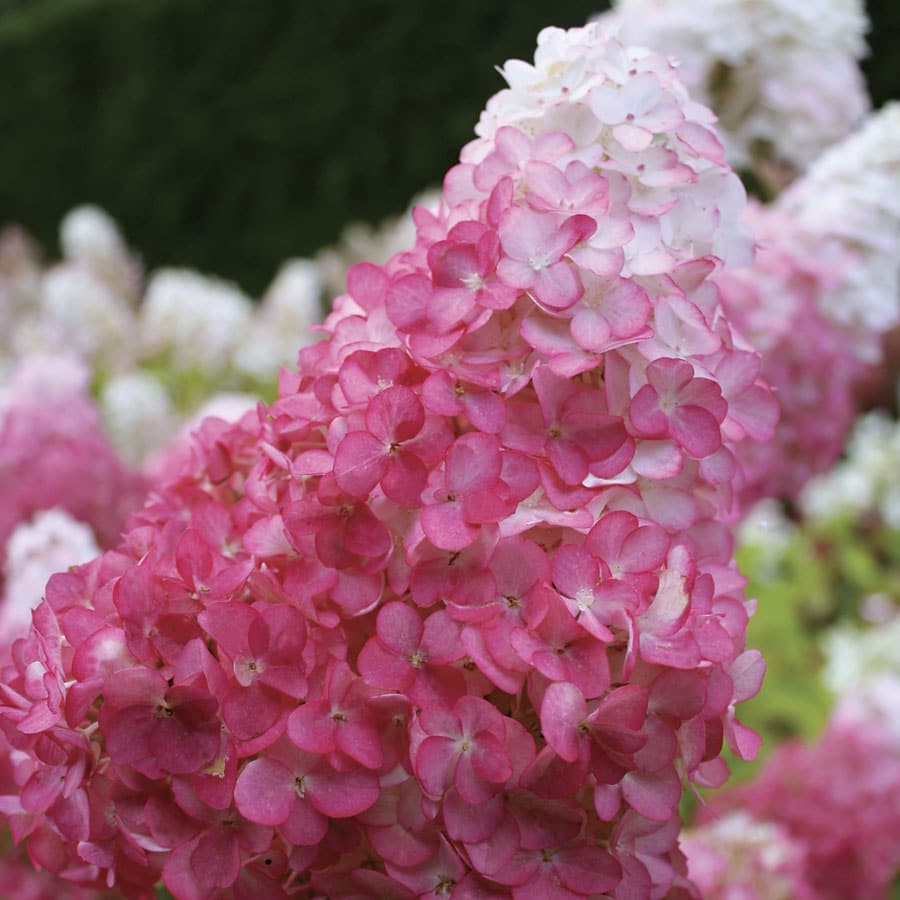
With its cone-shaped blossoms that start out creamy white and gradually turn soft pink, then deep rose-red, this hydrangea variety delivers months of color and visual interest.
Whether planted as a focal point, in a mixed border, or as part of a flowering hedge, the Vanilla Strawberry Hydrangea is admired for its bold transformation and long-lasting blooms.
In this guide, you’ll learn everything you need to know about planting, growing, and caring for Vanilla Strawberry Hydrangeas, plus why they’ve become a garden favorite across North America.
What Is a Vanilla Strawberry Hydrangea?
The Vanilla Strawberry Hydrangea is a cultivar of Hydrangea paniculata, a cold-hardy, sun-tolerant species native to parts of Asia and popular in temperate climates.
This particular variety, developed in France by Jean Renault, has gained attention for its large, upright flower clusters and unique, color-changing blossoms.
The flowers start out creamy white in midsummer, then gradually blush into light pink, and eventually transform into a deep strawberry-red as the season progresses.
These blooms sit atop strong, red-tinted stems, making a bold contrast against the deep green foliage.
Key Characteristics:
- Botanical Name: Hydrangea paniculata ‘Renhy’
- Common Name: Vanilla Strawberry Hydrangea
- Plant Type: Deciduous flowering shrub
- Bloom Time: Mid to late summer through fall
- Flower Color: White to pink to red
- Height: 6 to 8 feet
- Spread: 4 to 6 feet
- Sun Requirements: Full sun to partial shade
- USDA Hardiness Zones: 4 through 8
Why Choose Vanilla Strawberry Hydrangeas for Your Garden
Vanilla Strawberry Hydrangeas are not only beautiful but also offer a number of benefits that make them an excellent addition to any garden:
1. Long Blooming Period
The blooms emerge in midsummer and continue into late fall, providing months of colorful display when many other plants begin to fade.
2. Unique Color-Changing Flowers
Unlike other hydrangeas, this variety naturally changes color as it matures, creating a multi-toned look from a single plant.
3. Low Maintenance
Vanilla Strawberry Hydrangeas are easy to grow and require minimal care once established. They are also more sun-tolerant and cold-hardy than many other hydrangea types.
4. Pollinator Friendly
The large flower clusters attract butterflies and bees, making them a great choice for pollinator gardens.
5. Versatile Landscape Use
These hydrangeas can be used in a variety of ways, including as hedges, specimen plants, or in large containers.
How to Plant Vanilla Strawberry Hydrangeas
Getting your Vanilla Strawberry Hydrangea off to a good start begins with proper planting.
Site Selection
Choose a spot that receives at least 6 hours of sun per day. In warmer zones (7-8), partial afternoon shade can help prevent the flowers from fading too quickly.
Soil Requirements
These hydrangeas prefer well-draining, loamy soil enriched with organic matter. They tolerate a range of pH levels, but unlike mophead hydrangeas, the flower color is not affected by soil pH.
Planting Instructions
- Dig a hole twice as wide and just as deep as the root ball.
- Place the plant in the hole so that the top of the root ball is level with the ground.
- Backfill with soil and gently tamp it down.
- Water thoroughly after planting.
- Apply a layer of mulch to help retain soil moisture and suppress weeds.
Allow at least 4 to 6 feet between plants to give them room to mature and encourage good air circulation.
Ongoing Care and Maintenance
Watering
Keep the soil consistently moist, especially during the first growing season. Once established, Vanilla Strawberry Hydrangeas are moderately drought-tolerant but will perform best with regular watering during dry spells.
Fertilizing
Use a balanced, slow-release fertilizer in early spring as new growth appears. Avoid high-nitrogen fertilizers, which can promote leafy growth at the expense of blooms.
Pruning
Prune in late winter or early spring before new growth begins. Since Vanilla Strawberry Hydrangeas bloom on new wood, pruning will not interfere with flower production. Cut back last year’s stems to about one-third their length to encourage fuller growth and larger blooms.
Pests and Problems
These hydrangeas are generally pest- and disease-resistant but may occasionally suffer from aphids, powdery mildew, or leaf spot. Good air circulation and proper spacing can help prevent most issues.
Landscaping Ideas and Uses
Hedges and Borders
Plant several Vanilla Strawberry Hydrangeas in a row to form a low-maintenance flowering hedge.
Mixed Beds
Combine with ornamental grasses, coneflowers, roses, or salvia for a colorful mixed perennial bed.
Foundation Planting
Use as a backdrop against fences or the side of your house where its tall blooms can make a statement.
Containers
Younger plants or dwarf varieties can thrive in large planters on patios or balconies with proper care.
Cut Flowers
The long-lasting blooms make excellent cut flowers for fresh arrangements or can be dried for seasonal decor.
Common Questions About Vanilla Strawberry Hydrangeas
Do they change color based on soil pH?
No. Unlike bigleaf hydrangeas, the Vanilla Strawberry variety does not shift color based on the acidity or alkalinity of the soil. Their color transformation is a natural part of the bloom cycle.
Are they deer-resistant?
Hydrangeas are not considered deer-proof. If deer are a concern in your area, consider protective measures like fencing or deer repellents.
Can I grow them in containers?
Yes, but choose a large container and ensure excellent drainage. Regular watering and fertilizing will be more important for potted plants.
Do they need winter protection?
In USDA zones 4–8, Vanilla Strawberry Hydrangeas are hardy and generally do not require extra winter protection, though mulching at the base can help insulate the roots in colder climates.
The Vanilla Strawberry Hydrangea offers everything gardeners love in a flowering shrub: bold colors, long-lasting blooms, ease of care, and versatility in the landscape.
Its unique bloom progression from creamy white to soft pink and finally deep strawberry red ensures your garden stays vibrant from midsummer well into fall.
Whether you’re an experienced gardener or just starting out, this spectacular hydrangea will reward you year after year with its low-maintenance beauty and ever-changing color display.