Spring has sprung—and with it comes the promise of warmer days, fresh blooms, and festive décor.
As Easter approaches, there’s no better time to dive into a hands-on gardening project that brings both cheer and charm to your space.
Enter the bunny succulent, a rare and delightful plant that’s capturing the hearts of indoor gardeners everywhere.
Perfect for Easter tablescapes, desk decorations, or just adding a touch of whimsy to your windowsill, bunny succulents are more than just a seasonal trend—they’re an adorable, long-lasting plant that’s easy to grow and endlessly rewarding.
What Are Bunny Succulents?
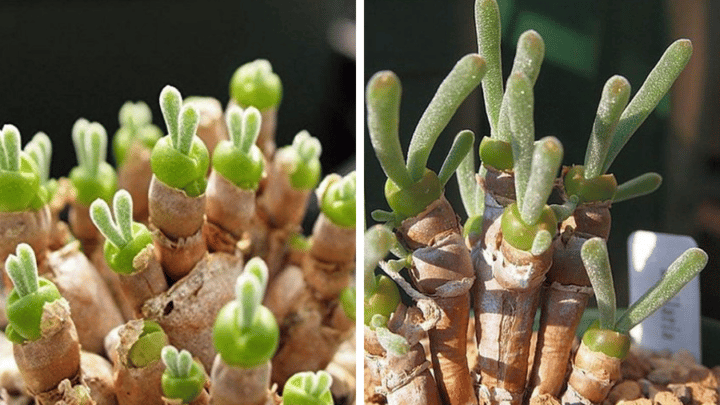
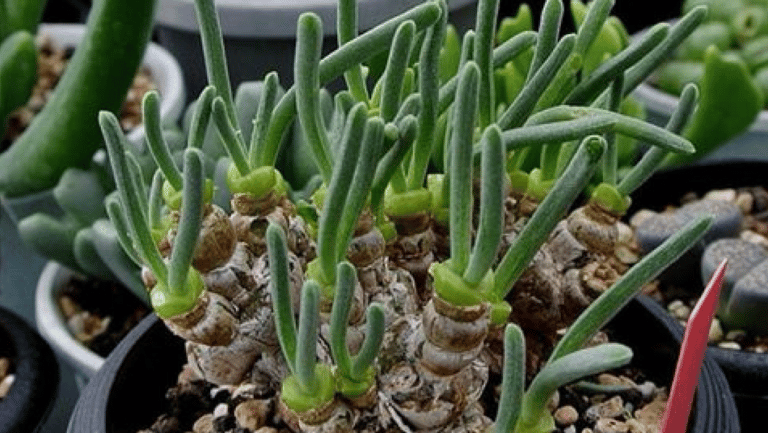
Often mistaken for the well-known String of Pearls (Senecio rowleyanus), Monilaria moniliformis—commonly known as the bunny succulent—is a rare succulent species native to South Africa.
These tiny plants have a unique growth habit that, in their early stages, makes them look like mini bunny ears sprouting from the soil.
- Scientific Name: Monilaria moniliformis
- Nickname: Bunny Succulent, Bunny Ear Succulent
- Growth Habit: Beaded stems that sprout “ears” in early spring
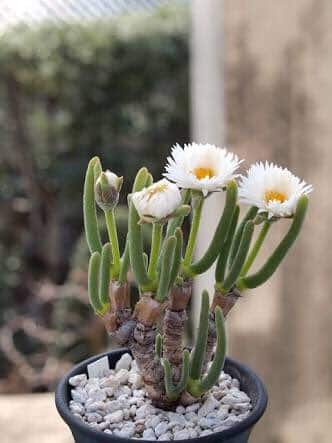
- Flowering: White daisy-like blooms with yellow centers
As they mature, the fleshy green “ears” begin to elongate and arch, resembling floppy rabbit ears straight out of a cartoon.
Eventually, they bloom with small, daisy-like flowers—adding even more charm to their already captivating appearance.

Why Bunny Succulents Are the Perfect Easter Plant
Adorable and Thematic
With their rabbit-like appearance, these succulents fit perfectly into Easter and spring-themed décor.
Perfect for Indoors
They’re small and container-friendly, making them ideal for table centerpieces, windowsills, or even your office desk.
Low Maintenance
Despite their exotic look and rarity, bunny succulents are incredibly easy to care for, especially for beginners.
Affordable and Fun DIY Project
Seeds are readily available online, including on Amazon, and growing them from seed adds a fun and rewarding element to your indoor gardening hobby.
Where to Buy Bunny Succulent Seeds
Although Monilaria moniliformis is considered a rare succulent, seeds can be found on major platforms like:
- Amazon
- Etsy
- Specialty succulent stores
- Online plant nurseries
Make sure to purchase from a reputable seller to ensure germination success and authenticity.
How to Grow Bunny Succulents from Seed (Step-by-Step Guide)
Growing bunny succulents from seed is easy with a bit of care and patience. Here’s how to do it:
What You’ll Need:
- Bunny succulent seeds
- Shallow tray or small pots
- Loam-based cactus or succulent compost
- Perlite or horticultural grit (for drainage)
- Clear plastic dome or humidity cover
- Spray bottle
- Sunny windowsill or grow light
Steps:
-
Prepare the Soil: Mix equal parts of loam-based compost and perlite or grit for a well-draining soil base. Fill your tray or pots.
-
Sow the Seeds: Gently sprinkle the seeds over the surface of the soil. Do not bury them—succulent seeds need light to germinate.
-
Water Lightly: Mist the surface with water using a spray bottle. Avoid soaking the soil.
-
Cover and Place: Use a clear plastic cover or dome to maintain humidity, and place the tray on a bright, sunny windowsill. Avoid direct scorching sun.
-
Wait for Germination: Seeds typically germinate within 1–2 weeks. Once tiny green sprouts resembling bunny ears appear, remove the cover.
-
Continue Watering Lightly: Water gently every few days when the soil feels dry to the touch. Overwatering can lead to rot.
-
Let Them Grow: As the plants mature, the “ears” will get longer, eventually bending under their own weight and producing charming white flowers.
How to Care for Bunny Succulents
Once your bunny succulents are established, they’re incredibly easy to maintain.
Light:
- Needs bright indirect sunlight or filtered light
- Avoid intense afternoon sun that could scorch the delicate leaves
Watering:
- Water lightly but consistently during the active growing season (spring)
- Reduce watering in summer and fall as the plant enters dormancy
- Never allow the soil to stay soggy
Soil:
- Use a free-draining soil mix—a blend of loam, perlite, and coarse sand or cactus mix works well
Ventilation:
- These plants appreciate good air circulation
- Avoid placing them in closed, humid environments
Temperature:
- Prefers mild spring temperatures (around 60–75°F / 15–24°C)
- Protect from frost and avoid extreme heat
When and How Do Bunny Succulents Flower?
As the “ears” grow and mature, they may start to bend and elongate. Around this time—usually late spring—you may notice delicate white blooms with yellow centers emerging from the tops.
These blooms resemble small daisies and are a delightful surprise, adding an extra pop of charm to this already lovable plant.
Fun Ways to Display Bunny Succulents
- Easter Table Centerpiece: Plant several in a long tray with moss, faux eggs, and pastel accents.
- Kitchen Window Display: Let them catch morning light and brighten your morning routine.
- Office Desk Decoration: Bring spring energy to your workspace with this low-maintenance plant.
- DIY Easter Gift: Grow several in small pots and gift them as unique and memorable Easter presents.
If you’re looking for a unique, fun, and easy Easter DIY project, look no further than the charming bunny succulent.
Whether you grow them from seed or purchase young plants, these succulents are sure to bring joy and fascination with their unusual appearance and spring-ready blooms.
They’re a great conversation starter, a perfect seasonal accent, and a low-maintenance way to add greenery to your home.
So this spring, give your gardening skills a cute twist—grow a few bunny succulents and hop into the season with style!