When planning a productive and thriving vegetable garden, flowers might not be the first thing that comes to mind. But integrating companion flowers like marigolds into your veggie beds can offer a wide range of benefits—many of which go far beyond aesthetics.
These bright, cheerful blooms are more than just ornamental—they’re a powerhouse plant for garden health, pest control, and soil improvement.
In this article, we’ll explore 10 essential reasons why every gardener should consider growing marigolds in the vegetable garden.
Whether you’re a seasoned grower or just starting your gardening journey, marigolds are a low-maintenance, high-benefit addition to your beds.
1. Natural Pest Control
One of the most well-known benefits of marigolds is their ability to deter common garden pests.
The strong scent of marigold flowers, particularly the French marigold (Tagetes patula), is known to repel nematodes, whiteflies, aphids, cabbage moths, and tomato hornworms.
Certain compounds in marigold roots and foliage, like thiophenes, are toxic to soil-dwelling pests, making them a natural solution for integrated pest management (IPM).
Best Tip: Plant marigolds along borders or between rows of vulnerable crops like tomatoes, peppers, and brassicas (cabbage, kale, broccoli).
2. Attracts Beneficial Insects
While marigolds repel harmful insects, they also attract beneficial ones.
Pollinators like bees and butterflies are drawn to the bright colors and nectar, while predatory insects like ladybugs and hoverflies—which feed on aphids and other pests—often use marigolds as a landing zone.
This creates a more balanced garden ecosystem and reduces the need for chemical pesticides.
Pro Tip: Mix marigolds with herbs like dill or cilantro for a pollinator buffet that brings in both bees and natural predators.
3. Improves Soil Health
Marigolds can also improve soil health by suppressing root-knot nematodes, which attack the roots of many common vegetables, including carrots, potatoes, and tomatoes.
Studies have shown that planting marigolds in infested areas for one season can significantly reduce nematode populations. Their roots emit compounds that inhibit the development of nematode larvae in the soil.
Best Variety: French marigolds are especially effective at controlling nematodes.
4. Companion Planting Powerhouse
Marigolds are among the most versatile companion plants in organic gardening. Their pest-repelling abilities, combined with their ability to attract pollinators, make them excellent neighbors for a wide range of crops.
Marigolds pair particularly well with:
- Tomatoes
- Peppers
- Cucumbers
- Beans
- Broccoli
- Squash
They also help reduce competition from weeds, especially when used as border plants.
5. Easy to Grow and Maintain
One of the most practical reasons to grow marigolds is that they are incredibly easy to grow. They thrive in poor soil, resist drought once established, and bloom continuously throughout the season with minimal care.
They can be started from seed indoors or directly sown after the last frost. Marigolds also tolerate full sun and can withstand hot summer temperatures better than many vegetables.
Garden Hack: Deadhead spent blooms regularly to encourage more flowers and extend the bloom season.
6. Suppress Weeds with Dense Growth
Marigolds grow in bushy, compact clumps, making them ideal for ground cover and weed suppression.
Their dense foliage helps shade the soil, preventing weed seeds from germinating and conserving moisture at the same time.
Tip: Plant marigolds between rows or around the perimeter of your garden to create a natural barrier against encroaching weeds.
7. Aesthetic Appeal and Garden Color
In addition to their functional benefits, marigolds provide a burst of vibrant color in the vegetable garden. Their orange, red, and yellow hues make the garden feel alive and welcoming.
Colorful gardens are not only more enjoyable to spend time in, but they also increase biodiversity by drawing in a wider variety of pollinators and helpful insects.
Visual Tip: Use marigolds to break up the green monotony of leafy crops or to brighten the corners of raised beds.
8. Edible and Medicinal Uses
While not often thought of as edible, marigold petals are actually safe to eat—especially varieties like calendula (Calendula officinalis), often called “pot marigold.”
The petals can be sprinkled into salads, used to decorate cakes, or steeped in teas.
In traditional herbal medicine, marigolds have been used for:
- Anti-inflammatory skin treatments
- Wound healing
- Digestive support
Note: Tagetes varieties (French and African marigolds) are more bitter and primarily used ornamentally or for pest control, while calendula has more culinary applications.
9. Excellent for Raised Beds and Containers
Marigolds are highly adaptable and perform just as well in containers and raised beds as they do in the ground.
This makes them a great option for small-space or urban gardeners who want to protect their veggies in limited space.
Plant them along the edges of raised beds to maximize space and protect crops from pests.
Bonus Benefit: Their compact size makes them suitable for balconies and patios, too.
10. Seed Saving and Self-Sowing Potential
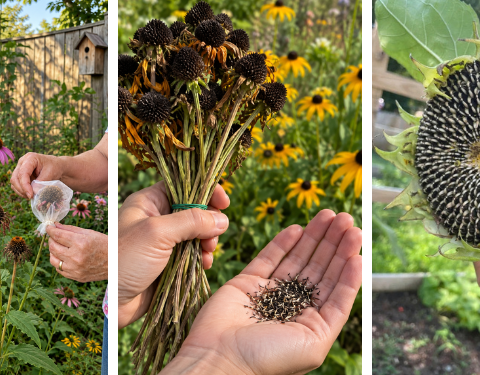
Marigolds are annuals, but they’re easy to grow from seed—and even easier to collect seed from at the end of the season.
One plant can produce dozens of seeds, making them a cost-effective addition to the garden year after year.
Some marigold varieties even self-sow, meaning they drop seeds naturally and reappear next spring without extra effort from you.
How to Save Seeds:
-
Let some flower heads dry on the plant.
-
Harvest the brown, crispy heads and break them open to collect the seeds inside.
-
Store seeds in a cool, dry place until the next planting season.
Adding marigolds to your vegetable garden isn’t just a visual treat—it’s a smart, sustainable gardening practice that brings a host of benefits.
From natural pest control and soil health improvement to attracting pollinators and suppressing weeds, marigolds earn their place in every garden bed.
Plus, they’re easy to grow, adaptable to most climates, and affordable for any budget.
Whether you’re growing a few tomato plants on a balcony or managing a large backyard plot, marigolds are a low-maintenance, high-reward companion plant that will boost the health and productivity of your garden.