Most people see weeds as unwanted invaders in their lawns or gardens. But what if we told you that many of those so-called “weeds” are actually edible plants packed with more vitamins, minerals, antioxidants, and protein than most vegetables found at the grocery store? Even better—they’re completely free.
Here are seven of the most nutritionally dense wild plants commonly found in American backyards. Learn how to identify them, use them in the kitchen, and benefit from their powerful medicinal properties.
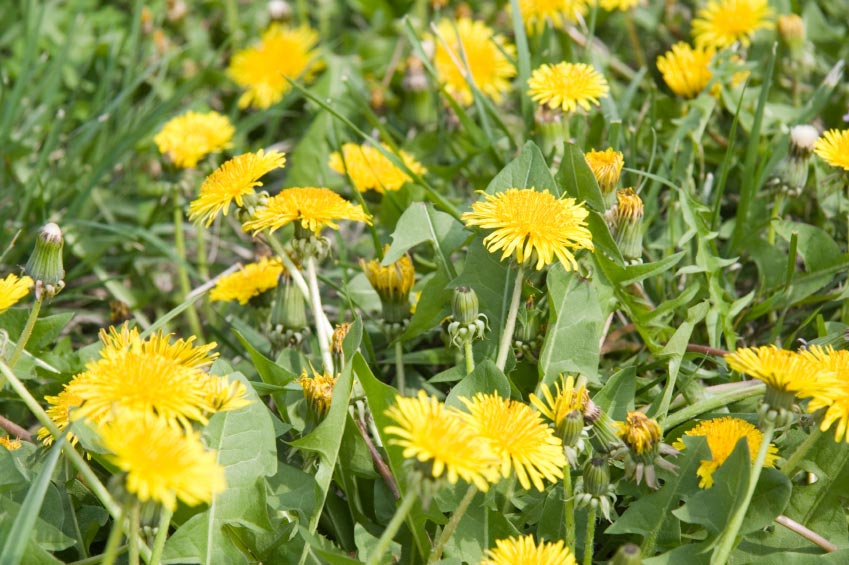
1. Dandelion (Taraxacum officinale)
Nutrition:
Dandelion is a powerhouse plant rich in vitamins A, B, C, and D, as well as iron, potassium, calcium, and zinc. It contains more beta-carotene than carrots, making it excellent for eye health.
Culinary Uses:
Every part of the plant is edible:
- Leaves: Use in salads, sandwiches, and stir-fries.
- Roots: Roast and grind as a coffee alternative, or steep into a herbal tea.
- Flowers: Add to salads or use in homemade wine and syrup.
Medicinal Benefits:
Traditionally used to support liver and kidney health, dandelion also acts as a diuretic and digestive aid. It has anti-inflammatory properties and can help stimulate appetite.
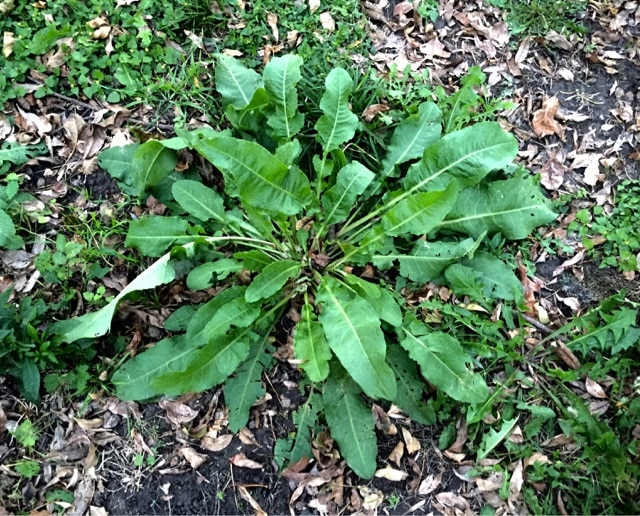
2. Curly Dock (Rumex crispus)
Nutrition:
Curly dock leaves are high in vitamins A, B, and C, and the seeds are rich in calcium, magnesium, and iron.
Culinary Uses:
- Leaves: Best harvested when young to avoid bitterness. Can be steamed or eaten raw.
- Stems: Peel and enjoy raw or lightly cooked.
- Seeds: Roast and grind into a coffee-like drink or flour alternative.
Medicinal Benefits:
Known to support digestion and detoxification, curly dock has traditionally been used for treating skin conditions and anemia.
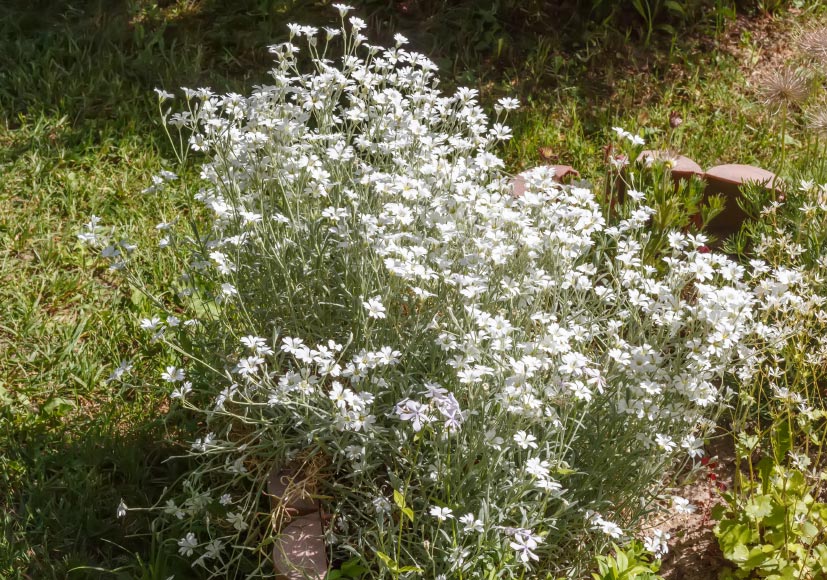
3. Chickweed (Stellaria media)
Nutrition:
Chickweed is loaded with vitamins A, C, and D, along with calcium, iron, potassium, phosphorus, and zinc. It’s also a good source of dietary fiber.
Culinary Uses:
- Use fresh in salads, smoothies, and sandwiches.
- Blend into soups and stews as a mild spinach substitute.
Medicinal Benefits:
Applied topically, chickweed helps relieve eczema, minor burns, and rashes. It also has diuretic and anti-inflammatory properties and is sometimes used to treat cystitis and digestive issues.
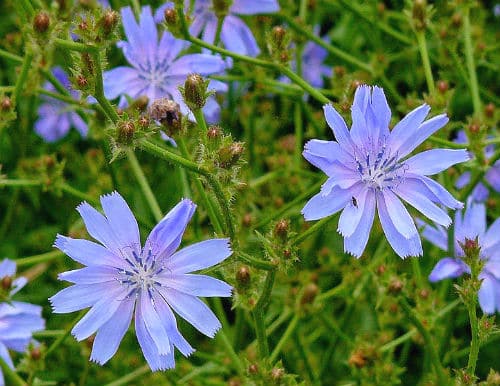
4. Chicory (Cichorium intybus)
Nutrition:
Chicory contains vitamin K, manganese, vitamin B6, and inulin, a prebiotic fiber that promotes gut health.
Culinary Uses:
- Leaves: Slightly bitter and great in mixed salads, especially when blanched.
- Roots: Roast and use as a coffee substitute (commonly found in New Orleans-style coffee).
Medicinal Benefits:
Used as a liver tonic, chicory may also help with digestion, constipation, and appetite loss. It’s thought to have anti-parasitic effects as well.
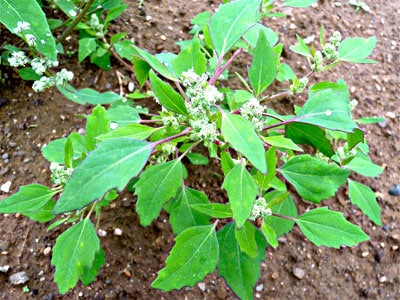
5. Lambsquarters (Chenopodium album)
Nutrition:
A relative of quinoa, lambsquarters is high in protein, calcium, phosphorus, potassium, and vitamin A. Its seeds are edible and protein-rich.
Culinary Uses:
- Leaves and shoots: Cook like spinach or eat raw in salads.
- Seeds: Toast and grind into flour or porridge. Harvesting is labor-intensive but rewarding.
Medicinal Benefits:
Often used as a digestive aid, tea made from the leaves may help treat stomach aches and indigestion.
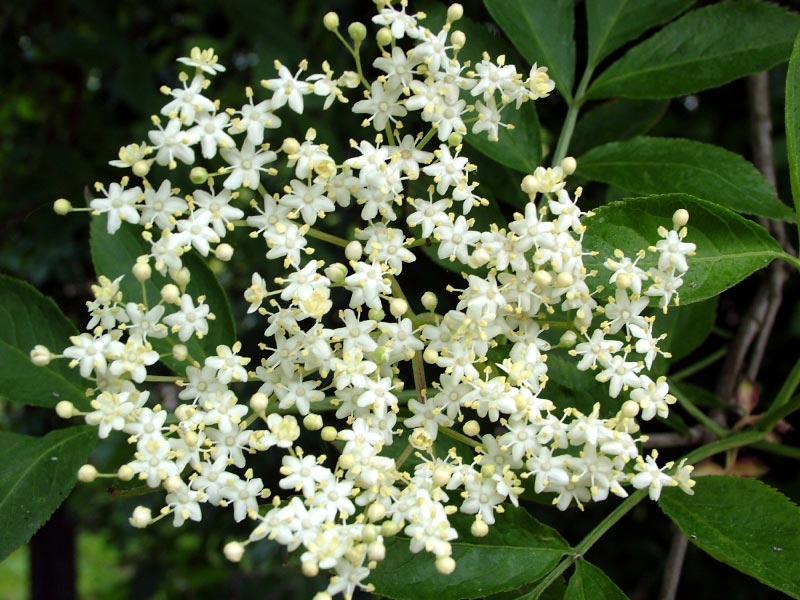
6. Elderflowers and Elderberries (Sambucus nigra)
Nutrition:
Elderflowers and berries are rich in vitamin C, flavonoids, and antioxidants. The berries contain immune-boosting compounds.
Culinary Uses:
- Flowers: Make into cordials, teas, sodas, and wines.
- Unripe berries: Can be pickled into caper substitutes.
- Ripe berries: Cook into syrups, jams, and vinegar infusions.
Medicinal Benefits:
Elder has been used for centuries to treat colds, flu, bronchitis, and fevers. Scientific studies show elderberry extract may reduce the duration and severity of influenza symptoms.
Note: Never consume raw elderberries, as they can be toxic if not properly cooked.
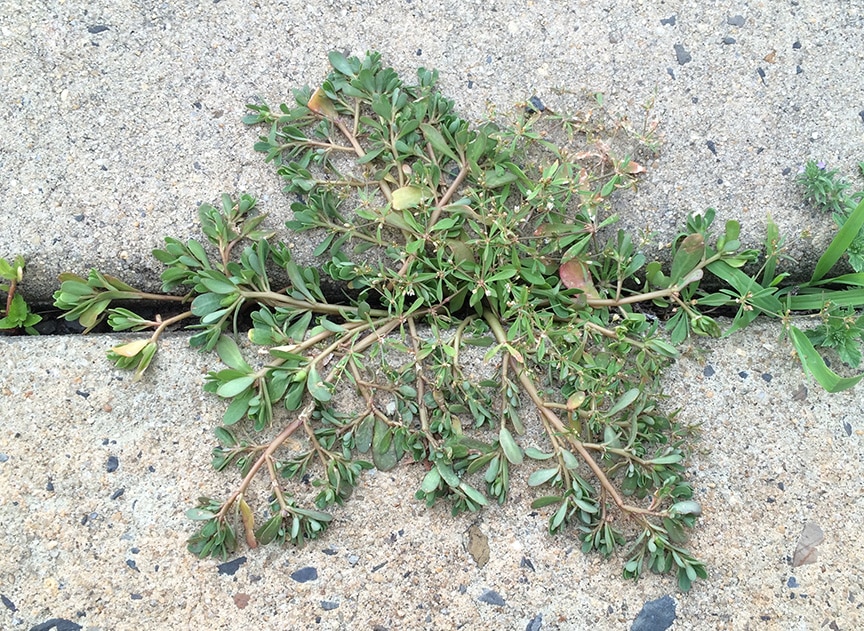
7. Purslane (Portulaca oleracea)
Nutrition:
Purslane is surprisingly rich in omega-3 fatty acids, along with vitamins A, C, and E, magnesium, and potassium.
Culinary Uses:
- Eat raw in salads and wraps for a citrusy, crunchy bite.
- Cook like spinach or add to soups, stews, and stir-fries.
Medicinal Benefits:
Traditionally used to soothe digestive issues, inflammation, and even urinary tract infections. It has a cooling effect and is a natural antihistamine.
Before pulling up everything in your garden that isn’t grass, take a second look. These seven common “weeds” could become your next favorite superfoods.
They’re nutritious, abundant, and entirely free. With proper identification and preparation, you can turn your backyard into a wild food pantry brimming with flavor and health benefits.