When most people look at weeds in their garden, their first instinct is to pull them out, mow them down, or spray them with herbicide.
But what if those so-called “weeds” were actually nutrient-dense superfoods and time-tested herbal medicines?
The truth is, many of the most common wild plants growing in your yard are packed with vitamins, minerals, and healing properties.
These wild edibles have been used for centuries in folk medicine, and modern science is starting to recognize their value too.
So before you reach for the weed killer, take a closer look—you might just discover a natural pharmacy growing right outside your door.
Here are 10 garden “weeds” that are anything but useless, and why you should learn how to identify and use them.
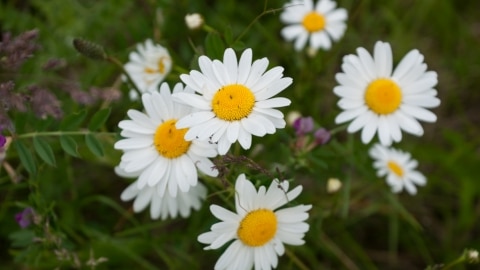
1. Daisies (Bellis perennis)
Daisies aren’t just charming lawn ornaments. These little flowers are edible and medicinal.
-
Nutritional uses: The petals and greens can be eaten raw or cooked (though some find them slightly bitter). Add them to salads, soups, or herbal teas.
-
Medicinal benefits: Daisies have anti-inflammatory and astringent properties. Traditional remedies use daisy tea for coughs, colds, digestive upsets, and even wound healing when applied topically.
Plus, they’re fun for children—daisy chains have been part of playful traditions for centuries.
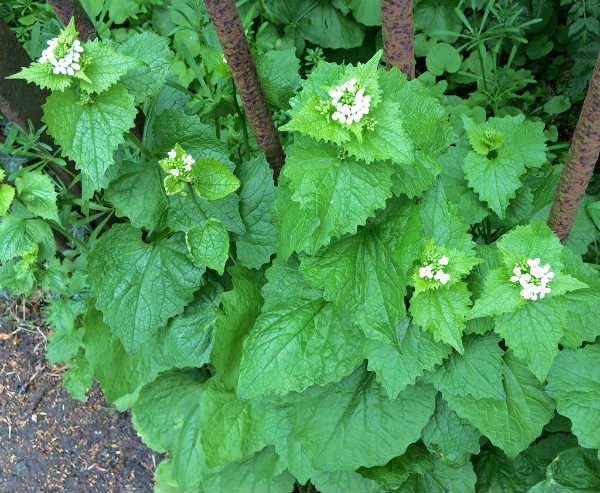
2. Garlic Mustard (Alliaria petiolata)
Although invasive in North America, garlic mustard is a nutritional powerhouse.
-
Rich in: Vitamin A, vitamin C, fiber, and essential minerals.
-
Medicinal uses: Historically used as a diuretic, garlic mustard supports weight loss, heart health, and immune strength.
-
Culinary tip: Its garlicky flavor enhances mashed potatoes, pestos, soups, and leafy green blends. Use it as a bold alternative to spinach or arugula.
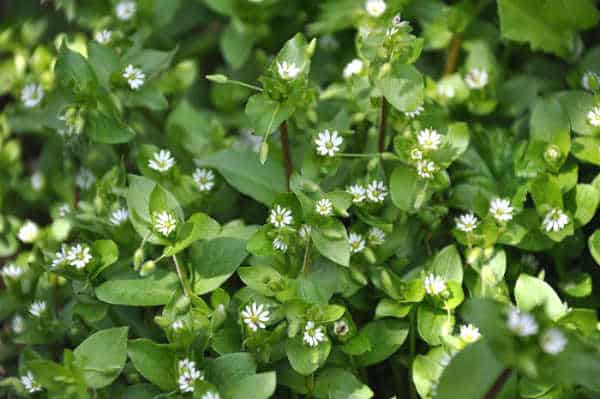
3. Chickweed (Stellaria media)
Chickweed is one of the most nutrient-dense wild greens you can forage.
-
Loaded with: Vitamins A, C, and D, calcium, potassium, iron, phosphorus, and zinc.
-
Flavor: Mild, similar to spinach, making it great for salads, sandwiches, or green smoothies.
-
Healing properties: Used externally to treat eczema, rashes, minor burns, and cuts. Internally, it can ease bladder irritation, support weight loss, and relieve inflammation.
4. Dandelion (Taraxacum officinale)
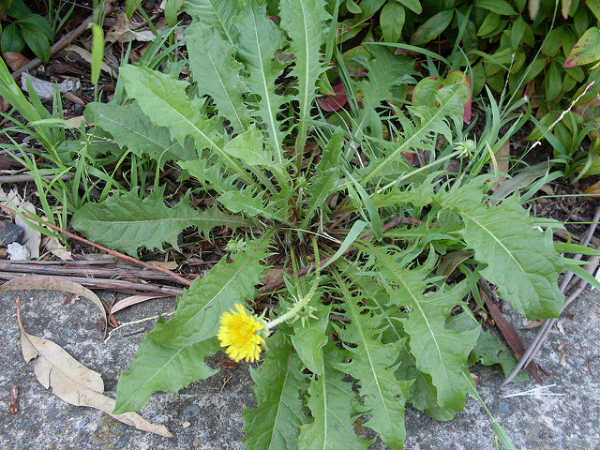
The “king of weeds,” dandelion is one of the most well-known and widely used medicinal plants.
-
Nutritional facts: Rich in vitamins A, B, C, D, potassium, magnesium, and iron.
-
Culinary uses: All parts are edible. Use the leaves in stir-fries, the flowers in salads, and the roots for detox teas or as a coffee substitute.
-
Health benefits: Dandelion supports liver function, digestion, gallbladder health, and acts as a natural diuretic. It also helps balance blood sugar and cholesterol.
5. Lamb’s Quarters (Chenopodium album)
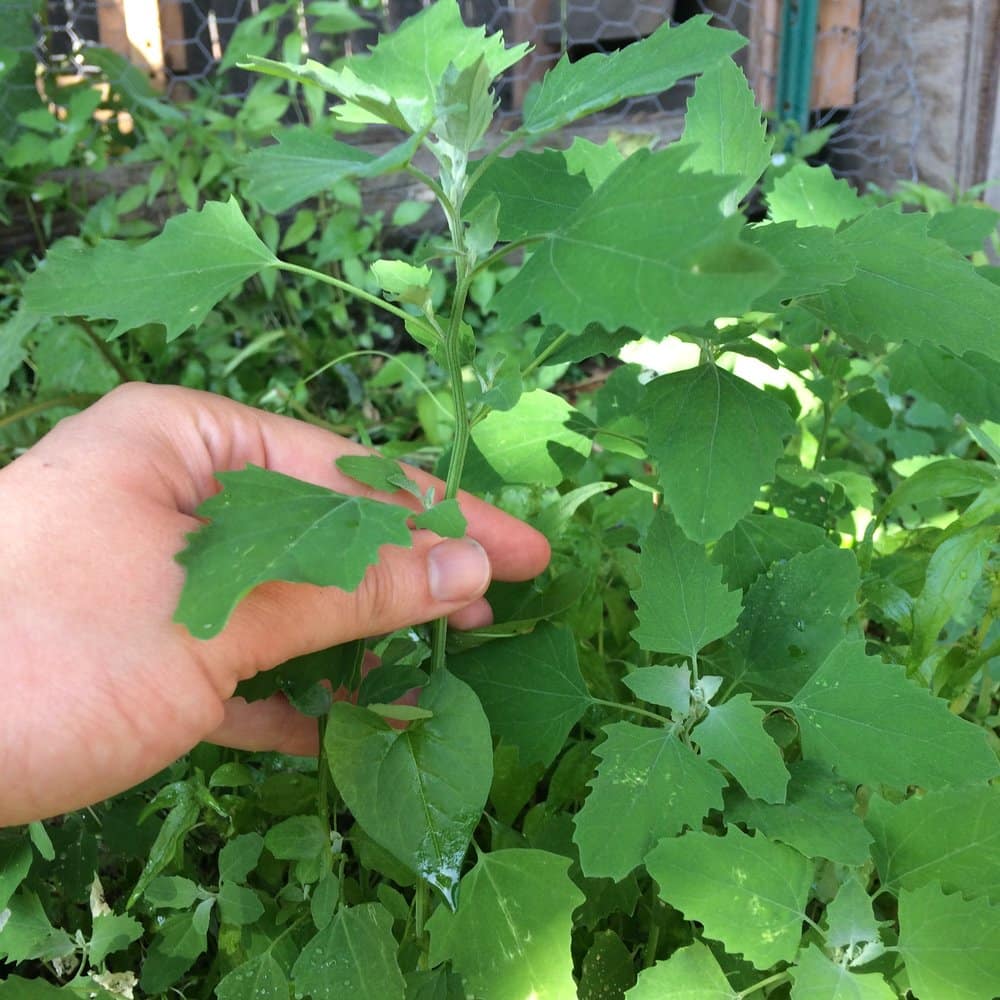
Lamb’s quarters is often called “wild spinach” for good reason—it’s just as nutritious, if not more.
-
Contains: Calcium, phosphorus, potassium, vitamin A, and protein-rich seeds (related to quinoa).
-
How to eat: Sauté the young leaves or use them in soups, stews, and quiches.
-
Traditional uses: Tea made from the leaves has been used to soothe digestive complaints and improve nutrient absorption.
6. Elderflowers (Sambucus nigra)
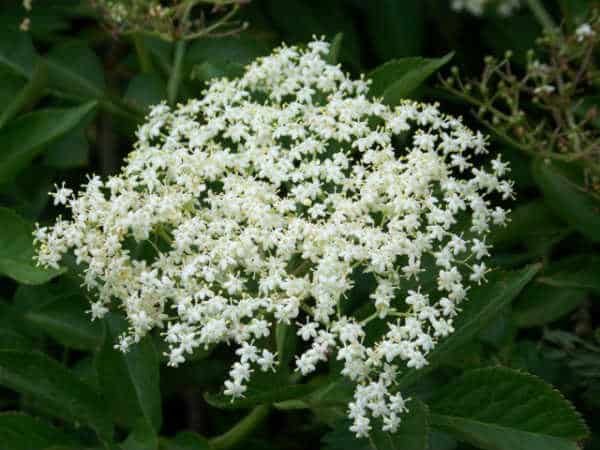
The elder tree offers both culinary delights and strong herbal medicine.
-
In the kitchen: Elderflowers make a refreshing cordial, tea, soda, or homemade champagne. Pair with apple or pear for a sweet blend.
-
Healing properties: Elderflowers and berries have been shown to help relieve flu symptoms, support immune health, and act as natural antivirals. Elderflower tea helps reduce fever and congestion.
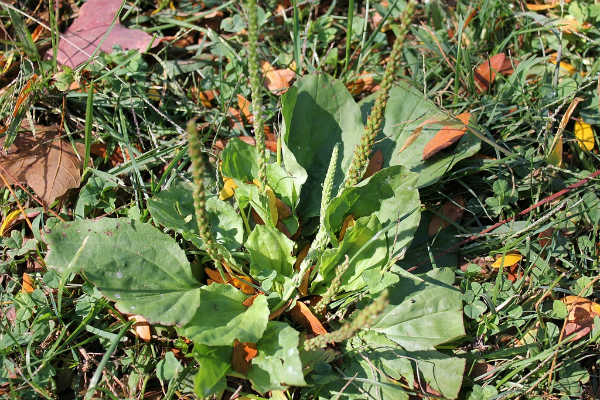
7. Plantain (Plantago major & Plantago lanceolata)
Not to be confused with the banana-like fruit, plantain grows abundantly and is one of the best natural first aid plants.
-
Topical uses: Treats burns, stings, bites, and cuts. Acts as a drawing agent to pull out splinters and toxins.
-
Nutritional benefits: High in vitamin A, riboflavin, and vitamin B1. Young leaves are edible raw or cooked.
-
Medicinal value: Supports respiratory health, sore throats, and inflammation when consumed as a tea or tincture.
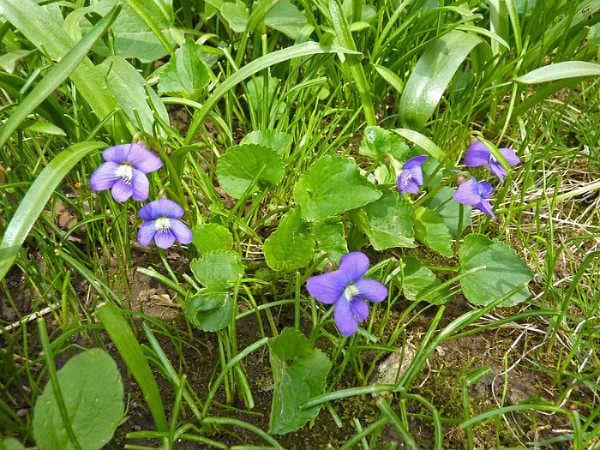
8. Wild Violets (Viola spp.)
These heart-shaped leaves and purple blossoms are both beautiful and beneficial.
-
Edible parts: Flowers and leaves can be eaten raw or cooked. Flowers make a beautiful salad topping or vinegar infusion.
-
Medicinal use: Wild violet tea is mildly laxative, and helps with detox and lymphatic drainage. Also used to soothe skin irritations and dry coughs.
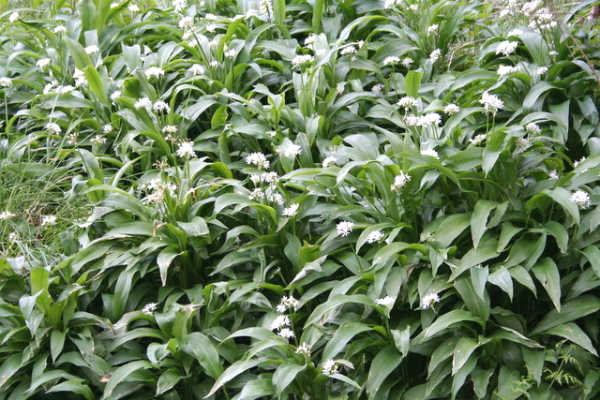
9. Wild Garlic (Allium ursinum)
One of the tastiest wild edibles, wild garlic is a forager’s favorite in spring.
-
Appearance: Broad leaves, delicate white flowers, and a distinct garlicky smell.
-
Health perks: Powerful antibacterial, antifungal, and heart-protective properties. Shown to reduce blood pressure and cholesterol more effectively than cultivated garlic.
-
Kitchen ideas: Perfect in pesto, dips, salads, or egg dishes. Use the leaves like chives or green onions.
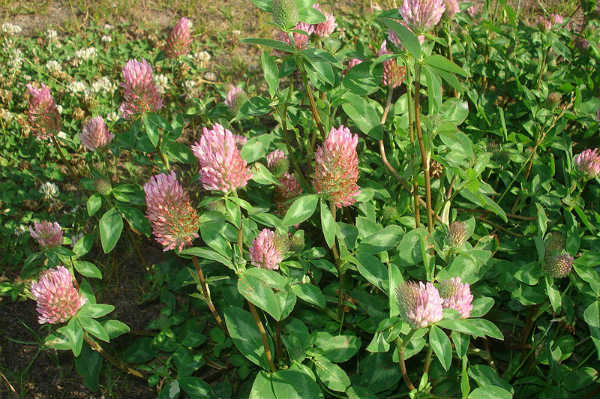
10. Red Clover (Trifolium pratense)
Often seen carpeting fields and meadows, red clover is more than a bee favorite—it’s a nutritional and medicinal ally.
-
Nutrients: High in calcium, magnesium, potassium, niacin, and vitamin C.
-
Traditional use: Used in herbal medicine to support menopausal symptoms, respiratory health, and detoxification.
-
Warning: Due to its phytoestrogen content, red clover should be consumed in moderation, especially by those with hormone-sensitive conditions.
-
Culinary uses: Add young leaves or flower heads to salads, soups, or sautéed dishes.
The next time you’re tempted to rip out that plant taking over your lawn, pause and take a closer look.
With a little knowledge, you might discover it’s a nutrient-rich superfood or a natural remedy.
From dandelions and plantain to wild violets and garlic mustard, your backyard could be a free, sustainable source of food and healing herbs. Embrace the weeds, and you’ll find they have far more to offer than meets the eye.