If you love the idea of having houseplants without the mess and hassle of soil, then growing plants in water is the perfect solution.
Water-growing houseplants require minimal care, reduce the chance of pests, and add a touch of elegance to any indoor space.
This low-maintenance gardening technique is easy to start, and many plants thrive with just water and sunlight.
In this article, we’ll explore the benefits of growing plants in water, how to do it properly, and highlight 9 houseplants that grow well in water.
Why Grow Plants in Water?
Growing plants in water offers several benefits:
- Mess-Free: No soil means no dirt to clean up.
- Low Maintenance: Water-grown plants need less attention, with only occasional water changes required.
- Fewer Pests: Without soil, you avoid common houseplant pests such as fungus gnats.
- Elegant Display: Plants growing in glass jars or vases become beautiful decor pieces, showing off both the leaves and the root system.
- Easy Propagation: Water-grown plants are ideal for propagating cuttings, letting you grow new plants effortlessly.
How to Grow Plants in Water: Step-by-Step Guide
- Select Healthy Cuttings: Choose fresh, healthy cuttings from a mature plant. Cuttings should be about 4-6 inches long, with the leaves removed from the lower part of the stem.
- Choose a Container: Use a glass jar, vase, or bottle. Transparent containers let you monitor root growth, but any non-toxic container will work.
- Fill with Water: Use filtered or distilled water to avoid chlorine and fluoride, which may harm the roots. Ensure the stem is submerged but keep leaves above the waterline to prevent rot.
- Position in Indirect Light: Place the plant in a bright spot with indirect sunlight, such as a windowsill or countertop. Avoid direct sun, which can overheat the water and damage the roots.
- Change the Water Regularly: Replace the water every 5-7 days to prevent bacterial buildup and ensure the plant stays healthy.
- Add Liquid Fertilizer (Optional): After a few weeks, add a few drops of liquid fertilizer once a month to support long-term growth.
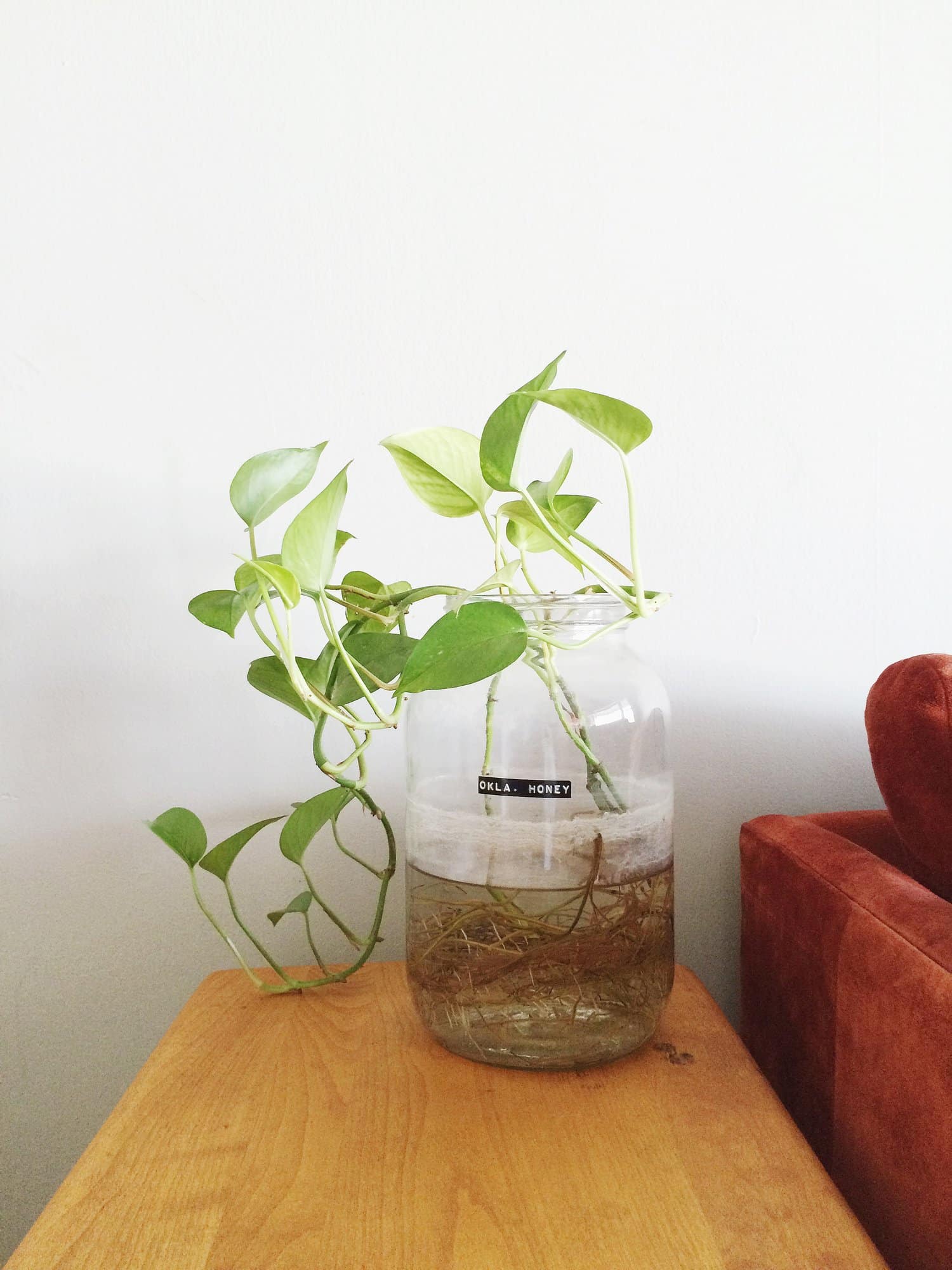
1. Pothos
Pothos, also known as Devil’s Ivy, is a hardy plant with trailing vines and glossy leaves. It’s perfect for hanging baskets and shelves.
How to Grow:
- Take a cutting with at least one node and place it in a glass of water.
- Keep the node submerged to promote root development.
- Change the water every one to two weeks and fertilize monthly.

2. Philodendrons
Philodendrons are versatile and attractive plants with heart-shaped leaves. They are excellent for adding a tropical vibe to your home.
How to Grow:
- Cut a stem with at least two nodes and place it in a jar of water.
- Make sure the nodes are submerged to encourage root growth.
- Refresh the water every week and add a liquid fertilizer once a month.
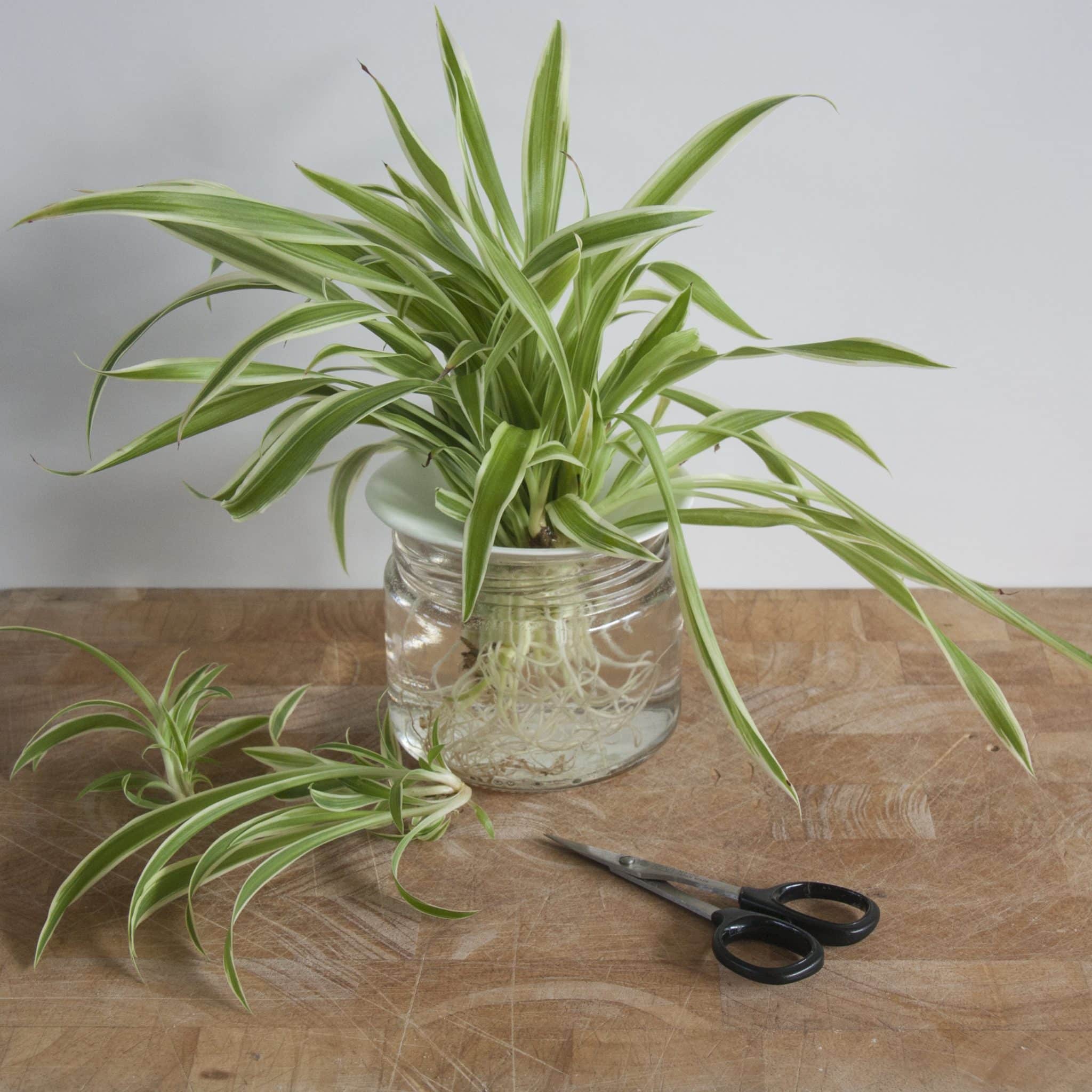
3. Chlorophytum (Spider plant, Airplane plant)
Spider plants are known for their arching leaves and small white flowers. They produce offshoots or “spiderettes” that are easy to propagate.
How to Grow:
- Cut off a spiderette and place it in a cup of water.
- Ensure the base of the spiderette is submerged.
- Replace the water every week and fertilize once a month.
4. Lucky Bamboo (Dracaena sanderiana)
Lucky Bamboo is a popular plant known for its elegant, upright stems and lush green leaves. It’s believed to bring good luck and positive energy.
How to Grow:
- Place the stems in a vase or container with a few inches of water.
- Ensure the roots are submerged but keep the leaves above water.
- Change the water every two weeks and add a few drops of liquid fertilizer monthly.
5. English Ivy (Hedera helix)
English Ivy is a classic plant with trailing vines and lobed leaves. It’s great for creating a cascading effect in your home.
How to Grow:
- Take a cutting with several nodes and place it in a container of water.
- Submerge the nodes to encourage root growth.
- Refresh the water weekly and add a liquid fertilizer monthly.
6. Coleus (Plectranthus scutellarioides)
Coleus is admired for its vibrant, multi-colored foliage. It adds a splash of color to any indoor space.
How to Grow:
- Take a cutting and place it in a jar of water.
- Ensure the bottom of the stem is submerged.
- Change the water every few days and fertilize once a month.
7. Chinese Evergreen (Aglaonema)
Chinese Evergreen is a resilient plant with broad, variegated leaves. It’s perfect for low-light conditions.
How to Grow:
- Take a stem cutting and place it in a container of water.
- Submerge the base of the cutting.
- Replace the water every two weeks and fertilize monthly.
8. Begonia (Begonia spp.)
Begonias are known for their beautiful, asymmetrical leaves and colorful flowers. They thrive in humid environments.
How to Grow:
- Take a leaf cutting with a petiole and place it in water.
- Ensure the petiole is submerged.
- Refresh the water every week and add a liquid fertilizer monthly.
9. Wandering Jew (Tradescantia zebrina)
Wandering Jew is a striking plant with purple and silver striped leaves. It’s ideal for hanging baskets and pots.
How to Grow:
- Take a cutting and place it in a glass of water.
- Submerge the nodes to encourage root growth.
- Change the water every week and fertilize once a month.
Tips for Success with Water-Grown Plants
- Monitor Root Health: Check for any slimy or brown roots and trim them to prevent rot.
- Use Clear Containers: Transparent jars make it easier to see when water needs to be changed or roots need attention.
- Fertilize Occasionally: Add a small amount of liquid fertilizer every 3-4 weeks to support growth.
- Avoid Overcrowding: Don’t place too many cuttings in one jar, as this can limit oxygen and water circulation.
Growing indoor plants in water is an easy and rewarding way to bring nature into your home.
These nine plants are perfect for water propagation, requiring minimal care while adding beauty and freshness to your living space.
With regular water changes and occasional fertilization, you can enjoy a lush indoor garden year-round.