March is a crucial month for garden preparation. As winter transitions into spring, your garden needs care and attention to ensure a thriving, lush landscape by the time warmer weather arrives.
Taking the right steps now will set the foundation for a healthy, vibrant, and productive garden.
From soil preparation to pruning and planting, here are seven essential tasks to complete in March for a perfect spring garden.
1. Prepare Your Soil for Planting
A healthy garden starts with rich, fertile soil. Before you plant anything, take the time to revitalize your soil.
How to Improve Your Garden Soil:
✅ Clear debris – Remove leaves, old mulch, and dead plants from winter.
✅ Loosen compacted soil – Use a garden fork or tiller to aerate the soil.
✅ Test soil pH and nutrients – Use a soil test kit to determine deficiencies.
✅ Add compost or organic matter – Improves drainage and boosts nutrients.
✅ Apply mulch – Helps retain moisture and suppress weeds.
Tip: Avoid working on overly wet soil, as it can compact and reduce oxygen flow to plant roots.
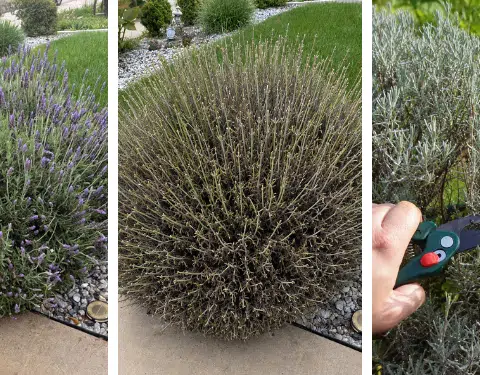
2. Prune and Trim Trees, Shrubs, and Perennials
Early spring is the perfect time to prune and shape your plants, allowing them to grow strong and healthy throughout the season.
What to Prune in March:
✅ Dead or diseased branches – Prevents the spread of diseases.
✅ Overgrown shrubs and trees – Encourages healthy new growth.
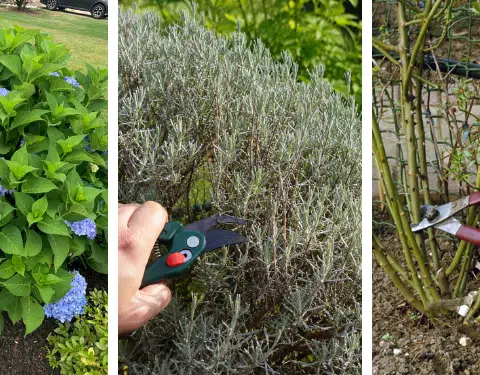
✅ Flowering plants that bloom in summer – Such as roses, hydrangeas, and crape myrtles.
✅ Perennials – Cut back old growth to encourage fresh spring shoots.
Tip: Avoid pruning spring-blooming plants like lilacs and azaleas, as this can reduce flowering.
3. Start Seeds Indoors
March is the ideal time to start vegetables and flowers indoors, especially for plants that need a longer growing season.
Best Seeds to Start Indoors in March:
✅ Vegetables – Tomatoes, peppers, eggplants, lettuce, and broccoli.
✅ Herbs – Basil, cilantro, parsley, and thyme.
✅ Flowers – Marigolds, petunias, snapdragons, and zinnias.
Steps for Successful Indoor Seed Starting:
✅ Use seed-starting trays or containers with good drainage.
✅ Choose a high-quality seed-starting mix.
✅ Provide adequate light using grow lights or a sunny window.
✅ Keep the soil moist but not soggy.
✅ Transplant seedlings outdoors once they develop strong roots and true leaves.
Tip: Harden off seedlings by gradually exposing them to outdoor conditions before transplanting.
4. Plant Cold-Tolerant Crops Outdoors
Certain vegetables and flowers can be planted directly outdoors in March, as they can tolerate cool temperatures.
Best Plants to Sow Outdoors in March:
✅ Vegetables – Peas, carrots, radishes, spinach, kale, and onions.
✅ Flowers – Pansies, snapdragons, sweet peas, and violas.
Tip: Use row covers or cloches to protect young plants from late frosts.
5. Clean and Maintain Garden Tools
Taking care of your garden tools ensures they are ready for the busy planting season ahead.
How to Maintain Garden Tools:
✅ Clean dirt and rust – Use a wire brush and soapy water.
✅ Sharpen blades – Sharp tools make pruning and cutting easier.
✅ Oil moving parts – Prevents rust and extends tool life.
✅ Check hoses and irrigation systems – Look for leaks or clogs.
Tip: Store tools in a dry place to prevent rust and damage.
6. Attract Pollinators to Your Garden
Pollinators like bees, butterflies, and birds are essential for a thriving garden.
How to Make Your Garden Pollinator-Friendly:
✅ Plant nectar-rich flowers like lavender, coneflowers, and sunflowers.
✅ Provide a water source (a shallow dish with pebbles works well).
✅ Avoid using chemical pesticides that harm beneficial insects.
✅ Grow native plants that attract local pollinators.
Tip: Create bee hotels or butterfly shelters to encourage nesting.
7. Plan and Organize Your Garden Layout
A well-planned garden is more productive and easier to maintain.
Steps to Plan Your Garden:
✅ Sketch a garden map with designated planting areas.
✅ Group companion plants together to enhance growth and deter pests.
✅ Consider crop rotation to improve soil health.
✅ Allocate space for pathways to avoid soil compaction.
Tip: Keep a gardening journal to track planting dates, growth progress, and harvest yields.
March is the perfect time to get your garden ready for a flourishing spring and summer.
By tackling these seven essential tasks, you’ll create an environment where plants can thrive and bloom beautifully.