If you’re searching for a show-stopping shrub that adds color, structure, and visual drama to your landscape from midsummer through fall, look no further than the Hydrangea paniculata ‘Vanilla Strawberry’, also known by its cultivar name ‘Renhy’.
Since its introduction in 2009, this French-bred hydrangea has quickly gained popularity across North America for its color-changing blooms, hardiness, and versatility in garden design.
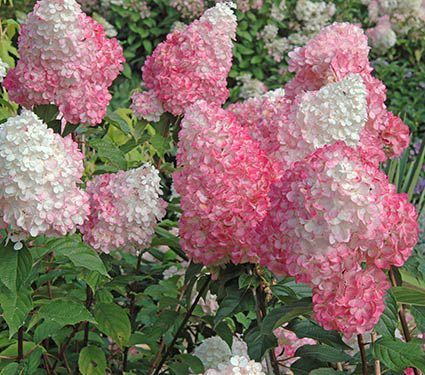
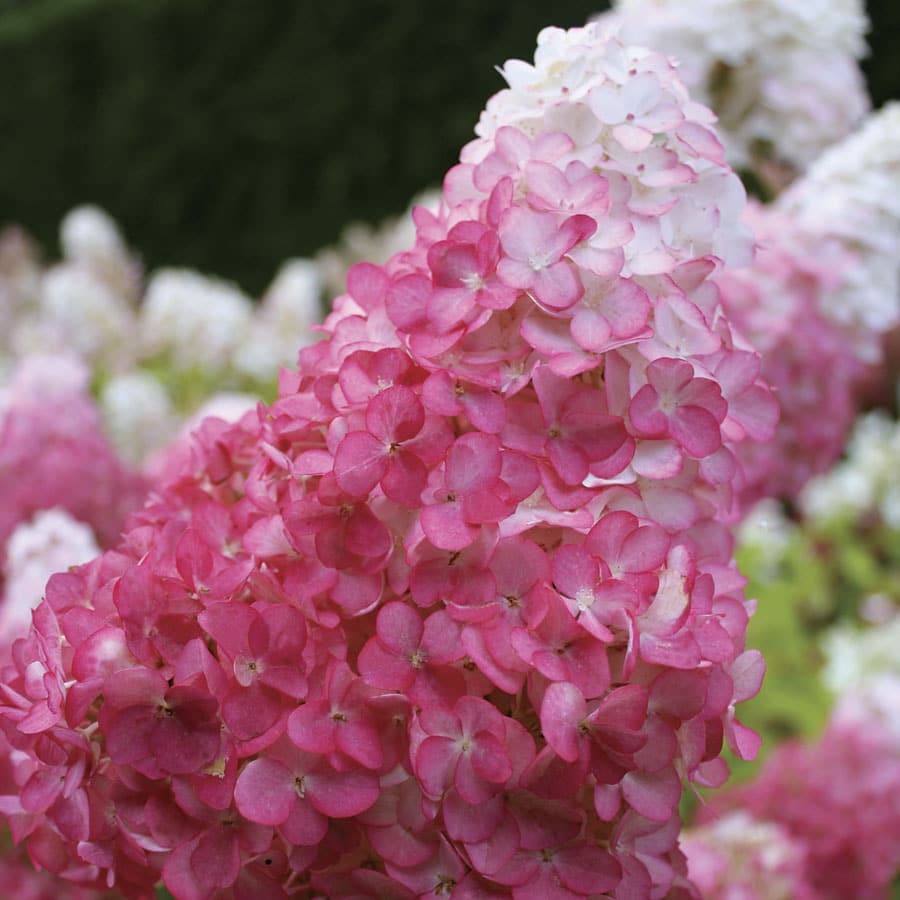
With blooms that transition from creamy white to blushing pink to rich strawberry red, the ‘Vanilla Strawberry’ hydrangea offers an evolving palette that keeps your garden visually engaging for months.
Here’s everything you need to know about growing and caring for this remarkable hydrangea variety.
What Is Hydrangea ‘Vanilla Strawberry’?
Hydrangea ‘Vanilla Strawberry’ is a panicle hydrangea (Hydrangea paniculata) that produces large, pyramid-shaped clusters of flowers called inflorescences.
These blooms emerge in mid to late summer as creamy white, gradually deepen to rosy pink, and eventually turn vivid strawberry red by early fall. This three-tone progression can occur simultaneously on one plant, offering a stunning multi-colored display.
It was bred in France and is a cultivar of the beloved PeeGee hydrangea, known for its upright growth, large flower heads, and excellent cold hardiness.
In 2010, just a year after its U.S. introduction, it was named a top landscape plant by the American Nursery and Landscape Association.
Key Features at a Glance
- Botanical Name: Hydrangea paniculata ‘Renhy’
- Common Name: Vanilla Strawberry Hydrangea
- Mature Size: 6 to 8 feet tall and wide (can be pruned to stay smaller)
- Bloom Time: Mid-summer to early fall
- Bloom Color: White to pink to strawberry-red
- Foliage: Green in summer; turns yellow in fall
- Stems: Bright red, adding additional contrast
- USDA Hardiness Zones: 4 to 8
- Sun Exposure: Full sun to part shade
- Soil Preference: Moist, well-drained soil; tolerant of a variety of soil types
- Special Attributes: Cold-hardy to -30°F, pollution-tolerant, excellent cut or dried flowers

Growth Habit and Landscape Uses
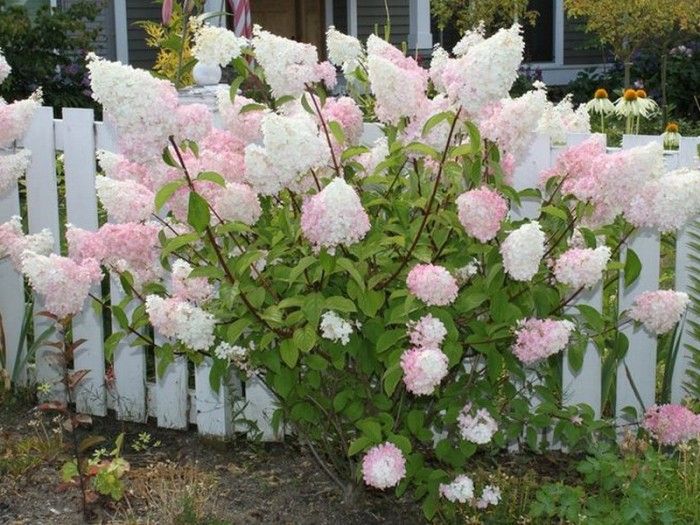
‘Vanilla Strawberry’ hydrangea is a multi-stemmed, deciduous shrub with a naturally rounded, upright form. It typically grows 6 to 8 feet tall and wide, though it can be kept smaller with regular pruning.
Its striking size and bloom quality make it a versatile plant suitable for:
- Mass plantings and hedges
- Mixed perennial borders
- Foundation plantings
- Accent specimens
- Pollinator gardens
- Cut flower gardens
It can also be used as a living privacy screen or background shrub thanks to its dense foliage and tall height during the growing season.
Flowering Cycle and Seasonal Interest
One of the standout features of this hydrangea is its long blooming season, lasting from mid-summer through early fall. The 8-inch, cone-shaped flower clusters are composed of dozens of smaller blooms that slowly change color as the weeks progress.
- July: Flowers begin as creamy white
- August: Blossoms blush with pink hues
- September/October: Deep strawberry-red tones appear, creating a tri-color effect on the same plant
In autumn, the green leaves turn soft yellow before dropping, while in winter, the plant goes dormant.
Unlike some shrubs with ornamental winter bark or berries, ‘Vanilla Strawberry’ hydrangea offers little visual interest in winter, though the dried flowers can be left on for textural appeal.
Ideal Growing Conditions
This hydrangea is remarkably adaptable and does well in a variety of climates and conditions.
Sunlight:
-
Full sun (6+ hours of direct sunlight) is ideal in cooler climates.
-
Partial shade is better in hot regions to protect the blooms from scorching.
Soil:
-
Prefers moist, well-drained soil
-
Tolerates a range of soil types including loam, clay, or sandy soil
-
Not picky about soil pH (color is not affected by pH like bigleaf hydrangeas)
Watering:
-
Needs regular watering during its first year of establishment
-
Once established, it’s moderately drought-tolerant
-
Mulch around the base to retain moisture and keep roots cool
Pruning Tips for Maximum Blooms
Proper pruning ensures a strong shape and maximum flower production. Vanilla Strawberry hydrangea blooms on new wood, meaning the flowers form on branches that grow in the current year.
When to Prune:
-
Late winter to early spring, before new growth begins
How to Prune:
-
Remove any dead or weak stems
-
Cut back up to one-third of the total plant to shape and control size
-
Avoid pruning in late spring or summer, as this will reduce bloom potential
If left unpruned, the shrub can become leggy, with flowers only forming on top. Regular pruning encourages strong stems, bushier growth, and bigger blooms.
Cold Tolerance and Winter Care
This hydrangea is cold-hardy down to -30°F, making it a great choice for northern gardeners. It will lose its leaves in the fall and remain dormant during winter. While mature plants handle winter well, spring frosts can damage tender new shoots. If a late freeze is expected, cover the plant with a light sheet to protect emerging growth.
Propagation and Maintenance
You can propagate ‘Vanilla Strawberry’ through softwood cuttings taken in late spring or early summer.
Maintenance Tips:
-
Fertilize in early spring with a slow-release balanced fertilizer
-
Mulch annually to maintain moisture and soil temperature
-
Deadhead (optional) for tidiness, but not required for reblooming
Cut and Dried Flowers
The blooms of the Vanilla Strawberry hydrangea are not only garden stars—they’re also fantastic for indoor arrangements.
-
Cut fresh blooms at their peak color
-
For dried arrangements, allow blooms to mature on the shrub, then cut and hang them upside down in a dry, well-ventilated space
Their size, texture, and shifting hues make them a favorite among floral designers and home decorators.
Hydrangea paniculata ‘Vanilla Strawberry’ is a show-stopping shrub that delivers months of evolving color with minimal fuss.
Its ability to thrive in various sun exposures, tolerate air pollution, and withstand frigid winters makes it a top pick for gardeners across USDA zones 4 to 8.
Whether you’re designing a cottage-style border, building a privacy hedge, or simply want reliable color all season long, ‘Vanilla Strawberry’ is one of the most rewarding hydrangeas you can grow.