Easter and spring go hand in hand—warmer weather, blooming flowers, and fresh bursts of green are the ultimate signs that winter is behind us.
It’s also the perfect time to reconnect with gardening, even if it’s just a small-scale indoor project. One adorable trend that’s taking over gardening and home décor circles is the bunny succulent—an irresistibly cute plant that resembles tiny rabbit ears sprouting from the soil.
If you’re looking for a fun, low-maintenance gardening activity for spring or Easter, growing bunny succulents is the perfect choice.
These rare plants are not only easy to care for, but they also make wonderful centerpieces for Easter dinner, charming desk companions, and delightful additions to your windowsill or kitchen table.
What Are Bunny Succulents?
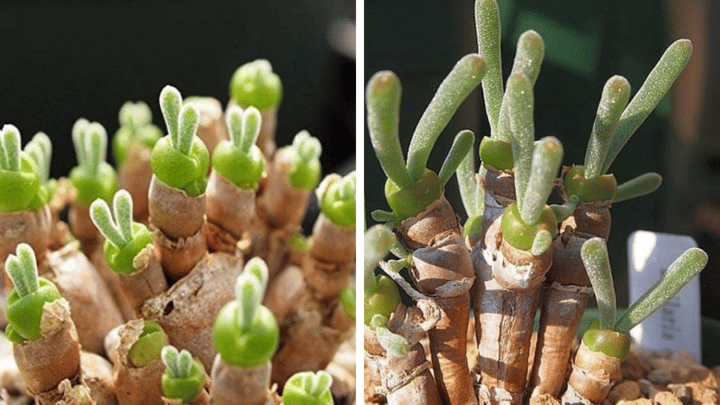
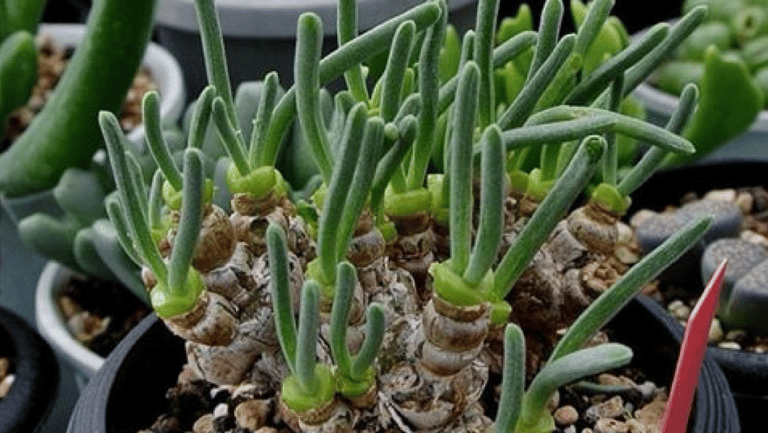
The plant commonly referred to as the “bunny succulent” is actually called Monilaria moniliformis, a rare species native to South Africa.
It belongs to the ice plant family (Aizoaceae) and is sometimes confused with Senecio rowleyanus (String of Pearls), though the two are quite different.
Monilaria moniliformis is best known for its unusual growth habit: it sprouts with a pair of tiny green shoots that look exactly like bunny ears.
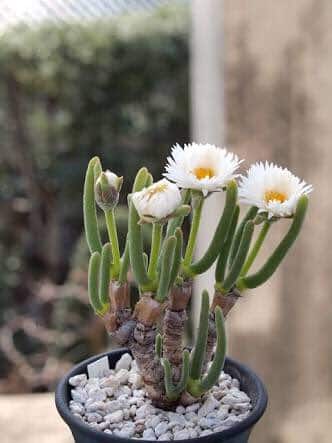
As the plant matures, these ears elongate, bend under their own weight, and eventually produce white daisy-like flowers with bright yellow centers.
Their novelty appearance makes them an ideal plant for Easter-themed décor, and their rarity adds a touch of exclusivity to your plant collection.

Why Bunny Succulents Make the Perfect Easter Project
- Spring symbolism: They grow just in time for Easter and look like baby rabbits—what could be more festive?
- Low-maintenance: These succulents require minimal effort, perfect for both beginners and busy plant lovers.
- Indoor-friendly: They thrive in containers and make great tabletop or windowsill plants.
- Long-lasting: Even after Easter, bunny succulents continue to grow and bloom through the spring and beyond.
- Fun to grow from seed: Available online, the seeds offer an affordable and rewarding DIY plant project.
Where to Buy Bunny Succulent Seeds
Despite being considered rare, Monilaria moniliformis seeds are readily available through online marketplaces like:
- Amazon
- Etsy
- Specialty succulent and rare seed retailers
A small packet of seeds is typically inexpensive and can yield multiple plants, making it an affordable and creative gift idea for Easter baskets, plant-loving friends, or classroom projects.
How to Grow Bunny Succulents from Seed: Step-by-Step Guide
1. Prepare the Right Soil Mix
Bunny succulents need well-draining soil to prevent root rot.
A loam-based cactus mix works best, enhanced with:
- Horticultural grit
- Perlite or pumice
- Sand (optional)
This combination allows for proper airflow and moisture control, which is essential for healthy succulent roots.
2. Choose a Shallow Container with Drainage
Use a shallow pot or seed tray with drainage holes. Bunny succulents don’t require deep soil, and their roots benefit from a container that doesn’t retain excess water.
You can also start them in a decorative Easter-themed pot, making the project even more festive!
3. Sow the Seeds Carefully
Bunny succulent seeds are tiny, so handle them with care:
- Scatter them lightly across the surface of the moist soil.
- Press gently—do not bury them, as they need light to germinate.
- Mist with water to settle the seeds in place.
4. Provide Sunlight and Ventilation
Place your container in a sunny spot such as a south-facing windowsill. Bunny succulents love bright light and fresh air, so a location with natural sunlight and gentle airflow is ideal.
If sunlight is limited, consider using a grow light to supplement during shorter spring days.
5. Watering Guidelines
Monilaria moniliformis has specific watering needs:
- In the germination stage, keep the soil lightly moist but not soaked.
- Once the seedlings sprout, allow the soil to dry slightly between waterings.
- Reduce watering during dormancy (typically in summer).
Overwatering is the most common issue, so always err on the side of underwatering.
What to Expect as They Grow
- Week 1–2: Tiny green “bunny ears” begin to sprout—this is the cutest stage and the perfect time to display them for Easter!
- Week 3–4: The ears grow taller and may begin to bend or split, resembling cartoon rabbit ears (think Bugs Bunny).
- Month 2+: As the plant matures, the ears stretch and droop, and white daisy-like flowers may emerge, especially if your plant is thriving in full sun.
- Late Spring/Early Summer: The plant may enter dormancy. At this stage, watering should be reduced until new growth returns.
Styling Tips: Displaying Bunny Succulents for Easter & Beyond
These little plants are adorable on their own, but here are some ways to elevate their charm:
- Place a few bunny succulents in painted terracotta pots with pastel colors for an Easter centerpiece.
- Use moss, pebbles, or tiny decorative eggs to create an Easter scene around your plant.
- Group several containers together to create a mini succulent “bunny patch.”
- Add miniature garden accessories, like tiny signs or fairy garden elements, for added whimsy.
After Easter, bunny succulents continue to add charm to your space, whether on your office desk, kitchen windowsill, or coffee table.
Bunny Succulent Care at a Glance
| Care Need | Details |
|---|---|
| Light | Bright, indirect sunlight or filtered full sun |
| Water | Light watering; allow soil to dry between waterings |
| Soil | Loam-based mix with added drainage (grit, perlite) |
| Temperature | Prefers 65–75°F (18–24°C); protect from frost |
| Humidity | Low humidity; well-ventilated areas preferred |
| Dormancy | Reduce watering during summer dormancy |
Growing bunny succulents is a simple yet magical way to celebrate the arrival of spring and Easter.
With their charming bunny-ear appearance, minimal care requirements, and long-lasting blooms, they’re a delightful plant for all ages and experience levels.
Whether you’re looking for a hands-on gardening project, a unique centerpiece, or just want to bring a little nature indoors, Monilaria moniliformis is a blooming gift that keeps on giving.
So, grab your seeds, prep your soil, and start growing—your bunny garden awaits!