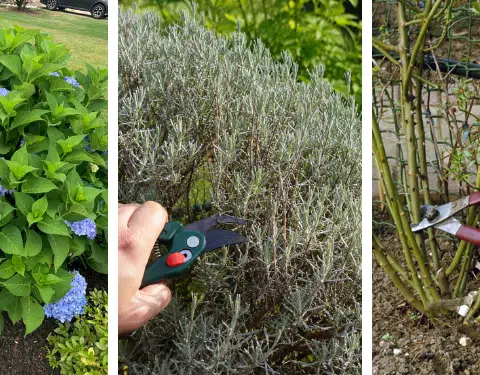
In the vibrant world of flowers, blue blooms are among the rarest and most captivating. They carry a mystical charm that can calm the mind, evoke deep emotions, and transform any garden into a serene escape.
Blue flowers are often associated with peace, wisdom, and introspection, and have long been admired for their symbolic meanings as well as their striking beauty.
In flower symbolism, blue flowers represent trust, loyalty, faith, intelligence, confidence, and spiritual awareness.
They are believed to slow down metabolism, calm the mind, reduce appetite, and even stir feelings of desire and romantic longing.
These flowers are more than just garden favorites—they’re also rich in cultural history and emotional significance.
Here are 12 of the most beautiful blue flowers found across the world, along with their meanings and growing tips.
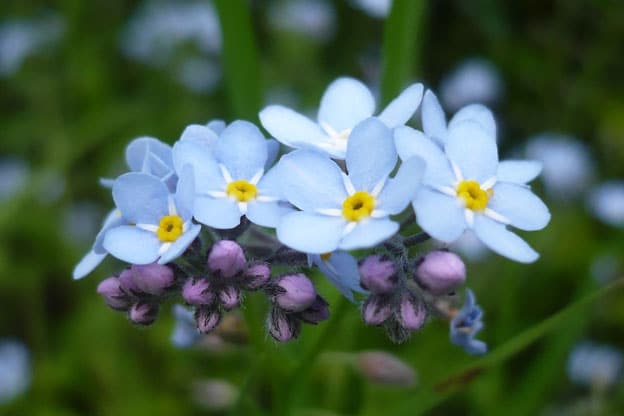
1. Brunnera (Brunnera macrophylla)
Often called False Forget-Me-Not, Brunnera is a delicate woodland perennial with tiny, five-petaled blue flowers that bloom in early spring.
- Bloom Time: Spring
- Light Needs: Partial shade
- Watering: Moist, well-draining soil
- Symbolism: Remembrance, simplicity, and new beginnings
These charming blooms resemble forget-me-nots and are often used in shade gardens or borders, where their sky-blue sprays add a touch of early color.
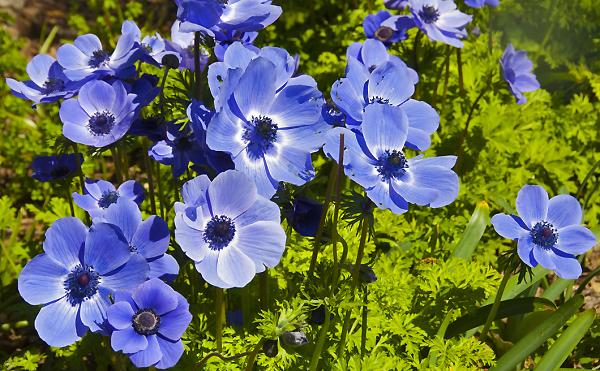
2. Anemone (Anemone blanda)
Also known as Windflower, Anemone blooms in various vivid shades, including beautiful blue. These delicate flowers sway in the breeze, enhancing the natural beauty of wildflower gardens.
- Bloom Time: Spring to fall (depending on species)
- Light Needs: Full sun to partial shade
- Symbolism: Protection, anticipation, and good luck
Historically, Anemones were believed to protect against evil and symbolize anticipation in the language of flowers.
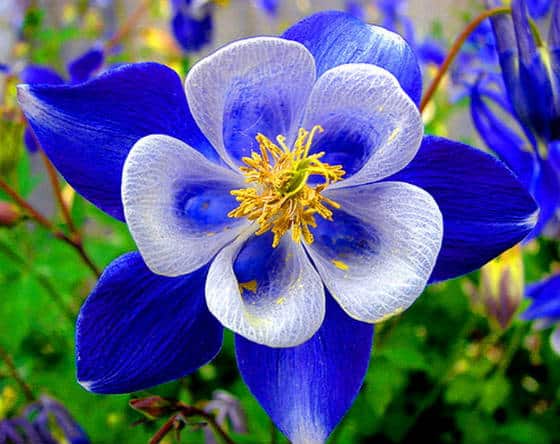
3. Columbine (Aquilegia caerulea)
Columbine is a graceful flower with a unique structure, featuring spurred petals that resemble a group of doves in flight. The name comes from the Latin word aquila, meaning eagle.
- Bloom Time: Spring to early summer
- Light Needs: Full sun to partial shade
- Symbolism: Faith, hope, and peace
Blue columbine, especially the Rocky Mountain Blue, thrives in temperate climates and adds elegance to any woodland or cottage garden.
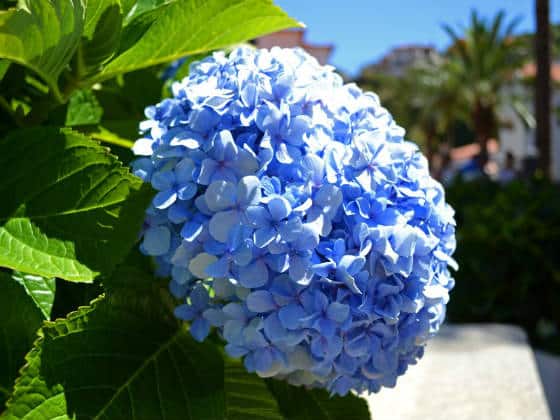
4. Blue Hydrangea (Hydrangea macrophylla)
Hydrangeas are a garden staple, and blue hydrangeas are among the most breathtaking. Their color intensity varies depending on soil pH, with acidic soils producing deeper blues.
- Bloom Time: Late spring through summer
- Light Needs: Morning sun, afternoon shade
- Symbolism: Heartfelt emotions, apology, and deep understanding
A bouquet of blue hydrangeas is often given to express regret or sincere love, making them ideal for romantic gestures or meaningful garden borders.
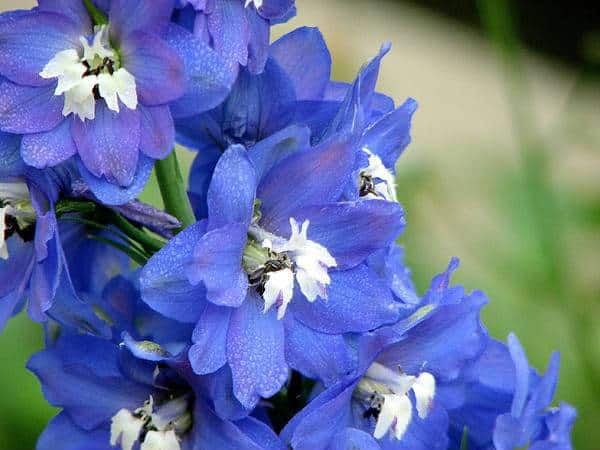
5. Delphinium (Delphinium spp.)
With tall spikes of vivid blue flowers, Delphiniums bring vertical drama to flower beds. The name is derived from the Greek word delphis (dolphin), due to the flower’s dolphin-like shape.
- Bloom Time: Early to mid-summer
- Light Needs: Full sun
- Symbolism: Joy, positivity, big-heartedness, and openness
Delphiniums thrive in cooler climates and are often featured in cottage-style gardens for their striking color and architectural appeal.
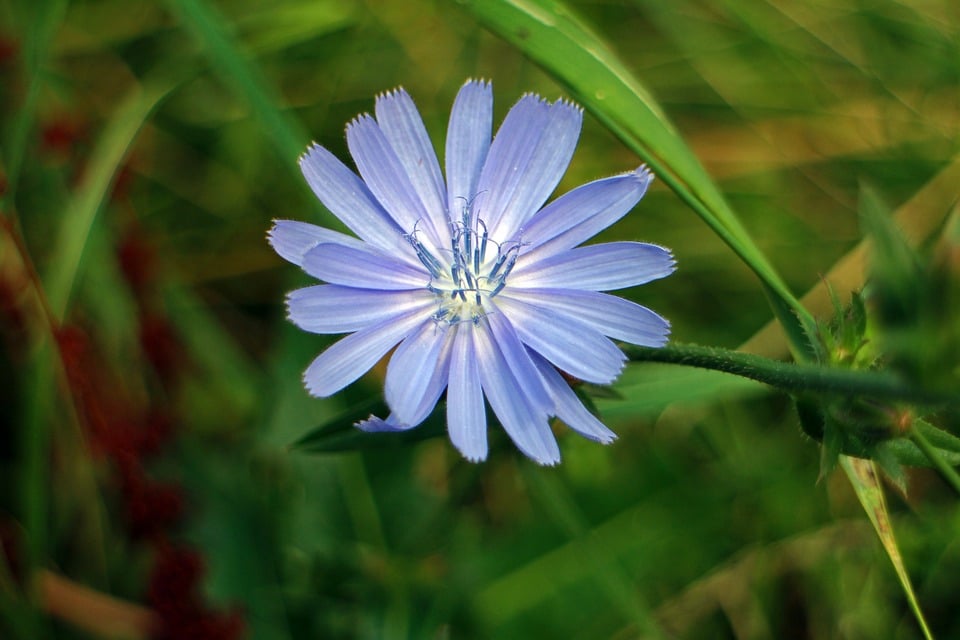
6. Blue Dandelion (Cichorium intybus)
Unlike the common yellow variety, blue dandelions (also known as chicory flowers) stand out for their cornflower-blue hue and herbal benefits.
- Bloom Time: Summer
- Light Needs: Full sun
- Symbolism: Faithfulness, happiness, and tranquility
Rich in folklore, blue dandelions are symbols of hope and perseverance, and their edible leaves are used in salads and herbal teas.
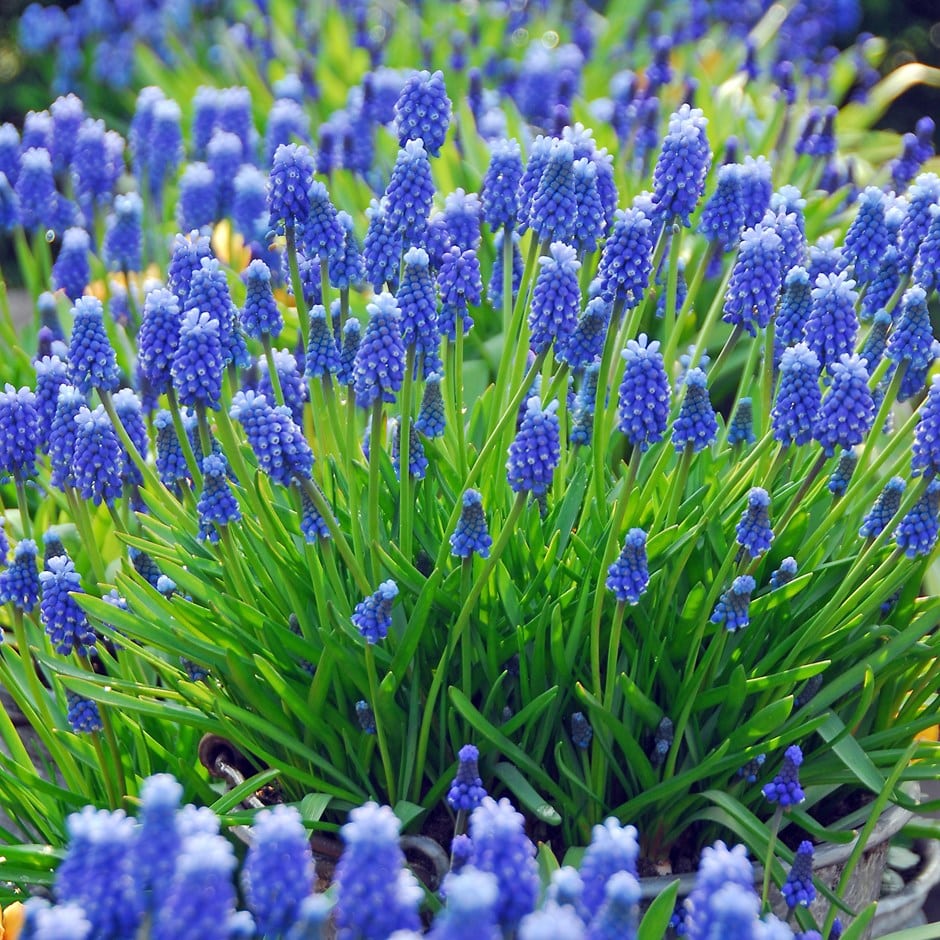
7. Grape Hyacinth (Muscari spp.)
Despite the name, grape hyacinths are not true hyacinths. They produce clusters of tiny, bell-shaped blooms that resemble a bunch of grapes.
- Bloom Time: Mid to late spring
- Light Needs: Full sun to partial shade
- Symbolism: Constancy, joy, and renewal
These fragrant flowers are perfect for rock gardens, borders, or containers, and they naturalize well in lawns and woodland edges.
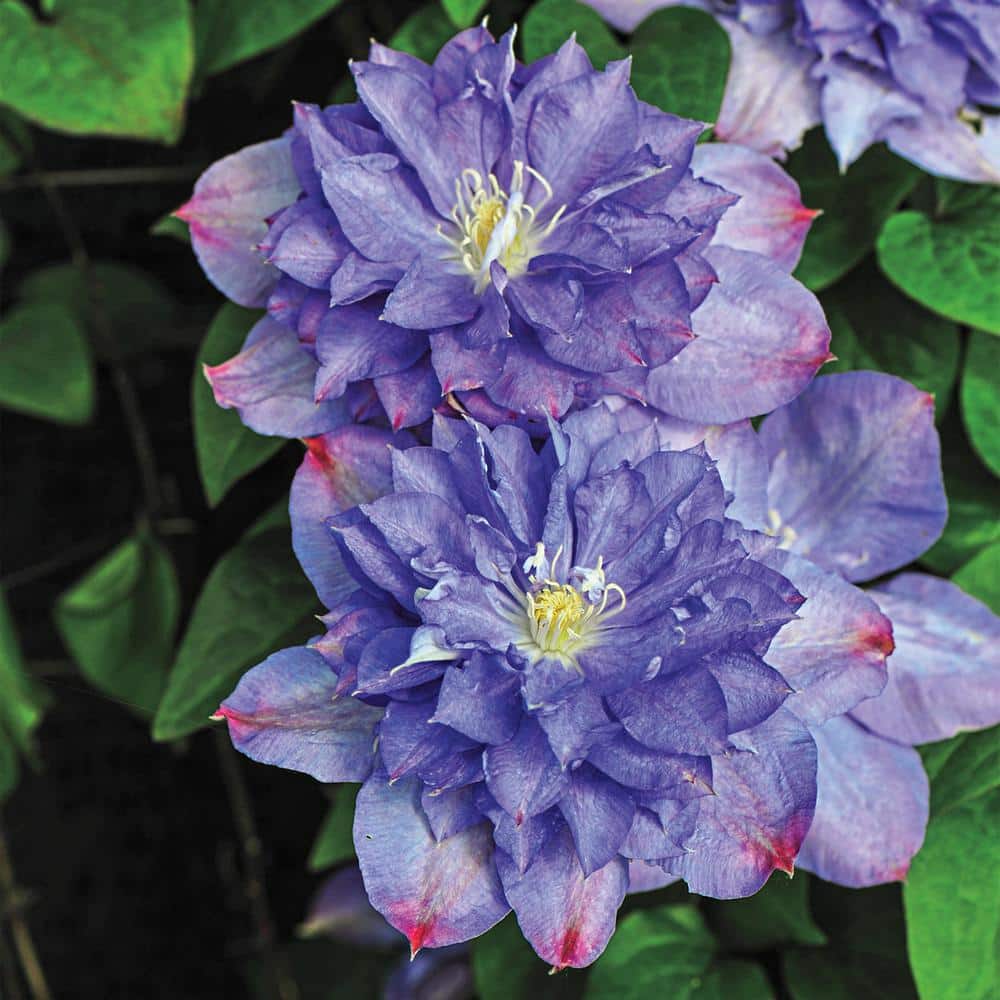
8. Clematis (Clematis spp.)
A beloved climbing vine, clematis produces bold, star-shaped flowers in several colors. Blue varieties like ‘Crystal Fountain’ or ‘Arbella’ are stunning choices for vertical spaces.
- Bloom Time: Spring to early autumn
- Light Needs: Full sun (roots shaded)
- Symbolism: Ingenuity, mental strength, and faithfulness
Clematis is an excellent choice for trellises, arbors, or balcony railings, and adds both structure and charm.
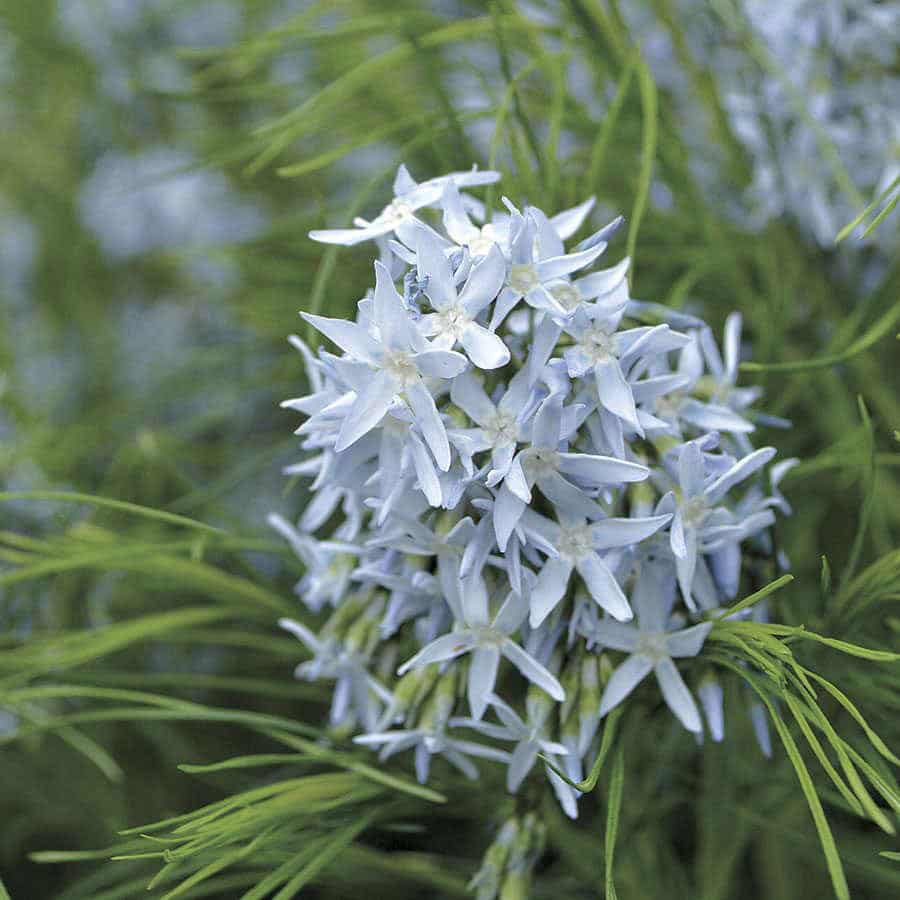
9. Blue Star Flower (Amsonia tabernaemontana)
Native to North America, Blue Star is a hardy perennial with soft, periwinkle-blue blooms and fine-textured foliage that turns golden in fall.
- Bloom Time: Late spring to early summer
- Light Needs: Full sun to partial shade
- Symbolism: Steadfastness, affection, and serenity
Great for naturalistic gardens and butterfly habitats, blue star is as functional as it is beautiful.
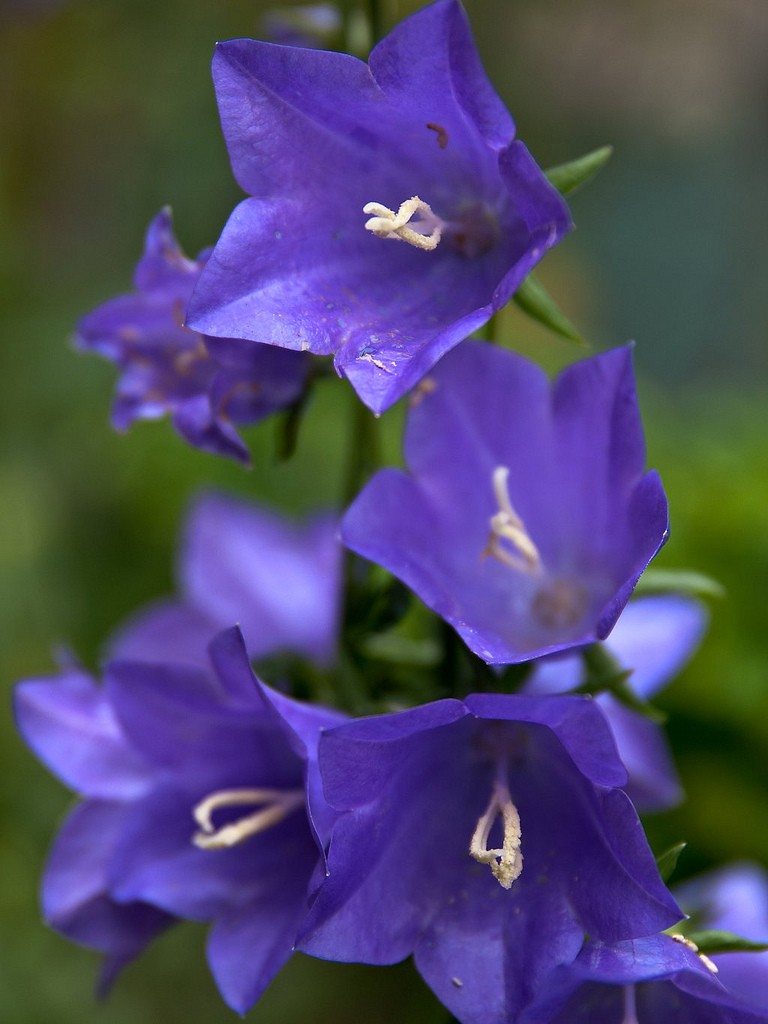
10. Bellflower (Campanula spp.)
Named for their bell-like shape, bellflowers come in various hues, including shades of blue, purple, and white. Their trailing habit makes them ideal for hanging baskets and containers.
- Bloom Time: Late spring to early fall
- Light Needs: Full sun to partial shade
- Symbolism: Gratitude, humility, and constancy
They are often associated with fairies and referred to as “fairy thimbles”, giving them a magical appeal in cottage gardens.
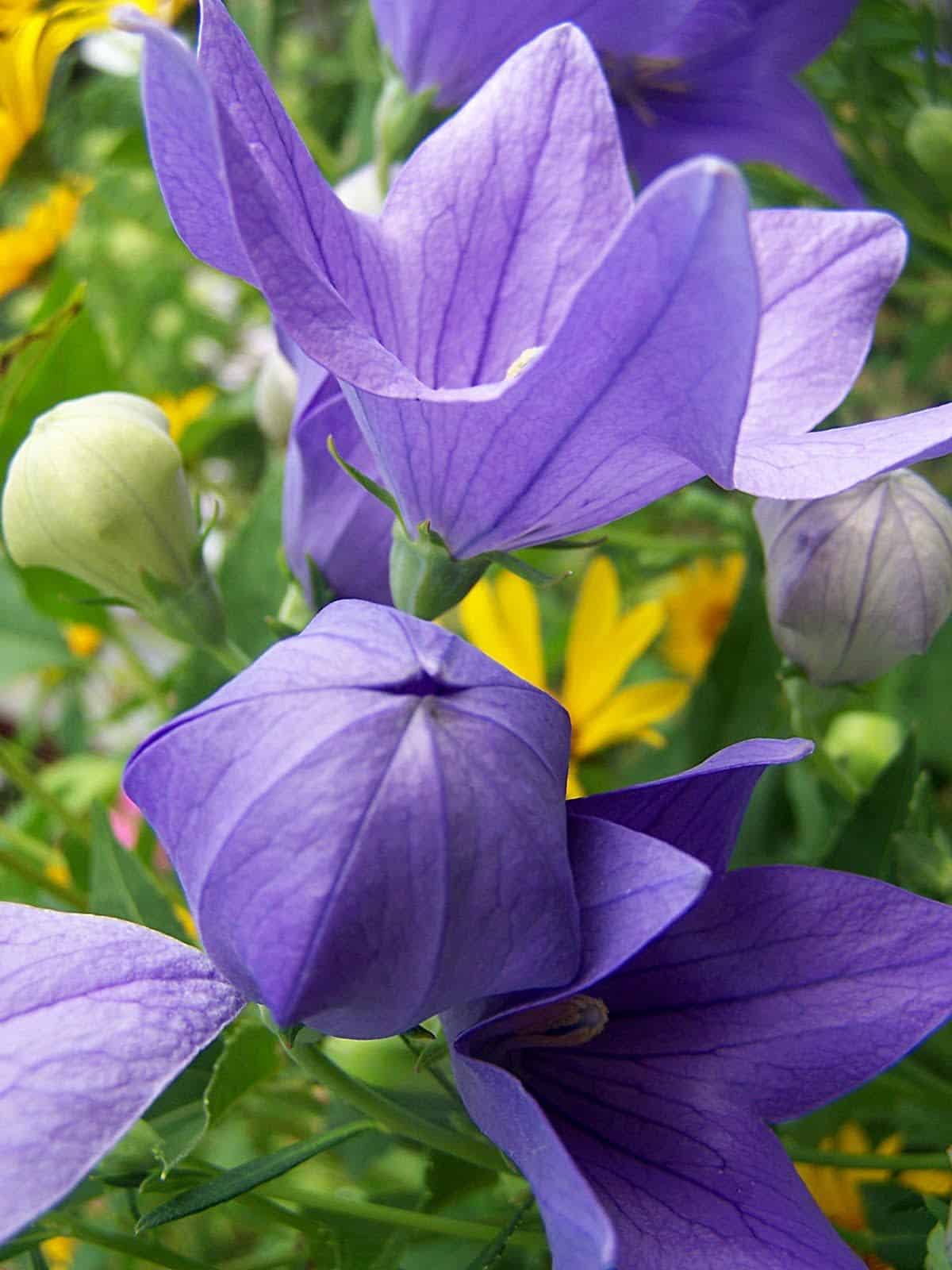
11. Balloon Flower (Platycodon grandiflorus)
Balloon flowers get their name from the balloon-like buds that inflate before bursting open into star-shaped blooms in blue, pink, or white.
- Bloom Time: Summer
- Light Needs: Full sun to partial shade
- Symbolism: Love, honesty, and unwavering loyalty
These hardy perennials are great for cut flower arrangements and low-maintenance garden beds.
12. Aster (Aster spp.)
Asters are among the last flowers to bloom in the season, providing late-summer and autumn color when most others fade. They come in various colors, including a striking lavender-blue.
- Bloom Time: Late summer to fall
- Light Needs: Full sun
- Symbolism: Love, peace, patience, and elegance
In ancient times, burning aster leaves was believed to drive away evil spirits and promote fertility.
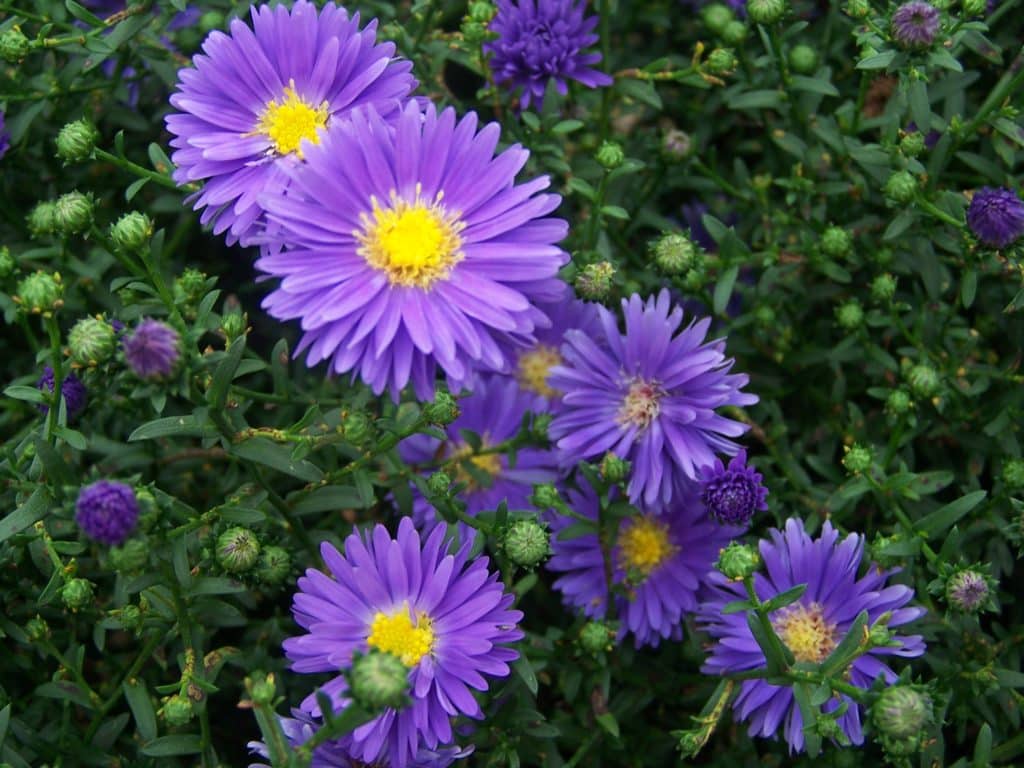
Blue flowers are rare, mystical, and mesmerizing—whether you’re looking to enhance your garden, create a calming indoor bouquet, or give a meaningful gift.
From delicate Brunnera to towering Delphiniums, these blooms offer both aesthetic appeal and deep symbolism. Incorporating them into your garden or floral arrangements can promote peace of mind, heartfelt expression, and emotional balance.
Plant some of these blue beauties today, and surround yourself with a splash of tranquility that continues to inspire season after season.