Air is one of the five essential elements of life—yet it’s often taken for granted. Every day, we inhale thousands of liters of air, but how often do we stop to think about its quality?
In urban environments, air pollution is nearly unavoidable. From traffic exhaust and industrial emissions to chemical vapors from paints, cleaning products, and synthetic furniture, we’re constantly surrounded by toxins—even indoors.
While we can’t always control the outdoor air we breathe, we can take steps to improve indoor air quality, and the best part is—you can do it naturally.
Houseplants not only enhance your living space with beauty and tranquility, but they also serve as powerful natural air purifiers.
NASA’s Clean Air Study has shown that certain indoor plants can remove harmful toxins such as formaldehyde, benzene, carbon monoxide, and trichloroethylene, making your home or apartment a healthier and more breathable space.
Here are five of the best air-purifying houseplants you can grow at home to create a fresher, cleaner, and more vibrant living environment.
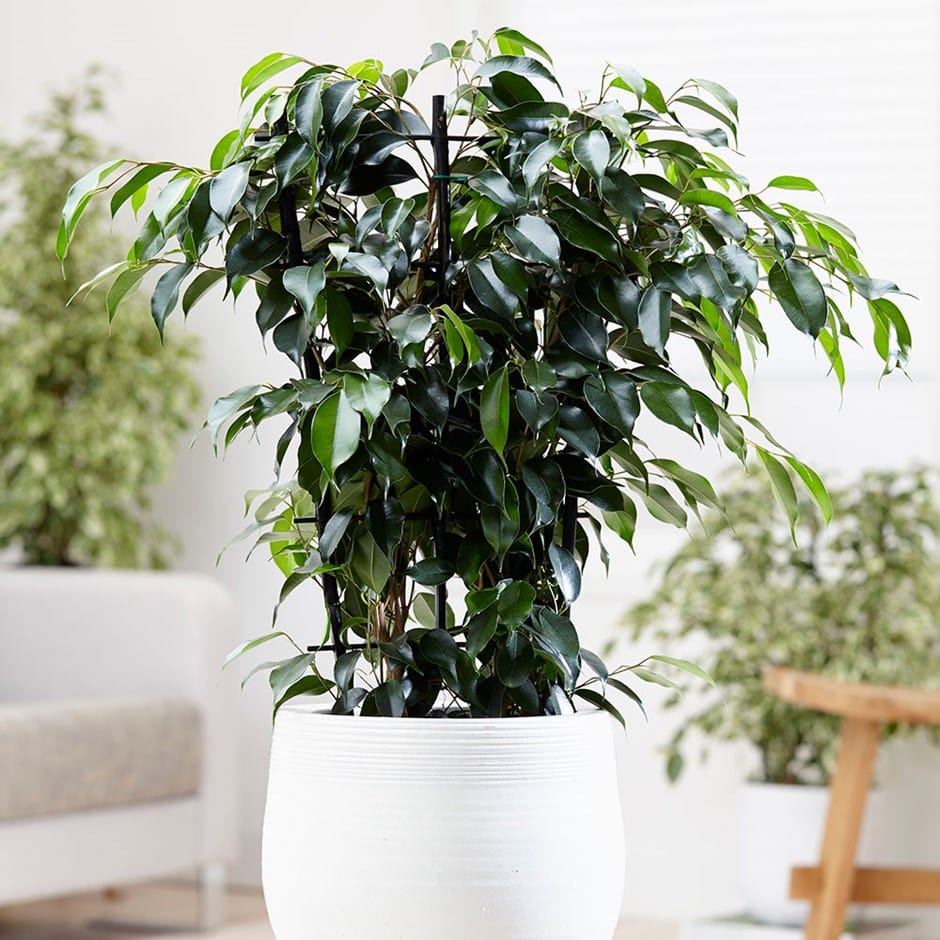
1. Weeping Fig (Ficus benjamina)
Best for neutralizing cigarette smoke and common indoor toxins
The weeping fig, also known as Ficus benjamina, is an attractive and low-maintenance houseplant that packs a powerful punch when it comes to removing airborne toxins.
It’s particularly effective at filtering out pollutants such as:
- Cigarette smoke
- Carbon monoxide
- Trichloroethylene
- Benzene
- Formaldehyde
This makes it a smart choice for homes with smokers or spaces with synthetic materials and paints. The weeping fig acts as a natural detoxifier, quietly filtering the air day and night.
Care Tips:
-
Place in a bright, sunny location, but avoid direct sunlight.
-
Keep soil evenly moist, especially in warm environments.
-
Mist the leaves occasionally to maintain humidity.
Note: Avoid moving the plant too often—fig trees dislike being relocated and may drop leaves when disturbed.
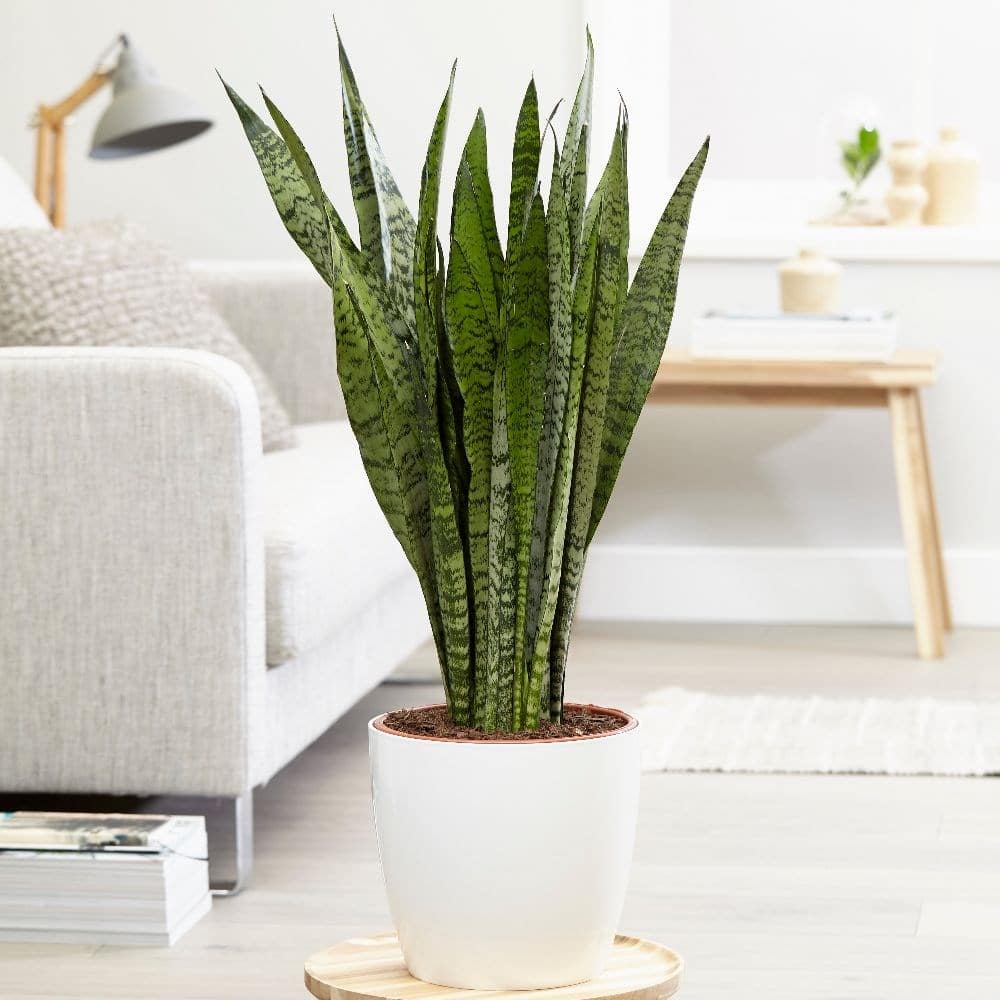
2. Snake Plant (Sansevieria trifasciata ‘Laurentii’)
Best for filtering formaldehyde and thriving in low light
The snake plant, also known as mother-in-law’s tongue, is one of the most resilient and effective air-purifying plants available.
This hardy plant is especially good at absorbing:
- Formaldehyde (from cleaning products, toilet paper, and furniture)
- Nitrogen oxides
- Benzene and xylene
What makes the snake plant truly unique is its ability to convert carbon dioxide into oxygen at night, making it perfect for bedrooms and bathrooms.
Care Tips:
-
Tolerates low light and thrives in indirect sunlight.
-
Requires minimal watering—let the soil dry between waterings.
-
Perfect for humid spaces, such as bathrooms or kitchens.
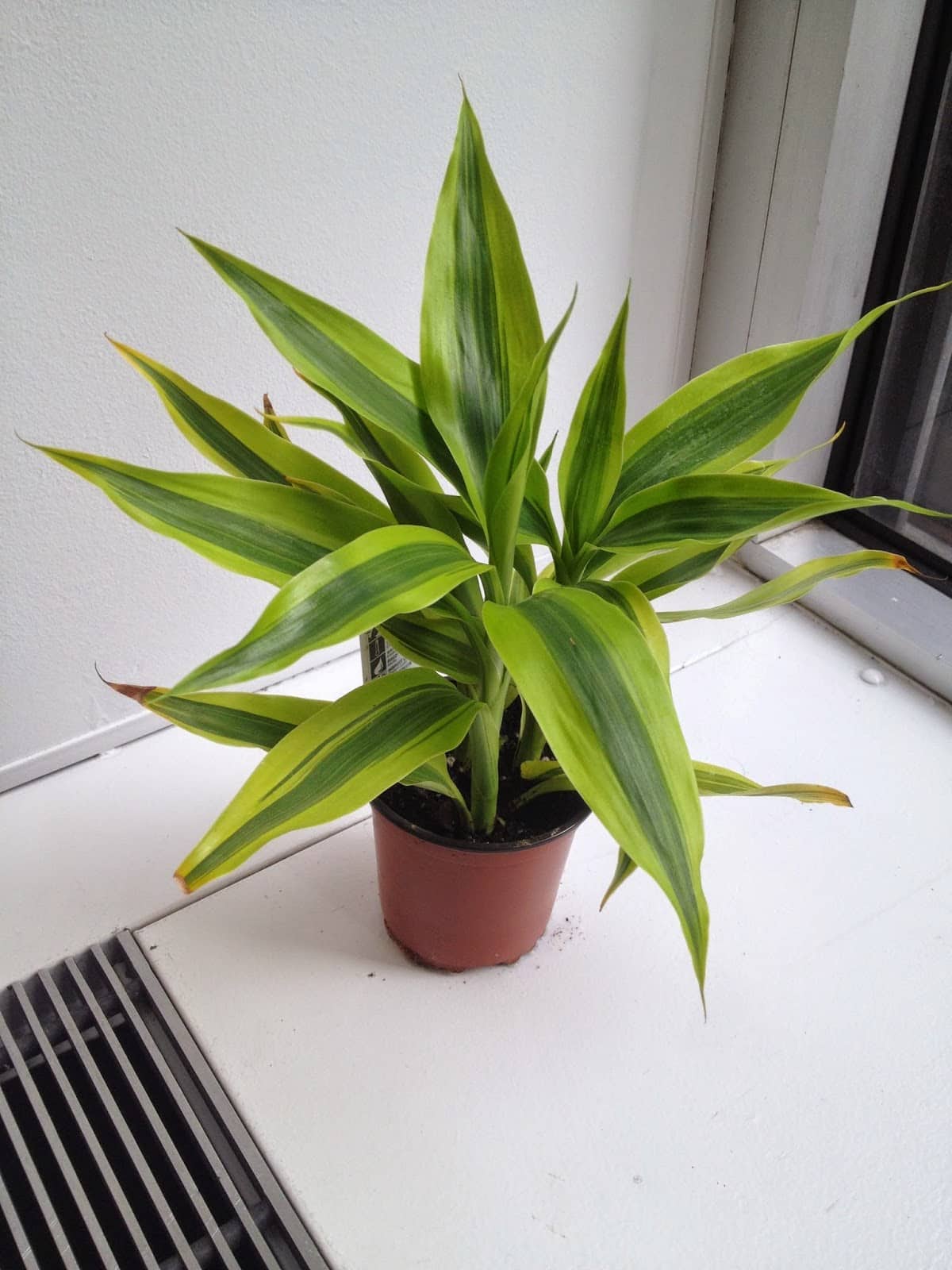
3. Warneck Dracaena (Dracaena deremensis ‘Warneckii’)
Best for filtering pollutants from paints, varnishes, and oils
The Warneck dracaena is a striking, low-maintenance plant known for its ability to eliminate pollutants from:
- Oils and waxes
- Paints and solvents
- Toluene and xylene
With long, sword-like leaves that grow upward, this plant adds height and style to your indoor spaces while working hard to remove volatile organic compounds (VOCs).
Care Tips:
-
Keep in moderate, indirect light.
-
Water regularly, but avoid overwatering—allow the topsoil to dry out.
-
Does well in office settings or living rooms with medium lighting.
Bonus: Its bold foliage makes it a beautiful statement plant.
4. Bamboo Palm (Chamaedorea seifrizii)
Best for removing benzene and humidifying dry indoor air
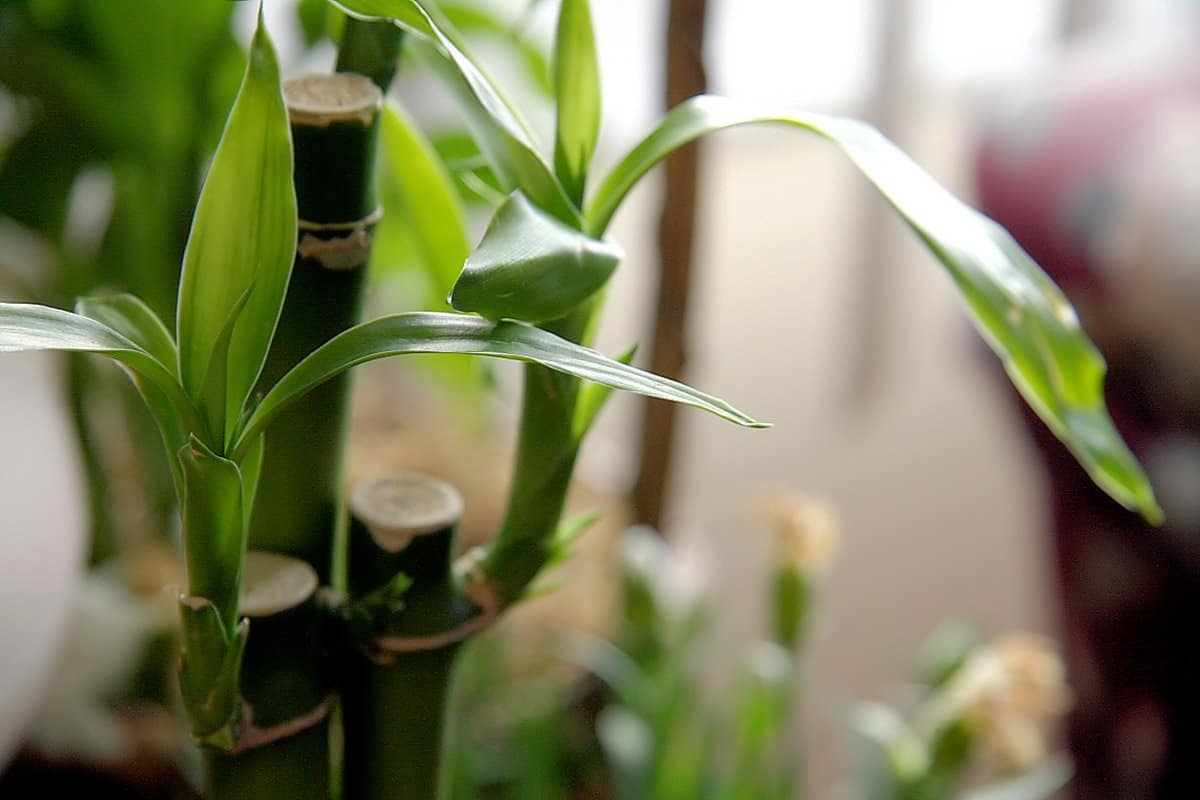
The bamboo palm, also called the reed palm, is not only an elegant addition to your space—it’s also a powerful air cleaner.
It removes:
- Benzene
- Trichloroethylene
- Formaldehyde
In addition to purifying the air, the bamboo palm acts as a natural humidifier, making it ideal for dry indoor environments.
Care Tips:
-
Grows best in bright, indirect light, but can tolerate low light.
-
Prefers moist soil, but don’t let it get soggy.
-
Thrives in shady indoor corners and can produce small flowers and berries with proper care.
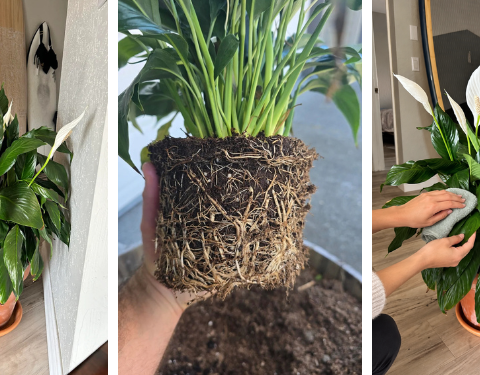
5. Peace Lily (Spathiphyllum spp.)
Best for eliminating common VOCs and blooming year-round
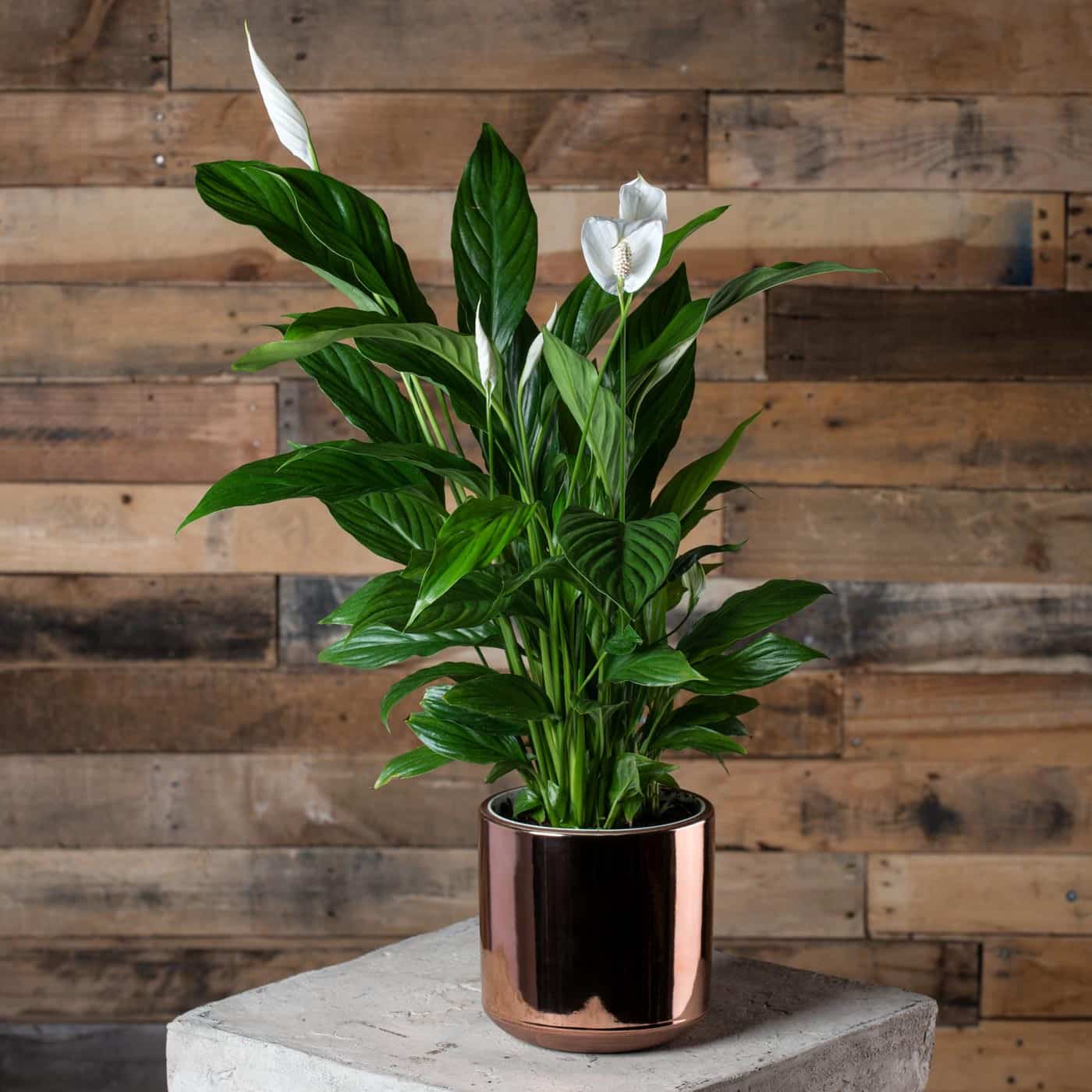
The peace lily is one of the few flowering houseplants that’s also a top-tier air purifier.
It filters out a wide range of toxins, including:
- Benzene (from furniture wax and polish)
- Trichloroethylene
- Toluene and xylene
- Acetone (from electronics, adhesives, and cleaners)
- Formaldehyde
The peace lily is also known for its gorgeous white blooms, which makes it a great decorative plant for living rooms and offices.
Care Tips:
-
Thrives in low to moderate light.
-
Keep soil consistently moist, but not waterlogged.
-
Mist the leaves to maintain humidity.
-
Remove spent blooms to encourage new growth.
Important: Peace lilies are toxic to pets, so place them on high shelves or out of reach of cats and dogs.
How to Maximize Air-Purifying Benefits from Indoor Plants
To get the most from your indoor air-purifying plants:
-
Use multiple plants in larger rooms for better results.
-
Dust leaves regularly, as dust buildup can block absorption of toxins.
-
Choose a variety of plants to tackle a wider range of pollutants.
-
Ensure proper air circulation to distribute the purified air evenly.
-
Avoid overwatering, which can lead to mold growth in the soil.
According to NASA, for maximum air purification, aim for at least one plant per 100 square feet of indoor space.
Air is vital—but often invisible. Unfortunately, so is the pollution we breathe every day.
While you may not be able to escape city smog or eliminate all indoor toxins, you can take control of your indoor environment with the help of nature’s built-in air filters: plants.
By adding these top five air-purifying houseplants to your home, you’re not just decorating your space—you’re actively improving your health, boosting your mood, and creating a cleaner, more vibrant environment for you and your family.
Give your lungs a break. Let nature do the cleaning.