If you’re struggling with poor sleep, nighttime allergies, or waking up feeling groggy, the solution might not be a new mattress or white noise machine—it might be a houseplant.
Certain indoor plants do more than add a touch of greenery to your space. Many air-purifying plants actively clean your indoor air, promote relaxation, and help you breathe better, especially while you sleep.
By placing the right plants next to your bed, you can improve your bedroom air quality, reduce pollutants, and enjoy deeper, more restorative sleep.
In this article, we’ll explore 10 powerful air-purifying plants that belong on your nightstand or beside your bed, backed by science and loved by indoor gardeners around the world.
Why Air-Purifying Plants Improve Sleep Quality
Indoor air can be filled with invisible pollutants such as formaldehyde, benzene, xylene, carbon monoxide, and volatile organic compounds (VOCs) from furniture, cleaning supplies, and synthetic fabrics.
When you breathe in these toxins while sleeping, they can disrupt your respiratory system, cause inflammation, and contribute to insomnia, headaches, and even allergies.
According to NASA’s Clean Air Study, many common houseplants are effective at removing these pollutants.
In addition, several plants increase oxygen levels and humidity in the room, making it easier to breathe and reducing issues like dry skin, snoring, or sinus irritation.
Benefits of Placing Plants in Your Bedroom
- Naturally purify the air of toxins
- Increase oxygen levels at night (certain plants)
- Reduce airborne dust and allergens
- Boost humidity for healthier skin and respiratory function
- Promote calmness and reduce stress
- Improve sleep onset and sleep quality
Not all plants are created equal, so here are the 10 best air-purifying plants to keep next to your bed.
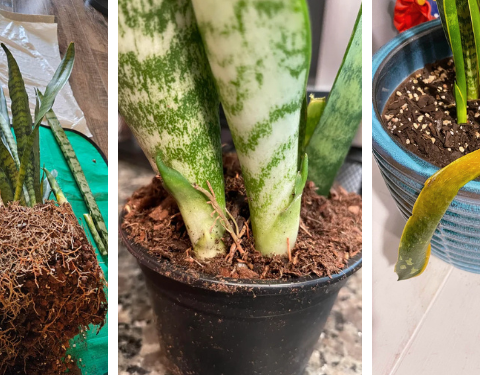
1. Snake Plant (Sansevieria trifasciata)
The snake plant, also known as mother-in-law’s tongue, is one of the best air-purifying plants for bedrooms. It’s incredibly low-maintenance and unique because it releases oxygen at night—a rare trait among plants.
Air-Purifying Power: Removes formaldehyde, benzene, xylene, and toluene from indoor air.
Why it’s great for sleep: Produces oxygen at night and improves air quality, promoting better breathing.
Care tips: Tolerates low light and infrequent watering. Perfect for beginners.
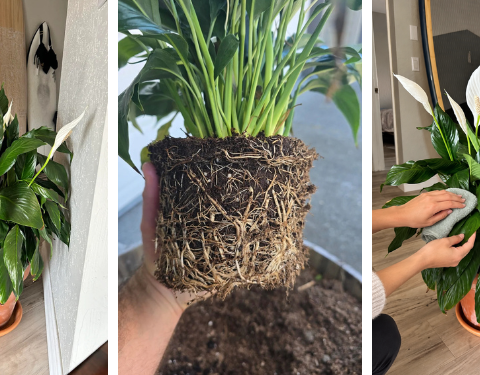
2. Peace Lily (Spathiphyllum)
Peace lilies are known for their beautiful white blooms and powerful air-cleaning abilities. They also help boost humidity levels in dry bedrooms, making them ideal for improving respiratory health.
Air-Purifying Power: Removes ammonia, formaldehyde, benzene, and trichloroethylene.
Why it’s great for sleep: Reduces airborne mold spores and increases humidity to ease dry sinuses.
Care tips: Prefers indirect sunlight and weekly watering. Keep out of reach of pets—peace lilies are toxic when ingested.
3. Lavender (Lavandula angustifolia)
Lavender is not only a calming herb but also a bedroom-friendly plant that soothes anxiety and supports better sleep through its natural fragrance.
Air-Purifying Power: While not a top purifier, lavender reduces indoor odors and contributes to a relaxing atmosphere.
Why it’s great for sleep: Its scent reduces heart rate and blood pressure, helping you fall asleep faster.
Care tips: Needs plenty of sunlight and good drainage. Perfect for windowsills.
4. Aloe Vera
Aloe vera is another rare plant that releases oxygen at night, improving air quality while you sleep. It also has healing properties and is a popular natural remedy for skin irritations.
Air-Purifying Power: Filters benzene and formaldehyde from the air.
Why it’s great for sleep: Produces nighttime oxygen and purifies the air, helping you breathe easier.
Care tips: Requires bright, indirect sunlight and infrequent watering.
5. Jasmine (Jasminum officinale)
Jasmine may not be the most powerful air filter, but it’s highly valued for its sweet, calming scent that’s been shown to improve sleep quality.
Air-Purifying Power: Limited air purification, but great at reducing stress and anxiety.
Why it’s great for sleep: Its fragrance acts as a natural sedative, lowering anxiety and enhancing deep sleep.
Care tips: Thrives in indirect sunlight and moist, well-draining soil.
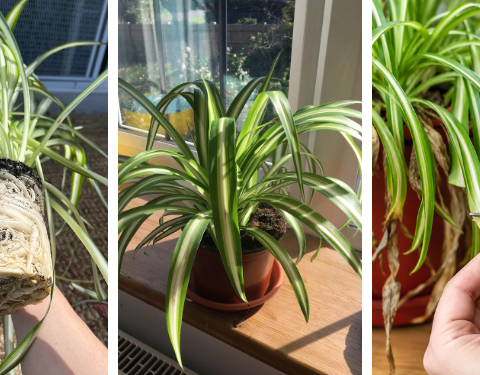
6. Spider Plant (Chlorophytum comosum)
Spider plants are efficient at cleaning the air and are safe for pets, making them one of the most bedroom-friendly houseplants available.
Air-Purifying Power: Removes carbon monoxide, formaldehyde, and xylene.
Why it’s great for sleep: Improves air quality and humidity, reducing nighttime congestion.
Care tips: Prefers bright, indirect light and regular watering.
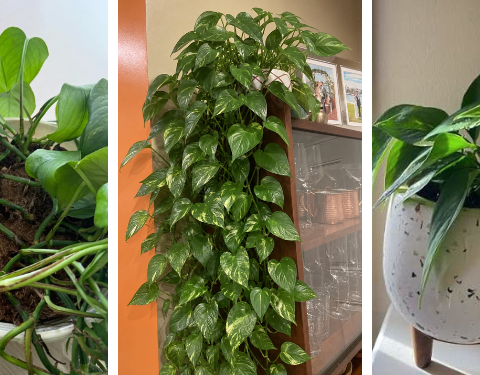
7. Golden Pothos (Epipremnum aureum)
Golden pothos is an attractive, trailing plant that removes toxins and is virtually impossible to kill. It grows well in low-light environments, including bedrooms.
Air-Purifying Power: Removes formaldehyde, benzene, and carbon monoxide.
Why it’s great for sleep: Helps purify stagnant indoor air and remove airborne toxins from your bedroom.
Care tips: Water every 1–2 weeks; tolerates low light. Toxic to pets if ingested.
8. Gerbera Daisy (Gerbera jamesonii)
Gerbera daisies are colorful and surprisingly effective at improving indoor air quality. They also release oxygen at night, aiding those with breathing issues or sleep apnea.
Air-Purifying Power: Removes trichloroethylene and benzene.
Why it’s great for sleep: Ideal for people with asthma or breathing problems due to its oxygen-boosting properties.
Care tips: Needs bright light during the day and consistent watering. Best for sunlit bedrooms.
9. Valerian (Valeriana officinalis)
Valerian is a flowering herb known for its sedative properties. The root is commonly used in herbal supplements for sleep, but the plant itself also emits a calming scent.
Air-Purifying Power: Limited purifying properties, but supports restful sleep through its fragrance.
Why it’s great for sleep: The aroma of valerian has been shown to induce deeper, more restful sleep.
Care tips: Requires full sun and frequent watering. Consider a sunny window spot.
10. Areca Palm (Dypsis lutescens)
The areca palm is one of the best natural humidifiers among houseplants. It not only removes toxins but also adds moisture to the air, making it ideal for dry bedrooms.
Air-Purifying Power: Eliminates airborne toxins like toluene and xylene.
Why it’s great for sleep: Improves air moisture and reduces irritation in the eyes, skin, and sinuses.
Care tips: Thrives in indirect light and prefers consistent, moderate watering.
How to Use Bedroom Plants for Maximum Benefit
- Place plants near your bed, such as on a nightstand or nearby shelf.
- Rotate plants regularly to ensure even light exposure.
- Clean leaves monthly to remove dust and support photosynthesis.
- Avoid overwatering, which can lead to mold or pests.
- Use a variety of plants to purify the air and add calming scents.
The environment in which you sleep plays a crucial role in the quality of rest you receive.
Adding air-purifying plants to your bedroom is one of the easiest, most natural ways to reduce toxins, promote relaxation, and improve sleep quality.
From oxygen-boosting aloe vera and snake plants to the calming scent of jasmine and lavender, these 10 plants can transform your bedroom into a sleep-friendly sanctuary.
Choose a few of your favorites, and start enjoying cleaner air and deeper sleep tonight.