Few things can ruin a relaxing evening outdoors faster than a swarm of mosquitoes.
These blood-sucking pests are not only annoying but can also pose serious health risks, transmitting diseases like West Nile virus, dengue, and Zika.
While chemical repellents may offer short-term relief, they often contain synthetic ingredients that can be harsh on the skin and harmful to the environment.
Luckily, nature provides a safer, greener alternative—certain plants that naturally repel mosquitoes.
These plants release aromatic oils and compounds that mosquitoes find unpleasant, making them a practical and beautiful solution to pest control.
In this article, we’ll explore 4 of the best mosquito-repellent plants that you can grow around your home, garden, patio, or balcony.
These plants not only help deter mosquitoes but also enhance your space with fragrance, color, and charm.
Why Use Plants to Repel Mosquitoes?
Mosquitoes rely on scent cues like carbon dioxide, body odor, and sweat to locate their hosts.
Certain plants emit strong natural fragrances—often due to essential oils like citronellal, linalool, and geraniol—that mask these cues or repel mosquitoes outright.
Benefits of using mosquito-repellent plants:
-
Natural and chemical-free pest control
-
Safe for children and pets (when using non-toxic varieties)
-
Visually appealing additions to your garden or home
-
Multi-functional (some are edible or medicinal)
These plants are effective when placed near doors, windows, patios, seating areas, and walkways—anywhere mosquitoes are likely to linger.
1. Citronella (Cymbopogon nardus or Cymbopogon winterianus)
Why It Works:
Citronella is arguably the most well-known natural mosquito repellent. The plant contains citronellal, a compound that masks scents mosquitoes use to locate people.
Many commercial bug sprays and candles use citronella oil as a key ingredient.
Plant Description:
-
Type: Tall, grass-like perennial
-
Height: 4–6 feet
-
Zones: 9–11 (grow as an annual or in containers elsewhere)
-
Light: Full sun
-
Soil: Well-drained
How to Use:
-
Crush the leaves to release oils and rub gently on skin (do a patch test first)
-
Plant in containers around patios, doorways, or garden borders
-
Cut and dry the leaves for DIY citronella sachets or sprays
Tip: Make sure you’re using the true citronella grass (Cymbopogon nardus or winterianus) and not citronella-scented geraniums, which look different and have milder effects.
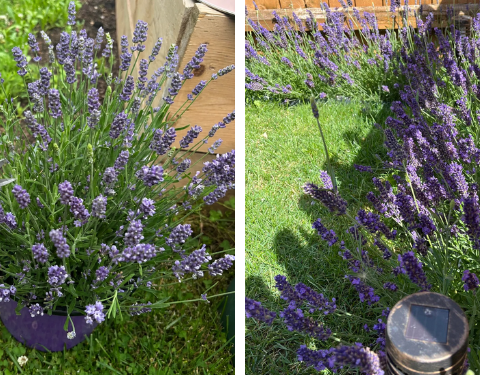
2. Lavender (Lavandula angustifolia)
Why It Works:
Lavender isn’t just beloved for its calming scent—it’s also disliked by mosquitoes, moths, and flies.
The plant contains linalool, a natural compound that disrupts a mosquito’s ability to detect prey.
Plant Description:
-
Type: Perennial herb
-
Height: 1–3 feet
-
Zones: 5–9
-
Light: Full sun
-
Soil: Well-draining, slightly alkaline
How to Use:
-
Plant around garden beds, seating areas, or in containers
-
Dry the flowers and place in closets, drawers, or outdoor furniture cushions
-
Make your own lavender spray with essential oil and water for skin or surfaces
Bonus: Lavender also promotes relaxation, improves sleep, and supports pollinators like bees and butterflies.
3. Lemongrass (Cymbopogon citratus)
Why It Works:
Closely related to citronella, lemongrass contains high levels of citronellal and geraniol—natural oils that mosquitoes avoid. Its bold, citrusy aroma creates a scent barrier that keeps pests away.
Plant Description:
-
Type: Tall, clumping grass
-
Height: 3–5 feet
-
Zones: 9–11 (or grow in pots elsewhere)
-
Light: Full sun
-
Soil: Moist, well-drained
How to Use:
-
Plant in containers around patios or walkways
-
Use fresh or dried lemongrass to make natural mosquito repellent sprays
-
Crush the stems to release oils and rub on skin (test for sensitivity first)
Culinary Bonus: Lemongrass is also used in Thai and Southeast Asian cooking, making it a delicious and functional addition to your herb garden.
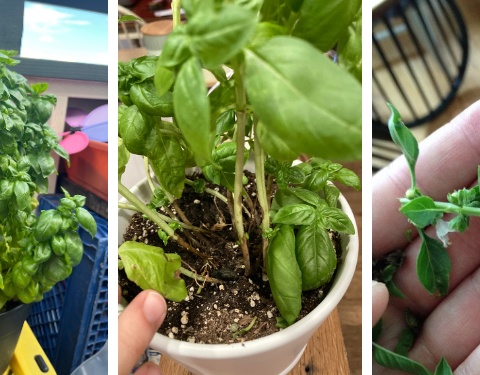
4. Basil (Ocimum basilicum)
Why It Works:
Basil is a versatile culinary herb with a strong scent that mosquitoes hate. It contains eugenol, a compound known to repel insects, along with citronellol and linalool.
Unlike some herbs, basil is effective without crushing the leaves—simply growing it nearby helps deter pests.
Plant Description:
-
Type: Annual herb
-
Height: 12–24 inches
-
Zones: Annual in most climates (perennial in zones 10–11)
-
Light: Full sun
-
Soil: Fertile, well-drained
How to Use:
-
Grow in pots on your porch, balcony, or kitchen windowsill
-
Add to your vegetable garden to protect tomatoes and peppers
-
Use leaves in cooking and rub gently on skin for natural protection
Try This: Lemon basil or cinnamon basil varieties are particularly effective and aromatic.
How to Maximize Mosquito-Repelling Results
While these plants are naturally effective at keeping mosquitoes at bay, strategic placement and maintenance are key. Here’s how to make the most of them:
1. Grow in High-Traffic Areas
Position plants near patio furniture, doorways, decks, windowsills, and walkways where mosquitoes are most likely to enter or bother you.
2. Crush the Leaves for Extra Power
Many of these plants release their mosquito-repelling oils only when the leaves are crushed or bruised, so don’t be afraid to give them a gentle rub when spending time outside.
3. Combine Multiple Plants
Use a combination of plants like basil, citronella, and lavender together to create a stronger scent barrier.
4. Prevent Standing Water
Plants help, but mosquitoes breed in standing water. Regularly empty plant saucers, birdbaths, buckets, and gutters to eliminate breeding sites.
5. Use Cuttings Indoors
Place cut sprigs of lavender, basil, or citronella inside your home in vases to continue protection indoors.
Mosquitoes are more than a nuisance—they’re a health risk.
Fortunately, these 4 mosquito-repellent plants—Citronella, Lavender, Lemongrass, and Basil—offer a natural and beautiful defense for your home and garden.
Whether you’re planting them directly in your yard, using pots on the patio, or making homemade sprays, these plants are a low-maintenance way to enjoy the outdoors without the constant buzz and bites.
By choosing natural solutions, you’re creating a healthier environment for your family, reducing your reliance on chemical repellents, and transforming your space into a relaxing, mosquito-free zone.