In the world of pollinators, bees are often celebrated for their tireless work ethic. From flower to flower, they buzz from dawn to dusk, pollinating over 70% of the crops that feed us. But did you know that some bees sleep inside flowers?
Yes, it’s true – and it’s every bit as cute as it sounds.
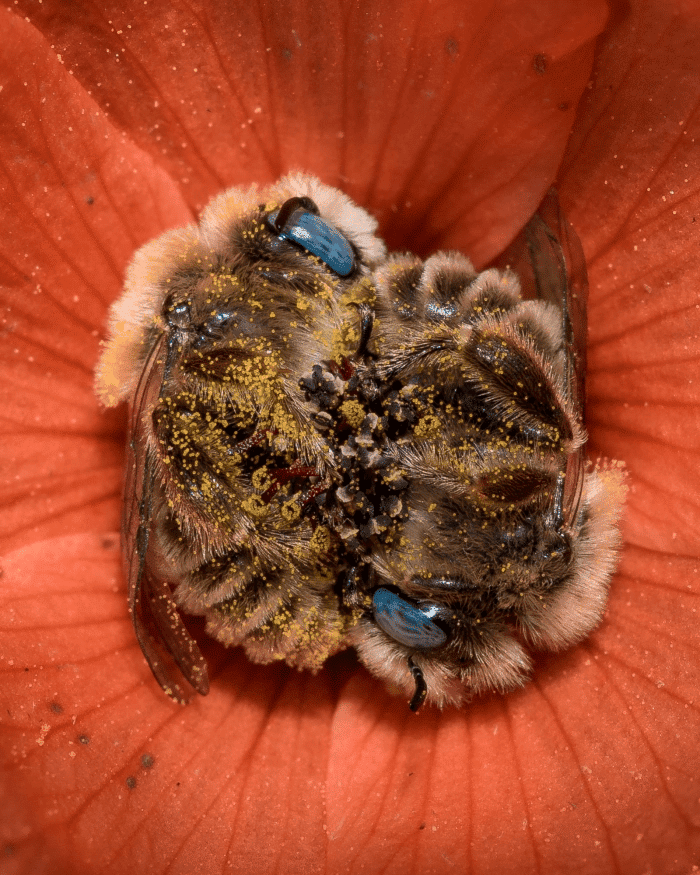
These tiny pollinators, covered in golden pollen, often curl up inside soft blooms to catch some rest.
It’s one of nature’s most charming secrets and a powerful reminder of how deeply connected pollinators are to the plant world.
In this article, we’ll explore why bees sleep in flowers, which species do it, and how this behavior benefits both the bees and the environment.
Why Do Bees Sleep in Flowers?
Just like humans, bees need sleep to function properly. On average, a bee will sleep anywhere from five to eight hours a day, depending on its age and role in the colony.
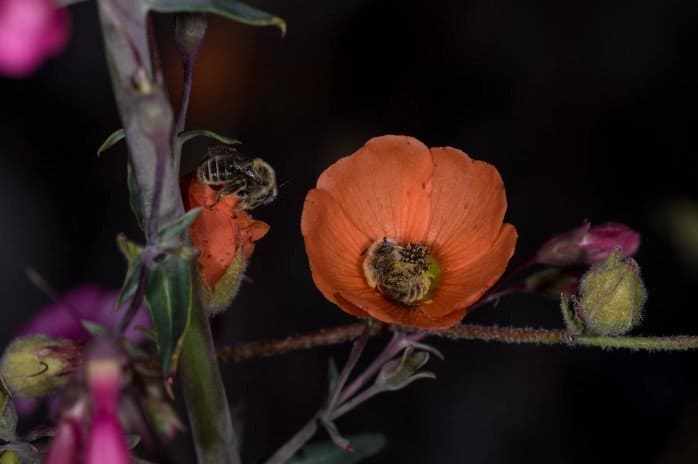
But while honey bees usually return to the hive to rest, solitary bees often find refuge inside flowers.
Reasons Bees Sleep in Flowers:
-
Shelter: Flowers provide a cozy, protected space away from predators and bad weather.
-
Temperature Regulation: Flowers retain warmth and shield bees from the cold night air.
-
Convenience: After a long day of foraging, it’s easier to bed down near a food source than fly back to the nest.
-
Camouflage: Nestling in brightly colored petals makes them harder for predators to spot.
Sleeping in a flower also offers a surprising bonus: the lingering scent of pollen and nectar may help mask the bee’s presence from predators.
What Types of Bees Sleep in Flowers?
While we tend to think of bees as hive dwellers, the majority of bee species on Earth are actually solitary bees. These bees don’t live in colonies or make honey. Instead, each female builds her own nest and takes care of her young alone.
Many of these solitary bees, especially males, are known to nap inside flowers.
Bees Known to Sleep in Flowers:
-
Long-horned Bees (Genus: Melissodes)
Male long-horned bees are frequently photographed snoozing inside asters, sunflowers, and blanket flowers. -
Leafcutter Bees (Genus: Megachile)
Solitary and hard-working, leafcutter bees will often rest between flower petals. -
Squash Bees (Genus: Peponapis)
These bees are active in the early morning and often sleep in squash blossoms after a full day of pollination. -
Cuckoo Bees (Various genera)
These bees, which lay eggs in the nests of others, are also solitary and have been spotted resting in flowers.
In most cases, it’s the male bees doing the flower-napping. Female solitary bees typically return to their nesting site — often in the ground, hollow stems, or wood cavities — to rest and lay eggs.
What Does a Sleeping Bee Look Like?
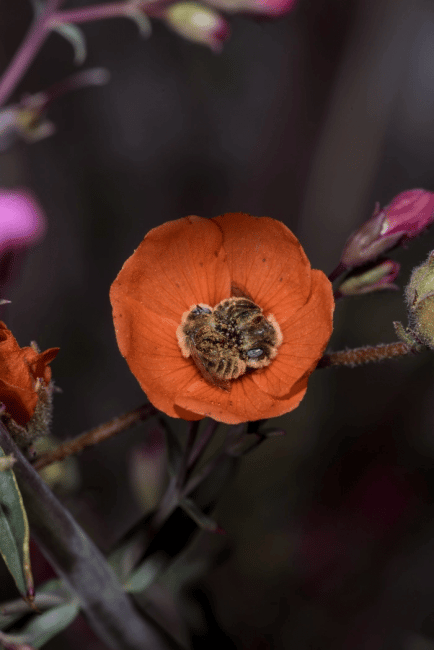
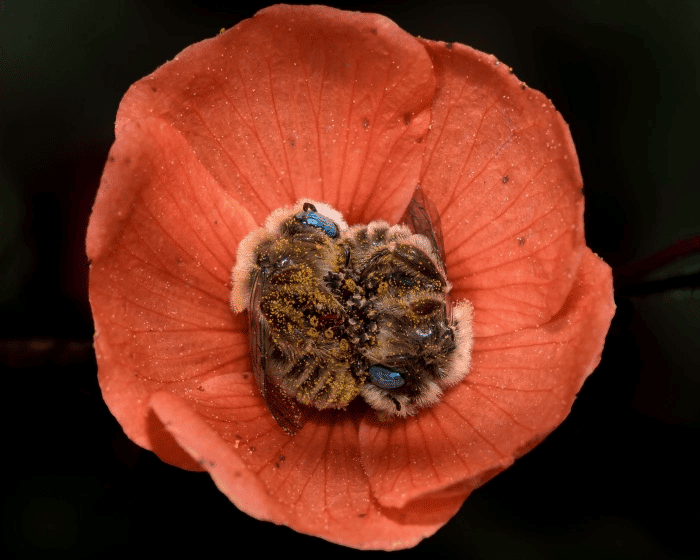
When bees sleep, they look surprisingly peaceful — and adorable. Their antennae droop, their legs relax, and some even curl around the inner curve of the petals.
You might even spot them clutching a stamen or petal with their mandibles to stay securely in place.
They’re completely motionless, often covered in pollen, and perfectly camouflaged within the bloom.
Tip: Early morning or late evening is the best time to spot sleeping bees, especially in daisy-like flowers such as blanket flowers (Gaillardia), coreopsis, zinnias, and cosmos.
How Sleeping in Flowers Helps the Environment
This adorable behavior isn’t just cute — it’s also ecologically beneficial.
1. Boosts Pollination
Bees that sleep in flowers are more likely to return to the same bloom or plant species the next morning, increasing the chance of effective pollination.
2. Supports Flower Reproduction
By spending prolonged time inside the flower, bees inadvertently transfer more pollen, helping with fertilization and the development of fruit and seeds.
3. Promotes Biodiversity
Solitary bees contribute to pollination in ways that honey bees can’t, helping to preserve native plant species and overall ecosystem health.
How to Attract Sleeping Bees to Your Garden
If you love the idea of seeing a fuzzy little bee snoozing in your blooms, you can create a pollinator-friendly garden that supports both feeding and resting behaviors.
Tips to Attract and Support Sleeping Bees:
-
Grow native wildflowers like blanket flowers, black-eyed Susans, coneflowers, and cosmos.
-
Plant daisy-type blooms with flat or cup-shaped heads where bees can land and rest.
-
Let your garden grow wild — avoid over-trimming or removing dead flower heads too early.
-
Avoid pesticides, which harm bee populations and disrupt their natural behaviors.
-
Provide bare ground or bee hotels for nesting — solitary bees often need soil or small crevices for laying eggs.
-
Plant squash or pumpkin flowers, which are favorite nap spots for squash bees.
By creating a bee-friendly space, you’re not only increasing your chances of spotting a sleeping bee — you’re also helping to protect essential pollinators and support biodiversity.
Fascinating Bee Sleep Facts
-
Bees enter a sleep-like state where their nervous system activity slows, and they become less responsive to stimuli.
-
Like humans, bees experience sleep cycles — and depriving them of sleep can affect memory and cognitive function.
-
Studies show that sleep-deprived bees have trouble navigating and performing complex tasks.
Even in the insect world, rest is essential for survival.
Bees that sleep in flowers offer one of the most heartwarming glimpses into the secret life of pollinators.
These tiny creatures, so vital to our food system and ecosystem, show that even the busiest workers in nature need to rest.