If you’ve never heard of cucamelons, you’re not alone — but you’re in for a treat. These grape-sized fruits look like tiny watermelons and taste like a refreshing mix of cucumber and lime.
Also known as Mexican sour gherkins or mouse melons, cucamelons (Melothria scabra) are a unique addition to any home garden.
Despite their exotic appearance, cucamelons are easy to grow, resistant to many common pests, and incredibly productive.
In this guide, we’ll cover everything you need to know about growing cucamelons — from planting to harvest — plus some tips on how to use them in your kitchen.
What Are Cucamelons?
Cucamelons are native to Mexico and Central America, where they’ve been grown for centuries. Technically not a true cucumber, these vining plants belong to the cucumber family but are a separate species.
Each fruit grows to about the size of a grape (1–2 inches long) and features a distinctive green-and-white watermelon-like pattern.
The flavor is where cucamelons really shine: crisp like a cucumber with a hint of citrus tang, making them perfect for snacking, salads, pickling, or even cocktails.
Benefits of Growing Cucamelons
Cucamelons offer more than just novelty — they’re packed with practical advantages too:
-
Heat-tolerant and drought-resistant
-
Naturally pest-resistant (especially to cucumber beetles)
-
Vigorous climbers that grow well vertically
-
Long fruiting season (from mid-summer to frost)
-
Attractive to pollinators but resistant to most diseases
For gardeners looking to diversify their crops or find low-maintenance plants with high yields, cucamelons are an ideal choice.
How to Grow Cucamelons
1. When to Plant
Cucamelons are warm-season crops. Start seeds indoors about 4–6 weeks before your last expected frost date.
Like cucumbers, they don’t tolerate cold, so don’t transplant them outdoors until the soil has warmed and nighttime temperatures consistently stay above 50°F (10°C).
2. Starting Seeds Indoors
Use small seed trays or pots filled with a well-draining seed-starting mix. Sow seeds about ½ inch deep and keep the soil moist but not soggy.
Place the trays in a warm, bright spot — a heat mat can help speed germination, which typically takes 7–14 days.
Once seedlings have developed two sets of true leaves, they can be hardened off and transplanted into the garden or larger containers.
3. Where to Plant Cucamelons
Cucamelons love full sun, so choose a location that receives at least 6–8 hours of direct sunlight daily.
They also require support to climb, so install a trellis, fence, or vertical structure for them to grow on.
Good air circulation is essential to prevent fungal issues. Keep plants well-spaced and avoid crowding them with other vining crops.
4. Soil Preparation
Cucamelons thrive in well-drained, fertile soil with a slightly acidic to neutral pH (around 6.0–7.0).
Before planting, enrich your soil with compost or well-rotted manure to ensure plenty of nutrients throughout the growing season.
If you’re growing cucamelons in containers, use a quality potting mix and a large pot (at least 12 inches deep) with drainage holes.
Planting Cucamelons in the Garden
Once danger of frost has passed, transplant your cucamelon seedlings into the garden. Space plants 12 inches apart and water them in thoroughly.
As vines grow, gently guide them up a trellis or support system. Cucamelons are natural climbers and will latch on easily with their thin tendrils.
Caring for Cucamelon Plants
1. Watering
Keep soil evenly moist, especially during flowering and fruiting. Avoid overwatering, which can lead to root rot or fungal issues. A layer of mulch around the base of the plants helps retain moisture and suppress weeds.
2. Feeding
Fertilize cucamelons every 2–3 weeks with a balanced organic fertilizer or compost tea. Avoid nitrogen-heavy fertilizers, which may promote leaf growth over fruit production.
3. Pests and Diseases
One of the greatest perks of growing cucamelons is that they are naturally resistant to most pests and diseases.
Cucumber beetles and powdery mildew, which often plague cucumber plants, are rarely an issue with cucamelons.
However, you should still practice good garden hygiene:
-
Rotate crops each year
-
Provide proper air circulation
-
Water at the base of the plant to prevent moisture on leaves
Flowering and Pollination
Cucamelons produce both male and female flowers on the same plant (monoecious). Pollination is usually handled by bees, but you can hand-pollinate using a small brush if needed.
Once flowers are pollinated, the tiny fruits form quickly and are ready to harvest within 10–14 days.
Harvesting Cucamelons
Cucamelons are typically ready to pick when they’re about the size of a grape — around 1 inch long. Harvesting regularly encourages the plant to keep producing.
Don’t let fruits stay on the vine too long, or they can become tough and seedy. A gentle tug is often enough to snap ripe cucamelons off the vine.
Pro Tip: Harvest every 2–3 days during peak production to enjoy the best flavor and texture.
Saving Seeds for Next Season
Cucamelons are open-pollinated and self-fertile, so you can easily save seeds.
To do so:
-
Let a few fruits ripen fully on the vine until they turn soft and yellow.
-
Scoop out the seeds and place them in water for 3–4 days to ferment.
-
Rinse thoroughly and allow them to dry completely before storing in a cool, dry place.
Properly stored seeds remain viable for 4–5 years.
Culinary Uses for Cucamelons
Cucamelons are as versatile in the kitchen as they are in the garden.
Here are a few ways to enjoy them:
-
Fresh Snacks: Eat raw, straight off the vine
-
Salads: Add to green or grain salads for a crisp, tangy crunch
-
Pickled: Perfect for refrigerator pickles or fermented with herbs and spices
-
Cocktails: Add to gin and tonics, mojitos, or Bloody Marys for a refreshing twist
-
Salsas: Dice with tomatoes, onion, cilantro, and lime for a zesty salsa
Their cucumber-lime flavor makes them an excellent substitute for cucumbers in most recipes.
Companion Plants for Cucamelons
Cucamelons benefit from growing near certain companion plants, such as:
-
Beans (help fix nitrogen in soil)
-
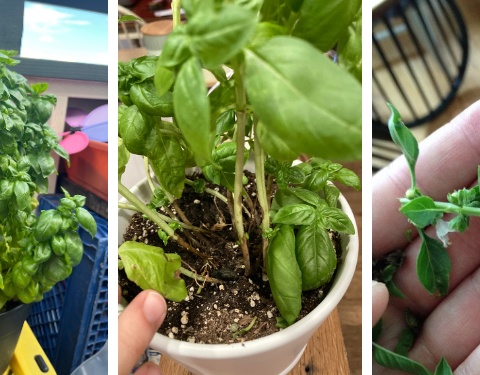
Basil (repels pests and enhances flavor)
-
Nasturtiums (attract aphids away from cucamelons)
-
Marigolds (deter nematodes and beetles)
Avoid planting near other vigorous vines like squash or pumpkins, as they may compete for space and nutrients.
Cucamelons might be small, but they deliver big rewards in terms of taste, ease of care, and garden charm.
Their unique appearance is a conversation starter, and their refreshing flavor makes them a standout in warm-weather recipes.
Whether you’re an experienced gardener or just starting out, cucamelons are an easy and rewarding plant to grow.
With minimal care and plenty of visual appeal, they’re perfect for urban gardens, raised beds, vertical trellises, or even container growing on balconies and patios.