Did you know that the air inside your home can be more polluted than the air outside?
Everyday household items—like cleaning supplies, paints, synthetic furniture, and even carpets—release harmful chemicals such as formaldehyde, benzene, xylene, and trichloroethylene into the air.
These volatile organic compounds (VOCs) can negatively affect your health, especially over time.
Fortunately, nature offers a simple, beautiful, and cost-effective solution: houseplants that naturally purify indoor air.
NASA’s Clean Air Study, along with other research, has proven that certain plants can remove airborne toxins, improve oxygen levels, and increase overall indoor air quality.
Even better, many of these air-purifying plants are low-maintenance and perfect for beginners.
Here are 10 easy houseplants that absorb toxins from the air, helping you breathe cleaner, healthier air—without lifting a finger.
1. Spider Plant (Chlorophytum comosum)
One of the most popular and easy-to-care-for houseplants, the spider plant is highly effective at removing pollutants like carbon monoxide, formaldehyde, and xylene.
-
Best for beginners: Yes – very low maintenance
-
Light: Bright, indirect light
-
Water: Once a week
-
Air toxins removed: Formaldehyde, carbon monoxide, xylene
Spider plants also produce “babies” or offshoots, which you can replant to multiply their air-purifying benefits throughout your home.
2. Snake Plant (Sansevieria trifasciata)
Also known as Mother-in-Law’s Tongue, the snake plant is nearly indestructible and one of the best air-purifying plants. It converts CO₂ into oxygen at night, making it ideal for bedrooms.
-
Best for beginners: Yes
-
Light: Tolerates low light
-
Water: Every 2–3 weeks
-
Air toxins removed: Benzene, formaldehyde, trichloroethylene
Its upright, architectural leaves also add a modern flair to any interior space.
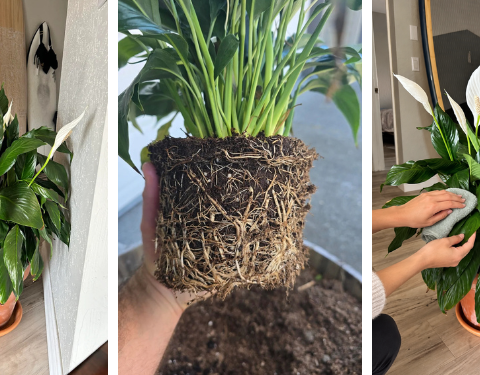
3. Peace Lily (Spathiphyllum)
The elegant peace lily is not only beautiful with its glossy leaves and white blooms, but it’s also powerful at removing indoor pollutants. It’s one of NASA’s top-rated plants for air purification.
-
Best for beginners: Yes
-
Light: Indirect sunlight
-
Water: Weekly, or when the topsoil feels dry
-
Air toxins removed: Formaldehyde, benzene, trichloroethylene, ammonia
Peace lilies also help control mold spores in the air, making them great for bathrooms and humid areas.
4. Aloe Vera (Aloe barbadensis miller)
Famous for its healing gel, aloe vera also works hard to clean the air of formaldehyde and benzene, often found in cleaning agents and paints.
-
Best for beginners: Yes
-
Light: Bright, indirect sunlight
-
Water: Every 2–3 weeks; let soil dry out
-
Air toxins removed: Formaldehyde, benzene
Bonus: You can break off a leaf and use the gel for minor burns, dry skin, or sunburn relief.
5. Boston Fern (Nephrolepis exaltata)
This lush, frilly fern is a natural humidifier that’s especially effective at removing formaldehyde and xylene from indoor air.
-
Best for beginners: Moderate care
-
Light: Indirect light
-
Water: Keep soil moist; mist regularly
-
Air toxins removed: Formaldehyde, xylene
Boston ferns thrive in bathrooms or kitchens where humidity is naturally higher.
6. Areca Palm (Dypsis lutescens)
Also known as the Butterfly Palm, this tropical beauty not only purifies the air but also adds humidity to dry indoor environments—perfect for winter months.
-
Best for beginners: Yes
-
Light: Bright, indirect light
-
Water: Weekly
-
Air toxins removed: Formaldehyde, benzene, carbon monoxide
The Areca palm can grow up to 6–7 feet indoors and brings a breezy, tropical vibe to your space.
7. Rubber Plant (Ficus elastica)
The rubber plant is known for its thick, shiny leaves and air-cleaning abilities. It’s particularly good at eliminating formaldehyde, which is common in household furniture and carpeting.
-
Best for beginners: Yes
-
Light: Bright, indirect light
-
Water: Let soil dry between waterings
-
Air toxins removed: Formaldehyde
Rubber plants are also relatively pest-resistant and grow well in average indoor conditions.
8. Pothos (Epipremnum aureum)
Often called “Devil’s Ivy,” pothos is a fast-growing vine with heart-shaped leaves. It’s one of the easiest houseplants to grow and does a great job of removing toxins.
-
Best for beginners: Yes
-
Light: Low to bright indirect light
-
Water: Every 1–2 weeks
-
Air toxins removed: Benzene, formaldehyde, xylene
Let it trail from a hanging basket or train it along a trellis or shelf for maximum effect.
9. Dracaena (Dracaena spp.)
There are over 40 varieties of Dracaena, and many are highly effective air purifiers. These plants are known for their sword-like leaves and architectural form.
-
Best for beginners: Yes, though sensitive to overwatering
-
Light: Low to medium light
-
Water: Every 10–14 days
-
Air toxins removed: Benzene, formaldehyde, trichloroethylene
Dracaena is also known for improving humidity, making it beneficial for skin and respiratory health.
10. English Ivy (Hedera helix)
English Ivy is a popular plant known for its trailing vines and strong ability to remove airborne mold, making it ideal for allergy sufferers.
-
Best for beginners: Moderate care
-
Light: Bright, indirect light
-
Water: Keep soil moist; mist regularly
-
Air toxins removed: Benzene, formaldehyde, mold spores
Grow it in a hanging pot or let it climb a trellis for an elegant touch in any room.
Why Clean Air Matters Indoors
Indoor air pollution is often invisible—but that doesn’t make it harmless.
Poor indoor air quality has been linked to:
-
Headaches
-
Fatigue
-
Allergies and respiratory issues
-
Poor sleep
-
Weakened immune function
By incorporating these air-purifying houseplants, you’re taking a natural step toward healthier living.
Plus, studies show that indoor plants can reduce stress, increase focus, and boost productivity—making them beneficial for home and office settings alike.
Houseplants are more than just home décor—they’re natural air purifiers that silently work to improve your indoor environment.
Whether you’re looking to eliminate toxins, reduce stress, or simply brighten your living space, these 10 easy-to-grow houseplants are perfect for the job.