When it comes to enhancing your indoor environment, few things are as powerful—and as natural—as houseplants.
Not only do they beautify your space, but many indoor plants actively purify the air, reduce stress, and even help you sleep better.
But did you know that only a select few plants release oxygen at night?
Most plants absorb carbon dioxide and release oxygen during the day through photosynthesis. However, at night, they reverse this process, absorbing oxygen and releasing carbon dioxide.
Fortunately, a unique group of plants continues to release oxygen even in the dark, thanks to a special adaptation called Crassulacean Acid Metabolism (CAM) photosynthesis.
These oxygen-generating plants are perfect for bedrooms and small spaces because they improve air quality while you sleep.
In this article, we’ll introduce you to three powerful oxygen-releasing plants you can keep in your bedroom—and why you’ll want to get at least one of them today.
Why Oxygen at Night Matters
Your bedroom is where you spend 6–8 hours every night, and indoor air quality during this time is crucial.
Poor air can lead to:
-
Headaches
-
Restless sleep
-
Fatigue
-
Dry throat and nasal passages
-
Aggravated allergies or asthma
By placing a plant that produces oxygen at night near your bed, you create a natural air-purifying system that supports better breathing, deeper sleep, and a healthier living environment.
Let’s explore the top three bedroom-friendly oxygen plants.
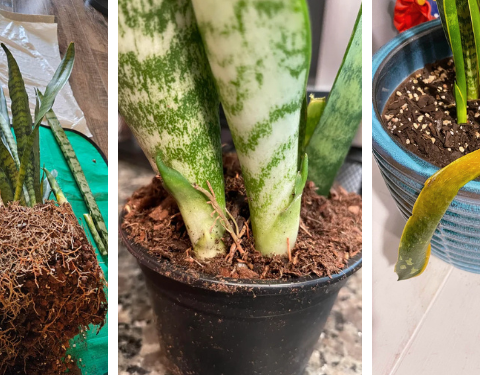
1. Snake Plant (Sansevieria trifasciata)
Also known as: Mother-in-Law’s Tongue
Highlights:
-
Produces oxygen 24/7
-
Extremely low-maintenance
-
Removes harmful toxins like formaldehyde and benzene
-
Grows well in low light and dry conditions
The snake plant is one of the most effective houseplants for filtering indoor air and generating oxygen at night.
It’s a CAM plant, meaning it continues its oxygen-releasing photosynthesis even when it’s dark, making it perfect for bedrooms.
According to NASA’s Clean Air Study, the snake plant is also one of the best air-purifying plants, removing toxins such as:
-
Formaldehyde
-
Xylene
-
Toluene
-
Benzene
How to Care for a Snake Plant:
-
Light: Tolerates low light, prefers indirect sunlight
-
Water: Water once every 2–3 weeks (let soil dry between waterings)
-
Humidity: Tolerant of dry indoor air
-
Toxicity: Mildly toxic to pets if ingested
Why it’s perfect for the bedroom: It not only releases oxygen at night but also adds a sleek, modern look to any room with its upright, sword-like leaves. Ideal for busy or beginner plant owners.
2. Aloe Vera (Aloe barbadensis miller)
Highlights:
-
Nighttime oxygen production
-
Natural healing plant for burns and cuts
-
Improves indoor air quality
-
Minimal care required
Aloe vera is another CAM plant that continues to release oxygen during the nighttime hours.
In addition to its air-purifying abilities, aloe vera is valued for its medicinal properties—the gel inside its leaves is commonly used to treat:
-
Minor burns
-
Cuts and scrapes
-
Skin irritation
It’s also on NASA’s list of air-purifying plants and is known to remove formaldehyde and benzene, which are often found in household cleaners and synthetic materials.
How to Care for Aloe Vera:
-
Light: Bright, indirect light or direct sunlight
-
Water: Water sparingly; let soil dry completely between waterings
-
Humidity: Prefers dry environments
-
Toxicity: Toxic to pets if ingested
Why it’s perfect for the bedroom: Compact and useful, aloe vera fits nicely on a sunny windowsill or nightstand. Its air-purifying and oxygen-generating qualities make it a double win for improving sleep and indoor air.
3. Areca Palm (Dypsis lutescens)
Also known as: Butterfly Palm or Golden Cane Palm
Highlights:
-
Excellent humidifier and oxygen generator
-
Removes air toxins like xylene and toluene
-
Adds a tropical aesthetic to your bedroom
-
Safe for pets
The Areca Palm is a lush, elegant indoor palm that not only releases oxygen during the day and night but also acts as a natural humidifier, making it especially useful during dry winter months or in air-conditioned rooms.
It is a non-toxic plant, safe for both cats and dogs, and it has the capacity to increase indoor humidity by releasing moisture into the air through transpiration.
How to Care for Areca Palm:
-
Light: Prefers bright, filtered light
-
Water: Keep soil evenly moist but not soggy
-
Humidity: Benefits from moderate to high humidity
-
Toxicity: Non-toxic to pets
Why it’s perfect for the bedroom: It helps with dry skin, nose irritation, and breathing issues by humidifying the air. Combined with its oxygen-releasing properties, it’s one of the best plants to keep in your sleeping space for healthier air.
Additional Tips for Bedroom Plants
-
Don’t overcrowd: One or two oxygenating plants are enough for most bedrooms.
-
Clean the leaves: Dust buildup reduces the plant’s ability to photosynthesize.
-
Use breathable pots: Terracotta or clay pots help prevent overwatering.
-
Watch humidity levels: Some plants may increase humidity, which is beneficial in dry climates but may not be ideal in humid environments.
Adding just one of these oxygen-producing plants to your bedroom can make a noticeable difference in air quality, sleep, and overall well-being.
The snake plant, aloe vera, and areca palm are not only beautiful and low-maintenance—they’re also functional, filtering air pollutants and producing oxygen even while you sleep.
By making this small change, you’re turning your bedroom into a healthier, more peaceful sanctuary—naturally.