If you want to design a unique and visually striking garden that stands out from traditional flower beds, then a rock garden might be the perfect choice for you!
Rock gardens are not only stunning, but they also require minimal upkeep, making them an excellent option for busy gardeners or those who prefer a low-maintenance landscape.
Today, we’ll explore beautiful small rock garden ideas, their benefits, and how you can create one in your own yard.
Why Choose a Rock Garden?
Unlike conventional flower beds that demand constant watering, pruning, and replanting, rock gardens offer a durable and long-lasting alternative.
Here’s why they are a fantastic addition to any outdoor space:
Low Maintenance – Rocks don’t require watering, trimming, or fertilizing, making them an ideal choice for a busy lifestyle.
Weather Resistant – Unlike plants that may wither in harsh weather, rocks remain unaffected by rain, snow, and sunlight.
Durable & Long-Lasting – Rocks do not decay or attract pests, unlike wood or organic mulch.
Adds Texture & Contrast – The combination of stones, pebbles, and drought-tolerant plants creates an eye-catching landscape.
Water-Conserving – A rock garden is perfect for drought-prone areas, as it requires less water than traditional lawns or flower beds.
How to Create a Small Rock Garden: Step-by-Step Guide
Even if you have a small outdoor space, you can design a charming rock garden with a few simple steps:
1. Choose the Right Location
- Look for an area that gets plenty of sunlight—most rock garden plants thrive in full sun.
- Ensure the spot has well-draining soil to prevent water from accumulating around the rocks.
2. Plan the Layout
- Decide on a theme: Some gardens have a zen, desert, alpine, or modern look—choose what fits your space best!
- Draw a rough sketch to visualize how you want your rocks and plants to be arranged.
3. Select Your Rocks
- Use a mix of large boulders, medium-sized stones, and pebbles for contrast.
- Choose natural rocks like limestone, slate, granite, or sandstone to give a rustic, organic feel.
- Pro Tip: Place larger rocks first and build around them with smaller stones for a natural look.
4. Prepare the Ground
- Clear out any grass, weeds, or debris from the selected area.
- If necessary, lay landscape fabric to prevent weeds from growing.
- Add a layer of gravel or sand for better drainage.
5. Arrange the Rocks
- Start by placing the largest rocks first to serve as the foundation.
- Position medium-sized stones and fill gaps with small pebbles or crushed gravel.
- Create height and depth by stacking rocks or forming small mounds.
6. Choose Drought-Tolerant Plants
Since rock gardens don’t hold moisture like regular soil, select hardy, low-maintenance plants that thrive in dry conditions.
Some great choices include:
- Succulents – Aloe Vera, Echeveria, Hens and Chicks, Stonecrop
- Cacti – Golden Barrel Cactus, Prickly Pear, Agave
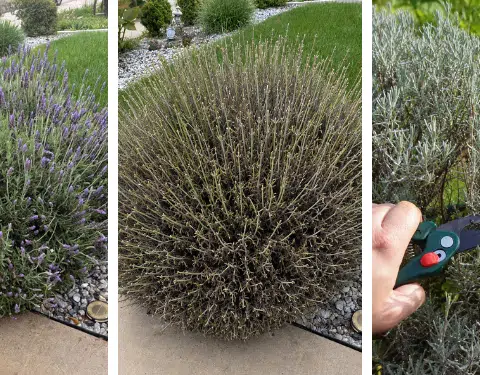
- Perennials – Lavender, Yarrow, Black-Eyed Susan, Coneflowers
- Ornamental Grasses – Blue Fescue, Fountain Grass, Japanese Blood Grass
- Ground Covers – Creeping Thyme, Sedum, Ice Plant
7. Add Finishing Touches
- Use mulch, moss, or decorative gravel to fill in spaces.
- Add stepping stones or a small pathway for a functional touch.
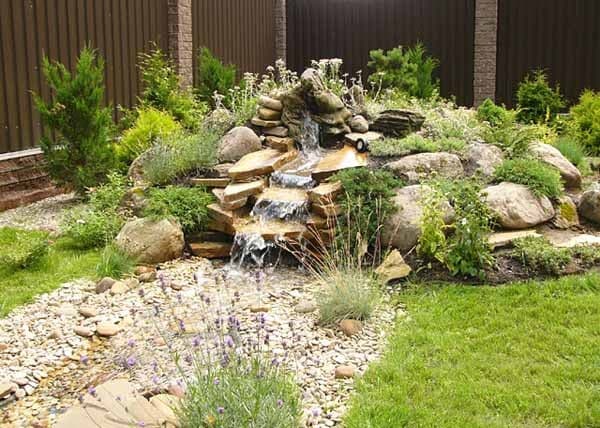
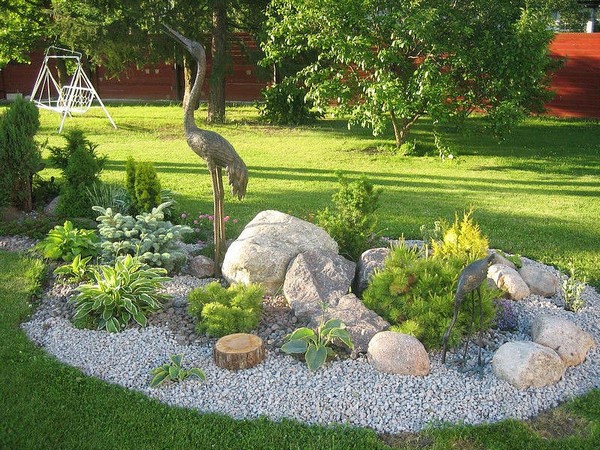
- Incorporate a small water feature, driftwood, or statues for extra charm.
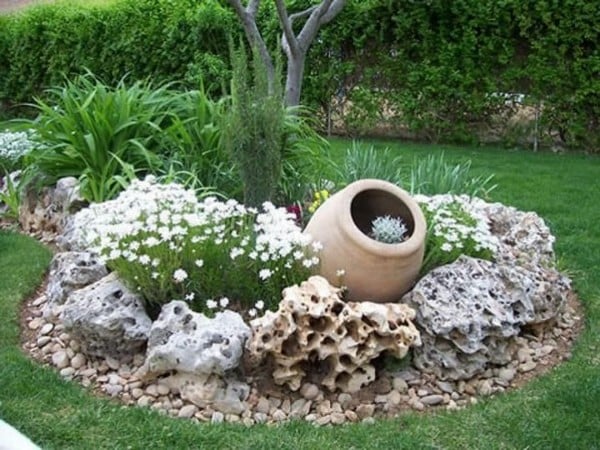
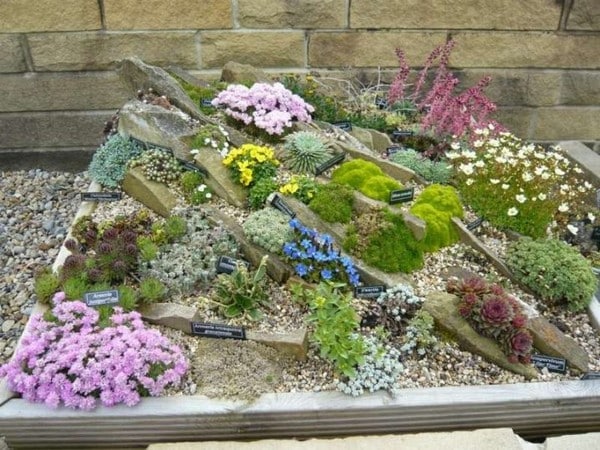
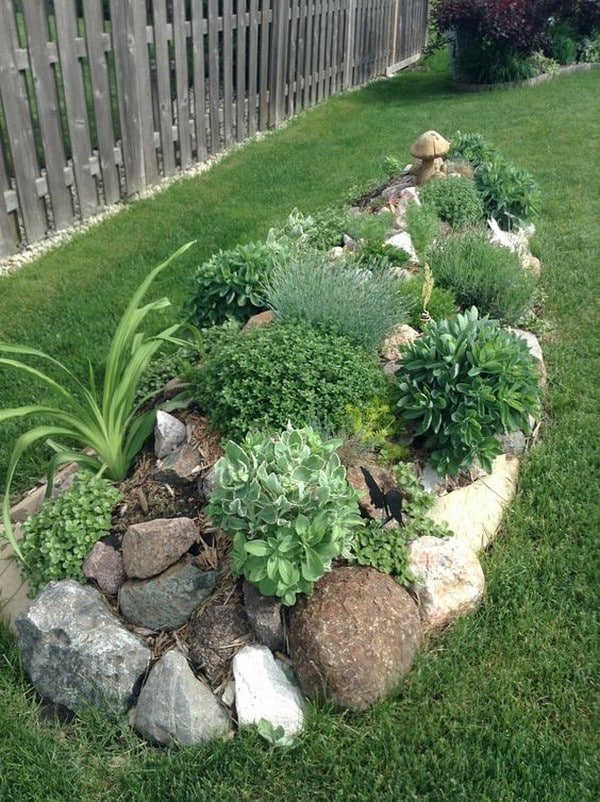
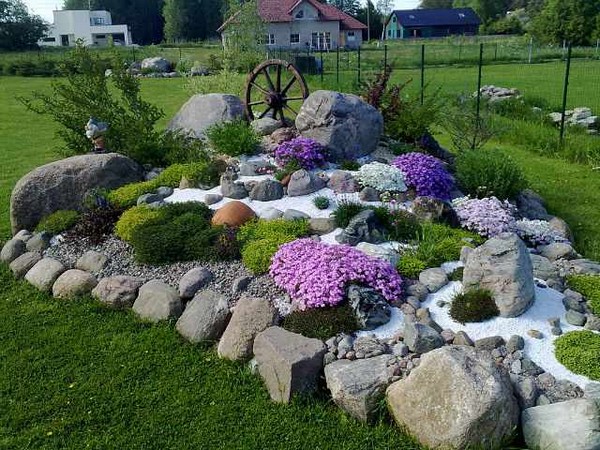
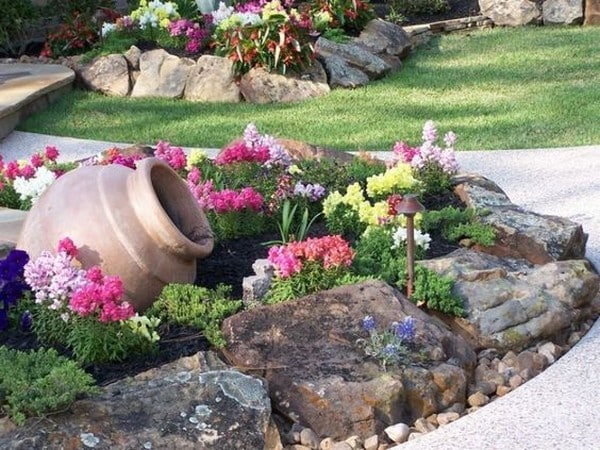
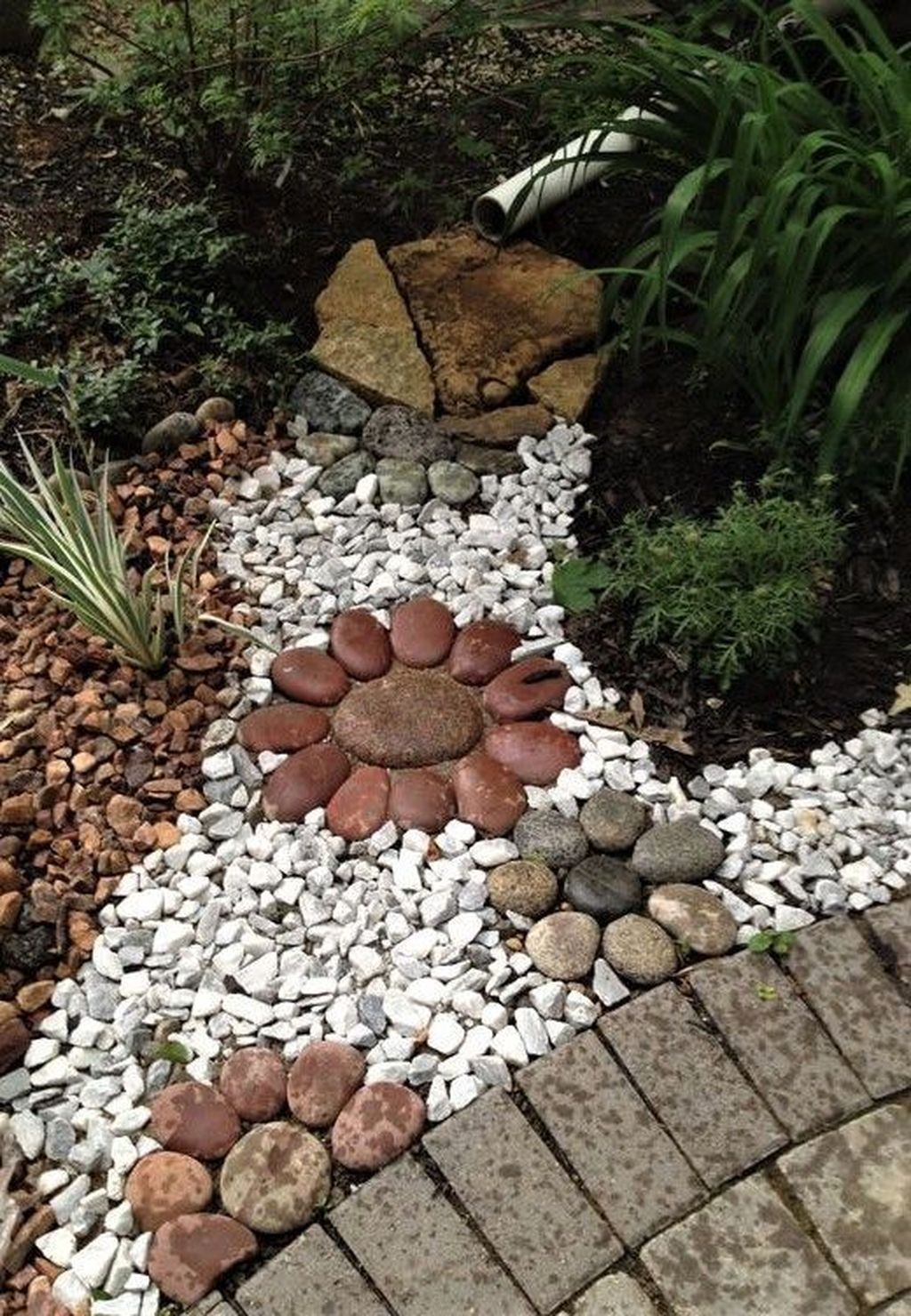
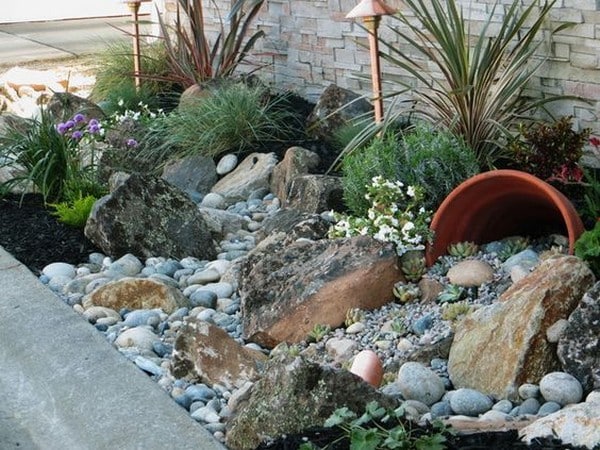
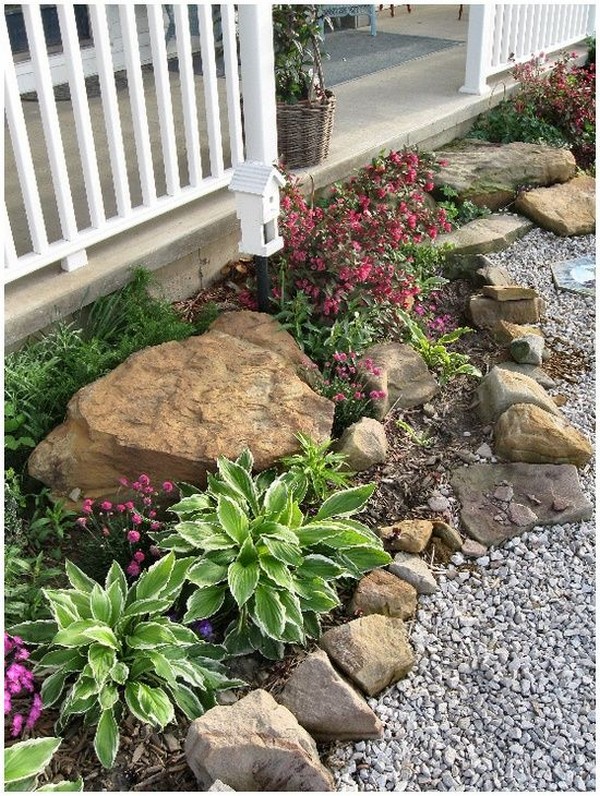
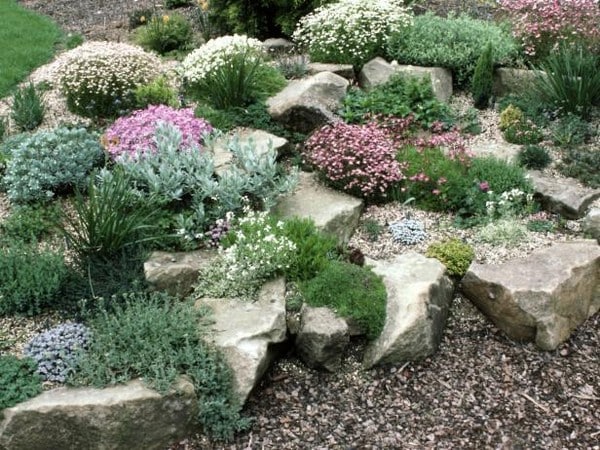
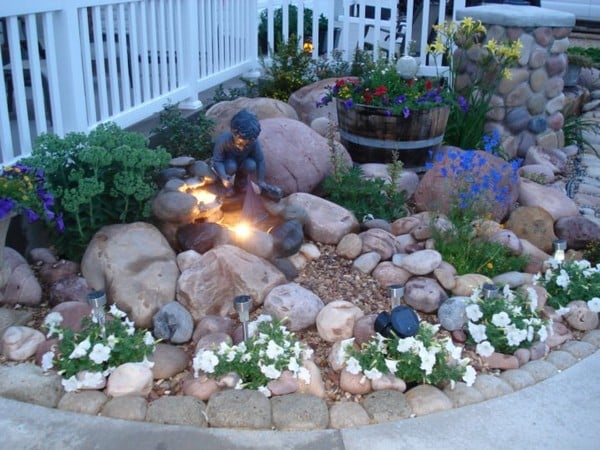
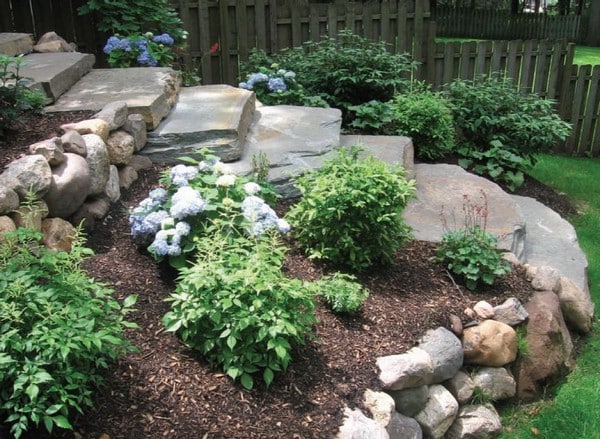
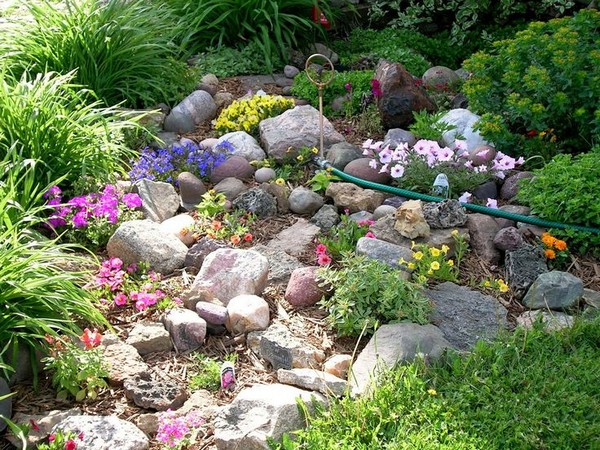
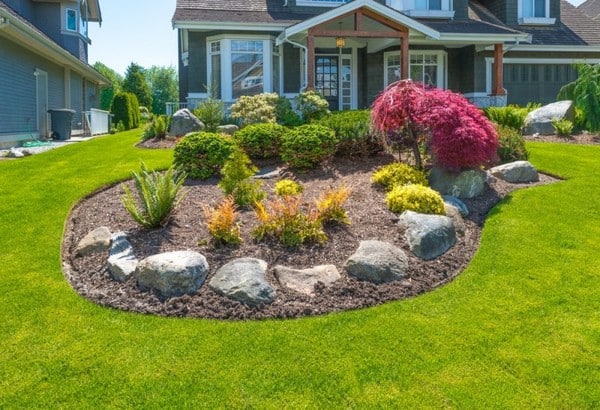
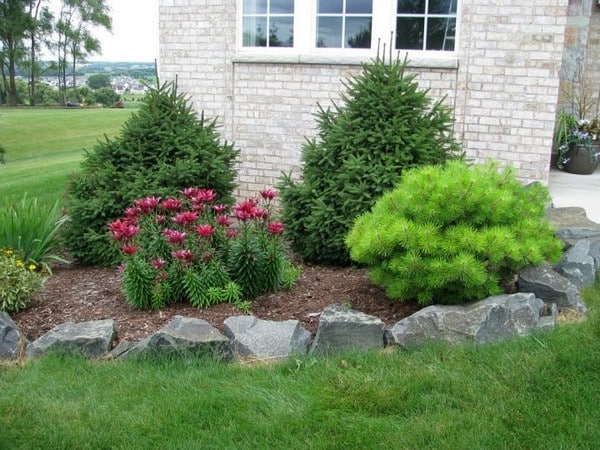
Gorgeous Small Rock Gardens!
Maintaining Your Rock Garden
One of the best things about rock gardens is their low-maintenance nature.
However, a little upkeep will help keep them looking pristine:
- Remove weeds that may grow between the rocks.
- Rinse pebbles and stones occasionally to keep them clean.
- Trim overgrown plants to maintain balance and structure.
- Check for rock sinking and add soil beneath if needed.
Rock gardens are a fantastic way to add structure, beauty, and low-maintenance landscaping to any yard.
Whether you have a small patio space or a large backyard, incorporating stones, succulents, and drought-tolerant plants can transform your outdoor space into a timeless sanctuary.