Flowers are much more than just beautiful creations of nature—throughout history, they have been symbolic of love, power, passion, mystery, and even death.
In mythology, folklore, and ancient traditions, flowers hold special meanings, representing divine connections, magic, and transformation.
From roses associated with Aphrodite, the Greek goddess of love, to wolf’s-bane, believed to repel werewolves and vampires, mythical flowers have played a role in stories, rituals, and legends across cultures.
Here’s a deeper dive into 12 mythical flowers and the fascinating legends behind them.
1. Lady’s Mantle – The Magical Dew Catcher
Scientific Name: Alchemilla mollis
Associated With: European Alchemists
Lady’s Mantle is steeped in magic. It gets its name from alchemists in the 18th century, who believed that the dew collected on its leaves held mystical properties.
The tiny water droplets, appearing like beads of silver, were said to be able to turn base metals into gold and were often used in the preparation of magical elixirs.
Mythical Beliefs:
- Considered a sacred plant in Europe.
- Dewdrops were used in alchemy experiments.
- Believed to enhance beauty and youthfulness when applied to the skin.

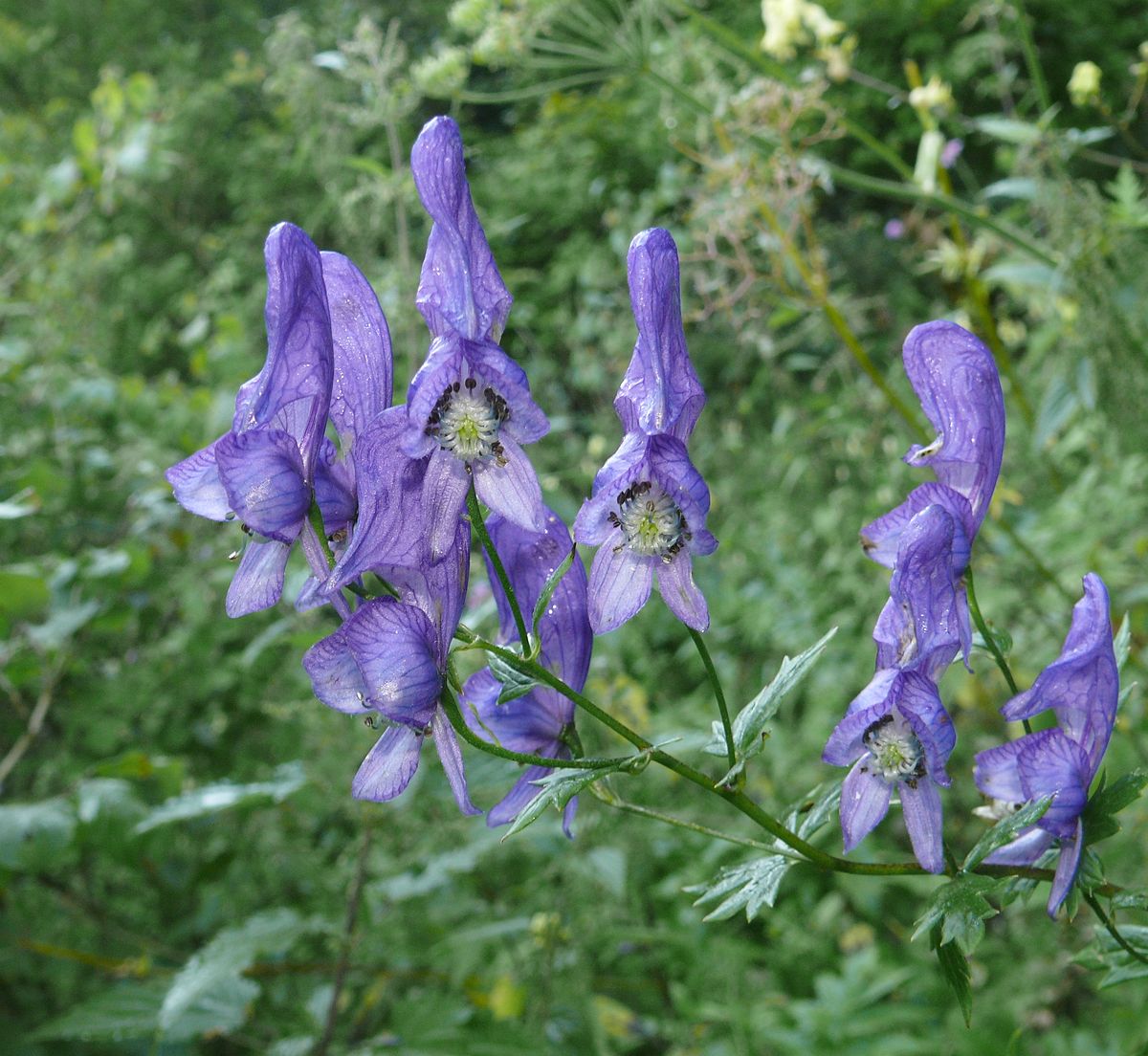
2. Wolfsbane – The Plant That Repels Werewolves
Scientific Name: Aconitum
Associated With: Werewolves, Vampires
In ancient folklore, wolfsbane was thought to be a deadly poison to werewolves and vampires.
People believed that carrying or planting wolfsbane would keep supernatural creatures at bay. It was also used in medieval ointments and potions, often by witches.
Mythical Beliefs:
- Used as protection against werewolves and vampires.
- Highly poisonous—even a small amount could be fatal.
- Thought to break werewolf curses if ingested.
3. Rose – The Symbol of Love and Divinity
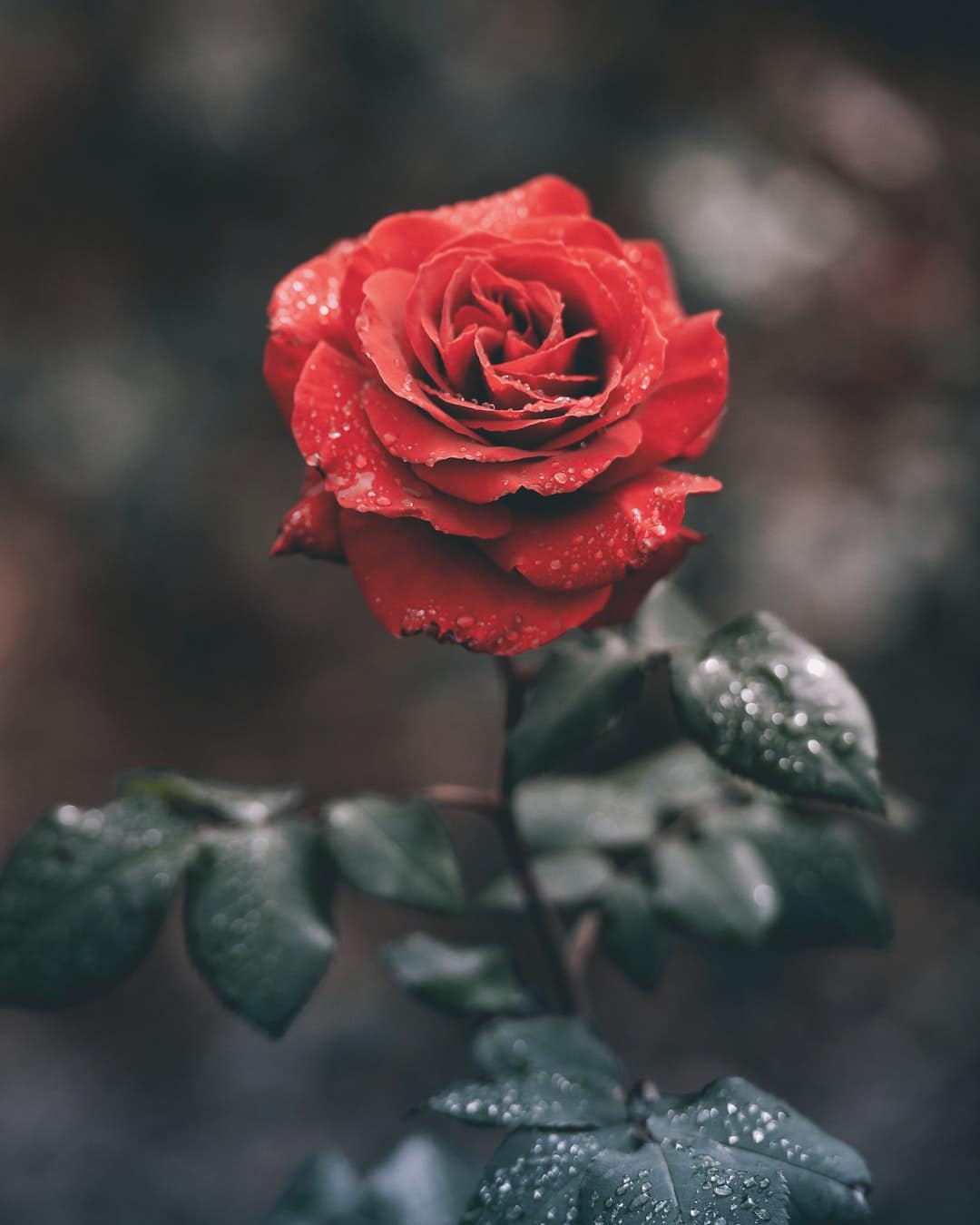
Scientific Name: Rosa
Associated With: Aphrodite, Jesus Christ
Roses are the universal symbol of love, but in Greek mythology, it was Aphrodite, the goddess of love, who created the red rose.
It is also deeply associated with Jesus Christ, as some legends suggest that the Moss Rose grew from his blood.
Mythical Beliefs:
- Symbol of love, romance, and divine beauty.
- White roses represent purity, red roses symbolize passion.
- Associated with Aphrodite and Christ’s sacrifice.
4. Narcissus – The Flower of Vanity
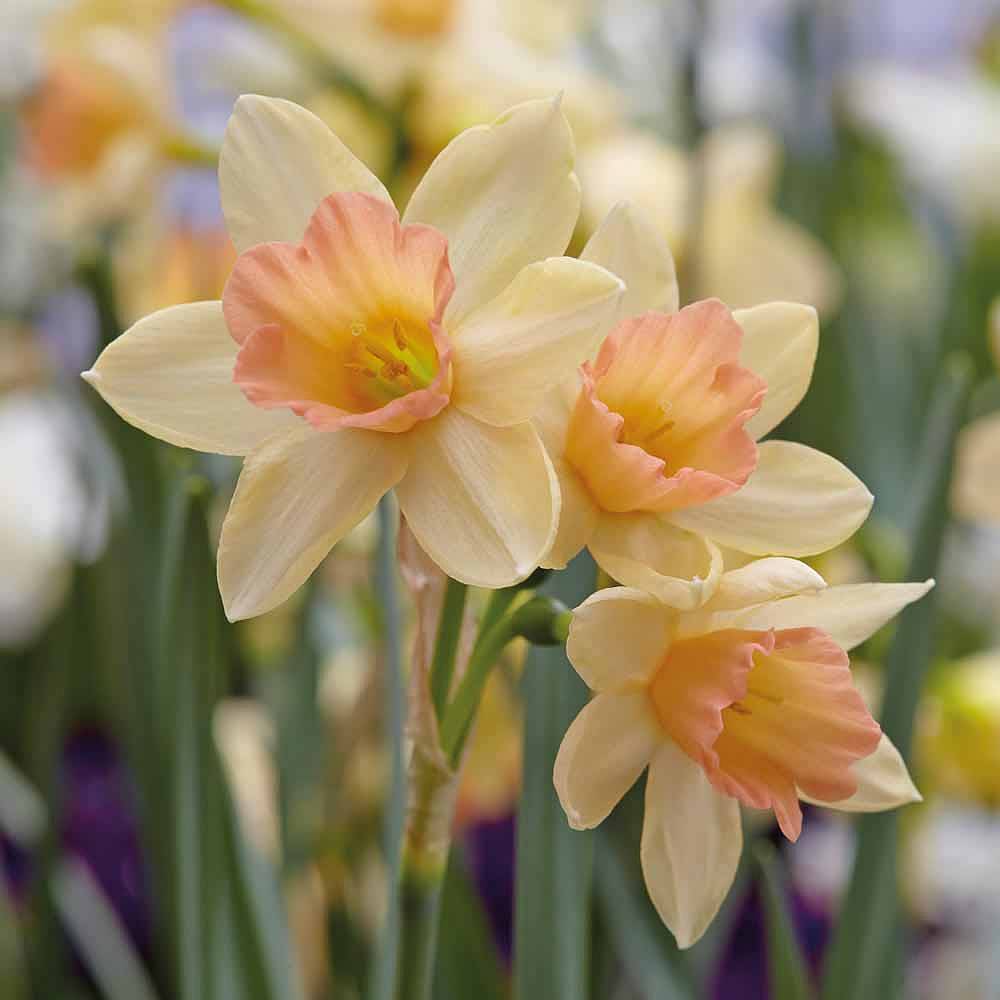
Scientific Name: Narcissus
Associated With: Greek Mythology, Narcissism
In Greek mythology, Narcissus was a handsome youth who fell in love with his own reflection in the water. Unable to look away, he wasted away and turned into the Narcissus flower.
Mythical Beliefs:
- Symbolizes self-obsession and unrequited love.
- A warning against pride and vanity.
- Thought to have protective and magical properties.
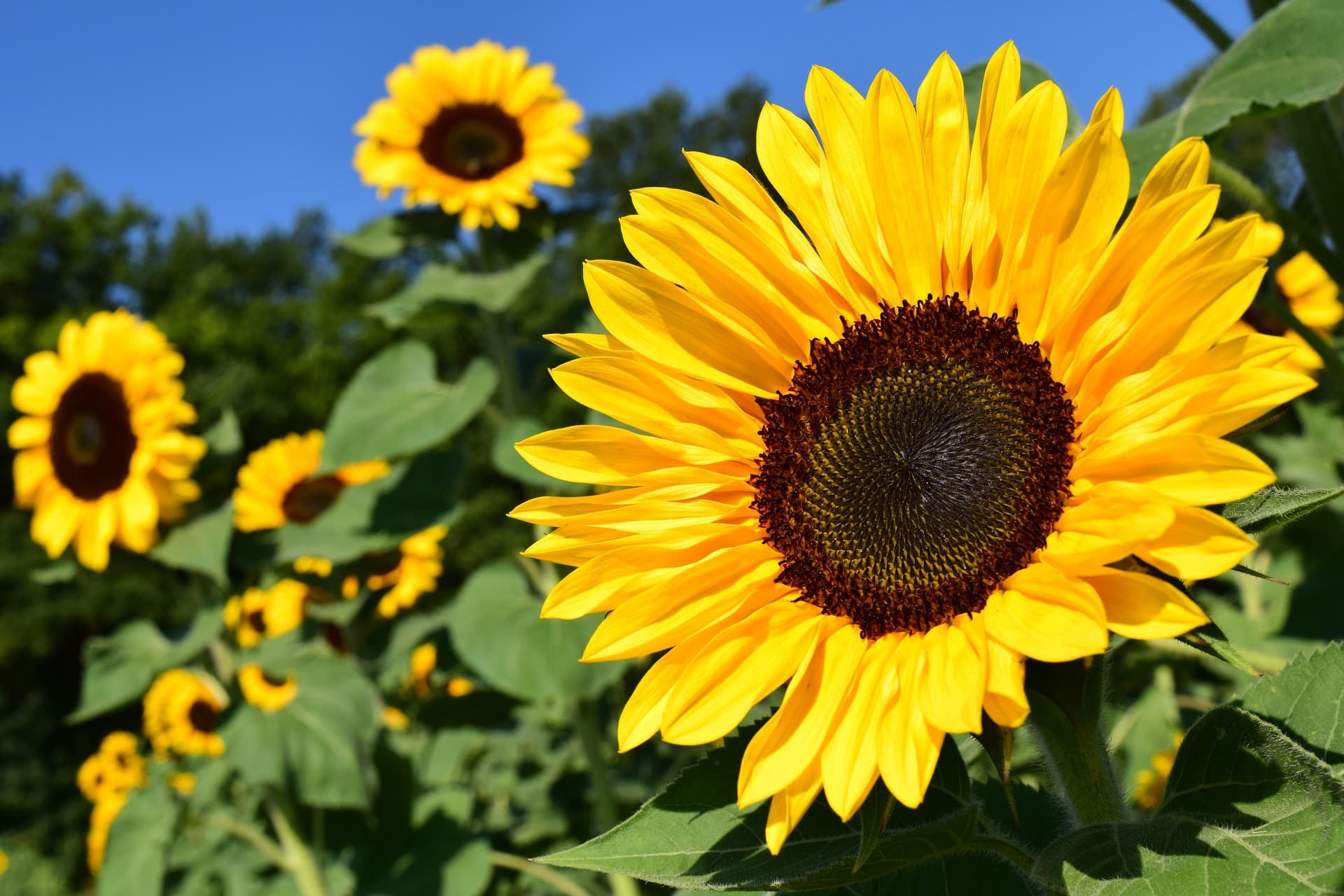
5. Sunflower – The Eternal Devotion to the Sun
Scientific Name: Helianthus annuus
Associated With: Apollo, Clytie
The Greek myth of Clytie and Apollo explains the sunflower’s behavior of following the sun. Clytie, a water nymph, fell in love with Apollo, the sun god, but he ignored her.
She spent her days watching him move across the sky until she was turned into a sunflower, forever following the sun.
Mythical Beliefs:
- Symbolizes loyalty, devotion, and admiration.
- Represents hope and happiness.
- Associated with solar energy and positivity.
6. Wolf’s Claw – The Ancient Druid Herb
Scientific Name: Lycopodium
Associated With: Celtic Druids
Wolf’s Claw was used by Celtic Druids in rituals and spells. They believed the flower had healing properties, treating rheumatism and cramps.
The dust from its spores was used by magicians to create flames and magical displays.
Mythical Beliefs:
- Used by Druids and ancient healers.
- Thought to protect against evil spells and bad luck.
- Used in medieval magic tricks and fire rituals.

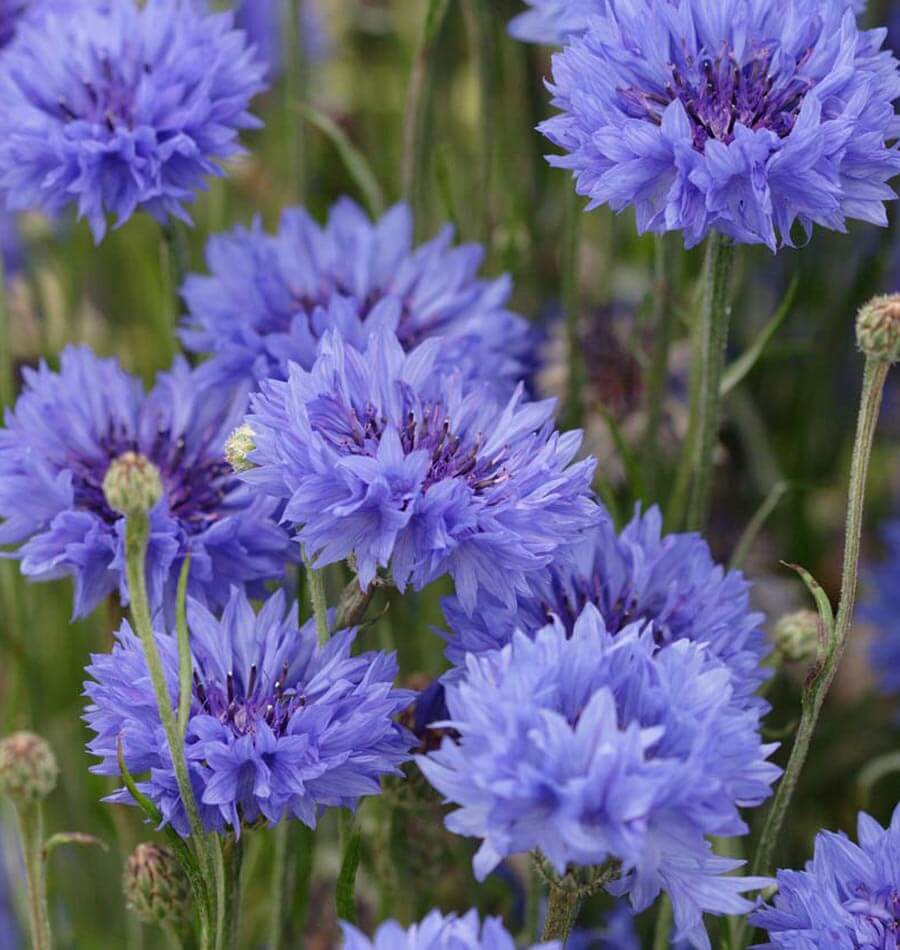
7. Cornflower – The Flower of Healing
Scientific Name: Centaurea cyanus
Associated With: Herbal Folklore
Cornflowers were believed to cure wounds, ulcers, and even scorpion venom. Their dried petals were used as medicinal tea and in eye washes.
Mythical Beliefs:
- Considered a symbol of hope and healing.
- Used in folk medicine for eye health.
- Believed to cure poisoning and venomous bites.
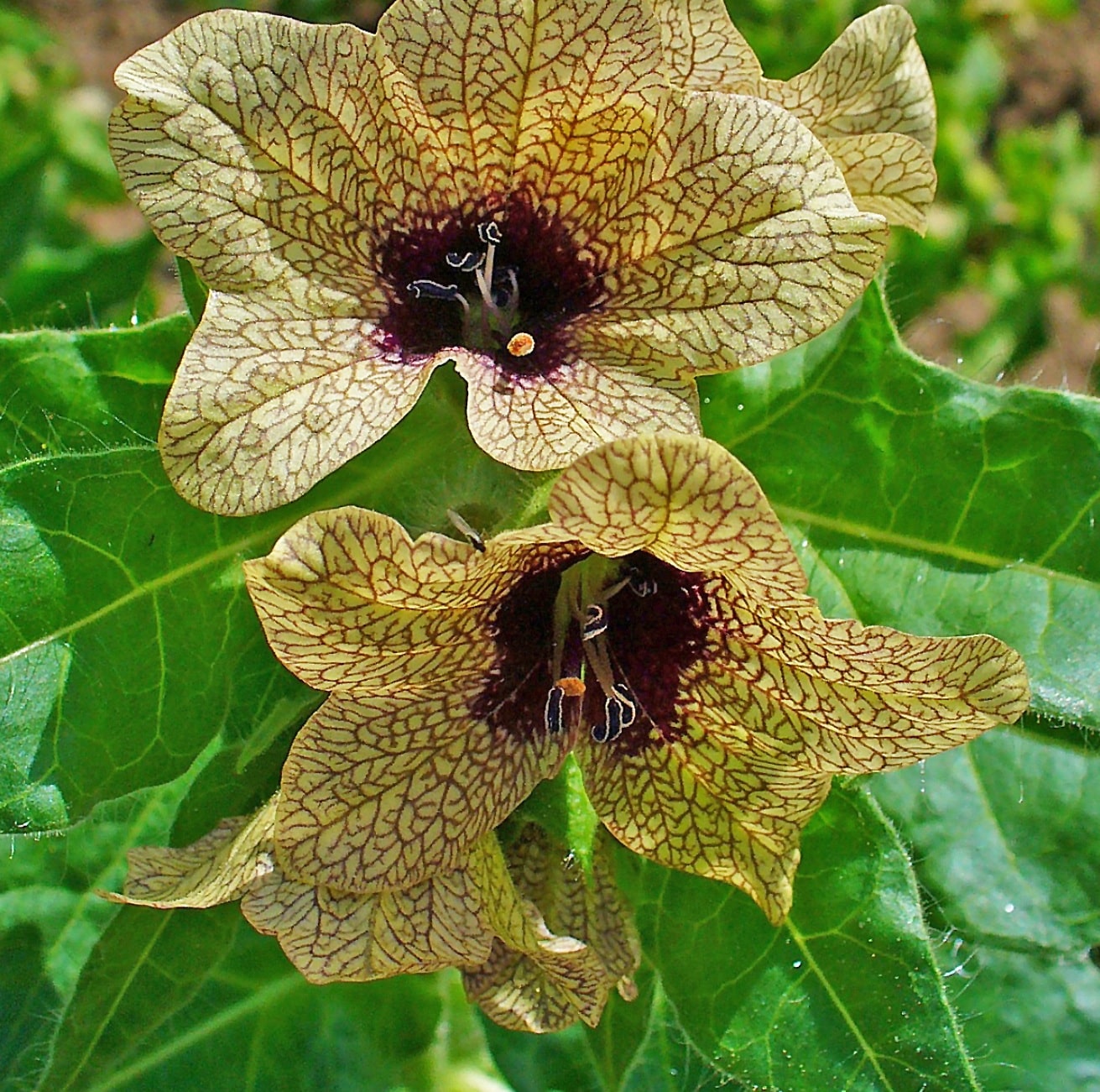
8. Henbane – The Poisonous Plant of Prophecies
Scientific Name: Hyoscyamus niger
Associated With: Oracle Priestesses, Magic
Henbane was used by ancient Greek priestesses, druids, and witches. It was thought to induce visions and altered states. However, it was also known as the plant of death, as high doses were deadly.
Mythical Beliefs:
- Used by oracles to predict the future.
- Thought to open spiritual portals.
- Used in ancient Germanic and Celtic rituals.
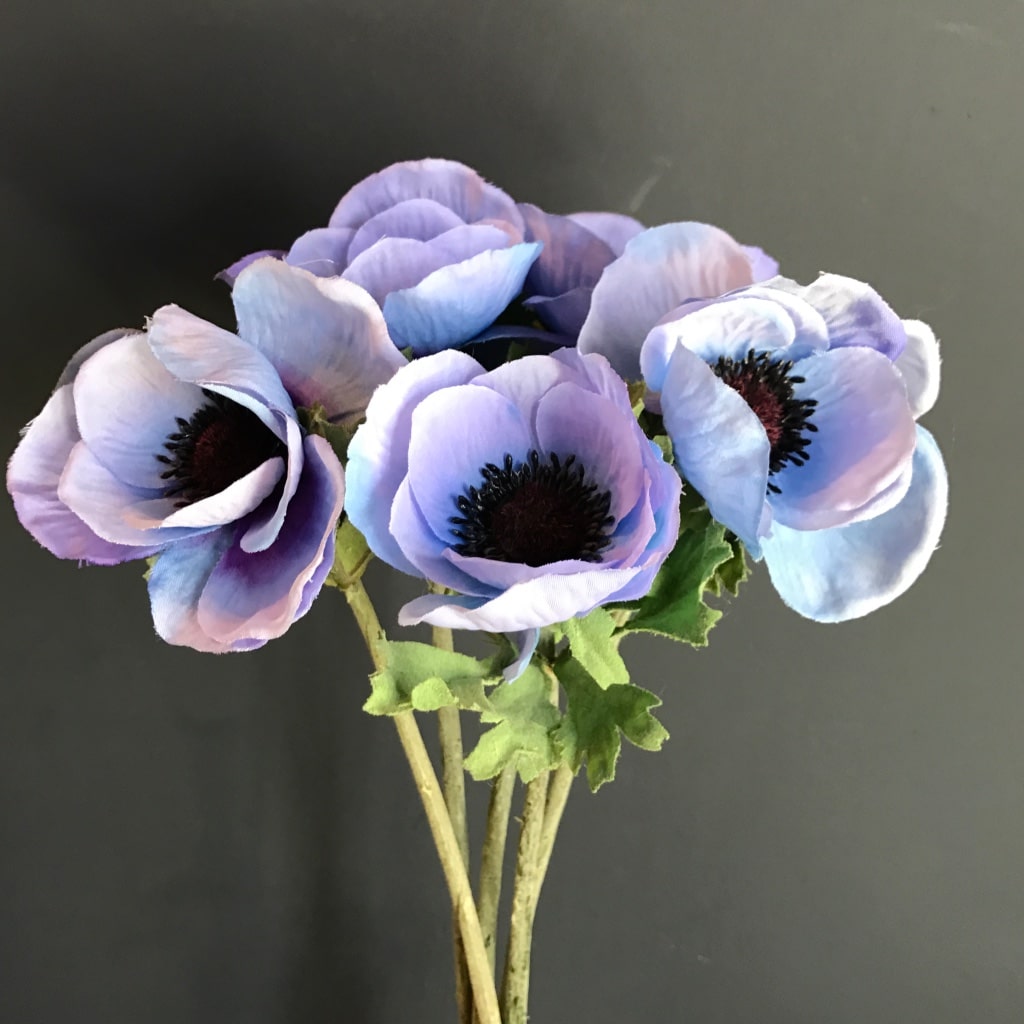
9. Anemone – The Flower of Sorrow
Scientific Name: Anemone
Associated With: Adonis, Greek Mythology
Anemones sprouted from the blood of Adonis, the mortal lover of Aphrodite, who was killed by a wild boar. Red anemones represent his blood and undying love.
Mythical Beliefs:
- Symbolizes mourning and remembrance.
- Associated with Adonis and Greek love stories.
- Represented blood sacrifice in Christianity.
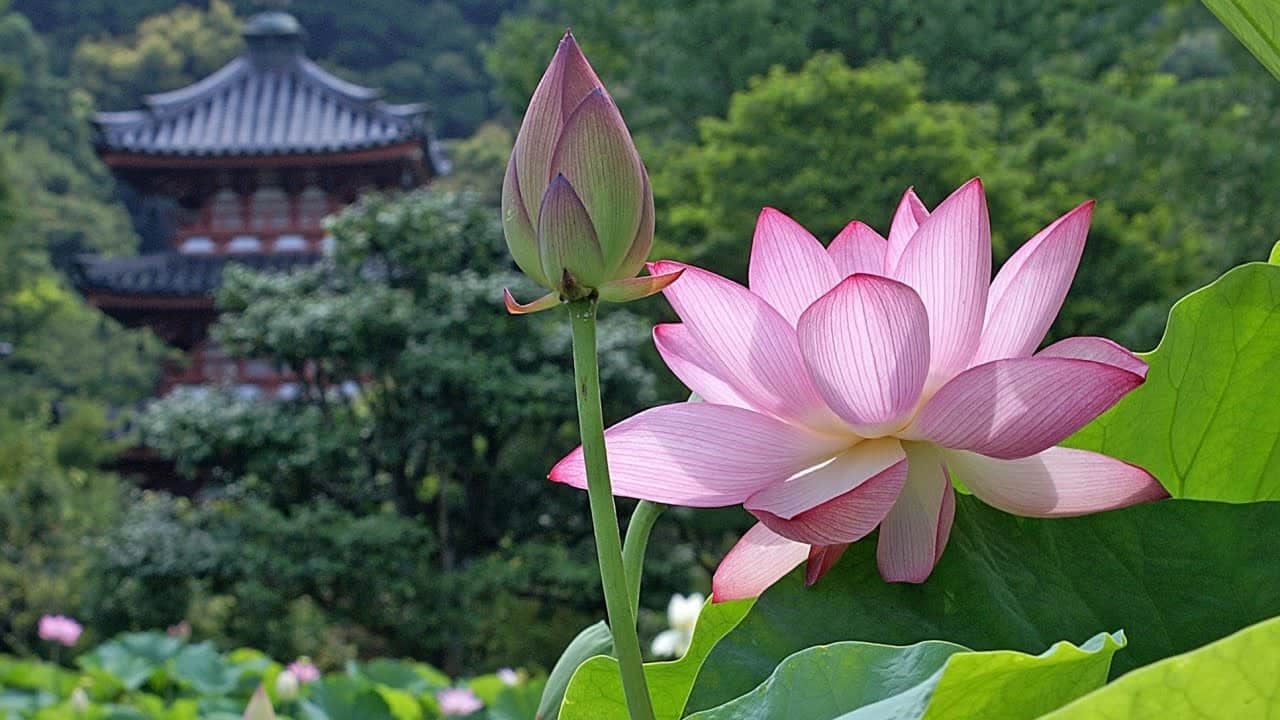
10. Lotus – The Sacred Flower of Rebirth
Scientific Name: Nelumbo nucifera
Associated With: Hinduism, Buddhism, Ancient Egypt
The lotus is one of the most sacred flowers in history. It is seen as a symbol of rebirth, purity, and divine creation in Hindu and Buddhist traditions.
Mythical Beliefs:
- Brahma, the Hindu god of creation, was born from a lotus.
- Symbolizes spiritual enlightenment and inner peace.
- In Egyptian mythology, linked to the goddess Isis.
11. Oregano – The Herb of Joy and Protection
Scientific Name: Origanum vulgare
Associated With: Aphrodite, Greek Mythology
Oregano was created by Aphrodite and symbolizes joy and happiness. It was used in wedding garlands in Greece and placed on graves to bring peace to spirits.
Mythical Beliefs:
- Represents happiness and love.
- Used to protect against evil spirits.
- Thought to bring joy in marriages.

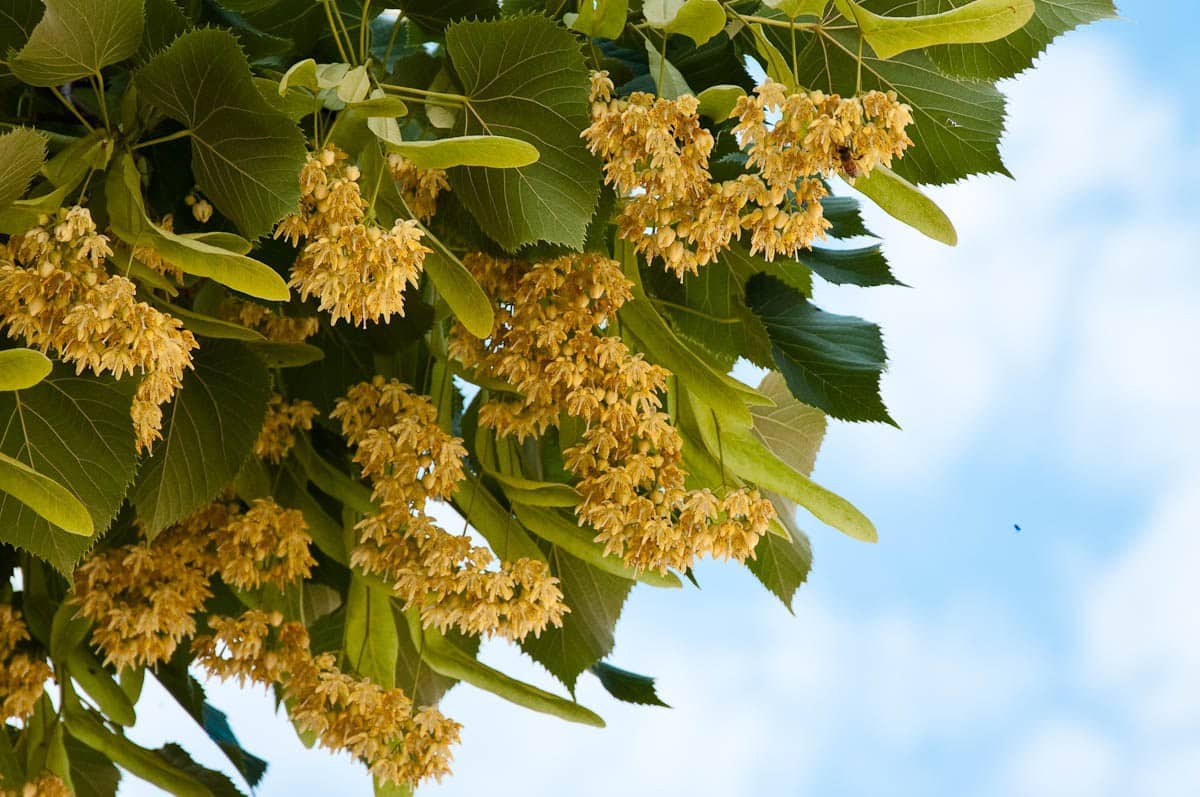
12. Linden – The Tree of Peace and Love
Scientific Name: Tilia
Associated With: Freya, Germanic Mythology
The Linden tree was considered sacred by the ancient Germanic people. It symbolized peace, truth, and divine protection.
Mythical Beliefs:
- Associated with love and good fortune.
- Believed to never be struck by lightning.
- Used in ancient court rulings as a symbol of truth.
Flowers have played a significant role in mythology for centuries, embodying love, protection, magic, and mystery.
Whether they bring happiness, healing, or curses, these mythical flowers continue to enchant and inspire. Which one fascinates you the most?