Adding greenery to your home not only enhances aesthetics but also significantly improves air quality.
NASA’s Clean Air Study has identified certain houseplants that help remove toxins from indoor air, making our living spaces healthier.
These plants act as natural air purifiers, filtering out harmful pollutants like benzene, formaldehyde, ammonia, and other volatile organic compounds (VOCs).
By incorporating these plants into your home, you can reduce allergies, headaches, stress, and even improve mood and productivity.
Here’s a detailed guide to the best NASA-approved houseplants and how to care for them.
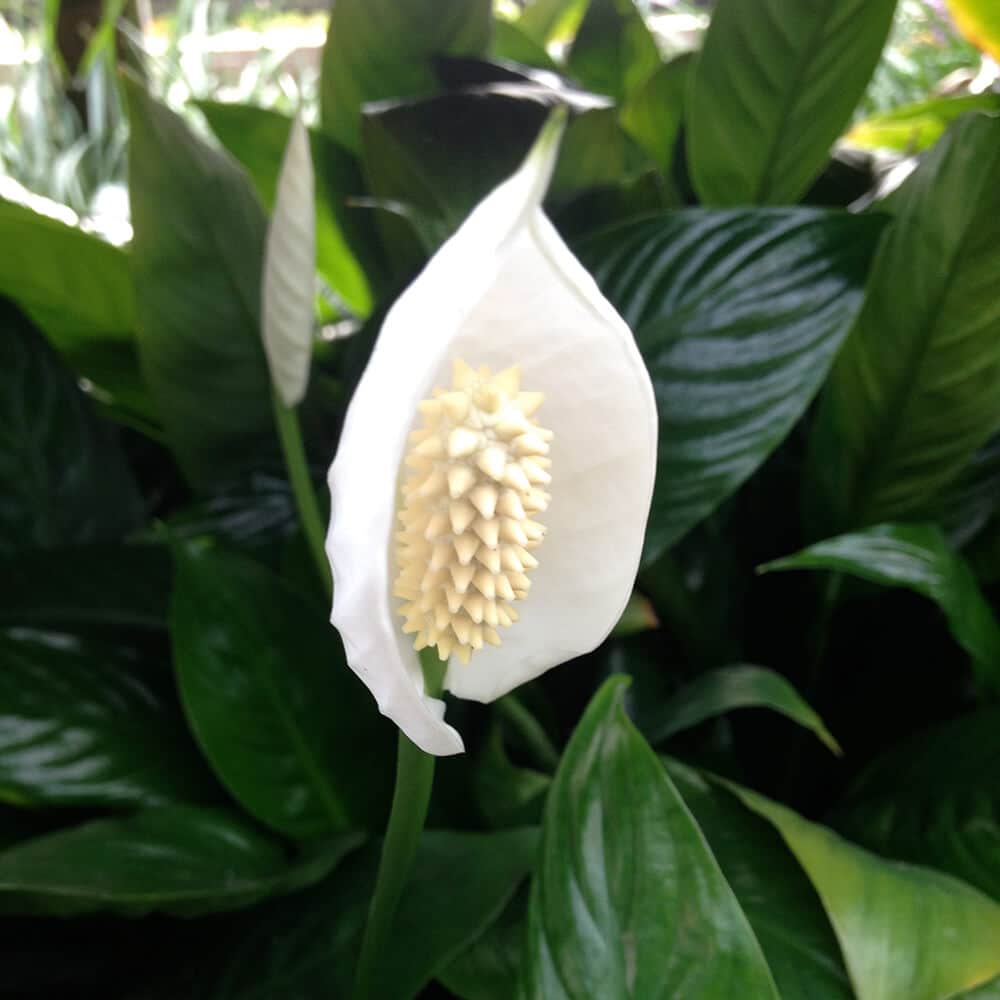
1. Peace Lily (Spathiphyllum) – The Ultimate Air Purifier
Why It’s Great:
- Removes: Formaldehyde, benzene, ammonia, trichloroethylene, toluene, and xylene
- Improves humidity: Helps prevent dry air, reducing respiratory issues
- Easy care: Thrives in low light conditions and requires minimal watering
Care Tips:
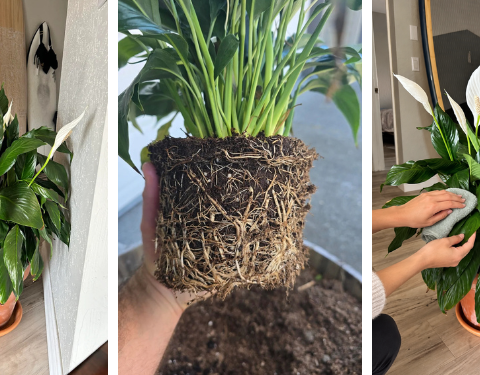
- Keep in indirect light; avoid direct sun to prevent leaf burn.
- Water when the soil is dry to the touch (typically once a week).
- Wipe leaves with a damp cloth to remove dust and keep the plant looking fresh.
Bonus: The elegant white blooms make it a stylish decorative addition to any room.
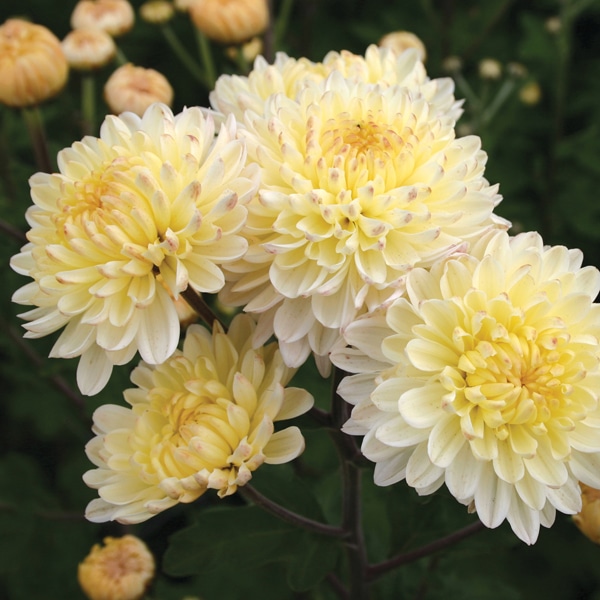
2. Chrysanthemum (Chrysanthemum morifolium) – The Flowering Air Purifier
Why It’s Great:
- Removes: Ammonia, benzene, formaldehyde, and xylene
- Adds beauty: Produces colorful blooms in shades of pink, yellow, white, and red
- Filters toxins: One of the most effective air-purifying plants
Care Tips:
- Needs bright, indirect sunlight (best near an east-facing window).
- Water frequently, but ensure good drainage.
- Prune dead flowers to encourage new growth.
Bonus: Place this plant in bedrooms or offices to enjoy both beauty and cleaner air.
3. English Ivy (Hedera helix) – The Natural Air Filter
Why It’s Great:
- Removes: Benzene, formaldehyde, xylene, and airborne mold
- Versatile: Can be grown in hanging baskets, trellises, or as a climbing vine
- Great for allergies: Helps remove mold spores from indoor air
Care Tips:
- Prefers bright, indirect light, but can tolerate low light.
- Keep the soil evenly moist, but don’t overwater.
- Trim regularly to maintain its shape and prevent excessive growth.
Bonus: Perfect for bathrooms due to its humidity-loving nature.
4. Snake Plant (Sansevieria) – The Oxygen Booster
Why It’s Great:
- Removes: Formaldehyde, benzene, xylene, and toluene
- Low-maintenance: Survives low light and infrequent watering
- Boosts oxygen levels: Releases oxygen at night, making it ideal for bedrooms
Care Tips:
- Thrives in low to bright indirect light.
- Water only once every 2-3 weeks (overwatering can cause root rot).
- Keep in well-draining soil and avoid letting water sit in the pot.
Bonus: This plant thrives on neglect, making it great for busy plant owners.

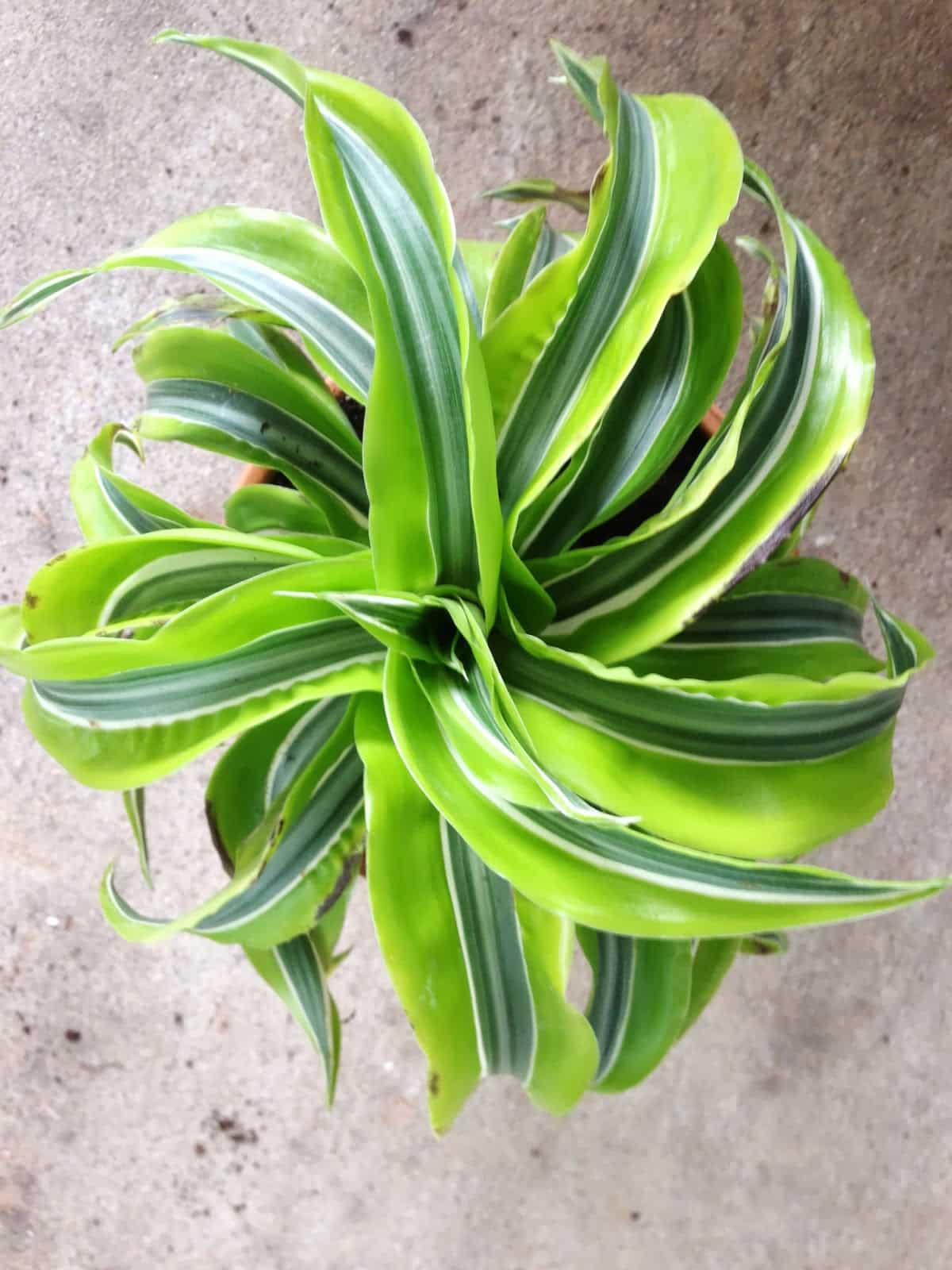
5. Dracaena (Dracaena marginata) – The Exotic Detoxifier
Why It’s Great:
- Removes: Benzene, formaldehyde, trichloroethylene, and xylene
- Stylish appearance: Features slender, upright leaves with red edges
- Thrives in low-light conditions
Care Tips:
- Water lightly; prefers slightly dry soil.
- Keep away from direct sunlight to prevent leaf damage.
- Wipe the leaves occasionally to keep them dust-free.
Bonus: Works well as a statement plant in living rooms and offices.
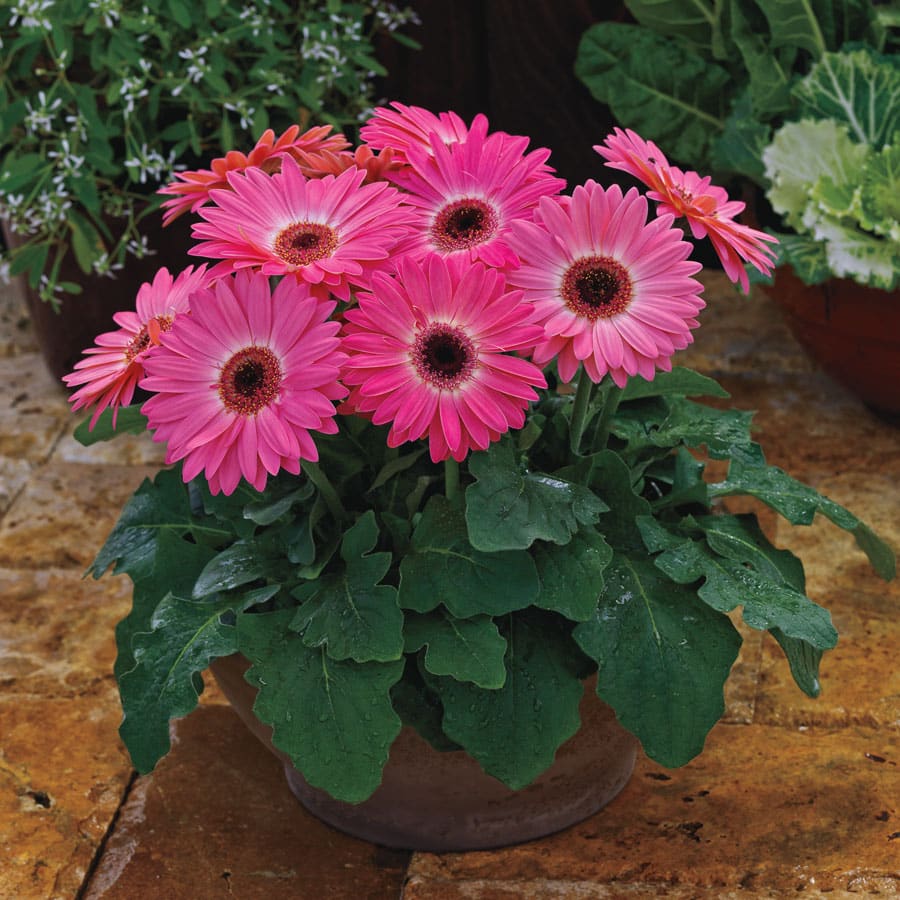
6. Gerbera Daisy (Gerbera jamesonii) – The Colorful Air Purifier
Why It’s Great:
- Removes: Benzene, formaldehyde, and trichloroethylene
- Produces oxygen: Improves indoor air while adding vibrant colors
- Boosts mood: Known to help reduce stress and anxiety
Care Tips:
- Requires bright, direct sunlight (best for sunny windowsills).
- Keep soil slightly moist, but avoid overwatering.
- Provide proper drainage to prevent root rot.
Bonus: A great bedroom plant for fresher air while you sleep.
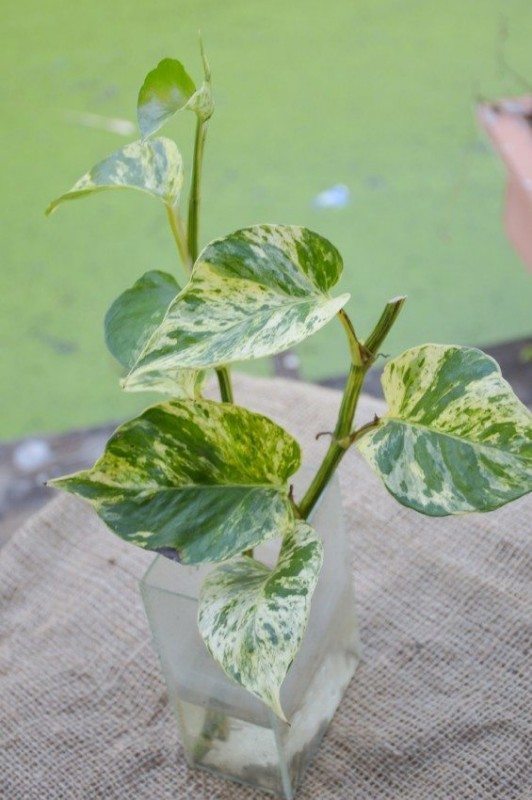
7. Devil’s Ivy (Epipremnum aureum) – The Resilient Air Cleaner
Why It’s Great:
- Removes: Benzene, formaldehyde, xylene, and toluene
- Fast-growing: Can trail or climb for decorative effect
- Thrives in any environment (low light, high humidity, and dry conditions)
Care Tips:
- Water once a week; let the soil dry out between waterings.
- Prefers indirect light, but tolerates low-light areas.
- Trim regularly to prevent excessive growth.
Bonus: Ideal for bathrooms and kitchens, as it tolerates humidity well.
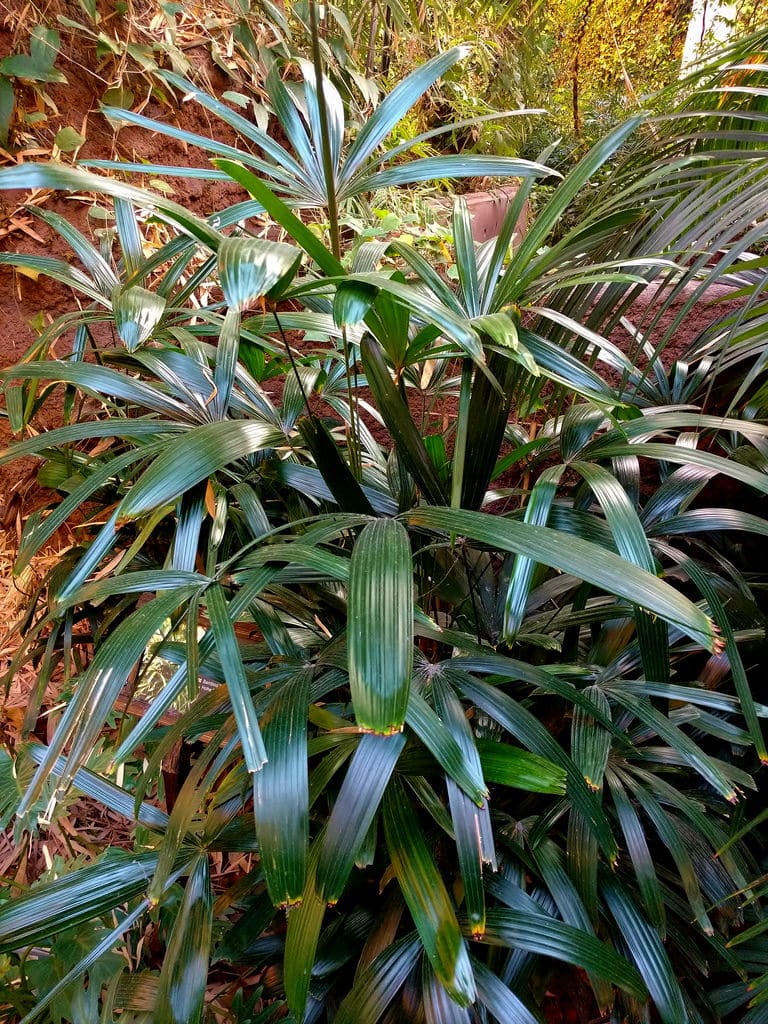
8. Broadleaf Lady Palm (Rhapis excelsa) – The Elegant Purifier
Why It’s Great:
- Removes: Ammonia, formaldehyde, benzene, and xylene
- Low-light friendly: Grows well in shaded indoor spaces
- Pet-friendly: Non-toxic to dogs and cats
Care Tips:
- Thrives in low to moderate light.
- Water when the topsoil feels dry.
- Avoid direct sunlight to prevent leaf burns.
Bonus: Great for offices, hallways, and shaded areas.
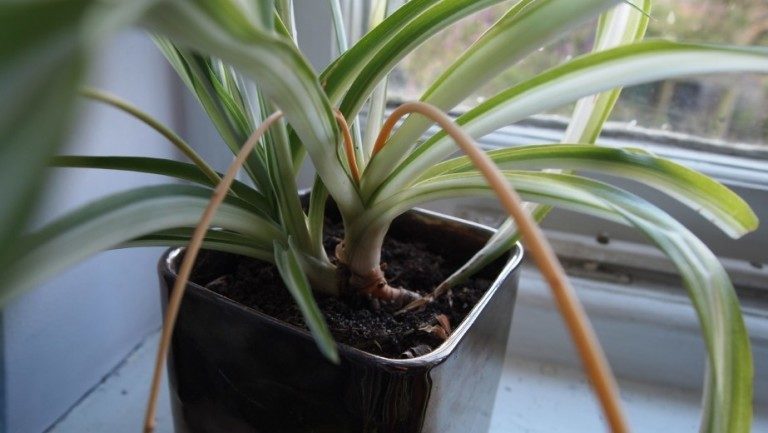
9. Spider Plant (Chlorophytum comosum) – The Beginner’s Favorite
Why It’s Great:
- Removes: Carbon monoxide, benzene, formaldehyde, and xylene
- Easy to grow: Almost impossible to kill
- Pet-friendly: Safe for cats and dogs
Care Tips:
- Prefers bright, indirect sunlight.
- Water when the soil feels dry.
- Produces baby plants (pups) that can be propagated easily.
Bonus: A perfect hanging plant for kitchens and offices.
How to Keep Your Air-Purifying Plants Thriving
- Choose the right location: Each plant has unique light and humidity needs.
- Water wisely: Overwatering is a common issue—only water when needed.
- Clean the leaves: Dust buildup can reduce air-purifying efficiency.
- Repot as needed: Some plants grow fast and need larger pots over time.
By adding NASA-recommended houseplants to your home, you’ll enjoy cleaner air, reduced stress, and a more beautiful living space.
These plants remove toxins, increase oxygen levels, and improve humidity, making them an essential part of any healthy home.