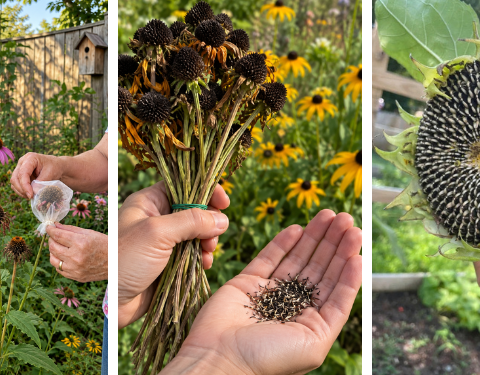
Perennial flowers are one of the best investments you can make in your garden.
Instead of planting new flowers every year, perennials come back season after season, adding vibrant color, beauty, and texture to your landscape without the extra effort.
And if you start them from seed, you’ll get a gorgeous, flourishing garden on a tiny budget. That’s a win-win for any gardener!
To help you get started, here are nine stunning perennial flowers that you can easily grow from seed this spring.
1. Penstemon (Beardtongue)
✔ Growing Zones: 3-10
✔ Height & Spread: 3 to 72 inches tall, 6 to 24 inches wide
✔ Sun Exposure: Full sun to partial shade
✔ Soil Needs: Well-drained, fertile soil
Penstemon is a stunning, low-maintenance perennial with tubular, nectar-rich flowers that attract hummingbirds and pollinators. It thrives in full sun to partial shade and is perfect for rock gardens, borders, and cottage gardens.
Growing Tip:
- Start seeds in late winter to early spring indoors or directly outdoors in early summer.
- Penstemon seeds can be slow to germinate, so be patient. Some varieties take up to four weeks to sprout!
- It’s slightly short-lived, so keep extra seeds handy to replant as needed.
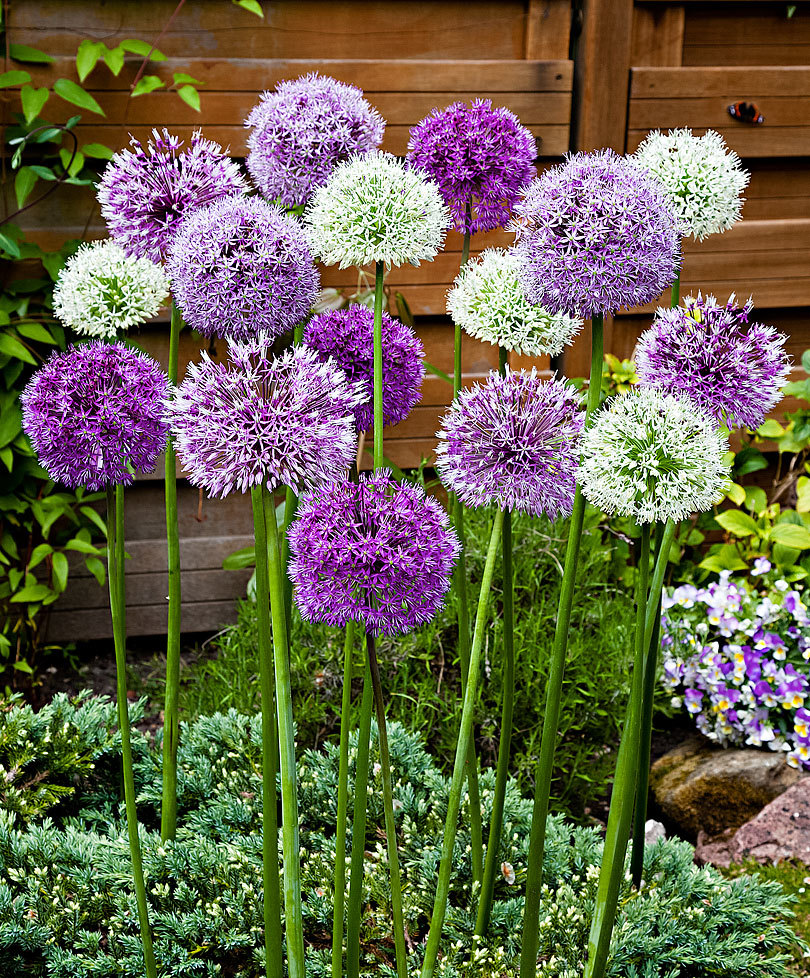
2. Allium (Ornamental Onion)
✔ Growing Zones: 3-11
✔ Height & Spread: 4 to 60 inches tall
✔ Sun Exposure: Full sun
✔ Soil Needs: Well-drained, fertile soil
Allium produces beautiful globe-like flower clusters in shades of purple, blue, and white atop tall, slender stems. They’re deer-resistant, drought-tolerant, and thrive in full sun.
Growing Tip:
- Start seeds in fall or winter for the best results.
- If sown in spring, the flowers may not appear until the following year, so be patient.
- Once established, alliums multiply naturally, giving you more blooms each year!
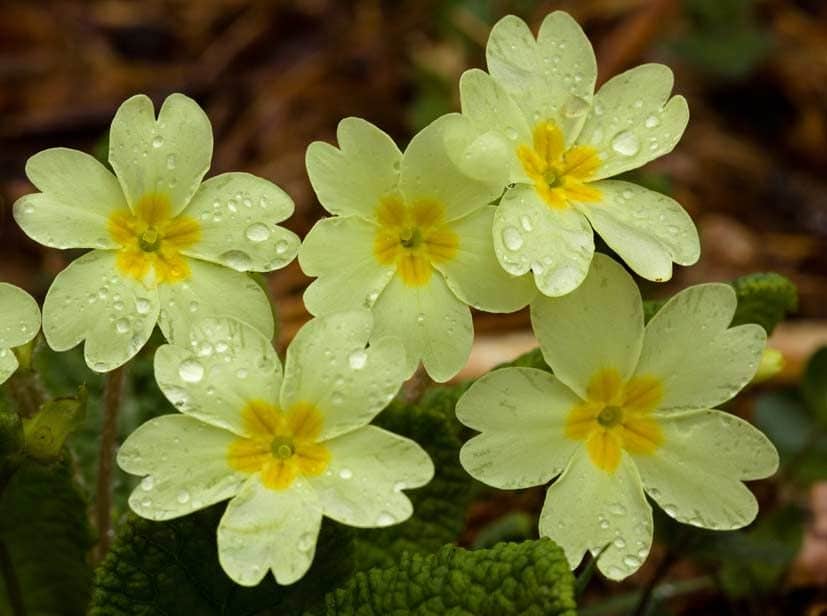
3. Primrose (Primula)
✔ Growing Zones: 3-8
✔ Height & Spread: 2 to 18 inches tall, 6 to 20 inches wide
✔ Sun Exposure: Partial shade to full sun
✔ Soil Needs: Moist, well-drained soil
Primroses are delightful early bloomers, producing vibrant flowers in yellow, pink, purple, and white. They thrive in cool, shady areas, making them perfect for woodland gardens or under trees.
Growing Tip:
- Sow primrose seeds outdoors in winter to allow them to experience a natural freeze-thaw cycle, which improves germination.
- Keep soil consistently moist, but avoid waterlogging.
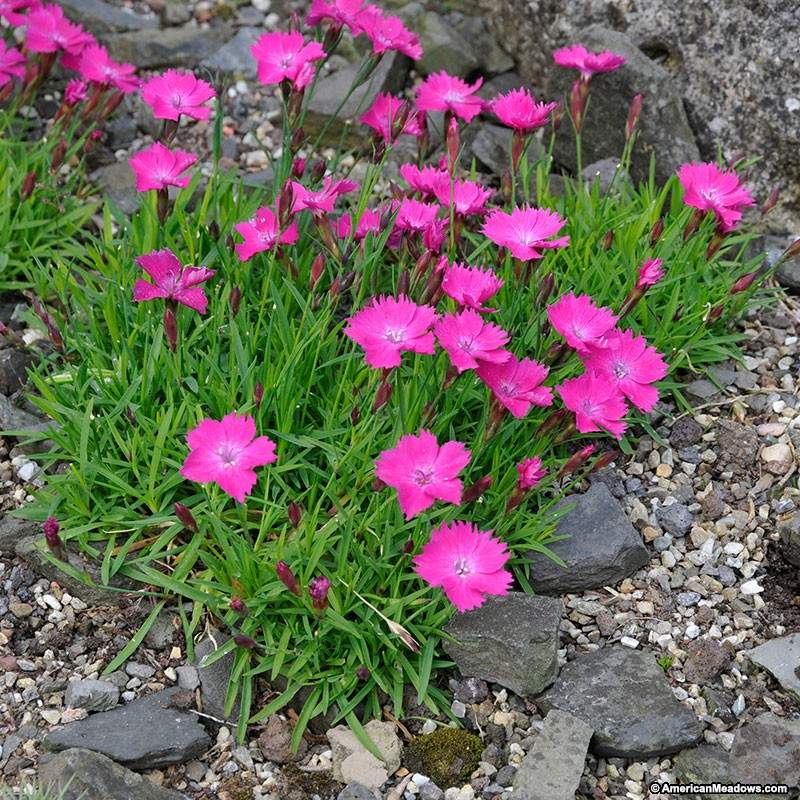
4. Dianthus (Pinks)
✔ Growing Zones: 3-10
✔ Height & Spread: 6 to 24 inches tall, 6 to 18 inches wide
✔ Sun Exposure: Full sun to light shade
✔ Soil Needs: Well-drained, slightly alkaline soil
Dianthus is a beginner-friendly perennial that produces fragrant, delicate blooms in shades of pink, red, white, and purple. They are excellent for borders, rock gardens, and containers.
Growing Tip:
- Direct-sow in mid-to-late winter for the best germination.
- Make sure the soil is well-drained, as dianthus doesn’t like wet feet.
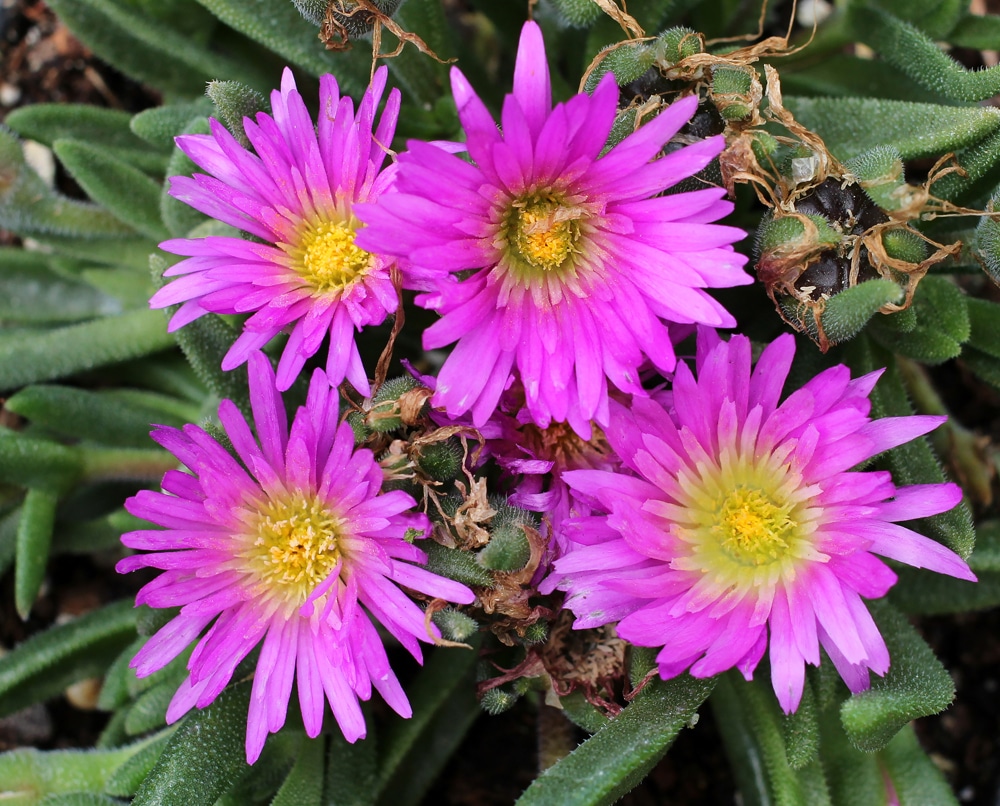
5. Hardy Ice Plant (Delosperma cooperi)
✔ Growing Zones: 5-11
✔ Height & Spread: 2 to 5 inches tall, spreads rapidly
✔ Sun Exposure: Full sun
✔ Soil Needs: Well-drained, sandy soil
Hardy ice plant is a low-growing, spreading succulent that produces dazzling pink, purple, or yellow daisy-like flowers. It’s drought-resistant, making it perfect for hot, dry climates and rock gardens.
Growing Tip:
- Direct-sow seeds in spring after the last frost for quick germination.
- If you live in a colder region, plant your seedlings in early summer to give them enough time to establish roots before winter.
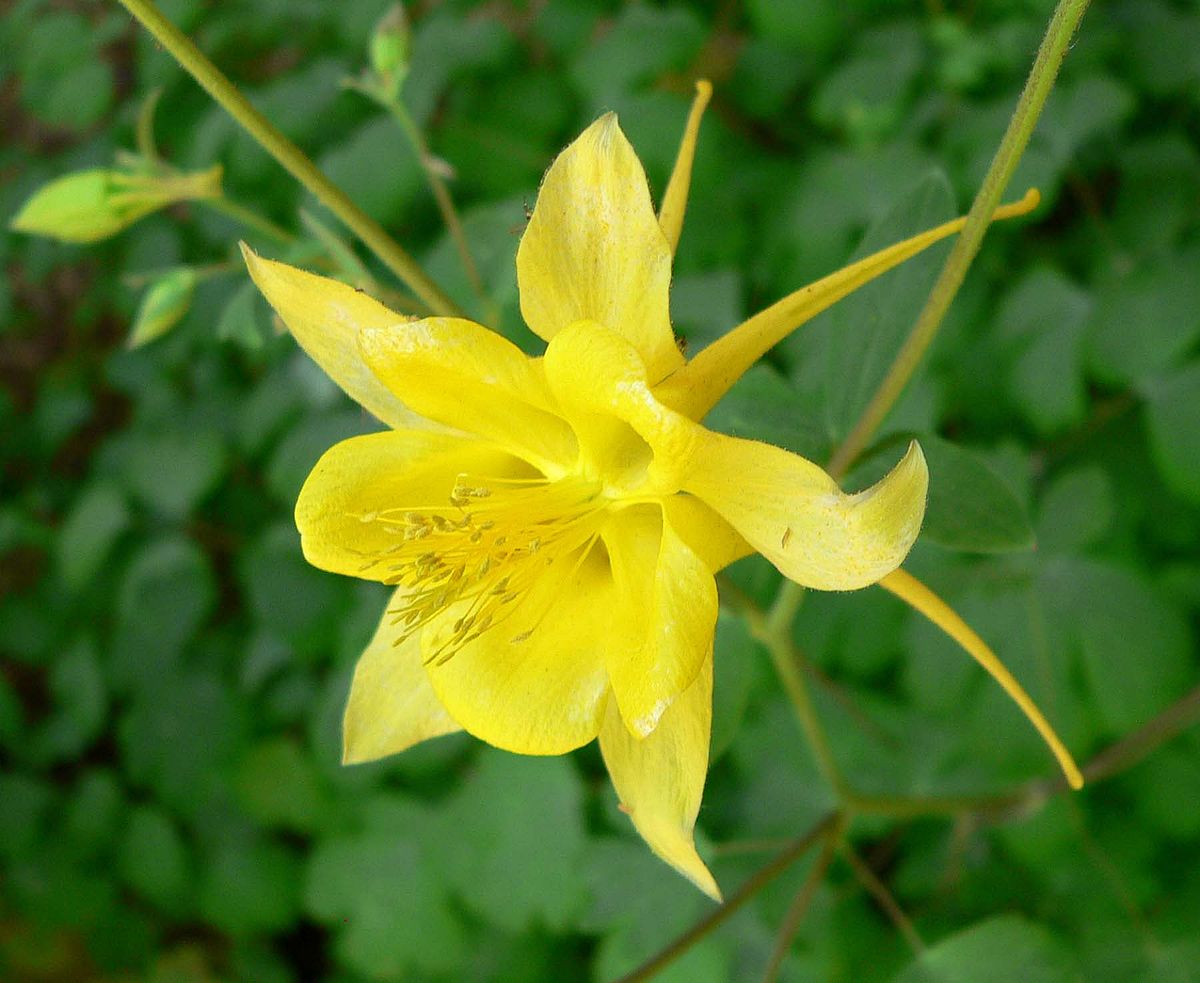
6. Columbine (Aquilegia)
✔ Growing Zones: 3-8
✔ Height & Spread: 3 to 36 inches tall and wide
✔ Sun Exposure: Full sun to partial shade
✔ Soil Needs: Moist, well-drained soil
Columbine is a graceful perennial that produces delicate, bell-shaped flowers in various vibrant colors. It’s a pollinator magnet, attracting bees, butterflies, and hummingbirds.
Growing Tip:
- Sow columbine seeds in late fall or winter to improve germination.
- Columbine self-seeds readily, so let it spread naturally for more blooms each year!
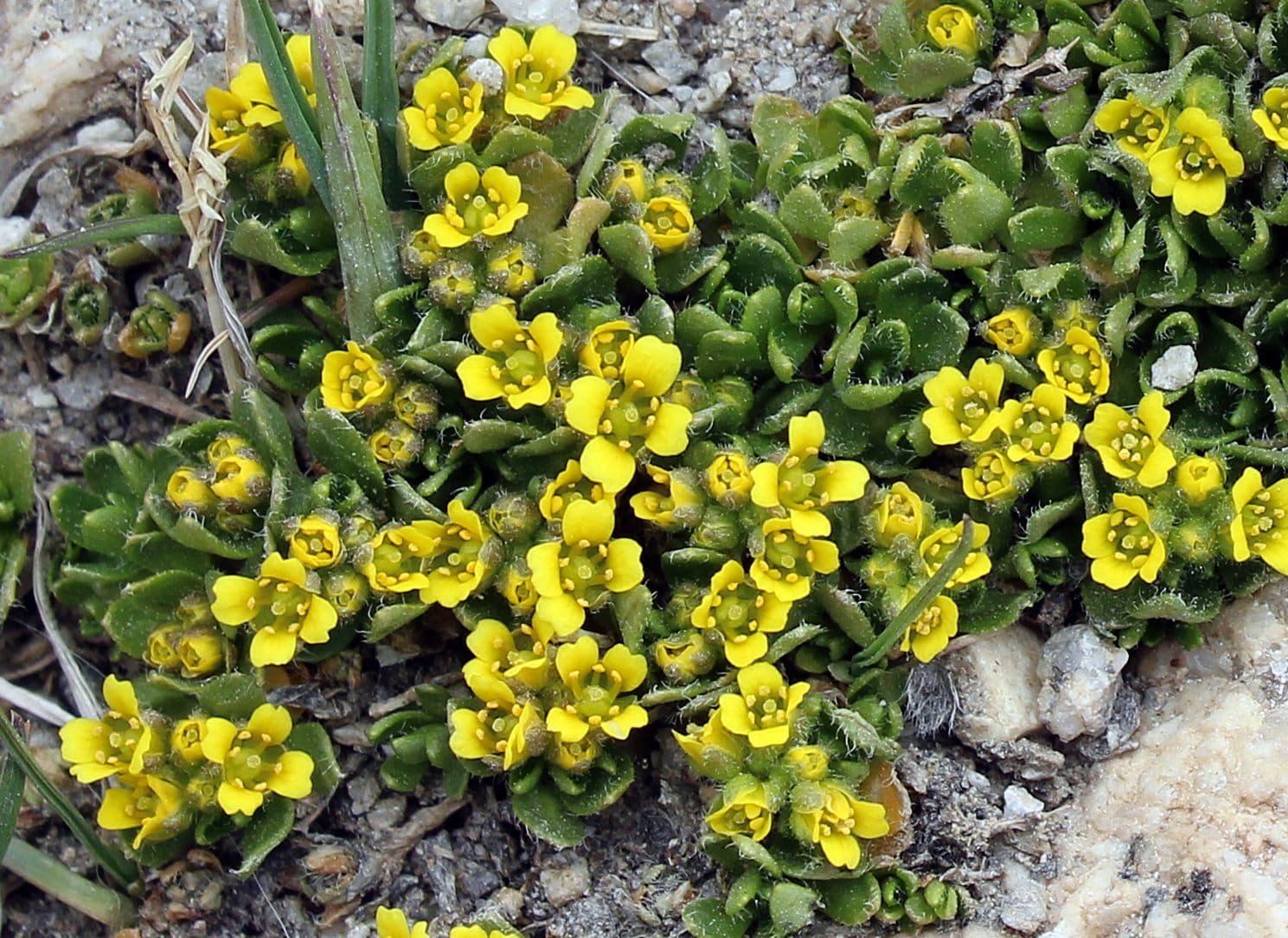
7. Draba (Rock Cress)
✔ Growing Zones: 4-6
✔ Height & Spread: 4 inches tall, 10 inches wide
✔ Sun Exposure: Full sun
✔ Soil Needs: Well-drained, dry soil
Draba is a hardy, drought-resistant perennial that thrives in rock gardens, dry landscapes, and alpine settings. It produces tiny yellow flowers in early spring.
Growing Tip:
- Sow seeds in mid-winter so they can experience a natural cold stratification before spring germination.
- Perfect for xeriscaping due to its low water needs!
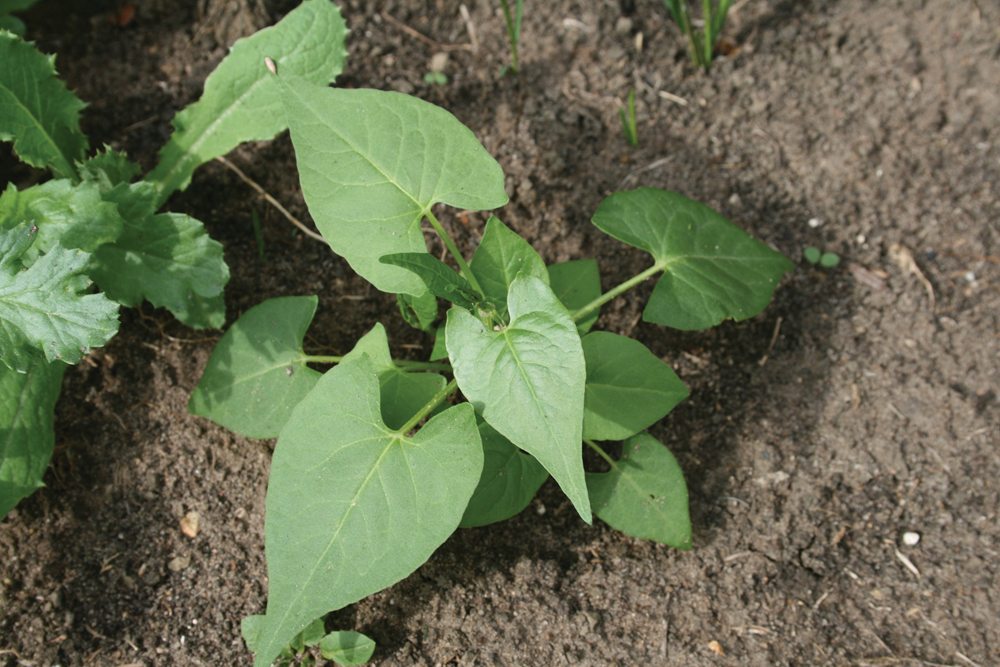
8. Wild Buckwheat (Eriogonum)
✔ Growing Zones: 3-11
✔ Height & Spread: 3 inches to 5 feet tall and wide
✔ Sun Exposure: Full sun
✔ Soil Needs: Well-drained, gritty, nutrient-poor soil
Wild buckwheat is a versatile, drought-tolerant plant that features evergreen foliage and bright yellow blooms from late spring to late summer. It’s perfect for pollinator gardens and hot, dry climates.
Growing Tip:
- Sow seeds in winter so they benefit from a freeze-thaw cycle, ensuring better germination.
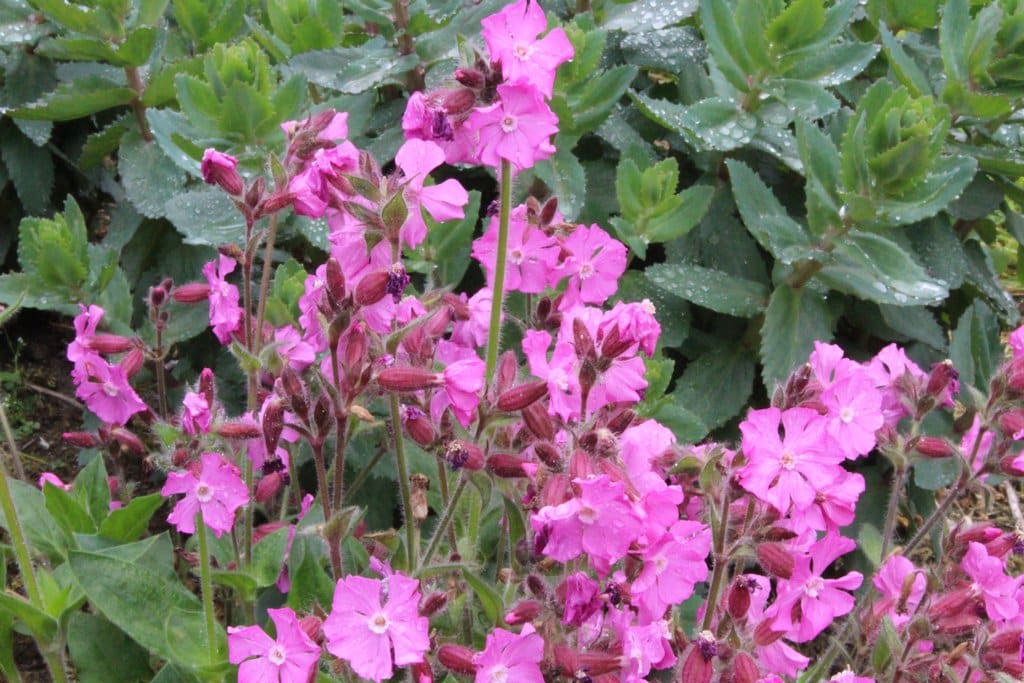
9. Silene (Campion)
✔ Growing Zones: 3-9
✔ Height & Spread: Up to 32 inches tall, 24 inches wide
✔ Sun Exposure: Full sun to partial shade
✔ Soil Needs: Well-drained, moderately fertile soil
Silene produces delicate, airy flowers in shades of pink, red, and white. It spreads naturally and is great for rock gardens, wildflower meadows, and cottage gardens.
Growing Tip:
- Sow seeds in fall or winter for the best germination.
- Once established, it self-seeds freely, providing continuous blooms year after year.
Growing perennials from seed is an affordable and rewarding way to fill your garden with beautiful, long-lasting blooms.
By choosing the right plants for your region and following proper growing techniques, you can enjoy a vibrant, low-maintenance garden for years to come.