Coca-Cola, the world-famous soft drink, is known for its refreshing taste and iconic branding. However, beyond its role as a beverage, Coca-Cola can be surprisingly useful in the garden.
Whether you’re looking to tackle pests, improve compost, or clean garden tools, this carbonated drink can be a versatile addition to your gardening toolkit.
Here are several surprising ways to use Coca-Cola in your garden.
1. Pest Control
Why It Works
Coca-Cola’s high sugar content and acidity can effectively attract and trap pests such as slugs, snails, and ants. The sugary syrup acts as bait, while the acidic nature of the drink can help eliminate these unwanted garden visitors.
How to Use:
- Slug and Snail Trap: Pour Coca-Cola into shallow dishes or containers and place them around your garden. Slugs and snails will be attracted to the sweetness, fall into the liquid, and drown.
- Ant Deterrent: Pour Coca-Cola directly onto anthills to disrupt their nests and reduce their population.
2. Fertilizer Boost
Why It Works
The sugars and acids in Coca-Cola can provide a quick nutrient boost to your plants, particularly for compost piles and acid-loving plants.
How to Use:
- Compost Activator: Add a can of Coca-Cola to your compost pile. The sugars will feed beneficial microbes, speeding up the decomposition process and enriching your compost.
- Acid-Loving Plants: Use diluted Coca-Cola to water acid-loving plants such as azaleas and gardenias. Mix one part Coca-Cola with ten parts water and apply to the soil around these plants to give them a nutrient boost.
3. Weed Killer
Why It Works
Coca-Cola’s acidic properties can help kill weeds by breaking down their cell walls.
How to Use:
- Direct Application: Pour Coca-Cola directly onto unwanted weeds. The acidity will help kill the weeds over time. This method works best on small weeds and can be an eco-friendly alternative to chemical herbicides.
4. Cleaning Garden Tools
Why It Works
The phosphoric acid in Coca-Cola is excellent for breaking down rust and grime, making it an effective cleaner for garden tools.
How to Use:
- Rust Removal: Soak rusty tools in Coca-Cola for a few hours or overnight. Scrub with a wire brush or sponge, then rinse with water and dry thoroughly.
- Grime Cleaner: Use a cloth soaked in Coca-Cola to wipe down dirty garden tools, removing grime and buildup.
5. Compost Odor Neutralizer
Why It Works
The acids and sugars in Coca-Cola can help neutralize unpleasant odors in compost piles.
How to Use:
- Odor Control: Pour a can of Coca-Cola over your compost pile to reduce foul smells. The drink’s acidity can help balance the pH and its sugars will feed the composting bacteria, promoting a more pleasant-smelling compost.
6. Flower Preservative
Why It Works
Coca-Cola can help cut flowers stay fresh longer by providing sugars for nourishment and preventing bacterial growth.
How to Use:
- Flower Vase: Add a few tablespoons of Coca-Cola to the water in a flower vase. The sugars will feed the flowers, and the acidity will help keep the water clear of bacteria.
7. Soil Amendment for Hydrangeas
Why It Works
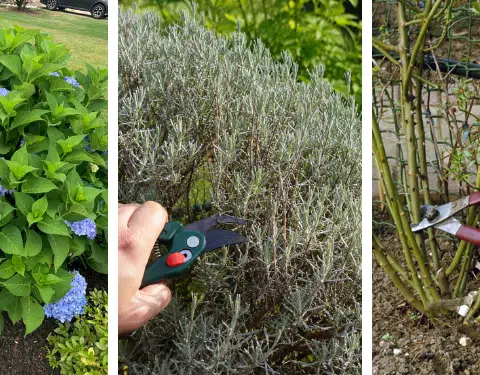
Hydrangeas change color based on the pH level of the soil. Coca-Cola’s acidic nature can help make the soil more acidic, influencing the color of the flowers.
How to Use:
- Color Enhancement: Pour diluted Coca-Cola (one part Coca-Cola to ten parts water) around the base of hydrangea plants to help shift the soil pH and potentially change the color of the blooms to blue.
8. Bait for Trap Crops
Why It Works
Coca-Cola can attract pests away from your main crops, acting as an effective bait when used with trap crops.
How to Use:
- Trap Crop Bait: Pour Coca-Cola around plants that you don’t mind sacrificing to pests. This will attract pests away from your valuable plants, reducing the damage to your main garden.
Coca-Cola is not just a popular soft drink; it can also be a valuable tool in your gardening arsenal.
From pest control to fertilizing and cleaning, this versatile beverage offers several surprising uses that can benefit your garden in various ways.
By incorporating Coca-Cola into your gardening routine, you can take advantage of its unique properties to enhance plant growth, protect against pests, and maintain your garden tools.